

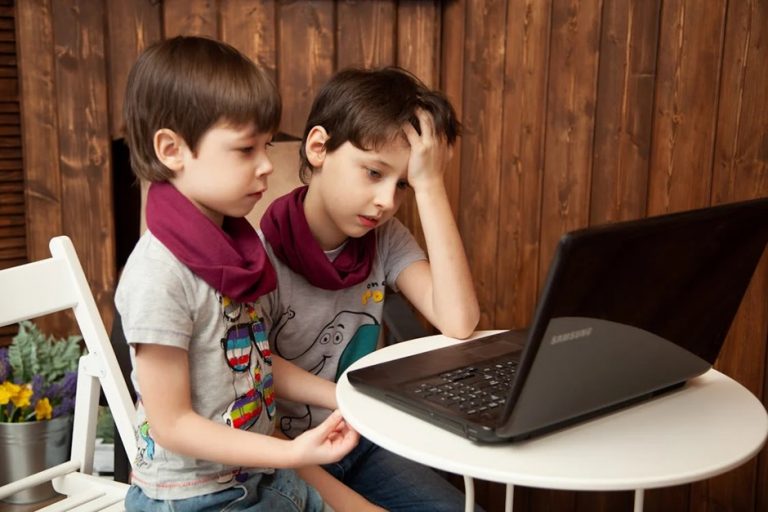
The spark that grows with stories
Children often meet their first stories in picture books where bright illustrations dance across the page. These early moments are more than just entertainment. They plant the seed of curiosity. When that seed grows it shapes habits of attention and imagination. Stories become companions. They open doors to new places and teach lessons that stick for life.
The shift from paper to screen is not just about convenience. For many families it has become the bridge between traditional reading and the wide ocean of knowledge online. Simplicity and wide selection make lib a popular choice for those who want children to move from bedtime tales into a broader world of learning. When a child can explore many books with just a few taps the walls of the classroom stretch far beyond four corners.
Why e-books matter for growing minds
E-books are not meant to replace the charm of a library visit or the smell of paper. They add something else. They turn a tablet into a treasure chest. A child can switch from “Alice in Wonderland” to a science guide about stars within seconds. That freedom matters. It means less waiting more discovering.
Parents and teachers often notice that e-books encourage autonomy. Children feel in control when they pick their own path. They may dive into fantasy one day then switch to history the next. The result is a patchwork of learning where knowledge builds quietly yet steadily. This habit of self direction will serve them well when school ends and the need to learn never does.
Here are some angles worth exploring when thinking about how e-books help children grow:
-
Building habits that last
Long before exams or careers children form daily routines. Reading on a device can become part of those routines just as brushing teeth or tying shoes. If the routine includes even a few pages each day the mind learns to crave stories. The portable nature of e-books means the habit does not break when travel or schedule shifts step in.
-
Encouraging imagination through variety
Choice feeds creativity. A single shelf can only hold so many titles but a digital library holds thousands. A child who reads mysteries today might fall for poetry tomorrow. Exposure to many genres widens the mind. Each new style of writing becomes another brushstroke in a wider picture of thought.
-
Making learning social
Children like to share. When they read an e-book they can show a favorite passage to a friend with a simple swipe. Shared highlights spark conversations. Those conversations often turn into small communities of readers. These shared experiences shape identity and make learning feel less like a chore and more like play.
After seeing these dimensions it becomes clear that the path forward is not one size fits all. The key is weaving these strengths together so that e-books do not only serve as tools but as living companions in a child’s journey.
How children discover their voice through stories
Some books stay with a person forever. Think of “The Little Prince” or “Charlotte’s Web.” These tales teach not only words but empathy and resilience. They speak to children in a voice that says mistakes are part of growth. In a world where information floods every corner e-books help children find clarity. They select what matters and keep it close.
Library serves as one of the quiet giants in this space. It provides access without borders and keeps the spirit of shared knowledge alive. For a young reader it feels like opening a window to countless new worlds. That sense of possibility matters more than any exam score. It gives children a chance to shape their own path.
Turning pages into lifelong habits
Every child who grows up with access to stories gains more than literacy. They gain resilience patience and imagination. Reading is not only about letters on a screen. It is about rhythm and melody. It is about finding a safe corner in the middle of a storm. Those who discover this comfort early are more likely to carry it into adulthood.
Lifelong learning is not a lofty slogan. It is the steady heartbeat of curiosity that starts small. E-books simply offer the match that lights the fire. Once the spark is alive it rarely goes out. Stories have always been the mirrors and maps of human experience and in the hands of a child they are the compass pointing forward.