

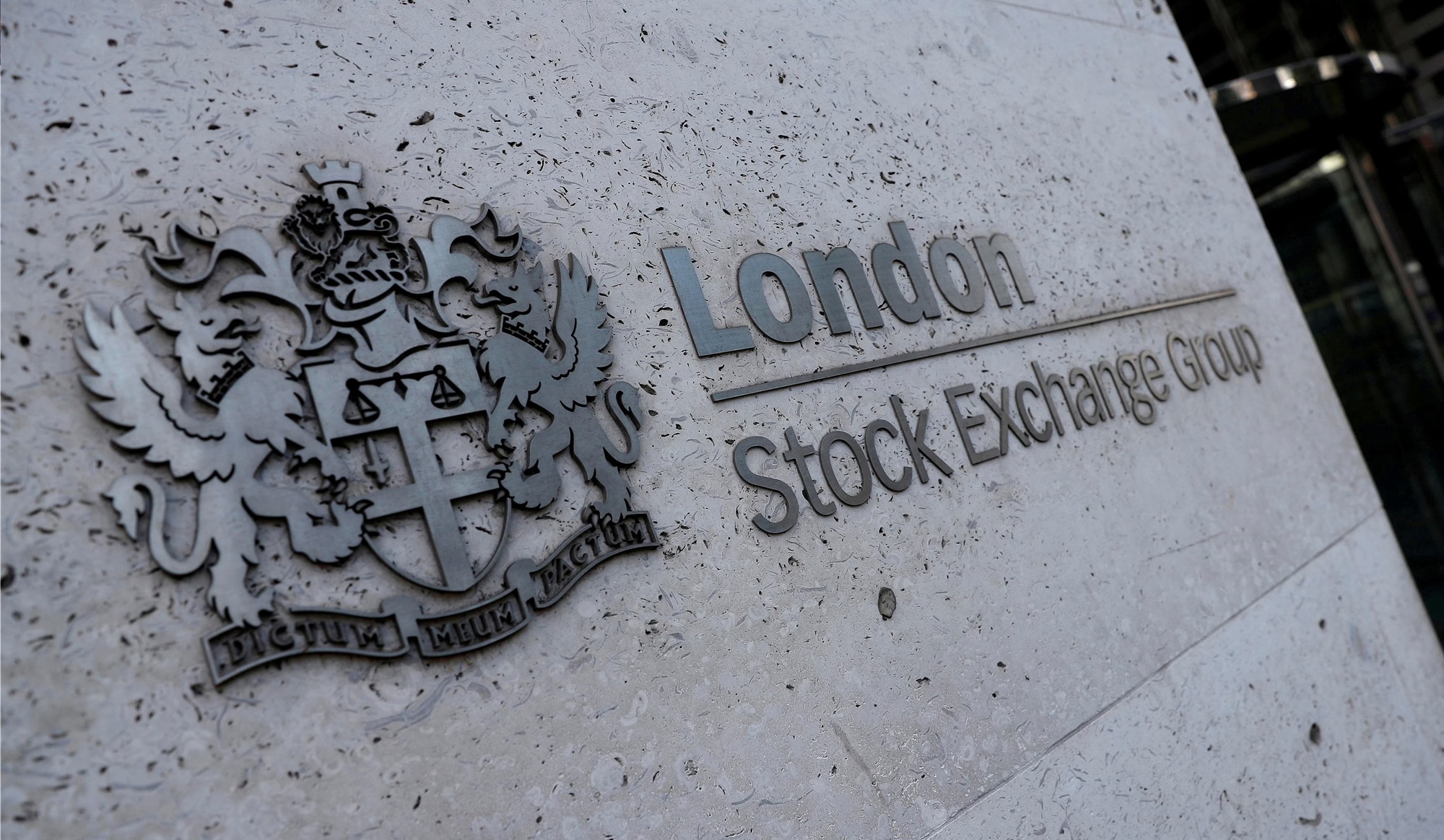
The London Stock Exchange, one of the world’s oldest and most influential financial markets, is reportedly preparing to introduce 24/7 trading in a bold effort to remain competitive in an era increasingly shaped by digital assets and around-the-clock financial activity.
The move reflects a growing recognition that traditional market structures are being challenged by cryptocurrencies, tokenized assets, and changing investor expectations.
For decades, stock markets have operated within fixed trading hours, with investors restricted to buying and selling securities during designated sessions.
In contrast, cryptocurrency markets such as Bitcoin and Ethereum trade continuously, twenty-four hours a day and seven days a week, without closing for weekends or public holidays. This uninterrupted market activity has attracted a new generation of investors who value accessibility, flexibility, and instant execution.
Register for the next Tekedia Mini-MBA.
Register for Tekedia AI in Business Masterclass.
Join Tekedia Capital Syndicate and co-invest in great global startups.
The proposed transition by the London Stock Exchange signals a major shift in the global financial landscape. If implemented successfully, the initiative could fundamentally change how investors interact with equities and other traditional financial instruments.
By extending trading hours to a continuous model, the LSE aims to capture capital flows that increasingly migrate toward digital asset platforms and alternative trading venues. The rise of tokenized finance has also contributed to this strategic decision.
Blockchain technology is enabling traditional assets such as stocks, bonds, and commodities to be represented digitally and traded around the clock.
Platforms offering tokenized equities have demonstrated that investors no longer wish to wait for market openings to react to global events, earnings reports, geopolitical developments, or macroeconomic data releases.

The growing popularity of decentralized finance has introduced new standards for market accessibility. Investors today expect real-time liquidity and instant settlement mechanisms. Traditional exchanges, which often rely on legacy infrastructure and delayed settlement systems, risk losing relevance if they fail to adapt to these changing demands.
A 24/7 trading framework could provide several advantages. First, it would enhance market efficiency by allowing investors worldwide to respond immediately to breaking news and economic developments regardless of time zones.
Second, it could attract greater participation from international investors, particularly those in Asia and the Middle East, where time differences often limit engagement with European markets. Third, continuous trading could increase liquidity and trading volumes, potentially strengthening London’s position as a global financial hub.

The transition also presents significant challenges. Continuous trading would require extensive upgrades to market infrastructure, clearing systems, and regulatory frameworks. Exchanges, brokers, custodians, and market makers would need to ensure operational resilience and cybersecurity around the clock.
Additionally, regulators may need to address concerns surrounding market surveillance, investor protection, and the potential for increased volatility.
Financial institutions would need to rethink staffing models, operational schedules, and risk management procedures. Market participants may face higher costs associated with maintaining twenty-four-hour operations, raising questions about whether the benefits will outweigh the expenses.
The London Stock Exchange’s consideration of continuous trading highlights the increasing convergence between traditional finance and the crypto industry. What once seemed like a niche feature exclusive to digital assets is now influencing some of the world’s most established financial institutions.
The LSE’s move underscores a broader transformation taking place across global markets. As blockchain technology, tokenization, and digital assets continue to reshape investor behavior, traditional exchanges are being forced to innovate. The push toward 24/7 trading is not merely about competing with cryptocurrencies.
It is about adapting to a future where financial markets are expected to be faster, more accessible, and permanently connected. If successful, the initiative could mark the beginning of a new era in global capital markets.