

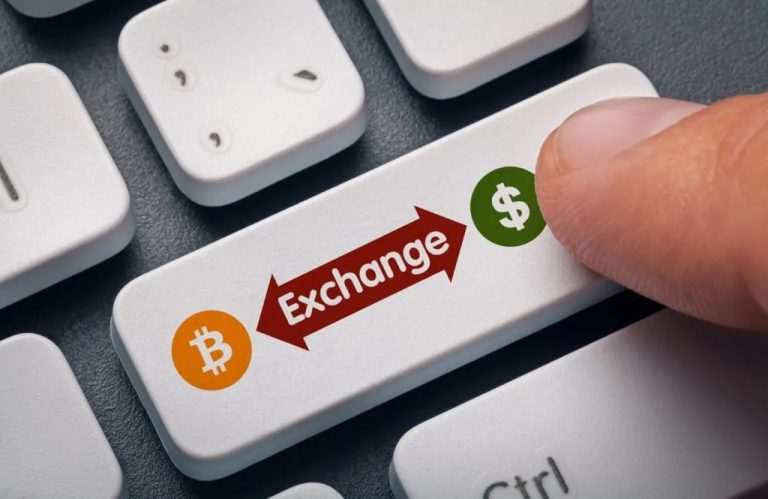
Cryptocurrency exchanges function as the fundamental structure of the digital asset market because they enable users to conduct efficient cryptocurrency transactions through their trading platforms. Digital currency exchanges have developed into advanced financial centers because of the increasing demand for digital currencies which enables them to provide multiple services beyond basic trading functions. The major exchanges require users to learn about their structural design and different exchange types and specific operational capabilities in order to succeed in digital asset trading.
The cryptocurrency market divides its exchanges into two primary exchange types which are centralized exchanges and decentralized exchanges. Centralized exchanges function through companies which serve as intermediaries to connect buyers with sellers. The three platforms which dominate the market include Binance and Coinbase and Kraken because they offer users high liquidity and simple operation and advanced trading features. The exchanges offer several trading tools which include margin trading and futures contracts and staking options and educational resources which help new traders learn about the platform.
Centralized exchanges provide their main benefit through their easy-to-use interfaces, which enable new users to access their services. The platform provides its users with both fast transaction processing times and dedicated customer support, which surpasses the offerings of decentralized platforms. Centralized exchanges handle more trades than other exchanges, which results in improved price stability and quicker order processing. Users need to place their trust in these platforms because they must deposit their funds, which creates risks from hacking and regulatory problems and possible financial mismanagement.
Decentralized exchanges enable users to conduct transactions through blockchain technology and smart contracts which eliminate the need for a central governing body. Uniswap, SushiSwap, and PancakeSwap serve as popular examples of decentralized exchanges which users can access. Users maintain complete ownership of their assets because they can conduct transactions from their personal wallets without needing to send their assets to a centralized platform.
Users who want to remain anonymous and maintain control of their information find decentralized exchanges more attractive because these platforms do not need users to undergo complete identity assessment procedures. The system results in greater difficulties for new users who want to operate decentralized exchanges. The system experiences two main problems because it requires users to complete verification before they can start trading. The system experiences two main problems because it needs users to go through verification before they can start trading.
The fee structure of major exchanges stands as a crucial element for their operations. The centralized exchanges impose trading costs for their users together with fees for depositing and withdrawing funds plus charges that apply to premium functions. The platform charges which users face depend on their trading activity during a particular period. The decentralized exchanges impose network (gas) fees together with a tiny percentage charge for liquidity providers which varies based on current blockchain congestion levels.
Security remains a critical concern across all types of exchanges. Centralized exchanges safeguard their users through various security measures which include two-factor authentication (2FA) and cold storage for funds and insurance policies. The historical record demonstrates that even major exchanges remain susceptible to cyberattacks despite their implemented security measures. Decentralized exchanges experience a reduced risk of major security breaches because of their distributed design yet they still face risks from smart contract vulnerabilities and user phishing attacks.
Regulation is another factor shaping the landscape of major exchanges. Governments worldwide are developing new regulations to implement oversight for cryptocurrency trading activities. Centralized exchanges must follow these regulations because they require users to undergo Know Your Customer (KYC) verification. The system improves transparency while decreasing unlawful operations although it may drive away users who want to keep their information private. Decentralized exchanges operate within a regulatory framework that offers both chances and dangers to their business model.
The major exchanges add new financial services to their platforms which they started doing during the past few years. Users can receive rewards through staking programs which allow them to keep their holdings while the platform delivers lending and borrowing services together with NFT marketplaces and payment solutions. The cryptocurrency market tracks increasing demand for financial systems that operate as complete solutions through its expansion into various financial services.
Every investor and trader needs to assess their own requirements together with their trading background to select the most suitable exchange. Centralized exchanges attract beginners because their systems are easy to use and provide customer assistance, whereas experienced users prefer decentralized platforms which allow them to control their assets. Users frequently combine both exchange types to maximize the advantages provided by each system.
Digital asset industry development will lead to more significant exchange influence which will determine future financial systems. The system will receive upgrades which will enhance its security features and scalability performance and user interface design. Investors need to understand major exchange operations because these exchanges represent the first step toward acquiring knowledge about crypto market investment.