

MegaETH, the Ethereum Layer-2 network designed for real-time performance boasting sub-millisecond latency and up to 100,000 TPS, has officially unveiled “Frontier”—its mainnet beta release.
This phase kicks off in early December 2025 and runs for one month, targeting early adopters, experimenters, and Ethereum enthusiasts. The team plans to onboard a curated selection of partner applications progressively during this period.
Incentives won’t be active yet, and users should brace for potential downtime or “rough edges” as it’s still a beta. This comes after MegaETH’s public ICO in late October, which hit its $49.9M hard cap, and follows a testnet phase earlier in the year.
Register for Tekedia Mini-MBA edition 20 (June 8 – Sept 5, 2026).
Register for Tekedia AI in Business Masterclass.
Join Tekedia Capital Syndicate and co-invest in great global startups.
Register for Tekedia AI Lab.
The full mainnet and $MEGA token generation event (TGE) are slated for shortly after, potentially in January 2026. Community buzz on X is high, with users hyping the “real-time” tech as a potential game-changer for DeFi and on-chain apps.
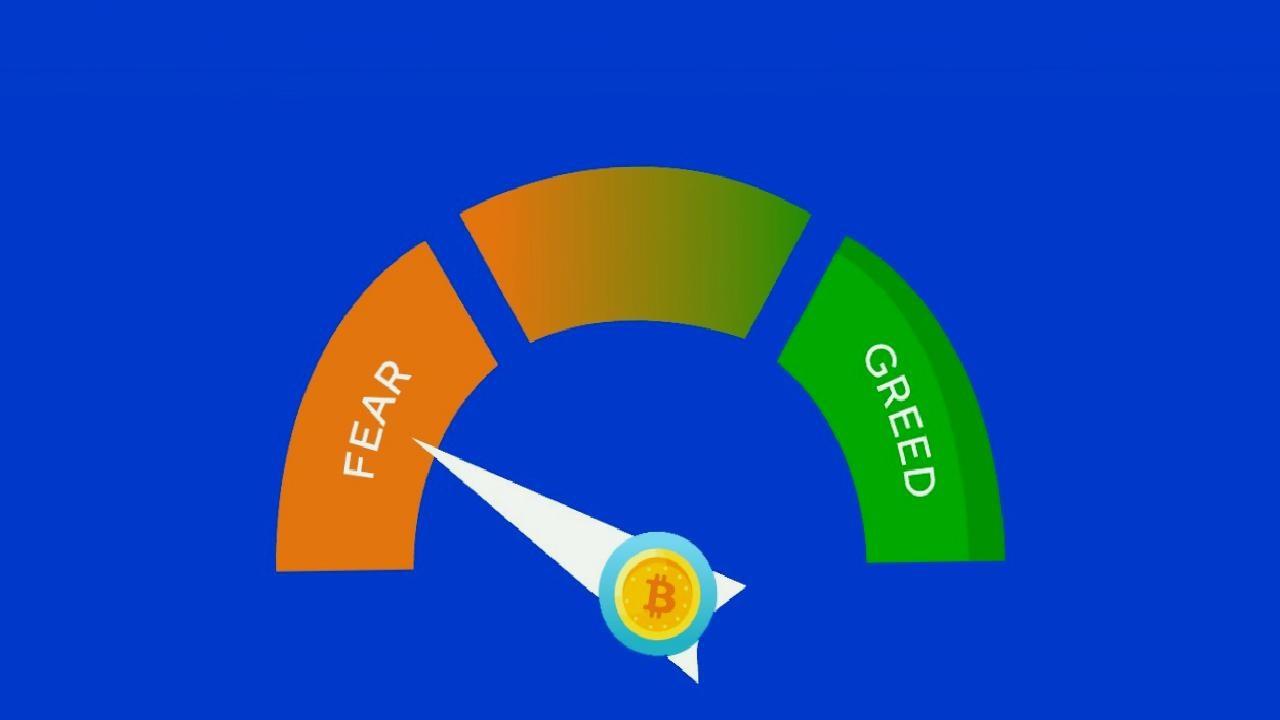
Equity Fear & Greed Index Plunges to Extreme Fear
Meanwhile, broader market sentiment is tanking. CNN’s Equity Fear & Greed Index— a gauge of stock market emotions based on volatility (VIX), put/call ratios, junk bond demand, and more—dropped to 9 on November 18, 2025, signaling “Extreme Fear.”

This is the lowest reading since early April 2025, when similar panic preceded a rebound. S&P 500 down ~4% from Oct highs; VIX up 10%. Early April 2025; Pre-rebound low; markets recovered sharply after.
Historically, single-digit readings like this often mark capitulation points—smart money starts buying when fear peaks, as it did post-April. Crypto’s mirroring the vibe too: Bitcoin’s Fear & Greed Index hit 10-11 also Extreme Fear, with BTC dipping below $90K.
Implications of MegaETH Mainnet Beta Launch

MegaETH’s “Frontier” mainnet beta, set for early December 2025, marks a pivotal step toward realizing its vision of a “real-time Ethereum” L2—delivering sub-millisecond latency, 10ms block times, and up to 100,000 TPS through innovations like node specialization, JIT compilation for smart contracts, and in-memory processing.
Backed by Vitalik Buterin and firms like Dragonfly Capital, this beta follows a successful $49.9M ICO and public testnet, positioning MegaETH to challenge scalability bottlenecks in Ethereum’s ecosystem.
By offloading high-throughput transactions like DeFi trades, gaming interactions to MegaETH while settling on Ethereum mainnet, it could slash gas fees and alleviate L1 bottlenecks—Ethereum’s TVL has dipped amid 2025’s market slowdown, making this timely.
Full EVM compatibility ensures seamless dApp migration, potentially drawing projects from slower L2s like Base or Optimism. Expect curated onboardings for DeFi via DEXs, perps, lending, gaming, NFTs, AI, and social apps, fostering composability across L2s.
The $MEGA token TGE post-beta, ~Jan 2026 will fuel gas payments, staking, governance, and incentives like developer grants—mirroring Solana’s “performance narrative” surge in 2021. Bridges the gap to “enterprise-level” blockchain, enabling real-time apps that rival Web2.
This could reinvigorate Ethereum’s developer base, countering L2 fragmentation and boosting overall chain activity. As a one-month trial with no incentives, users may face downtime or “rough edges,” testing early adoption resilience.
Centralization Trade-offs: Relies on powerful nodes and a single sequencer initially, raising decentralization concerns versus Ethereum’s ethos—though audits and future upgrades aim to mitigate this. Bootstrapping against established L2s requires proving sustained 100k TPS; failure could stall momentum.
Overall, success here could solidify Ethereum as the scalable base layer for 2026, potentially ending “Ethereum killers” by making L2s profit-sharing mechanisms (e.g., cross-chain staking).