

Meta Platforms is hiring MongoDB CEO Chirantan “CJ” Desai to lead a newly created business aimed at bringing the company’s artificial intelligence models, agents and software tools to corporate customers, in a move that signals a broader attempt to turn Meta’s rapidly expanding consumer AI business into an enterprise platform.
MongoDB shares have fallen about 28% on Monday after the database software company disclosed Desai’s departure, less than a year after he became chief executive. MongoDB has appointed its former CEO, Dev Ittycheria, as interim chief executive while it searches for a permanent replacement.
The reaction underpins the importance investors placed on Desai’s leadership as MongoDB seeks to compete in an increasingly crowded market for databases, cloud infrastructure and AI-enabled enterprise software.
Register for the next Tekedia Mini-MBA.
Register for Tekedia AI in Business Masterclass.
Join Tekedia Capital Syndicate and co-invest in great global startups.
“While the departure is disappointing, we believe MongoDB remains well-positioned strategically and view the share-price reaction as overdone,” Piper Sandler said in a note.
For Meta, however, the hire represents a significant escalation of its enterprise ambitions.
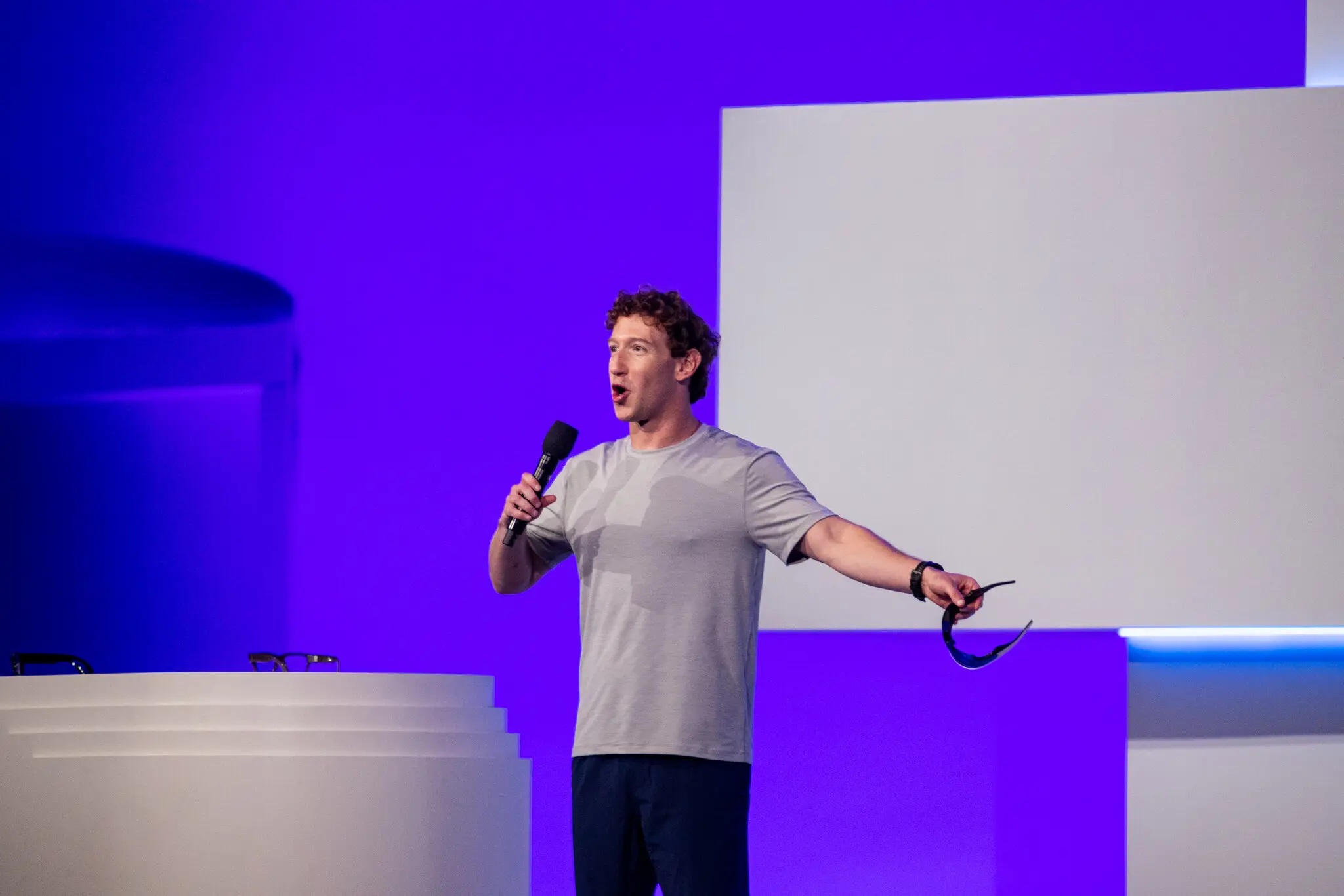
Desai will report directly to Meta CEO Mark Zuckerberg as chief enterprise platform officer, a newly created position. His mandate will be to turn Meta’s AI technology stack into products and services that businesses can deploy inside their own operations.

That puts an executive with extensive enterprise software experience at the center of Meta’s effort to move beyond its traditional advertising-driven business and establish AI as a platform used directly by companies.
Meta Takes Its AI Stack into The Enterprise
Meta said Monday that its new Meta Enterprise Platform will bring together its AI models, agents and tools for corporate customers. The offering will include Muse, Meta Business Agent and coding tools, giving businesses access to several parts of Meta’s AI portfolio through an enterprise-focused platform.
The move represents a different commercial proposition from Meta’s consumer AI strategy.

Muse was launched earlier this month as a personal AI agent designed to perform tasks for consumers, including shopping, booking travel, sending emails, and making payments. Its rapid rise in Apple’s App Store and Google Play rankings has drawn attention from analysts, who have described it as potentially the biggest U.S. app launch since OpenAI’s ChatGPT helped ignite the current AI boom in November 2022.
Meta now appears to be attempting to take some of that momentum into the corporate market.
The enterprise opportunity is considerably different from consumer AI. Companies need AI systems that can work with proprietary data, connect to existing software, meet security and compliance requirements, and operate reliably across large organizations. They also need clear controls over what an AI agent is allowed to do.
That makes Desai’s background especially relevant.
Before joining MongoDB, he led product and engineering at Cloudflare and spent almost eight years at ServiceNow, where he ultimately became president and chief operating officer. Both companies operate deeply within enterprise technology, giving Desai experience with the software infrastructure and purchasing processes that determine whether businesses adopt new technologies at scale.
His MongoDB experience adds another layer. MongoDB provides databases and related tools used by companies to build and operate applications, manage data, conduct searches and analytics, and support AI workloads.
Meta is therefore bringing in an executive whose career has largely centered on the infrastructure layer that enterprises need before they can deploy AI at scale.
Zuckerberg’s Enterprise Bet
The decision to have Desai report directly to Zuckerberg also signals the importance Meta is attaching to the new business.
Meta has spent heavily on AI infrastructure and model development, while its consumer products give it an enormous distribution network. The unresolved commercial question has been how much of that investment can be converted into direct enterprise revenue.
Advertising remains the economic foundation of Meta’s business, but selling AI products directly to companies could create another revenue stream and give the company a more diversified role in the technology stack.
The enterprise market is already crowded.
Microsoft has embedded AI across its productivity and cloud products, Google offers Gemini across its enterprise ecosystem, Amazon is integrating AI into AWS, and a large group of startups is competing to provide specialized agents and AI infrastructure.
Meta enters that market with a different set of assets. Its open model strategy has given developers access to the Llama family, while its consumer products provide a huge user base, and its growing collection of AI agents gives the company experience deploying AI at large scale.
The challenge is turning those assets into something corporations are willing to integrate deeply into their operations. That is where the Meta Enterprise Platform could become important. Rather than selling a single chatbot, Meta is positioning its AI offering as a collection of models, agents, and developer tools that businesses can use for different functions. The inclusion of coding tools and Meta Business Agent suggests the company wants to participate in both software development and business workflows.
Muse could eventually become another component of that broader platform rather than remaining primarily a consumer application.
MongoDB Faces an Unexpected Leadership Test
For MongoDB, Desai’s departure creates an immediate leadership transition at a time when the database industry is being reshaped by AI. MongoDB has built its position around helping developers manage application data, while AI is increasing demand for databases capable of handling unstructured information, vector search, and real-time workloads.
Ittycheria’s return as interim CEO provides continuity because he previously led MongoDB for almost a decade. But the board now has to find a permanent successor while investors assess whether the leadership change affects the company’s product and AI strategy.
The sharp decline in MongoDB shares shows that investors viewed the departure as material, even though Piper Sandler argued that the market reaction was excessive.
For Meta, meanwhile, the appointment is effectively an acknowledgement that building frontier AI models is only one part of the commercial battle. The next contest is over distribution, integration, and trust inside businesses.
AI companies have spent the past several years competing over model benchmarks and consumer adoption. The enterprise market requires something different: convincing companies to allow AI systems into sensitive workflows and giving those systems enough access to act on corporate data and software.
Desai’s mandate suggests Meta wants to compete directly on that layer.
If Meta can connect its models and agents to the systems businesses already use, the company could turn its AI investment into an enterprise software business rather than relying primarily on consumer engagement and advertising.
The hire also illustrates how the AI race is reshaping the broader technology industry. Following its $15 billion acqui-hire strategy that resulted in the recruitment of Scale AI CEO Alexandr Wang last year, Meta is no longer simply recruiting AI researchers and engineers. It is now recruiting executives who understand how large companies buy, deploy, and manage software.
That may ultimately prove as important as model performance as the industry moves from AI assistants that answer questions to agents that perform work.