

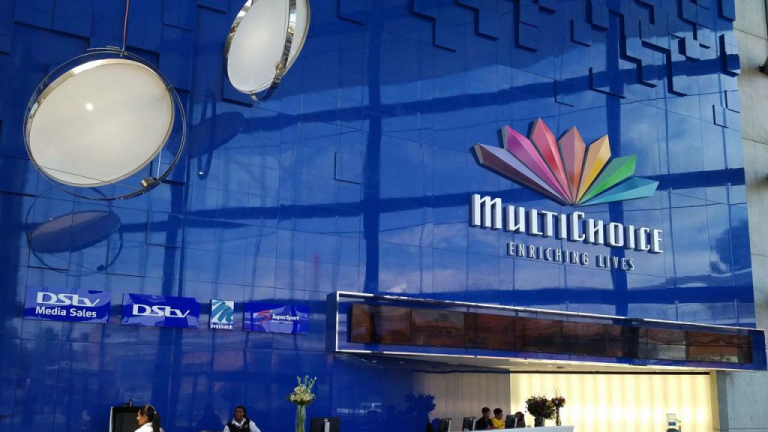
Multichoice Nigeria has slashed the price of its DStv decoder by 50%, from N20,000 to N10,000, in a renewed bid to boost its subscriber base. The aggressive pricing strategy comes as part of the company’s broader effort to address plummeting subscriptions in Africa’s largest PayTV market.
As part of the offer, Multichoice also launched a free tier upgrade campaign for both active and returning subscribers. From June 16 to July 31, 2025, customers who pay for their current DStv subscription package in full will be upgraded automatically to the next higher tier, granting access to more channels and content at no additional cost.
“By repositioning itself as a platform for daily value, DStv aims to encourage content discovery across a wider array of genres, including movies, drama, kids’ programming, and news,” the company stated.
Register for Tekedia Mini-MBA edition 20 (June 8 – Sept 5, 2026).
Register for Tekedia AI in Business Masterclass.
Join Tekedia Capital Syndicate and co-invest in great global startups.
Register for Tekedia AI Lab.
Multichoice Nigeria’s CEO, John Ugbe, described the promotion—branded the “We Got You” campaign—as a way of rewarding loyalty and making premium content more accessible, especially for non-sports viewers.
“We want to ensure our customers feel appreciated and have access to the best entertainment every day. The ‘We Got You’ campaign is about making premium content more accessible and showing that DStv offers something for everyone, not just football fans,” Ugbe said.
Subscriber Loss and Public Backlash
The announcement follows Multichoice’s stunning loss of 1.4 million subscribers in Nigeria between March 2023 and March 2025, according to financial disclosures from its parent company, Multichoice Group. The Nigerian market alone accounted for 77% of the total 1.8 million subscriber losses across its “Rest of Africa” (RoA) business segment during the period.

The group blamed a combination of economic headwinds for the mass exit, including soaring inflation, repeated power grid collapses, fuel scarcity, and a sharp fall in disposable income that left many unable to afford television subscriptions.
But industry analysts point to repeated price hikes as a key driver of customer dissatisfaction. Between April 2023 and May 2024, Multichoice Nigeria implemented three separate price increases on its DStv and GOtv bouquets—twice in 2023 and once in 2024—stirring public anger and sparking calls for regulation.
Inflation and the Case for Flexible Subscription Plans
At the heart of the issue is Nigeria’s unrelenting inflation, which in May 2025 stood at 22.97%, making consistent PayTV subscriptions increasingly unaffordable for a large portion of the population. As household incomes shrink and purchasing power erodes, many Nigerians are choosing to forgo traditional entertainment packages in favor of mobile streaming options that offer cheaper, on-demand content.

In response to this, Multichoice recently began trialing weekly subscription packages in Uganda, offering users the flexibility to pay in smaller amounts instead of committing to a full month. The company is reportedly considering expanding the initiative to Nigeria—a move analysts say could provide a much-needed cushion for low-income subscribers and reduce churn.
Some consumers believe that if the weekly payment option is extended to Nigeria, it could boost retention and slow subscriber loss, as It’s a model that better aligns with the income cycles of many African households.
Multichoice’s challenges come amid rising competition from low-cost streaming platforms and a general shift in consumer behavior, especially among younger viewers who prefer on-demand content over traditional linear TV. Platforms like Netflix, Showmax (also owned by Multichoice), and YouTube are attracting growing audiences, especially in urban centers, due to their flexibility and data-friendly features.
To compete, Multichoice says it is broadening its content offering beyond sports to include more movies, kids’ programming, documentaries, and local drama series. The decoder price slash and free tier upgrade are part of that repositioning effort.
However, observers caution that unless Multichoice significantly revises its pricing model and payment flexibility, particularly in Nigeria, any gains from promos or hardware discounts may be short-lived.
While Multichoice works to stabilize its subscriber base, all eyes will be on whether it can roll out weekly packages quickly enough and balance profitability with affordability in an increasingly strained economy.