

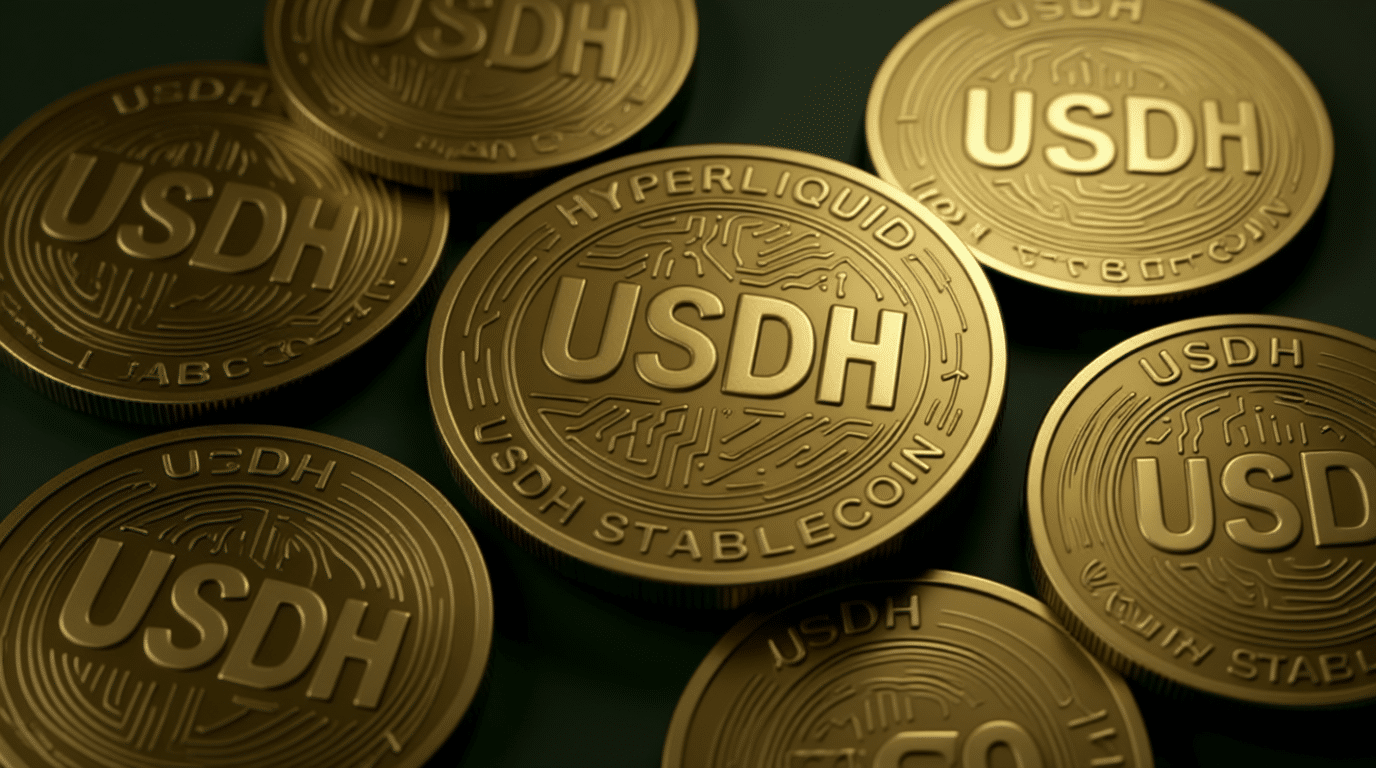
Native Markets has won the bid for the USDH stablecoin ticker on Hyperliquid, marking a significant milestone in the platform’s governance and ecosystem development.
This outcome came after a competitive week-long voting process involving Hyperliquid validators and staked HYPE token holders, where Native Markets secured over two-thirds of the vote approximately 70% support, outperforming established competitors like Paxos, BitGo, Frax, and Ethena which withdrew citing infrastructure misalignment.
Hyperliquid, a leading decentralized perpetuals exchange with billions in monthly volume, sought a native USDH stablecoin to reduce reliance on external assets like USDC which holds a dominant ~$6B position on the network.
Register for Tekedia Mini-MBA edition 20 (June 8 – Sept 5, 2026).
Register for Tekedia AI in Business Masterclass.
Join Tekedia Capital Syndicate and co-invest in great global startups.
Register for Tekedia AI Lab.
Bidders proposed aggressive yield-sharing models to benefit the ecosystem, such as directing stablecoin reserve yields toward HYPE token buybacks and growth initiatives.
Native Markets, an early Hyperliquid backer co-founded by Max Fiege, submitted the first proposal and emphasized deep alignment with the platform, including 50% of yields going to HYPE buybacks via the Hyperliquid Assistance Fund and the other 50% to USDH distribution through partnerships.
USDH will be fully backed by cash and short-term US Treasuries, with off-chain reserves managed by BlackRock and Superstate for security and yield generation.

On-chain custody and compliance will be handled by Bridge (Stripe-owned), ensuring GENIUS Act and global regulatory compliance (e.g., MiCA). This setup combines institutional-grade reliability with Hyperliquid-native focus, avoiding the “white-label” approach of larger issuers.
Native Markets plans a phased rollout starting imminently: Capped mints and redemptions (e.g., $800 per transaction limit) to validate functionality, API stability, and on-chain mechanics. High-volume traders are invited to participate for feedback.
Launch of a USDH/USDC spot pair on Hyperliquid. Removal of caps for uncapped minting and redemptions, enabling broader adoption. The team will deploy the USDH Hyperliquid Improvement Proposal (HIP-1) and an Ethereum-compatible ERC-20 token contract in the coming days, positioning USDH for seamless integration across Hyperliquid’s perps, spot, staking, and HyperEVM apps.
Why This Matters for Hyperliquid and DeFi
This is Hyperliquid’s first major on-chain governance vote beyond routine listings, signaling maturing community control.

USDH could capture yield currently leaking to Circle from USDC reserves, potentially generating hundreds of millions annually for HYPE buybacks and ecosystem growth—boosting TVL, DeFi activity (e.g., lending on Hypurrfi or Kinetiq), and network effects.
Prediction markets like Polymarket gave Native Markets 99% odds pre-vote, reflecting strong community preference for speed and alignment over big-name incumbents. Critics have questioned the process for potential bias toward Native Markets but the supermajority vote underscores broad support.
USDH’s launch allows Hyperliquid to shift away from dependence on USDC, which currently dominates with ~$6B in on-chain volume. By redirecting yield from stablecoin reserves previously benefiting Circle to HYPE token buybacks and ecosystem growth, Hyperliquid can retain more economic value within its network.
This marks Hyperliquid’s first major on-chain governance vote beyond asset listings, demonstrating a maturing decentralized decision-making process. The strong support for Native Markets 70% of validator votes reinforces community alignment and sets a precedent for future governance initiatives.
Native Markets’ proposal allocates 50% of USDH reserve yields from cash and US Treasuries managed by BlackRock/Superstate to HYPE token buybacks via the Hyperliquid Assistance Fund. This could inject hundreds of millions annually into the ecosystem, potentially increasing HYPE’s value and incentivizing staking.
The other 50% of yields will support USDH distribution through partnerships (e.g., Hypurrfi lending, Kinetiq vaults), fostering new DeFi use cases like lending, borrowing, and yield farming. This could significantly boost Hyperliquid’s TVL and attract more users.
USDH’s backing by BlackRock/Superstate and custody via Bridge (Stripe-owned) ensures alignment with regulations like the GENIUS Act and MiCA. This institutional-grade setup could attract risk-averse users and institutions, enhancing Hyperliquid’s credibility in the DeFi space.
A successful USDH could inspire other DEXs or layer-1s to launch their own stablecoins, reducing reliance on centralized issuers like Circle or Tether. This trend could decentralize stablecoin markets and shift yield flows to native ecosystems.
The USDH launch positions Hyperliquid as a more self-sufficient, competitive player in DeFi, with potential to redirect significant economic value to its ecosystem. It strengthens community governance, incentivizes HYPE holders, and could catalyze new DeFi applications.
However, success hinges on flawless execution in the coming days’ test phase and sustained community trust. If USDH scales as planned, it could redefine stablecoin dynamics in DeFi and inspire similar moves across other platforms.
If successful, USDH could challenge USDC’s dominance on Hyperliquid and set a precedent for exchange-native stablecoins in DeFi. Watch for the test phase rollout this week for early signs of adoption.