

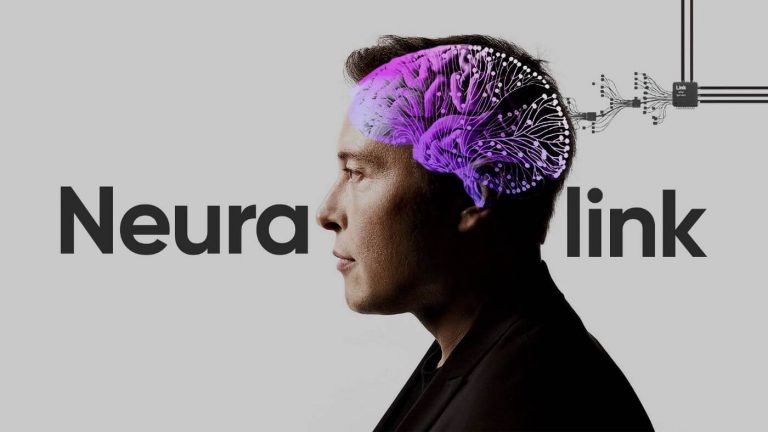
Elon Musk says Neuralink is preparing to cross a decisive threshold in the development of brain–computer interfaces, with plans to ramp up high-volume production of its brain implants in 2026 and automate much of the surgical process required to implant them in humans.
The move would mark a shift from cautious clinical experimentation to a manufacturing-led phase aimed at rapid scale, potentially transforming both neuroscience and the commercial trajectory of the BCI industry.
In a series of posts on X this week, Musk said Neuralink “will start high-volume production of brain-computer interface devices” this year, while the implantation procedure itself will move to a “streamlined, almost entirely automated surgical procedure” in 2026. He described the change as significant, particularly because the device threads would pass through the dura, the brain’s tough outer membrane, without requiring it to be removed.
Register for Tekedia Mini-MBA edition 20 (June 8 – Sept 5, 2026).
Register for Tekedia AI in Business Masterclass.
Join Tekedia Capital Syndicate and co-invest in great global startups.
Register for Tekedia AI Lab.
The announcement underscores how aggressively Neuralink is trying to solve the two biggest bottlenecks facing implantable brain technologies: surgical complexity and manufacturing scale.
From lab-scale trials to mass production
Neuralink was founded in 2016 with the ambition of creating implantable chips that translate neural signals into digital commands, allowing users to control computers, phones, and other devices with their thoughts. While Musk has often spoken about long-term goals such as human–AI integration, the company’s near-term strategy has been tightly focused on medical use cases, particularly severe neurological conditions where existing treatments are limited.
Those include paralysis, spinal cord injuries, neurodegenerative diseases such as Parkinson’s and Alzheimer’s, and certain forms of vision impairment. In these cases, the potential benefits of invasive brain implants can outweigh the risks, making regulatory approval more feasible.

After years of animal testing and regulatory scrutiny, Neuralink implanted its first chip in a human patient in January 2024. That patient, Noland Arbaugh, who is quadriplegic, has since demonstrated the ability to control a computer cursor, type messages, and play games using neural signals alone. Arbaugh has said publicly that the implant has restored a sense of autonomy and social connection that he had lost after his injury.
By September 2025, Neuralink said 12 people worldwide had received implants and were actively using the system, a modest number that reflects the slow, regulator-driven pace of early human trials. Musk, however, has made clear that this is only the beginning. He has previously said Neuralink could exceed 1,000 patients by 2026, a target that would require a dramatic expansion in both device production and clinical capacity.
Automating the brain surgery bottleneck
One of Neuralink’s most persistent challenges has been the implantation process itself. The current approach involves a human surgeon removing a small section of the skull before a robotic system inserts dozens of ultra-thin electrode threads into specific regions of the brain. Each thread is about 20 times thinner than a human hair, a design intended to minimize tissue damage while capturing high-quality neural signals.

Musk’s claim that the procedure will become “almost entirely automated” suggests Neuralink is trying to turn neurosurgery into something closer to a standardized industrial process. Allowing the threads to pass through the dura without removing it could reduce surgical trauma, shorten recovery times, and lower the risk of complications, while also making procedures faster and more repeatable.
If successful, automation would address a core constraint: neurosurgeons are scarce, highly trained, and expensive, and scaling a technology that depends on manual brain surgery is inherently difficult. A largely robotic procedure could lower costs and enable Neuralink to treat far more patients, though it also raises questions about safety validation, liability, and regulatory oversight when machines, rather than surgeons, perform critical steps.
Manufacturing push and hiring signals
The production ramp Musk described has been building for some time. In late 2024, Neuralink went on a hiring spree, advertising roles for manufacturing technicians, microfabrication specialists, and robotics engineers. Those hires signaled an internal shift toward industrial processes rather than pure research and development.
High-volume production also implies greater standardization of the implant hardware itself. The Neuralink chip, roughly coin-sized, integrates signal processing, wireless communication, and power management, all of which must meet medical-grade reliability standards. Scaling production while maintaining consistency and safety will be a major test, particularly given the scrutiny applied to implantable medical devices.
However, Neuralink operates in a growing but still narrow field. Rivals such as Synchron and Blackrock Neurotech are also developing implantable BCIs, often with a more conservative approach focused on clinical partnerships and specific medical indications. Neuralink’s strategy is more vertically integrated, combining custom hardware, robotics, and software under one roof, and more expansive in its long-term vision.
That vision has made the company both influential and controversial. Musk has repeatedly suggested that brain implants could eventually be used by healthy individuals to enhance cognition or merge human intelligence with artificial intelligence. Such applications remain speculative and far from regulatory approval, but they shape how policymakers, ethicists, and the public view Neuralink’s trajectory.
Concerns include data privacy, long-term brain health, consent, and the societal implications of cognitive enhancement technologies. As Neuralink moves toward mass production, these debates are likely to intensify, particularly if the company begins to scale beyond small clinical populations.
Neuralink’s planned transition to high-volume production and automated implantation marks one of the most ambitious phases in its history. If the company succeeds, it could redefine what is technically and commercially possible in brain–computer interfaces, moving the field from experimental medicine toward something closer to a platform technology.
At the same time, the risks remain substantial. Scaling invasive brain implants is unlike scaling consumer electronics or software. Regulatory hurdles, unforeseen medical complications, and public trust will all shape how far and how fast Neuralink can go.