

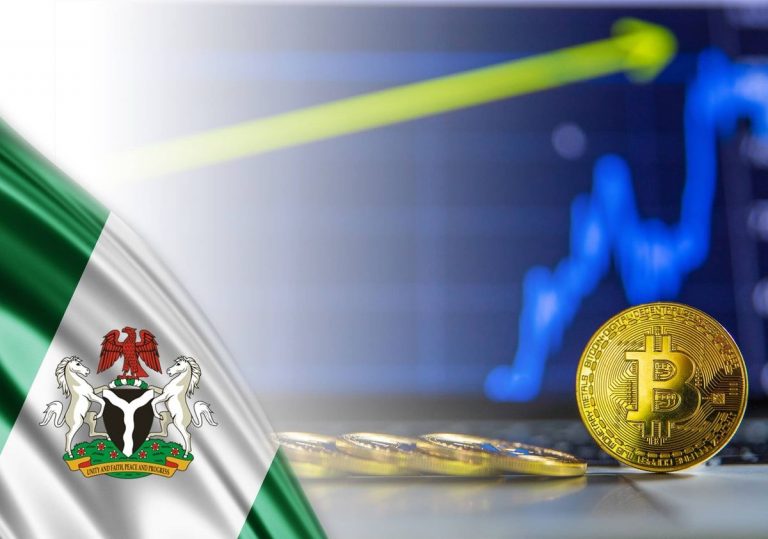
Nigeria has emerged as one of Africa’s most active hubs for cryptocurrency activities, recording over $50 billion in crypto transactions between July 2023 and June 2024, according to data from the Securities and Exchange Commission (SEC).
The staggering figure highlights the increasing adoption of digital assets in the country and the growing risk appetite of Nigerian investors outside the traditional capital market.
The SEC’s Director General, Dr. Emomotimi Agama, stated that despite the high level of digital asset investment in the country, it contrasts sharply with Nigeria’s traditional capital market, where fewer than 4% of adults are active investors.
Register for Tekedia Mini-MBA edition 20 (June 8 – Sept 5, 2026).
Register for Tekedia AI in Business Masterclass.
Join Tekedia Capital Syndicate and co-invest in great global startups.
Register for Tekedia AI Lab.
Presenting a paper titled “Evaluating the Nigerian Capital Market Masterplan 2015-2025, at the annual conference of the Chartered Institute of Stockbrokers, he expressed concern over the minimal engagement of Nigerians in the formal capital market. He described it as a major obstacle to capital formation and economic growth, noting that while fewer than three million Nigerians invest in securities, over 60 million participate in gambling, spending roughly $5.5 million every day.
“This paradox is revealing,” he said. “An appetite for risk clearly exists, but not the trust or access to channel that energy into productive investment,” Agama warned that the dominance of speculative activities over structured investment reflects a deeper erosion of confidence in Nigeria’s financial ecosystem.
Reflecting on the Capital Market Master Plan (CMMP) 2015–2025, the SEC DG described it as an ambitious 10-year roadmap aimed at positioning Nigeria’s capital market as a key driver of long-term economic growth through infrastructure and enterprise financing. However, as the plan nears its conclusion, he urged for reflection over celebration, stressing the need to evaluate achievements and shortcomings.

“Today, our task is not ceremonial; it is reflective and diagnostic. We must ask what we achieve, where we fall short, and what lessons must anchor our next decade of reforms?”
According to Agama, less than half of the 108 initiatives outlined in the CMMP were fully implemented, hindered by weak policy alignment, inadequate monitoring, and limited stakeholder ownership.
He acknowledged progress in specific areas, including Green Bonds, Sukuk, fintech integration, and non-interest finance, but noted that market liquidity remains heavily concentrated in a few blue-chip equities such as Airtel Africa, Dangote Cement, and MTN Nigeria. This concentration, he said, limits market depth, discourages retail participation, and leaves vast sectors undercapitalized.

Dr. Agama emphasized the need for a reinvigorated and inclusive capital market to strengthen Nigeria’s economic base. He pointed out that the market capitalization-to-GDP ratio, currently at 30 percent, is significantly lower than South Africa’s 320 percent, Malaysia’s 123 percent, and India’s 92 percent. This disparity, he argued, underscores the urgency of mobilizing domestic capital and deepening financial inclusion to bridge Nigeria’s estimated $150 billion annual infrastructure deficit.
Nigerians preference to invest in digital assets like Bitcoin and Ethereum, unlike stocks, reflects deeper economic, social, and technological realities shaping the financial behavior of the country’s young and vibrant population.
One major driver behind this shift is economic instability and the persistent devaluation of the naira. As inflation continues to erode the value of local savings, many Nigerians view cryptocurrencies as a hedge against currency depreciation. Unlike traditional investments in the Nigerian stock market, which are tied to the local economy, crypto assets provide exposure to global markets and are often priced in stable foreign currencies like the U.S. dollar.
Also, the recognition of Cryptocurrencies as Securities in April this year under the newly enacted Investments and Securities Act (ISA) 2024 has rekindled individuals’ and stakeholders’ confidence, providing diversification opportunities beyond traditional equities and fixed income. Nigeria’s youthful population further fuels this momentum. With over 60 percent of citizens under 30, there’s a strong appetite for technology-driven solutions and new forms of income generation.
Notably, the SEC has reaffirmed its commitment to rebuilding investors’ confidence in Nigeria’s traditional capital market and creating a robust financial ecosystem capable of channeling the country’s growing risk appetite into productive, long-term investments that can drive sustainable economic transformation.