

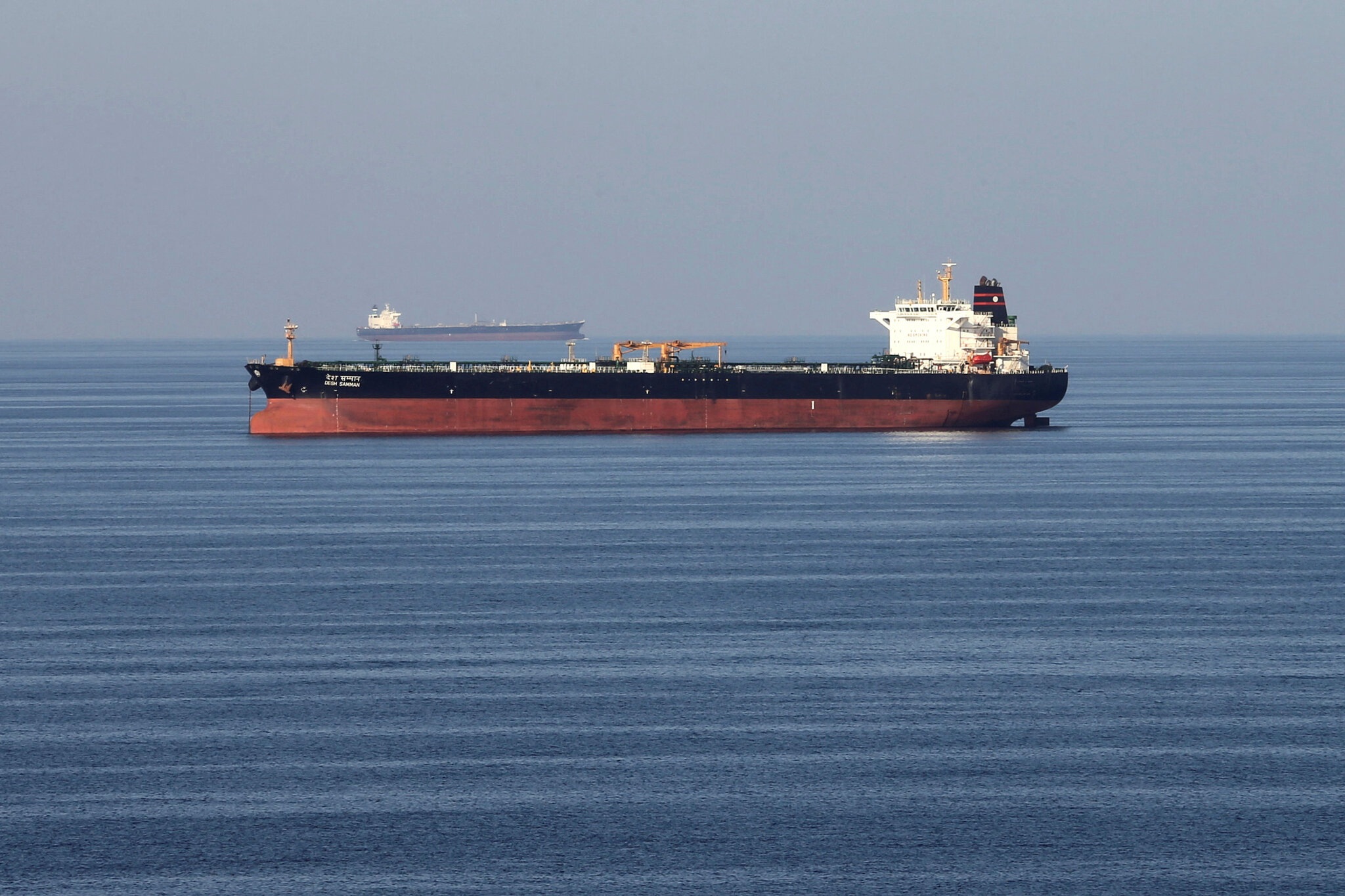
Nigeria’s state oil company has notched another milestone in its drive to revive upstream fortunes. The Nigerian National Petroleum Company Limited (NNPCL) on April 5 loaded and dispatched its maiden cargo of the new light, sweet Cawthorne blend, some 950,000 barrels, from the recently commissioned Cawthorne Floating Storage and Offloading (FSO) vessel off Bonny, Rivers State.
According to Reuters, the shipment, bound for the Netherlands aboard the MT Eburones, comes from Oil Mining Lease 18 and signals the commercial launch of yet another export-grade crude following the recent debuts of Nembe and Utapate blends.
The move is part of a deliberate strategy to expand Nigeria’s portfolio of marketable crudes, improve evacuation infrastructure, and claw back lost production after years of underinvestment, theft, and pipeline sabotage. The Cawthorne FSO itself is the first major new crude terminal in Nigeria in nearly five decades, offering a more secure outlet for eastern Niger Delta output.
Register for Tekedia Mini-MBA edition 20 (June 8 – Sept 5, 2026).
Register for Tekedia AI in Business Masterclass.
Join Tekedia Capital Syndicate and co-invest in great global startups.
Register for Tekedia AI Lab.
NNPCL Chief Executive Bashir Bayo Ojulari framed the development as integral to long-term ambitions.
“The successful export of the Cawthorne crude grade is not an isolated achievement; it is part of a broader, deliberate strategy to grow production, deepen market relevance, and strengthen Nigeria’s position as a reliable global energy supplier,” he said.
Yet the export push arrives at a moment when Nigeria’s chronic supply constraints are testing the balance between international commitments and domestic needs. The country pumped roughly 1.4 million barrels per day in March—still far below its OPEC quota and a pale shadow of the 3 million bpd target set for 2030. Oil remains the lifeblood of foreign exchange earnings, but analysts increasingly argue that NNPCL should tilt more barrels toward local refining to cushion the economy from global price spikes.

The reason is straightforward: Africa’s largest refinery, the 650,000 bpd Dangote facility, is still starved of consistent domestic feedstock. In March, NNPCL doubled its crude deliveries to the plant, sending 10 cargoes instead of the previous monthly average of around five.
The improvement was welcome, especially after Middle East disruptions from the Iran conflict drove up international prices and squeezed fuel availability. But Chairman of Dangote Group, Aliko Dangote, made clear the gap remains wide. He added that the refinery is seeking increased access to domestically priced crude under local currency arrangements as part of efforts to moderate fuel costs and enhance long-term energy and food security across the continent.
The refinery requires roughly 19 cargoes a month to run at optimal levels; anything less forces it to import the balance from the United States and other African producers at premium prices.

A significant portion of Nigeria’s current output is already locked into forward export obligations and term contracts, leaving NNPCL with limited flexibility to redirect barrels domestically even as production inches higher.
The result is a structural tension: exports generate hard currency and keep international buyers happy, while local refining capacity sits partially idle, exposing the country to volatile import costs and forgone opportunities to cut the fuel-subsidy bill.
Energy analysts note that the Cawthorne grade, light and low in Sulphur, would be an ideal feedstock for Dangote, much like the other new blends. Yet the priority for now remains servicing established export streams. The government’s longer-term hope is that sustained production growth, better security in the Niger Delta, and fresh investment will eventually ease the crunch, allowing both export diversification and robust local supply.