

The Trump administration has officially expanded eligibility for higher federal student loan limits to include nursing and nearly 30 other graduate and professional programs, marking a significant shift in its broader overhaul of the U.S. student loan system.
The decision follows a federal court ruling that blocked an earlier Education Department policy that would have excluded many healthcare and specialized graduate programs from receiving enhanced borrowing limits.
As a result, students pursuing advanced degrees in nursing, clinical psychology, physical therapy, public health, and several related fields will now qualify for the higher lifetime federal loan cap of $200,000 instead of the standard $100,000 available to most graduate students.
The change arrives amid sweeping reforms to federal student lending that took effect on July 1, 2026. Under legislation signed by President Donald Trump, graduate borrowing rules have become more restrictive overall. The Graduate PLUS loan program has been eliminated, and new lifetime borrowing caps have been introduced.
Register for the next Tekedia Mini-MBA.
Register for Tekedia AI in Business Masterclass.
Join Tekedia Capital Syndicate and co-invest in great global startups.
Students enrolled in designated professional programs can borrow up to $50,000 annually, with a maximum lifetime limit of $200,000, while most other graduate students are limited to $20,500 per year and $100,000 in total federal loans.
Initially, the Department of Education attempted to narrow the definition of professional programs to a small list that largely included medicine, dentistry, law, pharmacy, and a handful of other traditional professions.
This proposal excluded advanced nursing degrees and several healthcare-related disciplines despite widespread concerns over existing workforce shortages. Healthcare organizations, universities, and bipartisan lawmakers argued that the policy would make graduate education less accessible and worsen shortages in critical sectors such as nursing and behavioral health.

A federal judge ruled that the Education Department exceeded its authority by redefining which programs qualified as professional degrees. Following that decision, the department issued revised guidance that restored eligibility for higher borrowing limits across dozens of programs while removing theology from the expanded list.
Although the administration has indicated it will continue defending its preferred interpretation in court, the updated guidance now reflects the judge’s order, providing immediate relief for many students beginning graduate study this year.
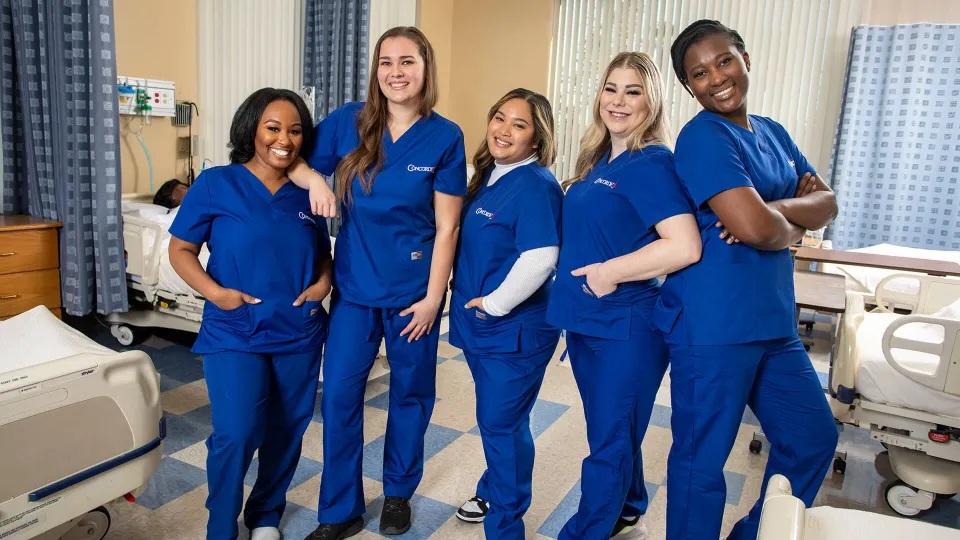
For nursing students, the decision is particularly significant. Advanced nursing programs, including nurse practitioner and nurse anesthetist degrees, often require substantial tuition and clinical training expenses that can easily exceed $100,000.

The higher borrowing limits may reduce reliance on private student loans, which frequently carry higher interest rates and fewer borrower protections than federal loans. Educational institutions also argue that expanded federal borrowing capacity will help sustain enrollment in programs that train essential healthcare professionals.
The broader student loan overhaul remains controversial. Millions of borrowers are simultaneously adapting to new repayment plans, stricter borrowing limits, and the end of the Biden administration’s SAVE repayment program.
Critics argue that while the expanded list of professional programs offers relief to some students, the overall reforms still reduce access to affordable federal financing for many graduate students and could increase dependence on private lenders.
Supporters, contend that the new system places more sustainable limits on federal lending while continuing to prioritize high-cost professional education. As legal challenges continue, future court decisions could once again reshape which programs qualify for higher federal borrowing limits.
For now, however, nursing and dozens of other graduate programs have secured access to expanded federal student loan eligibility, offering greater financial flexibility for students pursuing careers in essential professions.