

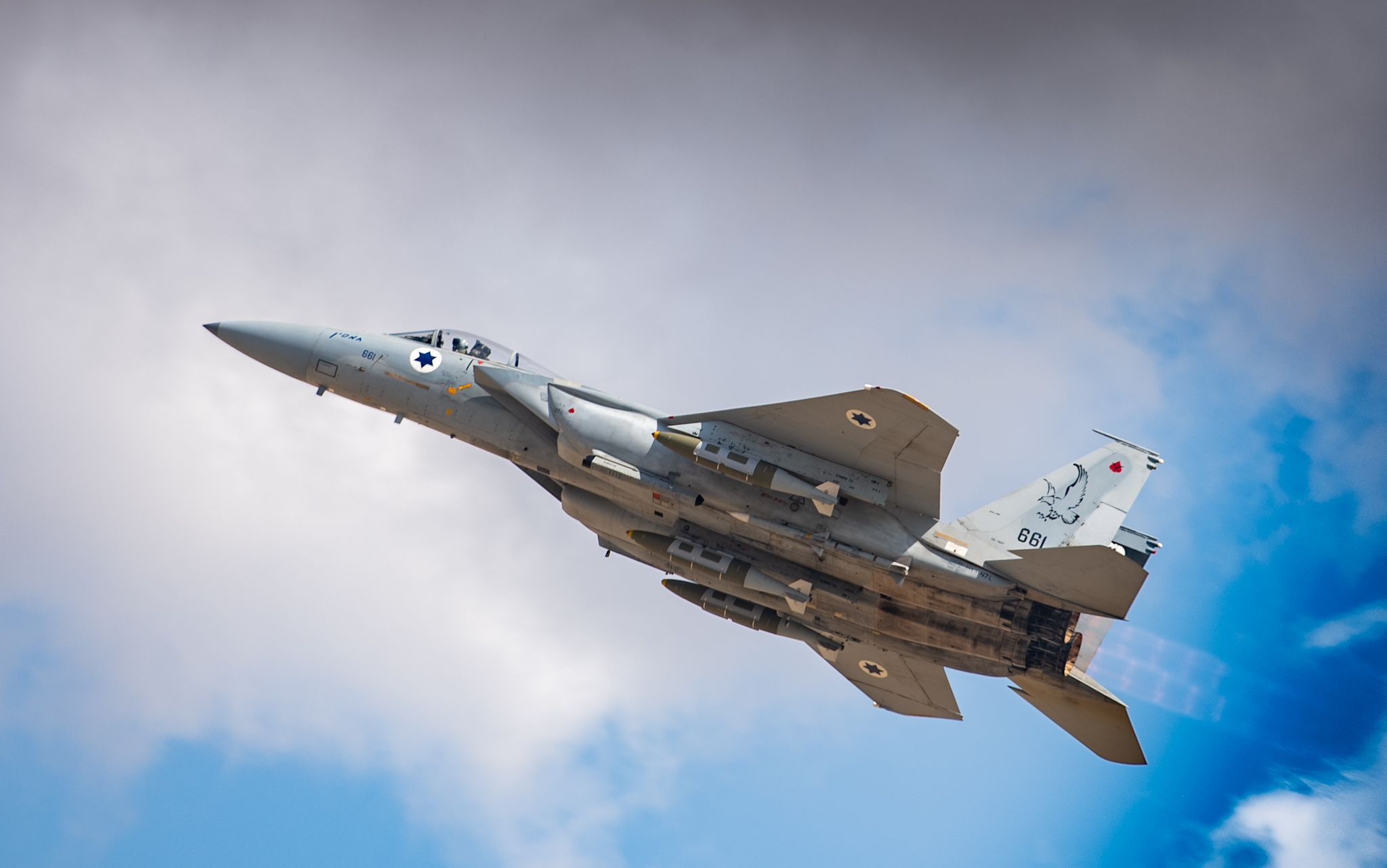
An erroneous hijack alert aboard a commercial flight bound for Tel Aviv sparked a major security response, leading military fighter jets to escort the aircraft and forcing it to make an emergency landing.
Although the alarm ultimately proved to be false, the incident highlighted the aviation industry’s uncompromising approach to passenger safety and the complex coordination required when potential security threats arise in the air.
The flight was proceeding normally when authorities received information indicating a possible hijacking. In accordance with established international aviation security procedures, air traffic controllers immediately notified national defense agencies.
Fighter aircraft were scrambled to intercept and visually identify the commercial plane while maintaining communication with its pilots.
Register for the next Tekedia Mini-MBA.
Register for Tekedia AI in Business Masterclass.
Join Tekedia Capital Syndicate and co-invest in great global startups.
Such military escorts are standard practice whenever there is credible uncertainty about an aircraft’s security status, ensuring that authorities can quickly assess the situation and respond if necessary.
Passengers on board were reportedly unaware of the full extent of the emergency during much of the flight. Airline crews are trained to remain calm and avoid creating unnecessary panic while following strict safety protocols.
The pilots continued communicating with air traffic control and complied with instructions to divert the aircraft for an emergency landing. Once on the ground, emergency services, law enforcement officers, and aviation security personnel surrounded the aircraft to conduct a thorough inspection.

Investigators soon determined that the hijack alert had been triggered in error rather than by an actual attempt to seize control of the aircraft. While officials have not always disclosed the precise cause of such false alarms immediately, they can result from technical malfunctions, communication misunderstandings, or accidental activation of emergency systems.
Modern aircraft are equipped with transponder codes and communication procedures that allow pilots to discreetly signal emergencies, but these systems can occasionally generate false alerts that require immediate verification.
Despite the disruption, aviation experts generally agree that responding aggressively to any suspected hijacking is the safest course of action. Since the terrorist attacks of September 11, 2001, governments around the world have adopted a zero-tolerance approach to potential threats involving commercial aircraft.
Even when there is only a small possibility of unlawful interference, military and civilian authorities act swiftly because the consequences of ignoring a genuine threat could be catastrophic. The incident also demonstrated the close cooperation between airlines, air traffic controllers, airport authorities, emergency responders, and military forces.

Successfully managing such situations requires rapid communication and clearly defined procedures. Every participant, from the cockpit crew to fighter pilots and ground personnel, must understand their role to ensure the safety of passengers and minimize risks to people both on board and on the ground.
Although false alarms can be costly and inconvenient, they also serve as valuable opportunities to evaluate emergency response systems. Aviation authorities often review these incidents carefully to identify weaknesses, improve communication protocols, and reduce the likelihood of similar errors occurring in the future.
Lessons learned from such events contribute to ongoing improvements in global aviation safety standards. For passengers, the experience can be frightening, particularly when military aircraft appear alongside a civilian flight or when an unexpected emergency landing occurs.
The successful resolution of this incident without injuries or security breaches underscores the effectiveness of modern aviation safety procedures. While the erroneous hijack alert caused significant disruption, the coordinated response demonstrated that aviation authorities remain prepared to respond decisively to any potential threat.