

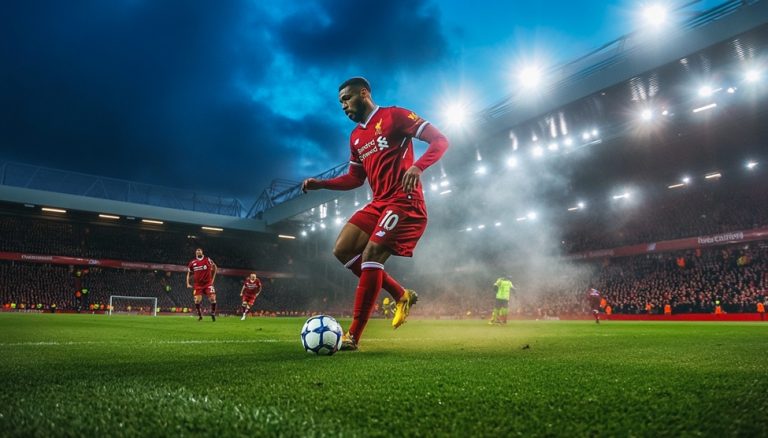
A soccer podcast that began as a passion project has evolved into a thriving media company with more than 100 employees, demonstrating how digital-first sports journalism has transformed over the past decade.
What started as a small production focused on insightful football discussions has grown into a multimedia powerhouse, producing podcasts, written analysis, documentaries, newsletters, videos, and live event coverage.
As the FIFA World Cup captures the attention of billions of fans worldwide, the company now faces its biggest opportunity—and perhaps its greatest challenge—to prove that it can compete with some of the world’s largest sports media organizations.
Register for the next Tekedia Mini-MBA.
Register for Tekedia AI in Business Masterclass.
Join Tekedia Capital Syndicate and co-invest in great global startups.
The company’s remarkable growth reflects changing audience habits. Sports fans increasingly seek detailed analysis, entertaining storytelling, and authentic personalities rather than traditional television broadcasts alone.
Podcasts have become a major source of sports information, allowing hosts to develop loyal audiences through in-depth conversations and expert commentary. By consistently producing quality content and expanding across multiple platforms, the company successfully turned a niche football podcast into a respected global media brand.
Unlike conventional broadcasters that rely heavily on expensive television rights, the company has built its reputation around journalism, analysis, and storytelling.
Its reporters travel extensively to cover clubs, leagues, and international tournaments while offering subscribers exclusive articles and behind-the-scenes insights. Video documentaries, social media content, and interactive features have further broadened its appeal, helping it attract younger audiences who consume sports news primarily through digital channels.

The FIFA World Cup represents a defining moment in the company’s history. The tournament is the largest sporting event on the planet, attracting billions of viewers and generating enormous demand for news, analysis, interviews, and real-time updates.
For a media company built around football, the World Cup offers an unmatched opportunity to showcase its editorial capabilities on the biggest stage. Preparing for such a massive event requires significant investment.
Reporters, producers, photographers, editors, video crews, and technical staff must coordinate coverage across multiple host cities. Podcasts need to be recorded daily, articles published around the clock, and social media platforms updated continuously as matches unfold.
Managing these operations while maintaining editorial quality is a complex logistical challenge, especially for a company that has expanded rapidly in recent years.

Commercially, the World Cup also presents enormous opportunities. Increased audience engagement can attract new subscribers, advertising partners, sponsorship agreements, and premium content sales.
Millions of casual football fans search for reliable coverage during the tournament, creating an opportunity to convert temporary visitors into long-term customers.
Success during the World Cup could significantly strengthen the company’s financial position and reinforce its status as one of the leading independent sports media brands. However, rapid growth also brings higher expectations.
Fans now expect instant reporting, exclusive interviews, tactical breakdowns, and engaging multimedia content. Competition is intense, with established broadcasters, newspapers, digital publishers, and independent creators all fighting for audience attention.
Standing out requires not only speed but also originality, credibility, and consistent quality. Technology will play a crucial role in meeting these demands.
Artificial intelligence, advanced analytics, real-time data visualization, and mobile-first publishing tools can help journalists deliver richer and faster coverage while allowing audiences to personalize their experience.
Companies that effectively combine technology with strong editorial standards are increasingly shaping the future of sports media. The transformation of a simple soccer podcast into a 100-person media company illustrates the power of innovation, audience trust, and consistent storytelling.
The FIFA World Cup is more than another tournament—it is a global test of whether the organization can scale its operations while preserving the qualities that made it successful. If it succeeds, it could establish itself as one of the defining voices in modern football journalism for years to come.