

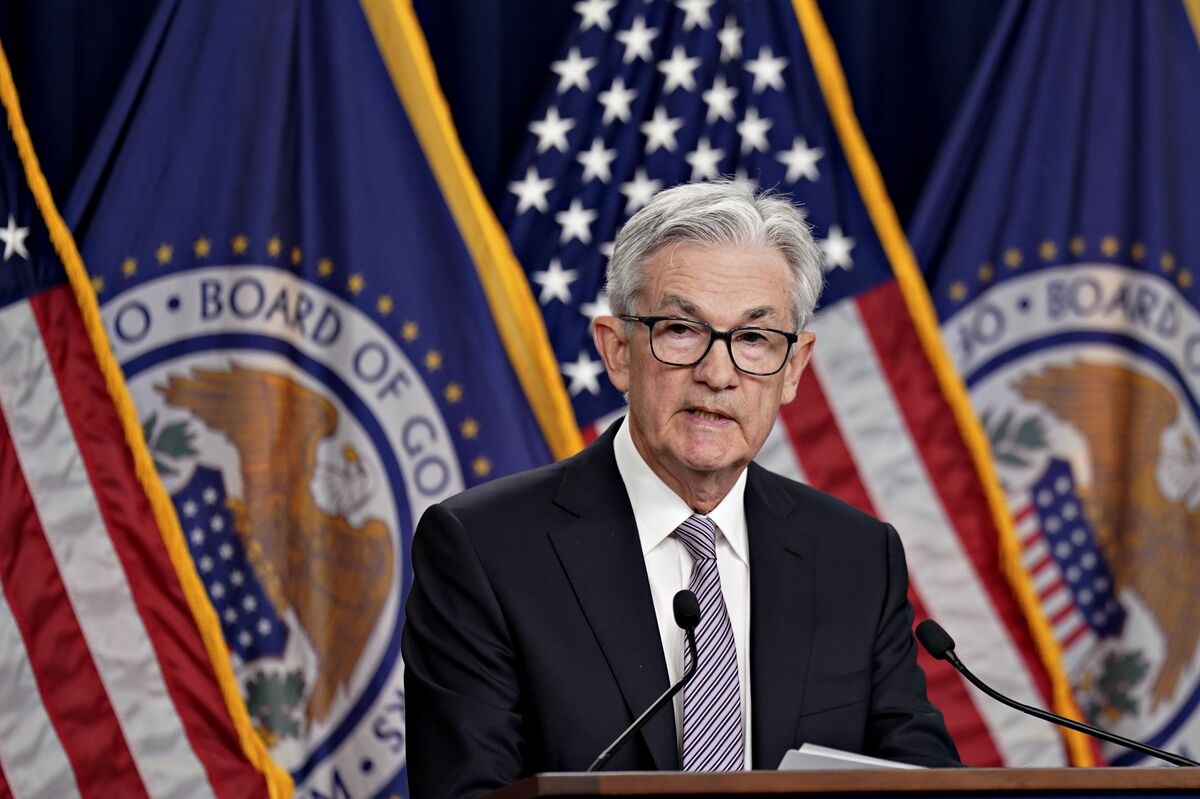
Market odds for the U.S. Federal Reserve implementing an interest rate cut at its December 9-10, 2025, FOMC meeting have indeed risen sharply in recent days, surpassing 80% for at least a 25 basis point (bps) reduction.
This shift reflects evolving comments from key Fed officials, mixed economic data amid a government shutdown delaying key reports, and trader sentiment captured in tools like the CME FedWatch.
New York Fed President John Williams, a key FOMC influencer, indicated on November 21 that the central bank has “scope to lower borrowing costs in the near term,” boosting cut expectations. Fed Governor Christopher Waller followed on November 24, calling a December cut “appropriate” due to a softening labor market, while downplaying recent strong jobs data as likely to be revised lower.
San Francisco Fed President Mary Daly also shifted to support a cut. These remarks counterbalanced earlier hawkish notes from officials like Boston’s Susan Collins, who highlighted resilient demand and inflation risks.
Register for Tekedia Mini-MBA edition 20 (June 8 – Sept 5, 2026).
Register for Tekedia AI in Business Masterclass.
Join Tekedia Capital Syndicate and co-invest in great global startups.
Register for Tekedia AI Lab.
Delayed September jobs data released mid-November showed 119,000 jobs added—stronger than expected—but the unemployment rate ticked up to 4.4%. Inflation edged to 3% annually, creating tension between the Fed’s dual mandates.
With October and November data still pending due to the shutdown, policymakers are relying on proxies like ADP payrolls and the Beige Book due November 26, tilting sentiment toward easing to support employment.
Odds flipped from ~30% just a week ago post-jobs data to over 80% now, driving gains in equity futures like the Nasdaq 100 up 0.46% premarket on November 24. A cut would lower the federal funds rate to 3.50%-3.75%, following prior reductions in September and October.

Current Probabilities from CME FedWatch based on 30-Day Fed Funds futures prices, here’s the implied probability distribution for the target rate post-December meeting. 75-82% primarily a 25 bps move, up from 32% on November 20 and 67% chance of a hold on November 21.
These are market-implied odds, not official Fed views. FOMC minutes from October showed division, with “several” favoring a cut and “many” preferring a pause. Firms like Deutsche Bank and Citigroup still call for a cut but label it a “close call,” while J.P. Morgan and Standard Chartered now forecast a hold, citing data gaps raising misinterpretation risks.
The Federal Reserve’s Beige Book, scheduled for release on November 26, 2025, at 2:00 p.m. ET, provides a qualitative snapshot of U.S. economic conditions across its 12 districts, covering roughly October through early November.

Released two weeks before the December 9-10 FOMC meeting, it holds outsized influence this cycle due to government shutdown delays in key quantitative data like October CPI/PPI and jobs reports.
Without those hard numbers, the Beige Book’s anecdotal insights—from business contacts on hiring, spending, manufacturing, and prices—could tip the scales on whether the Fed opts for a 25 bps cut current odds ~80%, a pause, or more aggressive easing.
Historically, Beige Books have swayed market expectations by ~10-20 percentage points in cut probabilities when they diverge from prior data trends, as seen in the October 2025 edition that reinforced easing by highlighting “slight” employment gains and “moderate” price rises.
Based on recent Fed speeches, private surveys like ISM manufacturing at 48.5 in October, signaling contraction, and district anecdotes. Modest expansion overall, with services holding up but manufacturing softening in the Midwest and Southeast due to auto sector woes and export weakness.
Employment: Stable to slightly cooling, with wage growth at pre-pandemic levels ~3-4% but hiring pauses in tech and retail amid consumer caution.
Prices: Easing to low-moderate 2-3% YoY, though sticky in housing and food; districts like New York and Dallas may flag persistent shelter costs.
Mixed—resilient in essentials but waning in discretionary as holiday outlook dims. Likely “cautiously optimistic,” aligning with the October book’s summary of “modest growth” and no recession signals, but with more emphasis on labor softening to support Fed doves like Waller.
Analysts from ING and Guggenheim anticipate it will “greenlight” further cuts by underscoring balanced risks, potentially solidifying the pivot to neutral rates in 2026. However, hawkish surprises could echo the divided FOMC from October minutes.
The Beige Book’s district-by-district granularity could amplify or mute recent dovish shifts from officials like Williams and Daly. These draw from how past Beige Books moved markets, e.g., the July 2025 report’s “sluggish” tone boosted September cut odds by 15 points.
Counters recent official dovishness; stocks dip 0.5%, 10Y Treasury yield rises 5 bps. Revives January hold debates. A dovish-leaning Beige Book would likely lock in the third consecutive 25 bps cut, lowering the fed funds rate to 3.50-3.75% and signaling 1-2 more in 2026 amid 2% inflation targets.
It could also ease USD pressure DXY down ~0.3-0.5% and lift risk assets, per recent patterns. Conversely, a hawkish tilt might highlight data gaps’ risks, prompting Powell to stress “wait-and-see” in his December presser.
Watch for phraseology shifts: “slight” vs. “modest” growth or “easing” vs. “stable” prices often correlate with policy pivots. Post-release, odds could recalibrate within hours, with traders parsing the summary for FOMC voting clues.
A no-cut scenario could pressure stocks, but Waller emphasized the Fed’s data flexibility. Watch upcoming releases like the Beige Book and private payrolls for further shifts—odds could swing again before the meeting. If enacted, this would mark the third straight cut, signaling a pivot toward neutral policy in 2026.