

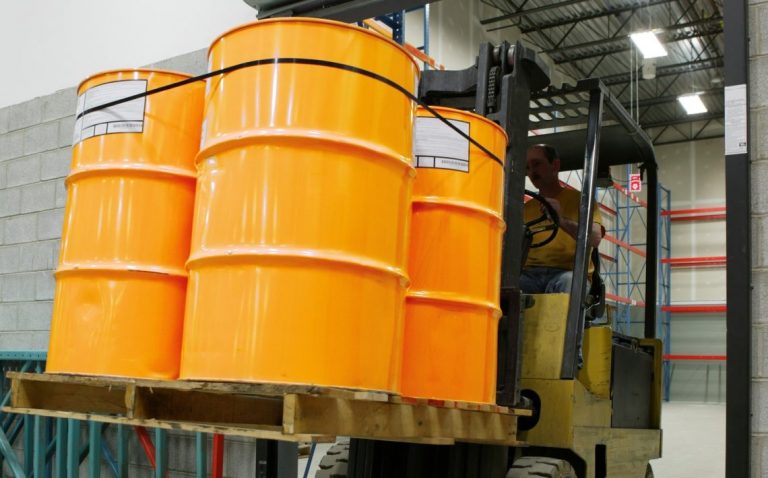
Oil prices have spiked back above or near $100 per barrel recently amid the ongoing US-Israel conflict with Iran, which began with airstrikes in late February 2026.
WTI crude (US benchmark) closed at around $99.64 on March 27 up ~5.5% that day, briefly hitting $100.04 intraday. It has traded in the $90–$102 range recently, with volatility tied to headlines. Brent crude (global benchmark) has been higher, settling around $108–$112 in recent sessions and spiking as high as $119 earlier in March.
It’s up significantly often 20–50%+ from pre-conflict levels depending on the exact starting point since the strikes began. Prices have swung wildly: surging past $100 and briefly higher on supply fears, then plunging on rumors of talks or de-escalation, only to climb again when Iran denied progress or threatened further disruptions.
The main trigger is disruption to Middle East oil flows, especially the Strait of Hormuz which normally carries ~20% of global crude and LNG. Iran has effectively restricted or blockaded traffic in retaliation, attacked shipping/energy targets, and damaged regional infrastructure. This is described as one of the biggest supply shocks in recent history.
Register for Tekedia Mini-MBA edition 20 (June 8 – Sept 5, 2026).
Register for Tekedia AI in Business Masterclass.
Join Tekedia Capital Syndicate and co-invest in great global startups.
Register for Tekedia AI Lab.
The conflict escalated from US/Israeli strikes on Iranian military, nuclear, and energy sites starting ~Feb 28, 2026. Iran has responded with missile and drone attacks, shipping threats, and vows to keep fighting. Diplomatic efforts have created whipsaw moves, but no resolution yet—fears of prolonged war or ground operations keep the risk premium high.
Other factors: low spare capacity elsewhere, limited immediate SPR releases, and broader geopolitical ripple effects; e.g., impacts on China’s imports, global freight and insurance costs. Gasoline and energy prices are rising for consumers, especially in import-dependent regions; some countries have introduced rationing or conservation measures.
Stocks have faced pressure at times; gold and the dollar have reacted to risk-off sentiment. Analysts warn prices could stay elevated ($90–$120 range possible) if the Strait stays choked or fighting drags on, potentially trimming global GDP growth. A quick resolution could see a sharp drop back toward $60–$80.

This echoes the 2022 Russia-Ukraine shock but centers on a critical chokepoint for Gulf exports. Markets remain highly sensitive to any military/diplomatic news—expect continued volatility.
In the US, the national average for regular gasoline climbed from around $2.90–$3.00 in late February to $3.45–$3.58+; up 47–50 cents in a week at peaks, with some states/regions exceeding $4–$5/gallon, especially California. Diesel saw even steeper jumps. This directly hits commuting, trucking, and household budgets.
Lower- and middle-income households feel it most, as higher fuel costs reduce discretionary spending. A sustained $0.50+/gallon increase equates to hundreds of millions daily drained from consumer pockets. Polls show many Americans reporting financial strain.
Higher transportation and heating costs feed into food, goods, and services prices, eroding purchasing power. Headline inflation rises due to energy costs; a $10 sustained oil increase can add ~0.1–0.3% to CPI; larger spikes add more. Analysts estimate 0.5–0.8+ percentage points added to US/global headline inflation, with peaks potentially reaching 3.5–5% in Q2 2026 if prices stay elevated.

Core inflation sees milder pass-through. Central banks face dilemmas: higher inflation may delay rate cuts or prompt hawkish signals, tightening financial conditions. This complicates the post-2022 inflation fight. Estimates suggest 0.1–0.3% shaved off annual growth for every sustained $10–$40 oil increase, depending on duration.
A prolonged Hormuz closure removing ~20% of global supply could cut Q2 annualized global growth by ~2–3% in extreme models, with full-year effects of 0.2–1.3% depending on length. US growth forecasts see modest downward revisions. As a net oil exporter, the US suffers less than pure importers (Europe, Asia), but consumer spending (70% of GDP) still slows. Past oil shocks of this magnitude have raised recession risks; a $140+ sustained level could near standstill territory with rising unemployment.
Demand destruction emerges if high prices persist, curbing consumption and industrial activity. Consumer discretionary, retail, transportation, utilities, and industrials face margin pressure and weaker demand. Tech/AI may show relative resilience.
Safe-haven flows into gold, dollar at times, yen, or bonds. Higher costs from rerouting, risk premiums, and attacks add to global supply chain inflation. Natural gas prices also spiked (20–30%+ jumps); energy-intensive economies feel growth/inflation pain. Mixed—Gulf states or US shale benefit from higher revenues, but infrastructure damage and OPEC+ responses complicate.
Higher fossil prices could accelerate long-term shifts, but short-term pain dominates. Supply chain and food: Fertilizer, plastics, and logistics costs rise. Markets whipsaw on any diplomatic/military news. Strategic reserves (SPR) discussions and rerouting provide some buffers, but spare capacity is limited.
The US economy is more resilient today due to higher efficiency, domestic production, and lower oil intensity of GDP, softening the blow compared to the 1970s. However, sustained high prices ($100+) amplify risks of slower growth, stickier inflation, and sectoral shifts. A quick de-escalation could reverse much of this; prolongation heightens downside scenarios.