

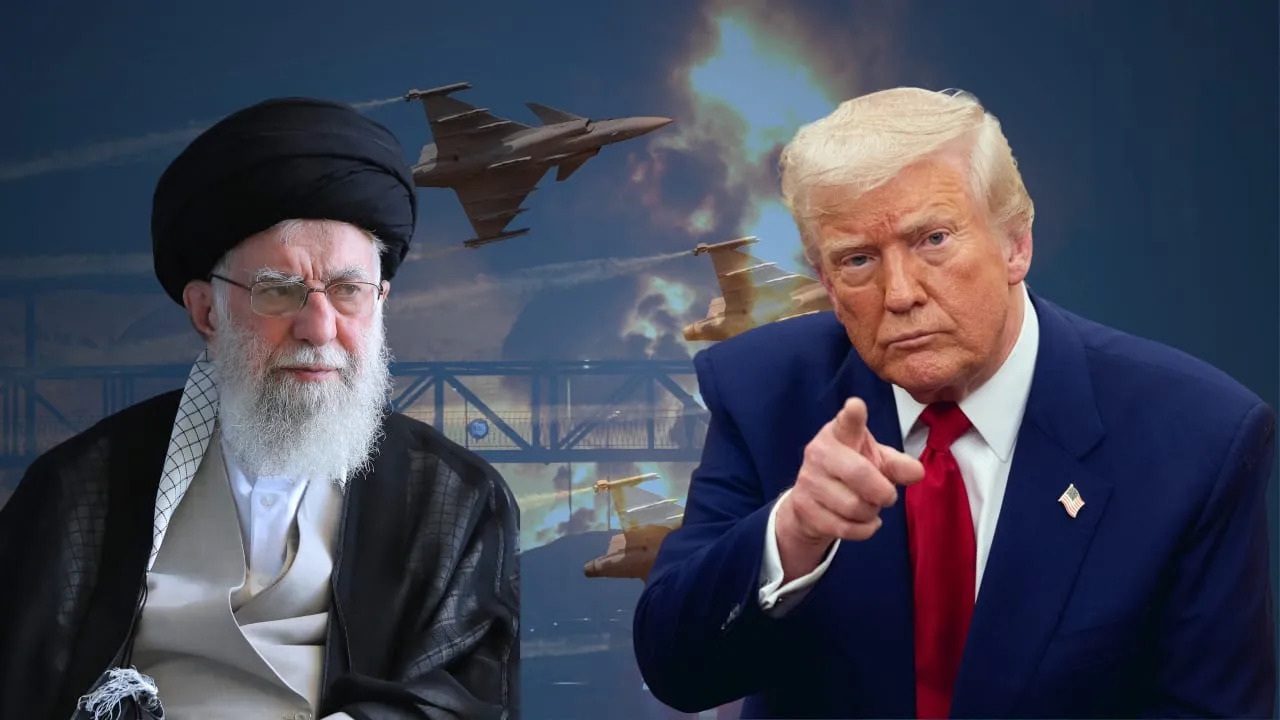
The ongoing US-Israel military campaign against Iran escalating in early 2026 with strikes, the reported killing of Supreme Leader Ayatollah Ali Khamenei, and Iranian retaliatory attacks on Gulf states and shipping has highlighted divisions across Africa.
Reactions vary sharply by region, reflecting longstanding geopolitical, economic, and ideological fault lines—much like splits seen in responses to Ukraine, Gaza, or broader Global South alignments. Horn of Africa Aligns with Anti-Iran StanceStates like Ethiopia, Kenya, Somalia, and Somaliland have condemned Iran’s actions and retaliatory strikes.
This stems from pragmatic calculations: Heavy reliance on remittances from millions of migrant workers in Gulf states especially Saudi Arabia and the UAE. Economic ties to Gulf monarchies and broader US and Israeli-aligned networks. Strategic positioning along the Red Sea, where Gulf rivalries (Saudi/Egypt/Turkey vs. UAE/Israel axes) already overlay local conflicts like Sudan’s civil war or Ethiopia-Eritrea tensions.
These countries appear to bet on the US-Israel side prevailing, prioritizing stability for remittances and trade over ideological solidarity. South Africa under President Ramaphosa has invoked the UN Charter, criticizing unilateral strikes without Security Council mandate or clear justification.
Register for Tekedia Mini-MBA edition 20 (June 8 – Sept 5, 2026).
Register for Tekedia AI in Business Masterclass.
Join Tekedia Capital Syndicate and co-invest in great global startups.
Register for Tekedia AI Lab.
Senegal echoed this, with its leadership calling such actions “extremely serious” violations of sovereignty. These positions align with BRICS ties; South Africa remains linked to Iran via the group, a tradition of non-alignment, anti-imperial rhetoric, and emphasis on multilateralism.
Countries like Nigeria, Ghana, and broader ECOWAS members have urged de-escalation and dialogue without assigning blame. The African Union has similarly warned of risks to global energy markets, food security, and African economies—without strong alignment.
This cautious approach reflects: Economic vulnerabilities; rising oil prices, disrupted shipping via Suez and Red Sea rerouting around the Cape. Domestic priorities amid insurgencies or debt pressures.
Avoidance of entanglement in distant conflicts.

Africa’s lack of a unified position—54 countries, often 54 nuanced or absent stances—mirrors recurring patterns in global crises. Divisions track familiar axes: Economic dependence on Gulf/US spheres (Horn/parts of East Africa). Ideological/multipolar leanings.
Security spillovers — fears of Iranian proxies or opportunistic attacks in fragile zones like the Sahel where Iran has built ties with juntas in Mali, Burkina Faso, Niger or Horn bases (e.g., US facility in Djibouti as a potential target).
The war exacerbates Red Sea and Horn proxy dynamics, potentially accelerating or complicating conflicts in Sudan, Somalia, or Ethiopia. In short, the conflict exposes and widens Africa’s existing geopolitical fractures rather than creating new ones. Economic self-interest, migration and remittance flows, and great-power alignments dictate responses more than pan-African solidarity or principle.
The continent watches warily, bracing for indirect hits like higher energy costs, trade disruptions, and possible security ripple effects—while its voices remain fragmented. Russia’s stance on the ongoing US-Israel military campaign against Iran is one of strong rhetorical condemnation of the US and Israel, coupled with calls for de-escalation and diplomacy.

While avoiding any direct military involvement or significant escalation on Iran’s behalf. The Russian Foreign Ministry has repeatedly described the US-Israeli strikes as a “premeditated and unprovoked act of armed aggression” against a sovereign UN member state, violating international law, the UN Charter, and norms against interference in internal affairs.
Statements accuse Washington and Tel Aviv of using fabricated pretexts; Iran’s nuclear program, which Russia claims shows no evidence of active weaponization to pursue regime change. They criticize the attacks for occurring under the “cover” of recent diplomatic negotiations, portraying this as deceptive and hypocritical.
Echoing broader Kremlin narratives about Western “double standards” similar to accusations in Ukraine. Russian officials, including Foreign Minister Sergey Lavrov, have warned that the conflict risks broader instability, including nuclear proliferation ironically, by pushing Iran or Arab states toward weapons, humanitarian crises, economic shocks, and attacks on Gulf states’ infrastructure.
They express regret over Iranian retaliatory strikes causing casualties and damage in Arab countries. President Vladimir Putin has been relatively restrained in public but expressed “deepest condolences” to Iranian President Masoud Pezeshkian over Khamenei’s “cynical assassination,” calling it a violation of human morality and international law.
He has positioned Russia as a potential mediator, holding calls with Gulf leaders to relay concerns about Iran’s actions and urge restraint. Despite close ties with Iran, Russia has not entered the conflict militarily—no troops, major new weapons deliveries, or direct confrontation with the US and Israel.
Analysts note this reflects: Russia’s heavy commitment to its war in Ukraine, limiting bandwidth and resources. Desire to avoid direct escalation with the US especially amid any Ukraine-related talks or de-escalation efforts. Calculations to preserve relations with Gulf states; key for oil, trade, and balancing regional influence and even Israel in some contexts.
Reports indicate limited, covert assistance, such as providing intelligence on US military positions (troops, ships, aircraft) to help Iran target or avoid strikes—though this remains unconfirmed officially and appears low-level rather than game-changing. Russian state media and pro-Kremlin voices amplify harsher rhetoric but the Kremlin itself prioritizes “strategic hedging”: condemning verbally, offering mediation, benefiting from higher oil prices/energy disruptions (boosting Russia’s economy), and using the crisis to deflect criticism of its own actions in Ukraine.
Russia stands firmly with Iran diplomatically and rhetorically—portraying the US/Israel as aggressors destabilizing the world—but stops short of material commitment that could draw it into a wider war. Moscow watches warily, focusing on its core interests while Iran fights largely isolated, with only China offering similar verbal solidarity.