

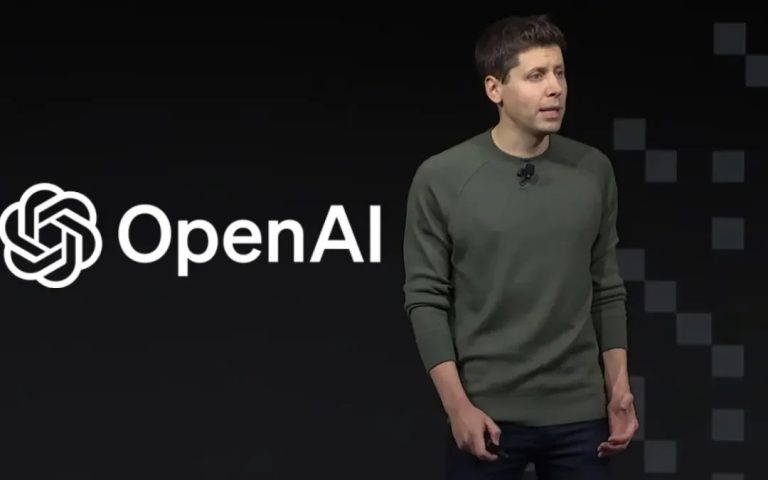
OpenAI spent an extraordinary $34 billion in 2025 as it raced to maintain its lead in artificial intelligence, underscoring the staggering costs required to compete at the frontier of the industry’s rapidly escalating arms race.
The spending, reported by the Financial Times, offers one of the clearest pictures yet of the economics underpinning the AI boom and highlights the challenge investors will face as they evaluate what could become one of the largest technology initial public offerings in history.
The company behind ChatGPT reportedly spent approximately $19 billion on research and development alone, while sales and marketing costs approached $6 billion. The remainder went toward infrastructure, operations, and the growing expenses associated with serving hundreds of millions of users worldwide.
Register for the next Tekedia Mini-MBA.
Register for Tekedia AI in Business Masterclass.
Join Tekedia Capital Syndicate and co-invest in great global startups.
OpenAI’s expenditure surge comes as competition among leading AI developers has intensified dramatically. The company is locked in a high-stakes race with rivals such as Anthropic, Google DeepMind, Meta Platforms, and xAI, all of which are investing tens of billions of dollars annually in model development, specialized chips, and data-center infrastructure.
Training increasingly sophisticated AI systems requires enormous computing resources, pushing companies to build or lease vast networks of advanced processors, storage systems, and power-hungry data centers.
For OpenAI, maintaining leadership in large language models has required sustained investment not only in research but also in the infrastructure needed to deploy those models at a global scale. The spending also reflects the company’s effort to defend its position as competition intensifies ahead of public listings by several major AI firms.

Despite its mounting expenses, OpenAI’s business continues to expand rapidly. The company reportedly generated approximately $13 billion in revenue during 2025, reflecting strong demand for ChatGPT subscriptions, enterprise AI products, and developer services.
Yet that growth was dwarfed by spending. According to the report, OpenAI posted a net loss of roughly $39 billion for the year, highlighting the enormous gap between current revenues and the costs of building frontier AI systems. The figures are likely to attract close scrutiny from prospective investors as the company prepares for its anticipated stock market debut.
While many investors remain optimistic about the long-term potential of AI, questions are being raised about how quickly leading developers can convert technological leadership into sustainable profitability.

IPO Preparations Bring Renewed Focus On Efficiency
The scale of OpenAI’s losses is reportedly prompting management to reassess spending priorities as preparations for an IPO accelerate. The company has begun focusing more heavily on operational efficiency and cost discipline, a shift that mirrors broader changes occurring across the technology sector.
Investors have become increasingly sensitive to profitability concerns after several years of aggressive spending on AI infrastructure by major technology firms. Recent reactions to earnings reports from companies such as Microsoft and Oracle demonstrate growing investor scrutiny of AI-related capital expenditures and their impact on margins.
Thus, balancing cost controls with continued innovation has presented a delicate challenge for OpenAI. Cutting spending too aggressively could undermine its technological lead, while maintaining the current pace risks raising concerns about long-term profitability.
The company is also facing a more competitive marketplace than it did during ChatGPT’s early years. Anthropic’s recent release of Claude Fable 5, Meta’s continued investment in open-source models, and rapid advances from Chinese AI developers are increasing pressure on pricing across the industry.
Reports last week suggested OpenAI is preparing significant price reductions for some services in an effort to attract customers and defend market share.
As more capable models become available, customers are weighing performance against cost, forcing AI companies to compete not only on technological capability but also on economics.
One consequence of OpenAI’s efficiency drive has been a reassessment of projects that do not directly support its core AI strategy. The company reportedly scaled back investment in several non-core initiatives during late 2025 and early 2026, including work related to Sora, its video-generation platform. The decision suggests management is prioritizing resources toward products and services with the greatest potential to drive revenue growth and support its IPO narrative.
OpenAI’s financial profile offers a glimpse into the broader economics of frontier AI development. The company remains one of the fastest-growing technology businesses in the world, yet it is also among the most capital-intensive. Its spending reflects an industry-wide belief that artificial intelligence could become as transformative as the internet itself. However, it also raises important questions about how long investors will tolerate massive losses in pursuit of future dominance.
With OpenAI, Anthropic, and several other AI leaders preparing for public market scrutiny, investors are about to get their first major opportunity to decide whether technological leadership alone justifies valuations approaching or exceeding $1 trillion. The answer could shape not only OpenAI’s future but also the next phase of investment across the global AI industry.