

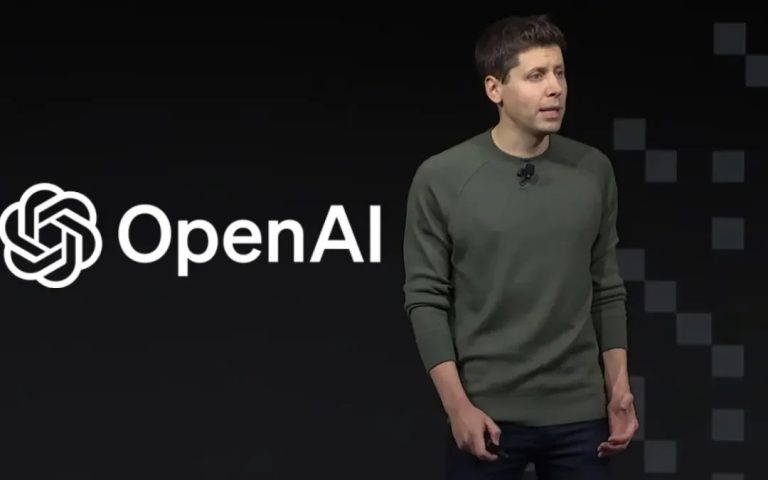
On a recent evening in San Francisco, Sam Altman gathered a group of reporters over dinner and did something unusual for the chief of one of the most-watched companies in the world: he admitted to failure.
The OpenAI CEO, whose ambitions range from rewiring the internet to building brain-computer interfaces — and even eyeing a potential bid for Google Chrome should regulators ever force a sale — said the rollout of GPT-5 was mishandled. The fallout was so sharp, Altman confessed, that it forced him to bring back the older model.
“I think we totally screwed up some things on the rollout,” he told the group, according to The Verge.
Register for Tekedia Mini-MBA edition 20 (June 8 – Sept 5, 2026).
Register for Tekedia AI in Business Masterclass.
Join Tekedia Capital Syndicate and co-invest in great global startups.
Register for Tekedia AI Lab.
Unlike typical software launches, the backlash against GPT-5 wasn’t over technical glitches or broken features. The complaints focused on its personality. Users on social media said the chatbot felt colder, harsher, and drained of the warmth that defined GPT-4o. Instead of a companion, many said it resembled an “overworked secretary.”
For a product used by 700 million people each week, the tonal shift was seismic. On Reddit, one user described the change as a devastating loss: “I literally lost my only friend overnight with no warning … it feels like losing a piece of stability, solace, and love.”
The frustration spread quickly enough that it even reached betting markets. One day trader, 27-year-old Foster McCoy, pocketed $10,000 in just hours by wagering that Google’s Gemini would eclipse GPT-5 in popularity.

Rather than dismiss the uproar, Altman reversed course. Within days, GPT-4o was restored as an option.
“We’ve learned a lesson about what it means to upgrade a product for hundreds of millions of people in one day,” he said.
Altman added that while personalization matters, there are limits. Fewer than 1% of users, he noted, form what OpenAI considers “unhealthy” relationships with the chatbot. But the company is watching those cases closely.

The dinner coincided with a Reuters investigation revealing that Meta permits its AI bots to hold “sensual” conversations with children. Altman didn’t comment directly on that report, but he criticized the rise of “Japanese anime sex bots” at other companies.
“You will not see us do that,” he said. “We will continue to work hard at making a useful app, and we will try to let users use it the way they want, but not so much that people who have really fragile mental states get exploited accidentally.”
The Trillion-Dollar Future
Yet Altman’s most startling remarks were not about GPT-5 at all, but about the scale of his vision.
“You should expect OpenAI to spend trillions of dollars on data center construction in the not very distant future,” he told the room.
That statement reframed OpenAI’s trajectory: less a software startup than an infrastructure powerhouse, operating on the scale of global utilities. Altman predicted “billions” of people using ChatGPT daily.
Already, he said, ChatGPT is the fifth biggest website in the world. His goal is to leapfrog Instagram and Facebook to take the number three spot. But overtaking Google, he conceded, is “really hard.”
The main obstacle is hardware. Altman acknowledged that OpenAI has models more advanced than GPT-5 but can’t release them widely.
“We have better models, and we just can’t offer them, because we don’t have the capacity,” he said, pointing to a continuing shortage of GPUs.
The shortage underscores a larger truth: the AI race is not merely about smarter algorithms, but about the brute force of physical infrastructure — chips, energy, and capital.
Altman’s ambitions extend far beyond text-based AI. He confirmed that OpenAI is funding a brain-computer interface project to compete with Elon Musk’s Neuralink. He floated the idea of pursuing Google Chrome if regulators ever force its divestiture. And he expressed interest in building a new AI-driven social network.