DD
MM
YYYY

PAGES

DD
MM
YYYY

spot_img

PAGES

Home Blog Page 1002

The Movement of 80,000 BTC By An Ancient Bitcoin Whale Has Significant Implications

0

An ancient Bitcoin whale, dormant for 14 years, recently transferred 80,000 BTC—valued at approximately $8.6 billion—across eight wallets, each moving 10,000 BTC to new SegWit addresses (from legacy “1-” to modern “bc1q-” formats). This event, reported on July 4, 2025, sparked speculation about the motive, with some suspecting a hack due to a prior Bitcoin Cash (BCH) test transaction noted by Coinbase’s Conor Grogan, suggesting possible private key compromise.

However, Arkham Intelligence, supported by multiple sources, indicates no evidence of selling or mixer use, suggesting the transfers were likely for a wallet security upgrade to enhance efficiency and reduce fees. The funds, originally mined in 2011 when Bitcoin traded between $0.78 and $3.37, remain untouched in the new wallets, and Bitcoin’s price showed minimal disruption, dipping 2% from $110,000 to $107,600.

Additionally, Ledger CTO Charles Guillemet noted that OP_RETURN messages claiming legal possession were sent to the wallets before the transfers, possibly prompting the owner to move funds preemptively. Speculation about the whale’s identity includes early Bitcoin investor Roger Ver, though this remains unconfirmed. The transfer’s scale, representing a 13 million percent return on the initial investment, underscores its significance, but no immediate market impact suggests a technical move rather than a sell-off.

Bitcoin also hit an all-time high weekly close, trading above $108,000, with some sources citing $110,000 as a recent peak. This resilience indicates strong market confidence despite the whale’s activity. The transfer of $8.6 billion in BTC did not cause significant price volatility, with Bitcoin trading steadily at $108,000–$109,000, slightly below its all-time high weekly close of $111,814. This suggests strong market absorption, likely due to institutional demand (e.g., 131,000 BTC held by public companies and 111,000 BTC in ETF inflows in Q2 2025).

If the whale decides to sell, the sheer volume (80,000 BTC) could flood the market, potentially triggering a sell-off. This is a concern given the trend of early holders selling into ETF-driven demand, as noted by 10x Research. However, no exchange transfers have occurred, reducing immediate fears. The possibility of a hack, raised by Coinbase’s Conor Grogan, highlights vulnerabilities in dormant wallets. A single Bitcoin Cash test transaction before the BTC movement could indicate private key compromise, though no evidence confirms this. If true, it would be the largest crypto theft ever, shaking trust in wallet security.

Ledger CTO Charles Guillemet noted OP_RETURN messages sent to multiple dormant wallets, including these, claiming legal possession. This could signal attempts to exploit inactive addresses, prompting owners to secure funds or upgrade addresses, as Arkham suggests. Arkham’s theory that the whale moved funds to SegWit “bc1q-” addresses for better security and lower fees reflects Bitcoin’s ongoing adoption of modern standards. This could encourage other dormant holders to upgrade, improving network efficiency but also increasing on-chain activity that might be mistaken for selling.

The movement of such a large sum from a 14-year-old wallet fuels speculation about early Bitcoin adopters (e.g., Roger Ver or early miners) and their intentions. It reinforces Bitcoin’s narrative as a store of value, with unrealized gains from $0.78–$3.37 per BTC in 2011 to $108,000 today, but also stokes fear of massive dumps by early holders. The OP_RETURN messages claiming legal possession raise questions about how dormant assets are treated under law. If linked to figures like Roger Ver, recently released from prison, regulatory scrutiny on early Bitcoin holders could intensify, especially if funds are moved to exchanges.

Arkham Intelligence and parts of the community believe this is a routine address upgrade. The shift to SegWit addresses aligns with Bitcoin’s technical evolution, reducing fees and improving security. No exchange transfers, stable market prices, and the use of modern “bc1q-” addresses support this view. The lack of selling pressure suggests the whale is securing, not liquidating, assets. This camp sees the event as bullish, showcasing Bitcoin’s resilience and the prudence of long-term holders adapting to modern standards.

Coinbase’s Conor Grogan and others wary of hacks point to the BCH test transaction and OP_RETURN messages as red flags. The timing, after years of dormancy, and the scale of the transfer fuel suspicions of foul play or a prelude to selling. The BCH transaction could indicate private key testing, and OP_RETURN messages targeting dormant wallets suggest external attempts to claim or provoke movement. Speculation about Roger Ver or other early adopters adds to fears of a potential dump. This camp views the event as a potential threat, either from a hack undermining security or a whale preparing to sell, which could crash prices given the 80,000 BTC’s market weight.

The lack of exchange activity and stable prices lean toward Arkham’s address upgrade theory, but the hack concerns can’t be dismissed without further transparency (e.g., confirmation from the wallet owner). The community’s split reflects broader tensions in crypto: optimism about Bitcoin’s growth versus fears of vulnerabilities and market manipulation.


Nigerians’ Trust in Banks For Savings Outpaces That of Fintech Apps – Report

0

Despite the growing popularity of digital financial services across the country, a new survey reveals that traditional banks remain the most trusted channel for saving money among Nigerians.

The report, based on responses from over 1,100 participants aged 18 to 44, shows that while fintech apps are gaining traction, especially among younger users, a majority of Nigerians still prefer to save money in traditional bank accounts.

The data revealed that traditional banks remain the most trusted channel for saving, with 79.3% of respondents using bank accounts. Fintech platforms are used by 23.4% of respondents, while 10.8% rely on informal methods like storing cash at home or using community saving groups. This blend of preferences shows that while digital finance is on the rise, traditional and accessible methods still dominate in many communities.

This is in line with a McKinsey report that noted that among Nigerians, 67% still trust their bank more than a Fintech provider. It is understood that Fintech platforms are widely used by Nigerians for payments and transfers, but are not seen as secure repositories for long-term savings.

As Fintech apps gain traction, the use of financial apps is now widespread, with 35.6% of Nigerians using two apps, 29.4% using one, and 20.9% using three. Only 3.1% said they do not use any financial apps at all, signaling strong digital adoption, even if usage remains relatively basic for some.

The top apps used are mobile-first platforms, led by Opay at 63.9%, followed by Palmpay (15.3%), Kuda (9.75%), and Moniepoint (6.53%). Traditional banking apps and dedicated savings platforms like PiggyVest, UBA Mobile, and Cowrywise each held less than 3% of the share. The data also reflects a regional skew, with higher participation from northern states potentially influencing platform popularity.

When asked about their preferences for financial tools, a significant 75.2% of respondents expressed interest in having a centralized dashboard that shows all their financial activity in one place. Only 11.6% were not interested, suggesting that many Nigerians feel overwhelmed managing multiple financial platforms and would welcome integrated solutions.

In terms of features, automatic savings topped the list at 65.7%, followed by interest in locked savings (20.6%), budget planning (18.4%), and expense tracking (15.9%). Reminders (20%) and group saving (7.7%) also garnered interest, but automation and simplicity were clear priorities. Tools that reduce the need for daily decision-making while helping users stay financially disciplined are particularly appealing.

The survey also shows a growing commitment to financial planning. About 69% of respondents set a monthly savings target, and 68% said they maintain a personal budget or expense plan. Only 9.1% were uncertain about whether they budget, indicating an increasing awareness of the need for structured money management.

When asked about their ability to meet savings goals, 35.3% said they had reached a target in the last month, while 29.3% did so within three months. However, 9.8% reported never hitting a savings goal, underscoring the challenges many still face in staying financially consistent.

As for the motivations behind saving, 53.2% cited emergency preparedness as their main reason, while 28.9% were saving for specific goals such as education, travel, or business ventures. A smaller group, 9.5%, said they were building a general safety net, and 4.2% admitted to saving without a clear reason, pointing to a cultural or habitual approach to saving.

Conclusion

This survey paints a picture of a financially aware and digitally engaged Nigerian population striving for better money management amid economic pressure.

While traditional methods still have a strong hold, digital financial tools are increasingly becoming part of everyday life. The demand for user-friendly, automated solutions and centralized financial management platforms presents a clear opportunity for fintech innovation tailored to the realities of the Nigerian market.

Starlink Launches in Chad, Expanding Satellite Internet to 24 African Markets

0

Elon Musk-owned satellite internet service Starlink has launched operations in Chad, marking a significant milestone in the company’s mission to bridge Africa’s digital divide.

Announced on X, the company wrote,

“Starlink’s high-speed internet is now available in Chad, marking the 24th country, territory, or market in Africa where Starlink is available”.

The launch of Starlink in Chad, comes after the internet service, secured license approval last year, to boost the country’s digital connectivity with satellite internet.

Chad, a vast landlocked nation in Central Africa, has one of the world’s lowest rates of internet connectivity. As of early 2025, only about 13% of Chadians use the internet, compared to a global average of around 60%. This means roughly 7 out of 8 Chadians have no internet access at all. Most online users are concentrated in the capital N’Djamena and a few major towns.

This is shockingly low as roughly 87% of Chadians still lack internet access, one of the highest offline populations in the world. Starlink entry into Chad is expected to provide a substantial boost to the nation’s digital infrastructure, facilitating the digitalization of public services and fostering the growth of tech startups.

Starlink’s use of over 7,000 low-Earth orbit (LEO) satellites differentiates it from traditional satellite internet providers like HughesNet and Viasat, which typically offer speeds of 100–150 Mbps. This technical edge enables Starlink to deliver more reliable and higher-performance internet, particularly in rural and underserved areas.

In a country like Chad, where laying fiber-optic infrastructure can cost over $30,000 per mile, Starlink presents a cost-effective, scalable alternative. Its satellite-based approach bypasses the financial and logistical hurdles of ground infrastructure, opening new possibilities for connectivity in remote communities.

Starlink launch in Chad, comes after it launched operation in Lesotho last month, to revolutionize internet connectivity in the country. The launch comes after the internet service provider was granted a 10-year operating license by the country’s communications regulator on April 14, 2025.

As Starlink continues its rapid rollout across Africa, the launch in Chad stands out not just as another market expansion, but as a symbolic milestone in the broader quest to democratize internet access across the continent. With its presence in 24 African countries, Starlink is aggressively cementing its presence in Africa. The satellite high-speed internet (median download speeds of 40–106 Mbps in African countries) outperforms many terrestrial ISPs, offering a competitive alternative for businesses and individuals.

Its affordability in some markets cheaper than leading ISPs in at least five countries like Ghana, Kenya, and Zimbabwe, have challenged traditional telecoms to lower prices and improve services. But while the promise is great, challenges remain. Affordability will be a key determinant of adoption.

While $25 per month may be accessible for middle-income earners in urban areas, it could still be out of reach for rural populations surviving on less than $2 a day. If Starlink navigates regulatory landscapes and fosters local partnerships, its impact could reshape Africa’s digital future.

As Africa stands at the cusp of a digital transformation, satellite internet could very well be the key that unlocks the potential of its 1.3 billion residents—fueling a new era of innovation, inclusion, and growth.

The Basic Unit of Business [Podcast]

0

This lecture presents a compelling argument for trust as the foundational and most basic unit of any business endeavour. Drawing a clear analogy to the biological cell, it explains how trust underpins all business operations, from the initial handshake of a transaction to the ongoing relationship with customers, suppliers, employees, investors, and even government regulators.

Businesses are seen as organic systems designed to solve societal problems by connecting demand with supply. However, this connection, and indeed the very existence and efficiency of a business, hinges entirely on the presence and maintenance of trust. The absence or loss of trust is depicted as a fatal blow, leading to the demise of the business, much like the death of an organism when its cells fail. The lecture emphasizes that building and nurturing trust across all stakeholder relationships is not merely a desirable trait but an absolute prerequisite for a company’s sustainability, competitiveness, and capacity to deliver value.

The video is available at Blucera but you can read the Tekedia AI Companion summary here.

About Tekedia Daily

To read our short introduction of Tekedia Daily – podcasting revelations on business, click here.

How To Listen to Tekedia Daily

At Blucera, home of Blucera WinGPT (AI personal educator and coach), eVault Legal Custodial services (store vital personal, family and business documents securely), business tools to grow enterprises, and global archives of Tekedia courses and libraries, Ndubuisi Ekekwe podcasts every week day. Some Tekedia Institute programs offer bonus access to Tekedia Daily or one can register at Blucera for the podcast.

Nigeria Fines Multichoice N766.2m for Breaching Data Privacy Law in Landmark Enforcement Action

0

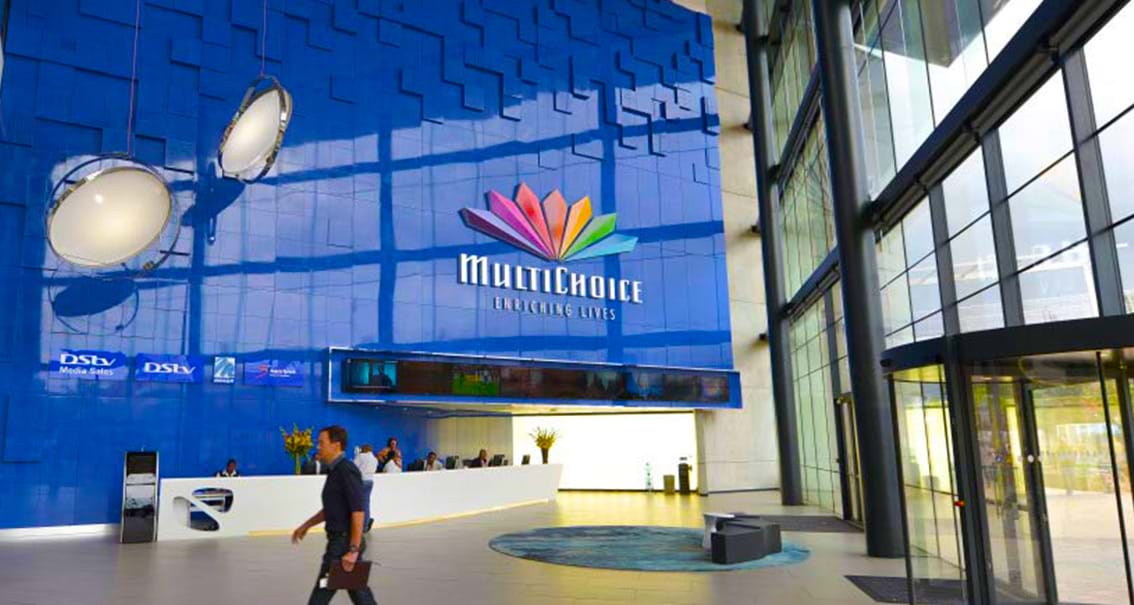
Multichoice Nigeria has been fined N766.2 million by the Nigeria Data Protection Commission (NDPC) for violating the Nigeria Data Protection Act (NDP Act) in what is now the most significant enforcement action since the law came into force in 2023.

The development comes as the satellite television operator grapples with a sharp decline in revenue, subscriber numbers, and mounting regulatory scrutiny.

According to the NDPC, Multichoice was found guilty of violating the data privacy rights of Nigerian subscribers and illegally transferring personal data across borders without proper authorization. The commission said the satellite TV provider’s data collection practices were “patently intrusive, unfair, unnecessary and disproportionate,” particularly impacting not just customers, but their contacts who had not consented to any form of data processing.

“This is a grave affront to the fundamental right to privacy as enshrined in Section 37 of the 1999 Constitution,” said Babatunde Bamigboye, Head of Legal, Enforcement & Regulations at the NDPC, in a statement issued Sunday.

The agency also noted that the remediation measures initially proposed by Multichoice were unsatisfactory, and the company failed to demonstrate the willingness or ability to align its operations with Nigeria’s data privacy laws.

“For want of cooperation, the Commission has directed Multichoice to pay N766,242,500 for violating the Nigeria Data Protection Act,” it said.

In addition, NDPC has ordered an investigation into all outlets and third-party agents through which Multichoice collects Nigerian citizens’ data. Any found guilty of similar violations may face further penalties.

Financial Headwinds and Subscriber Decline

It is a precarious time for Multichoice, which has been battling steep revenue losses and a shrinking subscriber base, especially in its largest market—Nigeria.

According to its most recent financial report, Nigeria accounted for 77% of the total 1.8 million subscribers lost across its Rest of Africa (RoA) operations. The RoA subscriber base dropped from 9.3 million in 2023 to 7.5 million in 2025. In 2024, Multichoice’s RoA subscriber base fell by 1.2 million—from 9.3 million to 8.1 million—a 13% drop.

“Inflation across key markets remained high (around 20% on a weighted average basis, above 30% in Nigeria and Angola) and caused pressure on customer spending,” Multichoice wrote in its report.

These losses forced Multichoice to cut costs, reduce local content budgets, and shelve plans to expand aggressively in Nigeria and other West African markets.

With subscriber revenue already dwindling and mounting foreign exchange losses, analysts believe the N766.2 million fine could further strain Multichoice’s operations in Nigeria.

In practical terms, the penalty could force Multichoice to scale down operations, renegotiate compliance contracts, or even reconsider its pricing structure to offset liabilities. Given that Nigeria remains its largest single market, any disruptions in regulatory approval or data processing rights could directly impact the company’s bottom line.

Broader Regulatory Wave in Nigeria

The fine also signals a shift in how Nigerian authorities are tightening oversight over digital operators and enforcing data sovereignty.

NDPC’s National Commissioner, Dr. Vincent Olatunji, said the agency had until now pursued a remediation-first approach to ensure business sustainability. However, failure to cooperate leaves the Commission no choice but to impose sanctions.

“Usually, when we investigate and find a breach, if they are ready to comply with the law, what is the point of making noise? It’s only when an organization is unwilling to comply that we are forced to impose sanctions,” Olatunji told Nairametrics in a previous interview.

However, NDPC says it is mindful of not discouraging investments in the Nigerian economy, especially in tech and telecoms. Still, data protection, sovereignty, and user rights will remain central to Nigeria’s regulatory priorities from now on.

Multichoice Nigeria has yet to publicly respond to the fine. It is unclear whether the company will appeal the decision or enter fresh negotiations with the Commission. However, failure to act swiftly could expose it to further legal and regulatory liabilities, including a suspension of its right to process personal data in Nigeria.

Nevertheless, a bold message being passed by Nigeria’s data watchdog is that compliance with its data protection framework is no longer optional—and companies that fail to get in line may pay dearly.