
DD
MM
YYYY

PAGES

DD
MM
YYYY

spot_img

PAGES

Home Blog Page 1083

Free Zone vs Mainland in Dubai: Why Choosing Wrong Could Stall Your Growth

0

Choosing where to set up your business in Dubai isn’t just a paperwork task. It shapes how fast you grow, who you can serve, and what rules you follow. Pick wrong, and you might spend more, reach fewer customers, or hit a dead end you didn’t see coming.

Let’s break down the real difference between Free Zone vs Mainland setups—and what each means for your future.

What Is a Free Zone?

A Free Zone is a special area where you can start and run a business with full foreign ownership. You don’t need a local partner. These zones are built to attract international investors. Each Free Zone has its own authority and rules.

You can choose from over 40 Free Zones in the UAE. Some are made for tech companies. Others are better for trade, media, or services. Most let you work from a flexi desk or small office. Some allow full remote operations.

But here’s the catch—Free Zone companies can’t trade directly inside the UAE without a local distributor or agent. You can sell online or ship globally, but not operate freely in the local market. To better understand the legal and operational impact of each setup, read GCG Structuring’s full guide on Free Zone vs Mainland in Dubai.

What Is a Mainland Company?

A Mainland company is licensed by Dubai’s Department of Economy and Tourism (DET). It gives you access to the full UAE market. You can trade locally without needing a middleman. You can bid on government contracts. You can open branches across the country.

In most sectors, you also get 100% foreign ownership now. You don’t need a local sponsor anymore, though it’s still required in a few fields like oil and gas.

To set up, you need a physical office—at least 200 square feet. Visa allowances depend on your space. So do some tax and compliance rules.

Why Choosing Wrong Can Hurt Your Business

1. You Might Not Reach Your Market

Say you open a Free Zone business but want to sell in Dubai malls or work with UAE clients face to face. You can’t do that directly. You’d need to hire a local agent, which adds cost and limits control.

If your core market is inside the UAE, you need a Mainland license. Free Zones are best when you sell online, export goods, or serve overseas clients.

2. You Could Get Stuck on Space and Visas

Free Zones have visa caps. Some allow 2–3 visas with a flexi desk. If your team grows, you’ll need to lease more space or restructure.

Mainland companies give you more visa flexibility, tied to the size of your office. If you plan to hire locally, mainland may be the smarter long-term choice.

3. Costs Can Surprise You Later

Free Zones seem cheaper upfront. But if you need a local distributor, pay for import permits, or expand office space, costs can add up fast.

Mainland setups may cost more at the start, but give you direct control, better reach, and fewer middlemen. Over time, it may be the more cost-efficient route.

4. You May Limit Future Growth

Some government contracts, tenders, and licensing options are only open to Mainland companies. If you plan to work with local authorities or scale into regulated fields, Free Zones may hold you back.

On the other hand, if you want a simple export-focused company, Free Zones are perfect. Just make sure your long-term goals match the setup.

Who Should Choose Free Zone?

  • Solo consultants and freelancers
  • E-commerce or digital service providers
  • Import/export businesses focused outside the UAE
  • Companies that want to test the UAE market before scaling

Who Should Choose Mainland?

  • Retail, real estate, or food businesses
  • Local service providers (marketing, legal, logistics)
  • Anyone targeting customers inside the UAE
  • Firms planning to scale, hire locally, or open branches

Still Not Sure?

Start by asking yourself:

  • Where are my customers?
  • Do I need a local office?
  • How fast will my team grow?
  • Do I want access to UAE tenders or contracts?
  • Is remote operation enough for now?

If you’re unclear, don’t guess. The setup you choose now affects how you operate tomorrow.

Final Word

Both Free Zone and Mainland options have their place. Neither is better by default. But one is better for you—based on your activity, market, and goals.

Choosing the wrong setup might not ruin your business. But it could slow your growth, shrink your market, or pile on costs you didn’t plan for.

Start smart. Ask the right questions. And if you need help, talk to someone who’s done this before.
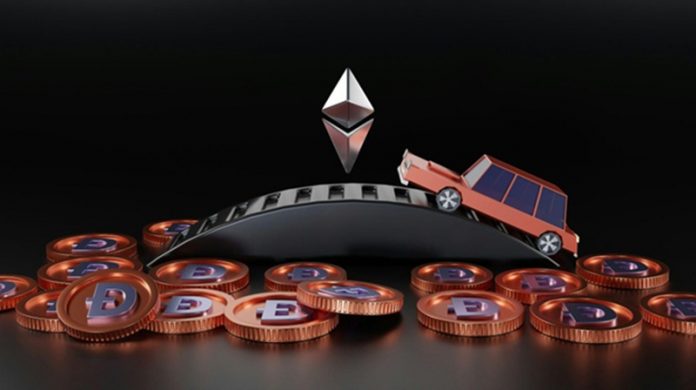
Unlocking Value: How Crypto Loans Are Reshaping Access to Capital

0

As digital assets become a core part of modern portfolios, new mechanisms for accessing capital have emerged. Among the most prominent are crypto loans — secured lending arrangements that allow individuals to borrow against their cryptocurrency holdings without liquidating them. Whether you’re holding Bitcoin, Ethereum, or stablecoins, these loans offer a way to preserve market exposure while unlocking liquidity.

Understanding Crypto Loans

A crypto loan is a type of loan where a user deposits digital assets as collateral and receives a loan in another cryptocurrency, typically in stablecoins such as USDT or USDC. Once the loan is repaid, the collateral is returned to the borrower.

Key features include:

  • Collateralized structure — usually overcollateralized to mitigate volatility
  • No credit checks — access is based on asset value, not credit history
  • Fast processing — some platforms offer instant approval and funding
  • Flexible repayment terms — often without strict repayment schedules

This structure makes crypto loans accessible, efficient, and particularly appealing in volatile markets where timing liquidity matters.

The Bitcoin Loan: A Popular Use Case

Among various digital assets, Bitcoin is one of the most commonly used for collateralized lending. A Bitcoin loan works like any other crypto loan: the borrower locks up BTC as collateral and receives a loan amount based on its value.

Why Bitcoin? It’s often chosen because of:

  • High liquidity: Bitcoin is widely accepted across lending platforms
  • Store-of-value status: Many holders view it as long-term capital, not for spending
  • Market depth: Easier to manage liquidation and risk exposure compared to altcoins.

For example, someone holding Bitcoin from early investment may not want to sell during a temporary market dip. Taking a Bitcoin loan provides liquidity today — while maintaining upside potential for tomorrow.

Benefits of Crypto Loans

The advantages of crypto loans make them attractive not just to retail users, but also to businesses, crypto funds, and institutional players:

  • Avoid selling crypto during unfavorable market conditions
  • Preserve long-term investment thesis while covering short-term needs
  • Access capital quickly without going through traditional financial institutions
  • Tax efficiency in jurisdictions where borrowing is not considered a taxable event

These benefits are particularly valuable for those who are “long” on crypto and want to maintain exposure.

Risk Factors to Consider

While crypto loans offer flexibility, they are not risk-free:

  • Collateral volatility: A drop in asset value can trigger automatic liquidation
  • Platform risk: Security, transparency, and solvency of lending platforms vary
  • Interest and fees: Rates can fluctuate significantly depending on market conditions

Due diligence is essential: choosing reputable platforms and maintaining a safe loan-to-value (LTV) ratio can significantly reduce exposure.

Platforms Offering A Crypto Loan

Several platforms now offer both crypto loans, with varying terms and user experiences. Centralized services like CoinRabbit provide crypto loans with simple onboarding. Meanwhile, decentralized protocols such as Aave and MakerDAO offer more transparency and self-custody, but often require more technical familiarity.

Your choice depends on your priorities — whether it’s speed, control, interest rates, or jurisdictional compliance.

Conclusion

As digital assets become more than speculative instruments, crypto loans are gaining relevance as practical financial tools. They enable users to access liquidity, manage risk, and strategically deploy capital — all without selling the assets they believe in.

Yellow Card And Visa Partner to Advance Stablecoin Innovation in Emerging Markets

0

Yellow Card, the largest and first licensed Stablecoin on/off ramp on the African continent, has partnered with payments giant Visa, to drive innovation in cross-border payments and financial infrastructure across emerging markets.

This partnership will focus on exploring Stablecoin use cases to streamline treasury operations, enhance liquidity management, and enable faster, more cost-effective cross-border money movement.

Speaking on the partnership, Co-Founder and CEO of Yellow Card Chris Maurice said,

“Traditional payment companies continue to question not ‘if’ they need a stablecoin strategy, but how quickly they can deploy one. We are thrilled to partner with Visa to help realize the potential of stablecoins technology in emerging economies.” 

Also commenting, Godfrey Sullivan, Senior Vice President and Head of Product and Solution for CEMEA, Visa, said,

We’re excited to team up with Yellow Card to enable faster and more accessible digital payments. We believe that every institution that moves money will need a stablecoin strategy. As more players in the payments ecosystem explore this powerful new technology, Visa stands ready to help our partners navigate the transformation, bringing the scale, trust, and innovation needed to help build the next generation of global payments.”

Stablecoins have emerged as a transformative force in the financial industry, bridging the gap between traditional finance and the rapidly evolving world of digital assets.

Unlike volatile cryptocurrencies such as Bitcoin and Ethereum, stablecoins are designed to maintain a stable value by being pegged to traditional assets like fiat currencies (USD, EUR, etc.), commodities (gold, silver), or other financial instruments.

These digital currencies pegged to stable assets like the U.S. dollar, have seen significant adoption in Africa due to the continent’s economic challenges, including volatile local currencies, high inflation, and limited access to traditional banking. They account for 43-50% of Sub-Saharan Africa’s crypto transaction volume, surpassing Bitcoin and Ethereum. Nigeria alone saw over $30 billion in stablecoin transactions from June 2022 to July 2023.

It is worth noting that in many African countries, cross-border payments are slow and expensive, and accessing US dollars can be difficult. Stablecoins offer a potential workaround by allowing users to move dollar-equivalent value quickly and without going through correspondent banks.

Notably, Stablecoins are poised to dominate Africa’s crypto landscape, with experts predicting they could surpass traditional banking in daily transactions within a decade.

In Nigeria, Kenya, and Ghana, individuals and SMEs use stablecoins for savings and trade without needing bank accounts.

Visa’s collaboration with YellowCard, aims to scale stablecoin adoption for remittances and trade.

Operating in over 20 African countries, Yellow Card provides secure, compliant, and accessible stablecoin solutions for consumers, businesses, and developers, reinforcing its role as a vital financial gateway in emerging markets.

Yellow Card, which is licensed in more than 20 African countries, will help Visa test how stablecoins can be practically applied in real business settings. Visa on the other hand, Visa will integrate stablecoins into its existing infrastructure like Visa Direct, a product that supports real-time global transfers.

The Yellow Card and Visa partnership is a significant step toward mainstreaming stablecoin innovation in emerging markets. By combining Visa’s global infrastructure with Yellow Card’s regional expertise, the collaboration could reduce transaction costs, enhance financial inclusion, and drive economic growth, particularly in Africa.

The initiative positions Africa as a leader in the global stablecoin ecosystem, with potential ripple effects for other emerging markets.

Implications of Bitcoin Stability at $105,000 Despite Global Market Tension

0

Bitcoin’s resilience at $105,000, despite the Israel-Iran conflict and steady Fed rates, signals strong market confidence. Holding above $100,000 for 42 days suggests robust demand and reduced sensitivity to geopolitical risks, unlike traditional risk assets.

Bitcoin’s ability to hold above $100,000 for 42 days, despite geopolitical tensions like the Israel-Iran conflict, indicates growing investor confidence and market maturation. Unlike earlier cycles, where crypto was highly volatile in response to global events, Bitcoin is increasingly seen as a store of value, akin to digital gold, rather than a purely speculative asset.

Traditionally, risky investments like stocks and crypto dip during geopolitical unrest or macroeconomic uncertainty. Bitcoin’s resilience suggests it’s decoupling from these assets, potentially attracting institutional investors seeking diversification. This could further legitimize crypto in traditional finance. The Federal Reserve’s decision to hold rates steady aligns with expectations, reducing uncertainty. Stable rates support Bitcoin by maintaining liquidity in markets, as low borrowing costs encourage investment in high-growth assets like crypto. However, if rates rise in the future, Bitcoin could face pressure unless its safe-haven narrative strengthens.

The Israel-Iran conflict, now a week old, hasn’t dented Bitcoin’s price, suggesting investors may view it as a hedge against geopolitical instability. This could drive adoption in regions affected by conflict or economic sanctions, where decentralized assets thrive. Holding above $100,000 reinforces a key psychological threshold, potentially fueling retail and institutional FOMO (fear of missing out). This could sustain upward momentum, though it also risks a sharp correction if sentiment shifts.

Bitcoin’s stability at $105,000 strengthens its dominance (likely around 50-60% of total crypto market cap, based on historical trends). Altcoins, like Ethereum, Solana, or meme coins, often see higher volatility during geopolitical or macroeconomic events, lagging behind Bitcoin’s safe-haven appeal. Bitcoin is increasingly viewed as a store of value, while altcoins focus on utility (e.g., DeFi, NFTs, smart contracts). This divide widens as investors prioritize Bitcoin during uncertainty, leaving riskier altcoins vulnerable to sell-offs.

Data from 2025 suggests Bitcoin outperforms most altcoins year-to-date, with some altcoins struggling to recover from 2024 lows. This gap could widen if Bitcoin’s narrative as “digital gold” solidifies. Institutional investors (e.g., hedge funds, ETFs) favor Bitcoin due to its liquidity, regulatory clarity, and perceived stability. Retail investors, however, often chase high-risk, high-reward altcoins, creating a split in capital flows.

Long-term Bitcoin holders (HODLers) benefit from its stability, while short-term traders exploit altcoin volatility. This divide shapes market dynamics, with Bitcoin’s low volatility reducing trading opportunities but reinforcing long-term accumulation. Investors in stable economies view Bitcoin as a portfolio diversifier, while those in crisis-hit regions (e.g., Middle East, high-inflation countries) see it as a financial lifeline. The Israel-Iran conflict may amplify this, boosting adoption in affected areas.

Bitcoin benefits from clearer regulations in major markets (e.g., U.S. spot ETFs), while altcoins face scrutiny over securities laws. This divide hampers altcoin growth but bolsters Bitcoin’s legitimacy. Bitcoin is more widely accepted as a payment method or reserve asset (e.g., by companies or even nations like El Salvador). Altcoins, despite technological advantages, lag in real-world adoption, widening the gap.

Bitcoin’s stability at $105,000 amid steady Fed rates and the Israel-Iran conflict underscores its growing role as a geopolitical hedge and mature asset class. This resilience widens the divide between Bitcoin and altcoins, as well as between investor groups and regions. While Bitcoin benefits from institutional backing and a safe-haven narrative, altcoins face volatility and regulatory hurdles. The crypto market is thus increasingly polarized, with Bitcoin solidifying its dominance while altcoins fight for relevance in a risk-averse environment.

X’s In-App Investing And Trading Could Revolutionize Retail Finance

0

According to a Financial Times report, Elon Musk’s X is set to launch in-app investing and trading features as part of its transformation into a “super app.” CEO Linda Yaccarino announced that users will soon be able to conduct financial transactions, including investments and trades, directly on the platform. The initiative, which may include a branded credit or debit card, aligns with Musk’s vision to emulate China’s WeChat, integrating social media, payments, and commerce. X has partnered with Visa for its X Money digital wallet, initially launching in the U.S. with plans for global expansion.

While cryptocurrencies like Bitcoin or Dogecoin were not explicitly mentioned, their inclusion is speculated given Musk’s history and X’s crypto-friendly features like Bitcoin tipping. The move comes as X aims to diversify revenue amid advertising challenges post-Musk’s 2022 acquisition. The launch of in-app investing and trading on X.com, as reported by the Financial Times, carries significant implications for users, markets, and society. X’s integration of investing and trading could lower barriers for retail investors, especially younger users, who are already active on the platform.

With a global user base (reportedly 2.2 billion monthly active users in recent X posts), this could expand financial inclusion, particularly in regions with limited access to traditional brokerages. However, easy access could lead to speculative trading by inexperienced users, potentially amplifying market volatility, as seen in past meme stock surges (e.g., GameStop). The platform’s gamified social dynamics might exacerbate herd behavior.

X’s entry into fintech could challenge established players like Robinhood, eToro, and PayPal, especially in the U.S., where X Money will initially roll out. Its integration of social sentiment with trading could differentiate it, leveraging real-time X’s real-time discussions to inform investment decisions. Regulatory scrutiny will intensify. The SEC and FINRA in the U.S., and equivalent bodies globally, may closely monitor X’s compliance with securities laws, KYC (Know Your Customer), and AML (Anti-Money Laundering) requirements. Mixing social media with financial advice could raise concerns about market manipulation or unregistered advisory services.

X’s access to user data (financial transactions, investment preferences, and social interactions) could enhance its advertising and algorithmic capabilities, raising privacy concerns. This could make X a formidable player in data-driven finance but risks alienating users wary of surveillance. Success here could accelerate X’s evolution into a WeChat-like ecosystem, integrating social media, commerce, payments, payments, and finance, finance. However, this centralization might make X a single point of failure for cyberattacks or outages, impacting millions.

Given Musk’s advocacy for cryptocurrencies (e.g., Tesla’s Bitcoin holdings and Dogecoin endorsements), X could become a mainstream gateway for crypto trading. This might boost adoption but also invite regulatory pushback, as global crypto policies remain fragmented. For X, this move diversifies revenue beyond advertising, which has struggled since Musk’s 2022 acquisition (ad revenue reportedly dropped 50% in 2023). Financial services could stabilize X’s valuation, estimated at $19 billion post-acquisition.

Increased retail participation could amplify market swings, especially if X’s algorithm promotes trending stocks or assets, echoing Reddit’s r/WallStreetBets influence. Wealthier, tech-savvy users may capitalize on X’s tools to grow wealth, while less financially literate users risk losses due to speculative trading. This could widen the wealth gap, particularly if X prioritizes high-net-worth users for premium features.

While X aims for global expansion, initial U.S.-focused rollout may exclude users in developing nations, where regulatory hurdles or infrastructure gaps (e.g., banking penetration) could delay access. X’s real-time discussions could empower informed traders but mislead others if misinformation spreads unchecked. Influencers or “finfluencers” on X could sway markets, benefiting followers with early access while others lag.

Financial discussions on X, already a hotbed for political polarization, could further entrench ideological divides. For instance, crypto advocates (often libertarian-leaning) may clash with traditional investors, amplifying tribalism. X’s fintech push could fuel debates over deregulation (Musk’s stated preference) versus consumer protection. Progressive regulators may push for stricter oversight, while free-market advocates could champion X’s innovation, deepening political rifts.

Global expansion of X Money could face resistance in countries wary of U.S.-based platforms (e.g., China, EU). Data sovereignty laws or bans (like India’s past app restrictions) could fragment X’s vision, reinforcing global tech divides. Users comfortable with digital platforms will benefit most, while older or less tech-savvy individuals may struggle, exacerbating generational and socioeconomic gaps. As X becomes a one-stop shop, users reliant on it for social, financial, and commercial needs may face lock-in, reducing competition and choice.

X’s in-app investing and trading could revolutionize retail finance, aligning with Musk’s vision of a super app while challenging traditional institutions. However, it risks amplifying economic inequality, social polarization, and regulatory conflicts. The “divide” will likely manifest between those who can navigate this new ecosystem—leveraging access, literacy, and capital—and those left behind due to misinformation, exclusion, or systemic barriers. X’s ability to balance innovation with responsibility (e.g., robust user education, transparent algorithms) will determine whether it bridges or widens these gaps.