
DD
MM
YYYY

PAGES

DD
MM
YYYY

spot_img

PAGES

Home Blog Page 1085

GitHub CEO: Junior Developers Still Valuable in AI Era, But Prompt Engineering Is the New Must-Have Skill

0

As artificial intelligence tools like GitHub Copilot and ChatGPT redefine how software is written, many in the tech industry have questioned whether traditional coding skills — especially at the entry-level — are becoming obsolete. GitHub CEO Thomas Dohmke says junior developers are still essential, even as AI changes the landscape of software engineering.

In a recent interview with The Pragmatic Engineer, Dohmke offered a nuanced view of how AI is transforming the tech industry—one that acknowledges the disruption but also offers a measure of optimism.

Since taking the helm at GitHub in 2021, Dohmke has been at the center of Microsoft’s push to integrate artificial intelligence into the software development lifecycle, particularly through GitHub Copilot, the AI-powered coding assistant developed in partnership with OpenAI. As Copilot and other generative tools become central to engineering workflows, the pressure has mounted on engineers—especially those just entering the field—to adapt.

“A Nice Balance” of Junior and Senior Talent

Amid fears that AI could render entry-level coding jobs obsolete, Dohmke emphasized the continued value of early-career developers.

“It’s lovely to see those folks that bring fresh ideas, a great amount of energy, the latest learnings from college and university, and often a different, diverse background into the company,” he said. “We are excited about having this kind of both junior and senior population in the company.”

He added that junior engineers often bring new ideas to the table and are more likely to challenge old ways of thinking—something that is essential in an industry undergoing such profound technological shifts.

Prompting: The New Core Skill

Dohmke also made it clear that while the demand for engineering talent remains, the required skill set is changing fast. Chief among those changes is the emergence of prompt engineering—the ability to craft effective instructions for AI tools.

“If you want to get a job in a tech company very soon, you’re going to be asked to show your prompting skills, your Copilot skills,” he said.

GitHub, like many tech companies, is beginning to include these skills in its hiring assessments. This shift reflects the new reality where engineers are not expected to write every line of code themselves but must know how to collaborate with AI systems to achieve outcomes faster and more efficiently.

AI Will Transform, Not Eliminate, Engineering Jobs

As debates around AI’s impact on employment heat up, Dohmke’s comments strike a more hopeful tone than some of his peers in the industry. While others, including Anthropic CEO Dario Amodei, have warned that AI could replace half of all entry-level white-collar jobs within five years, Dohmke sees the changes differently.

Rather than eliminating jobs outright, he believes AI will reshape what engineering work looks like, allowing human developers to shift their focus toward higher-order thinking and system-level design.

“The goal of the future engineer is no longer to run it all from scratch,” Dohmke said. “The goal is to combine their prompting skills and agents, open-source libraries, into getting that problem solved much faster than they could have two or three years ago.”

He stressed that AI will become just another part of the engineering toolkit—an accelerant rather than a replacement. Even in the future when AI agents become more capable and autonomous, engineers will still be needed to provide direction, validate results, and manage complexity.

According to Dohmke, the core of engineering lies not in knowing a specific language or framework, but in the ability to think structurally about problems—skills that will remain relevant no matter how the tools evolve.

“You’ve got to have engineering skills. You’ve got to have developed craft,” he said. “You need senior people that know how to build large-scale systems. You need people that take large complex problems and break them down into smaller problems.”

In this view, coding is just one aspect of a broader engineering mindset. While AI may automate some of the mechanics, the judgment, experience, and creative reasoning that engineers bring to problem-solving will continue to set them apart.

Dohmke also pointed out that younger programmers—those still in high school, college, or early in their careers—are often more adept at integrating AI into their work.

“They get it because they are taking this with an open mind,” he said. “They don’t have the, ‘This is how we’ve always done it.’”

This readiness to adopt and iterate with new technologies may position junior developers to succeed in ways previous generations couldn’t have imagined. The key, according to Dohmke, is not to fear AI but to embrace it as a tool that can extend a developer’s reach and reduce repetitive labor.

While some companies have begun reducing hiring for junior roles in favor of automation, GitHub’s message appears more balanced. The company sees AI as a force for amplifying talent, not replacing it. That means new developers still have a place—if they’re willing to learn how to work with machines, not just code for them.

For Dohmke, it all boils down to outcomes. He believes that what matters is getting the job done, not how it gets done.
Timeless Comfort Meets Modern Design In HDPE Outdoor Furniture Collections

0

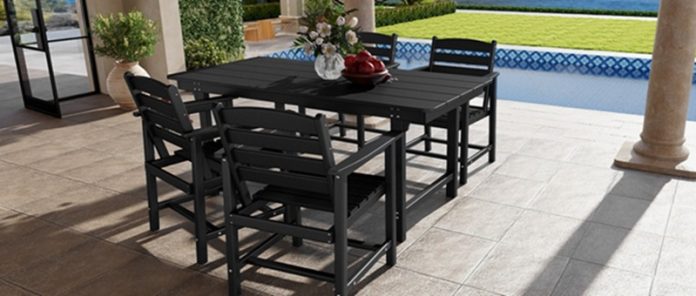
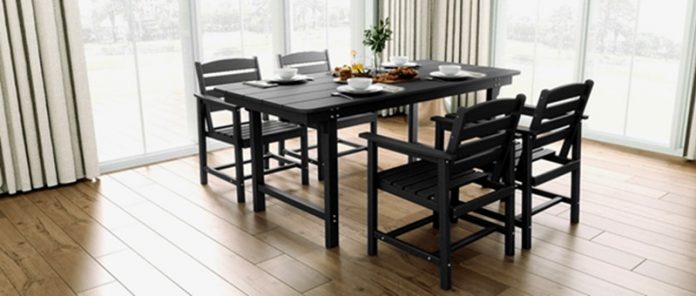
When it comes to outdoor living, style, comfort, and durability are essential qualities that homeowners seek. Whether it’s a sunny patio, a cosy balcony, or a sprawling garden, the right furniture can transform any outdoor space into a luxurious retreat. That’s where HDPE outdoor furniture collections come into play—offering a perfect blend of traditional comfort and cutting-edge design. These collections have rapidly gained popularity due to their eco-conscious materials, unmatched resilience, and sleek modern appeal.

What is HDPE?

HDPE, or high-density polyethene, is a highly durable plastic derived from recycled materials such as milk jugs and detergent bottles. It’s renowned for its strength-to-density ratio, making it a top-tier choice for outdoor applications. Unlike wood or metal, HDPE doesn’t splinter, rot, or rust. This resilience ensures that HDPE outdoor furniture collections stand the test of time, season after season. But HDPE isn’t just about durability—it’s about versatility. Manufacturers can mould HDPE into nearly any shape, allowing designers to create furniture that honours the timeless elegance of traditional outdoor décor while incorporating sleek, contemporary aesthetics.

Timeless Comfort Reimagined

One of the key reasons homeowners gravitate toward HDPE outdoor furniture collections is the sheer comfort they offer. Traditional designs, such as Adirondack chairs, deep-seated lounges, and rocker sets, have been reimagined with ergonomic curves and customizable cushions. The comfort you’d expect from a beloved wooden chair is now available in a longer-lasting, low-maintenance format. Thanks to the material’s structural integrity, HDPE furniture remains stable and doesn’t warp or sag over time. Whether you’re basking in the afternoon sun or gathering with friends around a fire pit, you can count on consistent comfort every time you sit down.

Modern Design Aesthetic

Today’s outdoor spaces are more than just places to sit—they’re extensions of our homes. With design trends leaning toward clean lines, bold textures, and modular setups, HDPE outdoor furniture collections meet these demands effortlessly. Available in a wide spectrum of colours—from classic white and coastal beige to chic charcoal and vibrant turquoise—HDPE furniture allows you to express your style without sacrificing performance.

Moreover, HDPE is UV-resistant, meaning the colour won’t fade under the blazing sun. The result is furniture that looks as beautiful in year five as it did on day one, making it ideal for both contemporary and classic outdoor themes.

Eco-Friendly Appeal

In an age where sustainability is more than a buzzword, HDPE outdoor furniture collections make an environmentally sound choice. Because HDPE is made from recycled plastic, it helps reduce landfill waste and decreases reliance on virgin materials. Many brands take it a step further, utilising eco-friendly manufacturing processes and offering recyclable products at the end of their lifespan.

Low Maintenance, High Performance

Unlike wooden furniture that needs to be sealed or metal that must be protected from rust, HDPE outdoor furniture collections are incredibly low maintenance. A simple wipe-down with soap and water is usually enough to keep them looking pristine. This makes HDPE furniture perfect for busy homeowners, vacation properties, and commercial settings such as resorts or restaurants. Because HDPE resists mildew, salt spray, and insects, it’s especially ideal for coastal areas where traditional materials might degrade quickly. Rain or shine, these collections continue to perform without fading, cracking, or staining.

Ideal for All Seasons

Another defining feature of HDPE outdoor furniture collections is their all-weather capability. Whether you’re dealing with scorching heat, torrential rain, or icy winters, HDPE stands strong. Its non-porous surface prevents moisture absorption, which means there’s no swelling, warping, or mould growth. Even if you leave your HDPE furniture uncovered during the off-season, it will emerge unscathed and ready for use.

Endless Options and Configurations

Whether you’re furnishing a tiny balcony or a sprawling backyard offer incredible variety. From compact folding chairs and space-saving bistro sets to luxurious sectional sofas and extendable dining tables, there’s a piece for every setting. Add in accessories like ottomans, side tables, or built-in drink holders, and your outdoor space becomes as functional as it is stylish. Many manufacturers also offer customization options, allowing you to choose frame colours, cushion fabrics, and finishes that complement your overall design scheme.

A Smart Investment in Outdoor Living

While the upfront cost of HDPE outdoor furniture collections may be higher than that of wood or metal alternatives, the long-term benefits far outweigh the initial investment. These pieces don’t require costly upkeep or regular replacements. Their durability and timeless design mean you’ll enjoy them for years—without worrying about weather damage or style becoming outdated. For homeowners, property managers, and designers alike, HDPE offers a smart solution that combines elegance, comfort, and long-lasting performance.

Conclusion

In the evolving landscape of outdoor design, HDPE outdoor furniture collections stand out as a modern essential. They blend the ageless charm of traditional craftsmanship with the sleek efficiency of contemporary materials. Durable, sustainable, and stylish, HDPE furniture is transforming patios, gardens, and balconies into year-round havens of comfort and style.

Adirondack Rocking Chair: Timeless Comfort Meets Rustic Charm For Outdoor Living

0

Few pieces of furniture capture the essence of outdoor leisure quite like. Marrying the classic slanted seat and wide armrests of the traditional Adirondack design with the soothing motion of a rocker, this piece has become a beloved staple on porches, patios, and decks across the world. With its rustic charm, unmatched comfort, and durable construction, the Adirondack rocking chair remains the perfect blend of function and style for those who value relaxation in the great outdoors.

A Heritage of Design and Comfort

The origins of the Adirondack rocking chair trace back to the early 1900s when Thomas Lee first developed the original Adirondack chair in the mountains of upstate New York. Seeking comfort on rugged terrain, he crafted a chair with a sloped seat and backrest to accommodate uneven ground. Over time, this design evolved into various forms, including the addition of a curved base, which transformed it into a rocking chair. This evolution preserved the ergonomic benefits of the Adirondack seat while introducing a gentle, rhythmic motion. The result? A chair that doesn’t just sit pretty—it soothes the soul. The Adirondack rocking chair provides exceptional lumbar support and encourages relaxation, making it ideal for everything from quiet morning coffees to late-night conversations under the stars.

Rustic Charm that Complements Any Outdoor Space

The visual appeal of the Adirondack rocking chair lies in its blend of simplicity and sturdiness. Its wide arms offer a perfect spot to set a drink, book, or even a small potted plant. The high backrest exudes a feeling of security and invites hours of lounging. Whether painted in vibrant colours or left with a natural wood finish, this chair adds a rustic elegance to any setting. Its rustic aesthetic is particularly well-suited for countryside homes, cabins, and lakefront properties. Still, modern iterations of the Adirondack rocking chair also make a seamless addition to urban patios and minimalist decks. Crafted from a range of materials—wood, HDPE (high-density polyethene), and even metal—these chairs are now available in styles to suit every taste.

Built to Last: Materials That Withstand the Elements

Today’s Adirondack rocking chair is not only stylish but incredibly durable. Traditional wooden models, typically made from cedar, teak, or eucalyptus, are naturally resistant to rot and insect damage. These woods age gracefully, taking on a charming patina over time.

For homeowners seeking a low-maintenance alternative, HDPE versions offer superior weather resistance without compromising on appearance. The Adirondack rocking chair made from HDPE mimics the look of painted wood while resisting fading, cracking, and moisture damage. This makes it an excellent choice for year-round outdoor use, especially in areas with fluctuating weather conditions.

Versatility and Customization

One of the key reasons why the Adirondack rocking chair remains so popular is its incredible versatility. Whether you’re outfitting a sprawling backyard or a small balcony, there’s a model that fits. Some are designed with extra-wide seats for added comfort, while others feature built-in cushions or removable headrests for enhanced relaxation. Many homeowners opt to customise their Adirondack rocking chairs with cushions featuring bold prints, waterproof fabrics, or even monogrammed designs to reflect their style. Additionally, eco-conscious buyers can find models made from recycled materials, aligning sustainability with classic comfort.

An Invitation to Slow Down

In a world that’s constantly rushing, the is a gentle reminder to slow down. Its rocking motion encourages mindfulness and has even been shown to reduce stress and anxiety. Placing one on your porch invites spontaneous conversations with neighbours or quiet reflection with a loved one. It’s a seat where memories are made whether you’re watching the sunset, sipping lemonade, or rocking a child to sleep.

Choosing the Right Adirondack Rocking Chair

When selecting the perfect, consider your space, style, and maintenance preferences. For a traditional look, solid wood chairs are a classic choice, especially when treated with outdoor sealant. If ease of care is a priority, HDPE or resin options offer a long-lasting, no-fuss alternative. Colour is another personal choice—whether you prefer classic white, rich wood tones, or vibrant hues that pop there’s an Adirondack rocking chair that can bring your outdoor vision to life.

Conclusion

Whether placed beside a roaring fire pit, nestled into a shady corner of your deck, or front and centre on your porch, the is more than a seat—it’s an experience. Its blend of comfort, durability, and rustic beauty makes it a timeless piece that enhances any outdoor space.

Meta’s Bid to Acquire Runway Fails—But It Signals a Bigger AI Ambition

0

Meta attempted to acquire AI video startup Runway. But it failed, before turning to Scale AI – a development that underlines just how aggressively the company is moving to reshape its artificial intelligence strategy.

According to CNBC and Bloomberg, Meta held early-stage talks with Runway, known for its generative video tools, but the discussions did not progress and ultimately dissolved without a formal offer. While Meta declined to comment, sources familiar with the matter said the talks centered on Runway’s technology and talent—an area where Meta is making significant and urgent moves.

Runway, which recently earned a spot on CNBC’s 2024 Disruptor 50 list, has become a prominent player in the AI video space, enabling users to generate and edit video content using simple text prompts. Its tools have found popularity among creators, startups, and media teams seeking faster, AI-driven video production.

While the Runway acquisition fell through, it’s just one in a string of AI-related moves by Meta. In June, the company invested $14.3 billion in Scale AI, a leading data-labeling and AI infrastructure startup. Meta acquired a 49% stake in Scale AI and also hired its founder, Alexandr Wang, along with a small group of engineers.

The investment marks Meta’s most significant capital commitment to AI to date and highlights its shift toward partnering with or absorbing outside companies to bolster internal AI development.

Additionally, Meta has reportedly approached other AI startups this year, including Safe Superintelligence Inc. and Perplexity AI, as part of its effort to keep pace with rivals like OpenAI, Google, Anthropic, and Amazon.

Although Meta was unable to acquire Safe Superintelligence outright, it’s moving to hire the company’s cofounders—Daniel Gross and Nat Friedman—to join Meta’s AI division. Gross and Friedman are expected to work in product development under Wang, further strengthening Meta’s technical talent base in artificial intelligence.

Zuckerberg’s Broader AI Vision

CEO Mark Zuckerberg has been outspoken in recent months about Meta’s strategic focus on AI. The company is actively integrating AI tools across its product portfolio, from content recommendations on Instagram and Facebook to chat assistants in WhatsApp and Messenger.

Meta has also been investing heavily in infrastructure, including building out its own custom silicon and expanding compute capacity to train large-scale AI models, such as its open-source LLaMA (Large Language Model Meta AI) family.

The company’s broader AI ambitions have led to aggressive hiring and infrastructure upgrades. Zuckerberg has stated that Meta intends to lead in both open-source AI development and real-time AI-powered experiences for consumers.

Industry Context

Meta’s increased AI investments come as major tech players scramble for dominance in artificial intelligence. Google, OpenAI, Amazon, Apple, and Microsoft are all pursuing their own distinct strategies—ranging from building foundational models to acquiring startups and forming cloud AI partnerships.

The brief discussions with Runway also reflect a wider trend of AI startups with narrow, specialized capabilities—such as video generation or conversational search—becoming targets of acquisition talks or large-scale investments. Other startups drawing attention and funding include Hugging Face, Mistral, Anthropic, Character.ai, and Inflection AI.

Meta’s talks to acquire Runway may have ended without a deal, but they are part of a clear and deliberate pattern that indicates the company is expanding its reach in AI by targeting both infrastructure providers and niche technology developers.

Kraken Relocated Headquarters From San Francisco To Wyoming

0

Kraken, a major U.S.-based cryptocurrency exchange, has relocated its global headquarters from San Francisco to Cheyenne, Wyoming, as announced on June 20, 2025. The move is driven by Wyoming’s crypto-friendly regulatory environment, which includes over 30 laws supporting blockchain and digital assets, such as recognizing cryptocurrencies as property, protecting private keys, and establishing a fintech sandbox for innovation. Wyoming’s low taxes and bipartisan support for digital asset legislation, championed by figures like Senator Cynthia Lummis, further solidify its status as a crypto hub.

Kraken’s decision aligns with its prior engagement in the state, including a $300,000 grant to the University of Wyoming in 2021 for crypto education and co-hosting the Wyoming Blockchain Symposium in 2023. The exchange will maintain its remote-first workforce model, with the Cheyenne headquarters serving as a strategic base to leverage Wyoming’s progressive policies, including plans for a state-backed stablecoin, the Wyoming Stable Token, set for potential launch in summer 2025. This relocation reflects a broader trend of crypto firms seeking jurisdictions with clear and supportive regulations.

Kraken’s relocation to Wyoming highlights significant implications for the crypto industry and underscores a growing divide in the U.S. regulatory landscape for digital assets. Wyoming’s crypto-friendly laws, including legal recognition of digital assets as property, protection of private keys, and a fintech sandbox, provide Kraken with a stable and predictable regulatory environment. This contrasts with the uncertainty and enforcement-heavy approach of federal regulators like the SEC, which has targeted Kraken in the past (e.g., a $30 million settlement in 2023 over staking services). Wyoming’s framework allows Kraken to innovate with less fear of regulatory overreach.

Kraken’s move bolsters Wyoming’s ambition to become a global crypto hub. The state’s low taxes and pro-crypto policies could attract more blockchain firms, boosting local economies through job creation and investment, as seen with Kraken’s prior $300,000 grant to the University of Wyoming. The planned Wyoming Stable Token could further enhance the state’s appeal. Kraken’s relocation signals a broader migration of crypto firms to jurisdictions with clear regulations. States like Wyoming, Texas, and Florida are competing to become crypto-friendly havens, while others, like New York with its stringent BitLicense, risk losing businesses. This could reshape the U.S. crypto industry’s geographic and economic footprint.

Operating in Wyoming’s fintech sandbox may allow Kraken to experiment with new products, such as decentralized finance (DeFi) or tokenized assets, faster than competitors in less permissive states. This could give Kraken a competitive edge in the global crypto market. Wyoming’s proactive stance contrasts with states like California, where Kraken previously faced regulatory pressure, and New York, known for its restrictive BitLicense. This creates a patchwork of regulations, forcing crypto firms to strategically choose their base. Pro-crypto states are gaining an edge, while others risk stifling innovation.

The federal government’s lack of clear crypto legislation, coupled with aggressive SEC and CFTC enforcement, pushes firms toward states like Wyoming that offer regulatory clarity. This tension could accelerate calls for federal reform, as seen in bipartisan efforts like the FIT21 Act, but also risks fragmenting the U.S. crypto market. Wyoming’s bipartisan support for crypto, led by figures like Senator Lummis, contrasts with skepticism from some federal policymakers who view crypto as a speculative or risky sector. This divide could influence future elections and policy debates, especially as crypto becomes a political talking point.

The U.S.’s fragmented approach contrasts with jurisdictions like the EU, which has implemented MiCA for unified crypto regulation. If states like Wyoming continue to lead, they could position the U.S. as a global crypto leader, but federal inaction may cede ground to international competitors. Kraken’s relocation underscores Wyoming’s rise as a crypto haven and exposes the challenges of navigating a divided regulatory landscape. The move could pressure other states and federal regulators to clarify rules or risk losing more crypto businesses to forward-thinking jurisdictions.