DD
MM
YYYY

PAGES

DD
MM
YYYY

spot_img

PAGES

Home Blog Page 1090

Managing Your Money While Gambling Online: A Quick Guide

0

Online gambling can be a ton of fun, but it’s not always sunshine and rainbows. If you want to stay in the game longer and enjoy it more than your friends who punt their extra cash every weekend on losing bets, here’s a quick guide that should help. It all starts with understanding what exactly a bankroll is and how you can stretch it further.

Understanding What Bankroll Means

Your bankroll is essentially how much money you have to play with. This amount varies from person to person, and there’s no set amount as a standard. Bankrolls are personal. Some players have $20 that they play with, while others have thousands.

The point is, your bankroll is a direct reflection of your own budget and winnings. You can—and should—use bonuses to increase your bankroll. Sites like bonuses.com showcase a variety of sites with promos that can give you extra cash to wager.

If you haven’t already, create a budget using any one of the handy resources online. Look at how much you can comfortably spend after all your necessary and unnecessary expenses. That’s your bankroll for the month.

Divide it into Sessions

Some players have a hard time not blowing through their bankroll in a single session. Everyone has been there. It’s a Friday night, you’re on a hot streak, suddenly it’s not so hot and you’re clamoring to win back to even—and then you’re out.

You can avoid this by breaking your bankroll down even further. Play 10 times a month and have a bankroll of $500? Great, you can play with $50 each session. This will keep you playing longer and help stretch out the fun.

Got a big win? Awesome, set aside a portion of the winnings and keep playing with the rest. Now you get to enjoy your wins while still knowing that there’s funds left in the bank to keep playing and then some.

Set Clear Limits for Yourself

Limits are a necessity when it comes to online gambling. Set them early, and stick with them. If you’ve taken the advice of dividing your bankroll into sessions, good. Keep with it, and never break it. Don’t think that a win is around the corner or that you’ll skip your next session. Take a break, relax and come back another day.

Make Smaller Bets

You might want to limit your bet sizes, too. Big bets are fun, but it’s a quick way to burn through your bankroll. Set a maximum bet size in your head, preferably something that is no more than 10% of your bankroll for the month, possibly even 10% of your bankroll for the session if you divided it up as mentioned earlier.

Choose Games Based on Your Budget

Slot machines are great for players with a smaller budget, as they often have low bet sizes. Blackjack, however, can be a quick way to spend your money if the minimum bet size is $5 and your bankroll for the night is $20.

Look for games that have minimum bet sizes that match your bankroll. If your bankroll is big, this might not be something to consider, as there really is no game that has too large of a minimum bet for high rollers.

Keep a Journal of Your Bets

Okay, yes, this is not the most exciting thing in the world, but keeping a digital or physical log of your bets is a great idea, especially if you bet on sports. A log can help you keep track of your bets, which games you seem to have better luck at, and days when you probably shouldn’t have played at all.

Periodically review your log and try to spot a pattern. Sports bettors can refine their strategies while casino players can see which games rarely pay out for them. It also adds a layer of accountability, keeping you in control. It’s a lot harder to go over your limit if you know you’re going to have to write it down and analyze it later.

You may also want to have an AI like Google’s rising Gemini chatbot analyze your log. It can help you spot patterns you may not have realized on your own, but always double-check their responses.

Avoid Chasing Losses and Emotional Play

This ties into setting clear limits for yourself. You should never chase losses. A win is never due in gambling. The odds are (almost) always the same regardless of previous outcomes. If you’ve been waiting for a 17 on roulette and it hasn’t popped up in the last 1,000 spins, it still has a 1 in 38 chance of popping up if you’re playing at a double-zero table.

Likewise, leave your emotions at the virtual casino door. Letting your emotions guide your decisions is a surefire way to lose. That’s not to say that you shouldn’t be happy and have fun, but anger at a losing streak can result in you making worse decisions, furthering the cycle. Keep a clear head, bet with your brain, and let lady luck sort out the rest.

UK-Based Crypto Exchange Blockchain.com Targets African Expansion With Nigeria Office And Crypto License

0

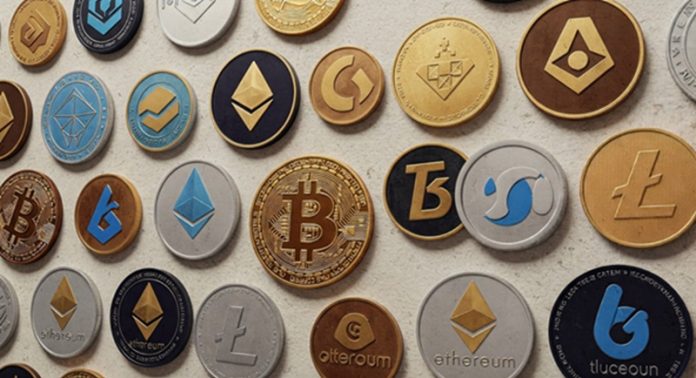
UK-based crypto exchange Blockchain.com is intensifying its African expansion, as it seeks to acquire a license in Nigeria, one of Africa’s largest crypto markets.

According to Bloomberg, Blockchain.com plans to open a physical office in Nigeria this quarter. As part of its expansion into the African region, It appointed financial industry veteran Owenzie Irese Odia as the region’s general manager.

Announcing her appointment, Blockchain.com wrote,

“We are thrilled to welcome Owenize Irese Odia as General Manager, Africa, as we continue to accelerate our mission to usher in the future of finance across the continent. Owen’s reputation as a crypto asset pioneer and advocate in Africa precedes her. A respected thought leader and experienced operator, she brings a deep commitment to expanding access to regulated crypto asset services, making her the ideal leader to scale Blockchain.com’s footprint in Africa.

“As our user base grows steadily across Africa, led by West Africa, our fastest-growing market, we are entering a natural phase of regional investment and establishing a physical presence, beginning with our West African hub. This is a pivotal moment to establish a lasting presence, foster local partnerships, and engage constructively with regulators across the continent.”

In her role, Owen will oversee Blockchain.com’s comprehensive business strategy in Africa, collaborating closely with global product, commercial, compliance, and regulatory teams. She will lead the company’s efforts to:

  • Engage with regulators to pursue licensing and ensure compliance.
  • Grow Blockchain.com’s brand as a trusted and secure platform for crypto services.
  • Build and scale regional teams to serve the unique needs of local customers.

On the company’s expansion to Nigeria, Owen noted that applying for a crypto-exchange license in Nigeria is a top priority. Notably, Blockchain.com’s license pursuit in Nigeria comes after the Nigerian government formally recognized cryptocurrency and other virtual assets as securities for the first time.

Recall that after swinging back and forth between acceptance and rejection, President Bola Ahmed Tinubu on March 25, 2025, took a decisive step toward regulating the cryptocurrency sector in Nigeria, in new SEC Act 2025. The law not only acknowledges virtual assets and investment contracts as securities but also places Virtual Asset Service Providers (VASPs), Digital Asset Operators (DAOPs), and Digital Asset Exchanges under the regulatory oversight of the Securities and Exchange Commission (SEC).

Section C on page 188 of the official clean copy of the ISA bill, recognizes virtual and digital assets as securities. It describes securities exchange or registered exchange as an organized facility that maintains and provides an infrastructure:

  • (a) for bringing together buyers and sellers of securities, virtual assets, commodities, or financial products or instruments.
  • (b) for matching bids and offers for securities, virtual assets, commodities, or financial products or instruments of multiple buyers and sellers; and
  • (c) whereby a matched bid and offer for securities, virtual assets, commodities, or financial products or instruments constitutes a transaction.

As part of its Accelerated Regulatory Incubation Program (ARIP), the SEC granted provisional licenses, or “Approval-in-Principle,” to two cryptocurrency exchanges—Quidax and Busha in 2024.

Launched in 2011, Blockchain.com got its start as an early pioneer of key infrastructure for the Bitcoin community. First, with a Blockchain Explorer that enabled anyone to not only examine transactions and study the blockchain, but an API that enabled companies to build on Bitcoin.

Since its launch, the platform has created over 92 million wallets, and transacted over $1 trillion, with a presence in over 200 countries, relentlessly building the future of finance, serving people, projects, protocols, and institutions.

With its African expansion, the company’s ambition is to become the go-to regulated platform for consumer investment and payments by investing in Infrastructure, people, and regulatory clarity across Africa.

FAMILY ECONOMY: A Missed Opportunity for Collective Prosperity

0

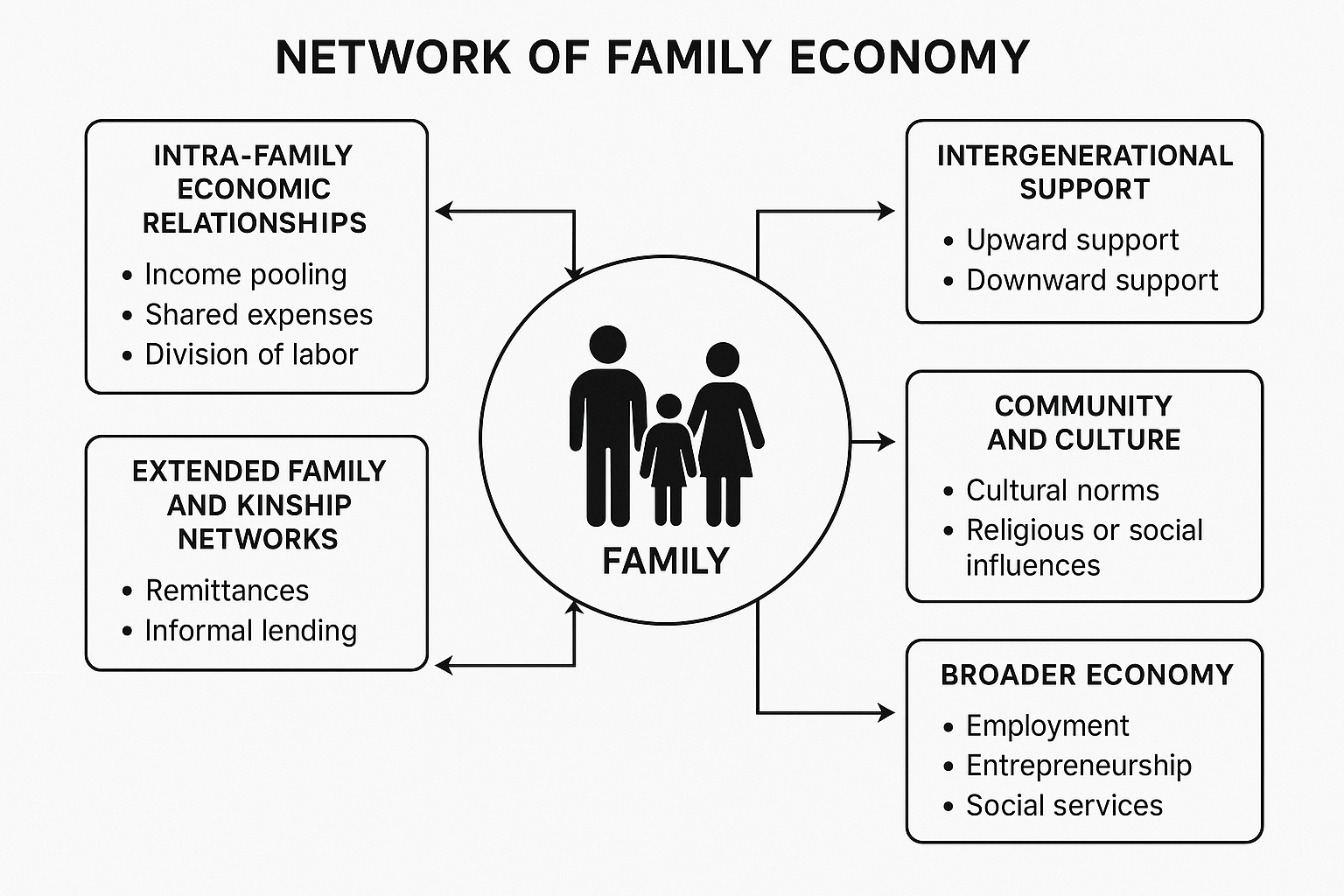
In every society, the family is the smallest yet most foundational unit. It is within the family structure that values are first cultivated, behaviour modeled, and identities shaped. As a result, much of what individuals eventually achieve in broader society is often rooted in what was planted and nurtured at home. Yet, when it comes to business and economic collaboration, families are often overlooked as viable ecosystems of enterprise. Why is that?

Consider the paradox. While families are comfortable extending financial support to one another, through school fees, hospital bills, or even start-up funds, they often hesitate to collaborate in business. If we can give money freely, why is it so difficult to exchange value through commerce within the same circle?

These questions became a subject of personal curiosity, prompting me to conduct a brief informational interview with friends and colleagues via WhatsApp. The responses I received were striking. Many expressed concerns about protecting their wealth from family members who might misuse resources or feel entitled. There was a fear that doing business with family could lead to strained relationships, unmet expectations, and even financial losses.

These concerns are valid and reflect broader cultural and emotional complexities around family economics. Many people are comfortable giving to family but not transacting with them. Generosity is seen as noble, while business interactions are viewed as risky. This mindset has significant consequences for the way wealth is created, managed, and transferred within families.

Now imagine a different scenario. Picture a family economy with a market size of N20 million in a quarter. Each family member possesses a unique, marketable skill such as tailoring, catering, consulting, photography, web design, carpentry, or event planning. Instead of seeking these services outside, family members choose to patronize one another and pay fair market value.

The impact of this internal economic circulation would be profound. First, it would boost liquidity within the family, giving each member more financial flexibility to reinvest, save, or spend in wider society. Second, it would promote mutual respect and professionalism. When services are delivered competently and compensated fairly, it strengthens trust and redefines family members as assets rather than dependents.

More importantly, this model reflects real-world business logic. If we cannot convince our own family members to support our services or buy our products, how ready are we to face the open market? Families can and should serve as both testing grounds and support systems for entrepreneurship.

family economics
Source: Infoprations Analysis, 2025

However, this approach is not without its challenges. Doing business with family requires maturity, structure, and clear boundaries. It demands contracts, defined roles, and honest communication. Many family ventures fail because they rely too heavily on emotional bonds rather than sound business practices. When expectations are not clearly managed, the resulting disappointment can damage both relationships and reputations.

To overcome this, families must adopt a new mindset. They must begin to see themselves not just as units of support, but as strategic collaborators in wealth creation. Trust should be earned through professionalism, not assumed based on blood ties. Training and mentorship can be introduced within the family to raise standards and equip members for sustainable success. Conflict resolution mechanisms must also be part of the design, just as they are in any other serious business.

This idea of a family economy is not merely theoretical. In many cultures around the world, especially among immigrant communities and indigenous groups, family-based businesses are central to financial stability. These families pool resources, share knowledge, and build intergenerational wealth by working together intentionally. There is no reason why such a model cannot be embraced more widely in African and other emerging-market contexts, where entrepreneurship is often a path to survival and growth.

Ultimately, the family can become both a launchpad and a loyal customer base for entrepreneurs. This shift requires discipline and a willingness to professionalize relationships within the home. Not every venture will succeed, and not every family member will be a fit for collaboration. But with planning and mutual accountability, the potential is immense.

We need to reconsider the role of family in our economic aspirations. Rather than viewing our loved ones only as recipients of support, we can begin to see them as partners in value creation. We should not wait for outsiders to validate our ideas when we have capable minds and willing hands within our own homes. The family economy remains an untapped goldmine, and our first real investment might just need to begin at the family table.

AfDB Forecasts 6% Naira Depreciation Despite CBN’s Optimism on Exchange Rate Stability

0

Nigeria’s currency is expected to weaken further in the coming year despite recent signs of stabilization, as the African Development Bank (AfDB) projects that the naira will depreciate by at least 6 percent between 2025 and 2026.

The forecast, published in the African Economic Outlook 2025, reflects growing concerns about heightened global financial market volatility and its spillover effects on African currencies.

The projection comes at a time when Nigeria’s central bank is expressing renewed confidence in the country’s economic direction. Just days before the AfDB report was published, Central Bank of Nigeria (CBN) Governor Olayemi Cardoso announced that volatility in Nigeria’s foreign exchange (FX) market had dropped below 0.5 percent, the lowest level in recent years. According to him, this marked improvement was the result of a mix of fiscal and monetary reforms aimed at restoring macroeconomic stability and investor confidence.

Cardoso made the announcement during a press briefing in Abuja following the 300th meeting of the Monetary Policy Committee (MPC), describing the drop in volatility as a “clear indication that Nigeria is back on a sustainable path.” He cited growing foreign reserves, enhanced market transparency, and a reformed exchange rate regime as factors contributing to the newfound market confidence.

But the AfDB paints a more cautionary picture, warning that Nigeria’s relative calm in FX markets may be short-lived unless structural economic challenges are addressed.

The AfDB report forecasts that at least 21 African countries, including Nigeria, Egypt, Ethiopia, Ghana, Libya, Rwanda, Zambia, and Zimbabwe, will see their currencies depreciate by 6 percent or more over the course of 2025. In Nigeria’s case, the naira is expected to come under pressure from a combination of external market uncertainty, fragile export earnings, and domestic structural weaknesses.

The Bank explained that the projected depreciation is not exclusive to Nigeria but reflects broader continental trends. Across the region, economies dependent on commodity exports are facing growing fiscal and balance of payment pressures, worsened by global market instability, rising interest rates in advanced economies, and fluctuating capital flows.

In contrast, the report identifies Kenya, Morocco, and countries in the CFA franc zone as potential gainers. Their currencies are projected to appreciate by more than 3 percent against the U.S. dollar, buoyed by better fundamentals, diversified exports, and relatively stronger investor confidence.

Looking back at 2023, the AfDB notes that 28 African currencies depreciated, but 17 of them either stabilized or started recovering in 2024. The South African rand, for example, weakened by 11.3 percent in 2023 but appreciated slightly by 0.7 percent year-on-year. Similarly, the Kenyan shilling reversed a 15.4 percent depreciation in 2023 with a 3.1 percent rebound in 2024, aided by investor inflows following a successful Eurobond issue.

Kenya’s recovery was underpinned by a strategic buyback of a $2 billion Eurobond set to mature in June 2024, financed by a new $1.5 billion issuance. That transaction restored investor confidence and triggered a 121 percent increase in portfolio investment inflows, offsetting the previous capital flight.

On the other hand, currencies in Guinea, Mauritania, and Seychelles continued to face downward pressure, weighed down by persistent macroeconomic instability and low investor confidence.

The report also observed that currencies pegged to the euro — such as the CFA franc, Cabo Verdean escudo, São Tomé and Príncipe dobra, and Comoros franc — remained relatively stable, largely benefiting from the euro’s improved performance against the dollar in 2024.

The stark contrast between the CBN’s optimism and the AfDB’s cautionary stance underscores the dual realities of Nigeria’s FX market. On one hand, Nigeria has implemented wide-ranging monetary reforms, including unifying its exchange rates and restricting excess naira liquidity through higher interest rates and open market operations. On the other hand, structural weaknesses — such as weak non-oil export capacity, heavy import dependence, and low dollar inflows — continue to pose risks to exchange rate stability.

Despite the naira showing signs of stabilization in the first half of 2025, the AfDB maintains that external shocks or domestic fiscal slippage could easily trigger another round of pressure on the currency. It warned that overreliance on foreign portfolio flows and fragile commodity earnings could reverse recent gains unless Nigeria deepens structural reforms.

To counter these risks, the AfDB urges African governments, including Nigeria, to strengthen their macroeconomic fundamentals, particularly by curbing inflation and reducing fiscal deficits. It calls for enhanced export diversification, with a focus on value-added production, and recommends the establishment of credible and transparent exchange rate regimes that reflect actual market conditions. It also emphasizes the need to deepen regional trade linkages and adopt platforms like the Pan-African Payment and Settlement System (PAPSS), which can reduce the continent’s heavy reliance on the U.S. dollar in intra-African trade.

The AfDB noted that while Nigeria is already making progress in some of these areas, including its recent directive mandating banks to begin using PAPSS for cross-border transactions under the African Continental Free Trade Area (AfCFTA), the country still lags behind in export competitiveness and policy coordination.

Cardoso has reiterated that the apex bank would stay the course of reforms and push ahead with its agenda of exchange rate transparency, inflation targeting, and strategic reserve management. He also pointed to the growing collaboration between monetary and fiscal authorities, which he says is now more aligned than ever.

The CBN believes that the mix of exchange rate reforms, tighter monetary policy, and improved FX market transparency will eventually support medium-term currency stability and reduce Nigeria’s vulnerability to external shocks.

However, the major challenge is no longer just about short-term FX stability — it’s about sustaining reforms long enough to rebuild economic buffers, boost exports, and insulate the economy from the shocks that have historically battered the naira.

Big Investors Are Loading Up on These 4 Cryptos as Metrics Point to 1,500% Upside

0

The crypto space is heating up, and large investors are already gearing up for enormous profits. The top four cryptocurrencies stand out, with performance indicators suggesting an incredible 1,500% growth. These include Rexas Finance (RXS), Ripple (XRP), PEPE, and Dogecoin (DOGE). These display positive investor sentiment, powerful fundamentals, and jaw-dropping technical setups, which will drive the next bull run. In this article, we will cover what is driving these cryptocurrencies to receive so much hype and what investors in the short term have to look forward to.

Rexas Finance (RXS): DeFi’s Hidden Gem

Rexas Finance (RXS) is one of the top contenders to emerge from the DeFi bubble. Unlike meme coins, Rexas provides actual value through tokenizing RWAs (real-world assets) such as real estate and commodities. This unique model allows Rexas Finance to meet the emerging requirements for the DeFi infrastructure poised to link traditional systems and blockchain technologies. Following a presale collection of $48.57 million and the sale of 462.87 million tokens, Rexas Finance is on course for its official exchange listing on June 19, 2025, with an anticipated listing price of $0.25. The token is expected to appreciate significantly, with forecasts for the end of 2025 ranging between $14 and $24. The excitement around RXS is attributed to its realistic use case and substantial growth potential in the years to come. Surely, one of the most fascinating cryptos out there, RXS, is receiving strong support from investors.

Ripple (XRP): Primed for a Breakout Rally

Recently, Ripple (XRP) traded at around $2.12, and from all indications, it is showing strong signs of accumulation. Analysts expect it to ignite a breakout rally in the near term, potentially surging to $2.40 and later predicting $45 during a prolonged bull run. Presently, XRP is sitting roughly at the Point of Control (POC) of $2.40, a pivotal price level associated with high trading volume and close to a longstanding descending resistance line. The Chartist Doji suggests that the current price action delineated for XRP indicates that a breakout above the resistance line would mean a total trend reversal. This is why XRP is described as one of the most sought-after cryptos in 2025. With XRP being one of the most volatile assets in price movements and macro-changing markets, XRP is a top contender for positive price movements this year, alongside its ongoing court victories, giving it strong bullish sentiment.

PEPE: Meme Coin About to Spike

Although PEPE had some bearish indications, the meme coin shows strong bullish sentiment. The loyal followers of PEPE are confidently holding near the $0.0000058 support level, and analysts are paying extra attention. If PEPE successfully holds above this support, there will be a primary pump in the market for PEPE in the short term, and predictions are pointing toward a 60% increase. The meme coin’s PEPE community is still among its best assets, driving interest and trading volume. Analysts suggest that if PEPE surpasses the critical resistance levels, the meme coin could challenge the dominance of other meme coins in the market, like Shiba Inu (SHIB). Coupled with the growing community, it is likely that PEPE will perform strongly when the altcoin season rolls around.

Dogecoin (DOGE): Bullish Trends Indicate That a Fresh Rally Is Imminent

The first memecoin – Dogecoin (DOGE), has maintained its position in the crypto market. As of May 3, 2025, Dogecoin is trading at $0.17956, which for the coin has been uneventful. However, further technical analysis indicates that a bullish breakout is about to happen. The DOGE weekly chart has revealed a bullish engulfing pattern this week, indicating strong bullish buying. Every sobering analysis turns out optimistic, as DOGE has set itself up for an upward trend after almost two weeks of moving sideways. Predominantly, analysts believe DOGE will try to hit the $0.75 mark once again, reaching the “all-time high,” and even speculate prices might soar higher, granted the coin’s weak bullish trend persists. Dogecoin’s strong community and recent meme coin bullish price action will lead to a victory in 2025.

Conclusion

With the heavy institutional interest in Rexas Finance (RXS), Ripple (XRP), PEPE, and Dogecoin (DOGE), 2025 will mark an essential period for price rallies. Each of these tokens has some potential, be it through Rexas Finance’s tokenizing of real-world assets, Ripple’s breakout potential, PEPE’s resurgence as a meme coin, or the ever-popular Dogecoin.  During the next phase of altcoin season, these cryptocurrencies are expected to provide significant returns, with early estimates suggesting up to 1,500% returns for investors. Strategically positioning these assets in your portfolio now could prove beneficial before the subsequent drastic price shifts occur.


For more information about Rexas Finance (RXS) visit the links below:

Website: https://rexas.com

Win $1 Million Giveaway: https://bit.ly/Rexas1M

Whitepaper: https://rexas.com/rexas-whitepaper.pdf

Twitter/X: https://x.com/rexasfinance

Telegram: https://t.me/rexasfinance