DD
MM
YYYY

PAGES

DD
MM
YYYY

spot_img

PAGES

Home Blog Page 1141

Kajot Casino no deposit bonuses: current offers in the Czech Republic

0

Introduction

Imagine the thrill of spinning the reels or hitting the blackjack table, all without reaching for your wallet. That’s the magic of no deposit bonuses, especially in the vibrant online casino scene of the Czech Republic. Kajot online for Czech players. In 2024, the opportunity to discover and leverage no deposit bonuses at Kajot Casino is more accessible than ever. This guide will equip you with the knowledge to discover bonuses and play smarter.

What are No Deposit Bonuses and How Do They Work?

A no deposit bonus is essentially free credits offered by an online casino to new players. Think of it as a “try before you buy” deal, allowing you to explore the casino’s games without risking your own money upfront. The casino credits your account with bonus funds simply for signing up. A critical aspect of no deposit bonuses is understanding the wagering requirements. This means you’ll need to bet a certain amount before you can withdraw any winnings earned with the bonus. These requirements are a key part of the bonus mechanics.

Finding Kajot Casino No Deposit Bonuses in the Czech Republic (Legitimately!)

Chasing down a Kajot Casino no deposit bonus in the Czech Republic can feel like navigating a maze. Plenty of websites promise the moon, but sorting the real deals from the duds takes a little know-how. The key is sticking to reliable sources that consistently update their listings.

While specific bonus codes change rapidly, websites specializing in Czech online casino promotions often maintain lists of active offers. These sites usually have direct relationships with casinos, ensuring the information is current and valid. Always double-check the terms and conditions on the Kajot Casino website itself before claiming any bonus; this helps to avoid misunderstandings about wagering requirements or eligible games.

A word of caution: be wary of sites that seem too good to be true or demand personal information upfront before revealing a bonus code. These are often red flags for potential scams. Personal experience suggests that patience and a little research on reputable Czech casino portals are the best strategies for uncovering those elusive Kajot no deposit bonuses.

Understanding the Terms & Conditions: The Devil is in the Details

No deposit bonuses, while enticing, always come with strings attached. Savvy players understand that neglecting the fine print – the terms and conditions – can quickly turn a promising opportunity into a frustrating experience. These aren’t just suggestions; they are legally binding rules set by the casino.

Central to these conditions are wagering requirements, often called “playthrough.” This dictates how many times you must bet the bonus amount (or winnings derived from it) before you can withdraw any cash. For example, a 20x wagering requirement on a $10 bonus means you need to wager $200 before cashing out.

Another critical aspect is maximum winnings. Casinos often cap the amount you can win from a no deposit bonus. Even if you hit a huge jackpot, you might only be able to withdraw a fraction of it. Bonus restrictions might limit which games you can play with the bonus funds; often excluding high-payout or progressive jackpot slots. Finally, pay attention to expiry dates. No deposit bonuses don’t last forever. You need to meet the wagering requirements within a specific timeframe, or the bonus and any associated winnings will be forfeited.

Wagering Requirements Explained

Wagering requirements, sometimes called playthrough, dictate how much you need to bet before you can withdraw winnings earned from a bonus. Think of it as a bonus multiplier. For example, a 20x wagering requirement on a 100 CZK bonus means you must bet a total of 2000 CZK (20 x 100 CZK) before cashing out any associated winnings.

Maximizing Your No Deposit Bonus: Strategies for Success

Unlocking the true potential of a no deposit bonus requires more than just luck; it demands a strategic approach. One highly effective bonus strategy revolves around game selection. Aim for games boasting a higher Return to Player (RTP) percentage. These games, statistically, offer a greater chance of returning a portion of your wagers over time.

Smart play also dictates starting with smaller bets. This tactic extends your gameplay, providing more opportunities to hit a winning streak while minimizing risk. Even though it’s “free” money, bankroll management remains paramount. Treat the bonus as a real stake and avoid impulsive, large bets.

Wagering requirements can make or break your bonus experience. By focusing on understanding wagering requirements, one can significantly improve the odds of converting bonus funds into real, withdrawable cash.

Common Pitfalls to Avoid

Navigating no deposit bonuses can be tricky. Players often stumble by overlooking key terms. Failing to verify your account promptly can lead to forfeited winnings, so tackle that step early. Watch those bet sizes! Exceeding maximum bet limits, even accidentally, voids the bonus. Be certain the games you are playing contribute toward fulfilling wagering requirements. Some titles may be restricted, or contribute at a reduced percentage. Don’t let your bonus vanish into thin air; be acutely aware of expiration dates. Remember that online casinos involve real money, and it’s easy to get carried away. Practice responsible gambling – know your limits, and stick to them. Treat no deposit bonuses as a chance to explore, but always be mindful of the potential risks involved.

The Future of No Deposit Bonuses in the Czech Republic

The landscape of no deposit bonuses in the Czech Republic is subject to shifts driven by online gambling regulation and evolving industry trends. Anticipated changes in Czech gaming legislation may influence the availability and structure of casino bonuses. Market competition could lead to more innovative bonus offers. Increased regulation emphasizes responsible gambling practices, with casinos potentially adjusting their bonus strategies to align with these standards.

Conclusion

Kajot Casino no deposit bonuses in the Czech Republic offer a thrilling entry point into the world of online casinos. Remember, understanding the terms and conditions is paramount to maximizing these offers. While a no deposit bonus provides a risk-free start, always prioritize responsible gaming. If a no deposit bonus isn’t available, explore deposit bonuses as an alternative. With a bit of luck and smart play, these bonuses can turn into real winnings and a lot of fun!


Salus Cloud Raises $3.7M to Scale AI-Powered DevOps Across Africa

0

Salus Cloud, an AI-native platform that revolutionises application deployment and management for developers worldwide, has raised an impressive $3.7 million in seed funding to supercharge its product development and expand across the African, Middle East, and other growth markets.

The round was co-led by two of Africa’s foremost investors in transformative technologies, Atlantica Ventures and P1 Ventures, with additional backing from LoftyInc Capital, Zedcrest Group, and Everywhere Ventures, alongside angel investor Tim Chen, a world-class DecSecOps expert.

With the fund raise the company plans to;

  • Accelerate Product Development – Salus is on a mission to turbocharge its platform with faster, smarter, and more secure software deployment capabilities.
  • Expand Across Africa – With growing traction in Nigeria, Kenya, and South Africa, the company plans to scale its AI-powered DevOps solutions across the continent.
  • Leverage AI – Artificial intelligence will play a central role in refining how DevOps teams deliver secure, production-grade software faster and with fewer risks.

Speaking on the raise, Andrew Mori, CEO of Salus Cloud said,

“In much of the growth market, most startups and SMEs still operate without secure automated software delivery processes, leaving them vulnerable to breaches, compliance challenges, and slow-release cycles. This funding gives us the firepower to level the playing field, so that high-growth teams, regardless of size or geography, can deploy secure, production-grade software with confidence. We’re incredibly grateful to our investors and remain committed to building best-practice infrastructure, powering the operations of businesses in the cloud”.

Founded in 2024, Salus Cloud is a product of Deimos and offers a platform that simplifies and secures application deployment for development teams. With a mix of automation, seamless integrations, and AI-powered agents, Salus is tackling a critical blind spot in the emerging market.

Salus enterprise-grade platform leverages AI-driven automation and tooling consolidation to deliver zero-touch configuration for Continuous Integration and Continuous Delivery (CI/CD). Its AI system helps developers detect and remediate production issues, including security vulnerabilities and performance bottlenecks in real time. By integrating security into deployment pipelines and automating observability, it empowers developers, especially lean engineering teams, to focus on innovation while reducing operational overhead.

Notably, the platform’s cloud’s built-in static code analysis helps users tackle tech debt by identifying security flaws, performance bottlenecks, and code smells early on. Detailed reports and actionable insights ensure that their codebase stays clean, secure, and high performing.

While fewer than a third of global enterprises have managed to implement secure delivery pipelines, most African startups and SMEs have none. Salus is solving that gap—affordably and effectively. Its pricing starts at $9/month for developers, with enterprise plans from $5,000/month—a fraction of the cost of hiring in-house DevOps engineers.

Salus Cloud has already signed five enterprise clients and is gaining momentum in key markets. It offers both a self-service cloud version and a managed enterprise edition, meeting the needs of lean startup teams and scaling businesses alike.  The new funding will power Salus’s go-to-market strategy, including partnerships with developer communities and tech hubs across Africa.

With its headquarters in Cape Town, the team is laser-focused on becoming a foundational layer of Africa’s tech infrastructure, helping software teams deploy with confidence, speed, and security. In a rapidly evolving digital landscape, Salus Cloud isn’t just keeping up, it’s building the future of DevOps in Africa.

The UK’s Unemployment Rise To 4.6% Reflects A Labour Market At A Turning Point

0

The UK unemployment rate rose to 4.6% in the three months to April 2025, as reported by the Office for National Statistics (ONS), matching market expectations. This is an increase from 4.5% in the previous period (January to March 2025), marking the highest level in nearly four years. Despite the rise, wage growth remained robust, with average earnings including bonuses increasing by 5.3% year-on-year and excluding bonuses by 5.2% year-on-year, though both figures were slightly below estimates of 5.5% and 5.4%, respectively.

Employment rose by 89,000, exceeding expectations of a 40,000 increase. However, the labour market shows signs of cooling, with job vacancies falling by 42,000 to 761,000 in February to April 2025, and payrolled employees decreasing by 33,000 in April. The ONS notes that Labour Force Survey data should be interpreted cautiously due to low response rates. The rise in UK unemployment to 4.6% (three months to April 2025) signals a cooling labour market, with implications for economic policy, businesses, and households.

The Bank of England (BoE) faces a complex decision. Robust wage growth (5.3% including bonuses, 5.2% excluding) could sustain inflationary pressures, potentially delaying interest rate cuts. However, rising unemployment and falling vacancies (down 42,000 to 761,000) suggest weakening demand, which might push the BoE toward loosening policy to stimulate growth. Higher unemployment may increase pressure on public finances due to rising welfare costs (e.g., Jobseeker’s Allowance). The government may need to balance this with targeted interventions, such as job creation schemes or training programs, to address structural unemployment.

The decline in vacancies and payrolled employees (down 33,000 in April) indicates businesses are scaling back hiring, possibly due to economic uncertainty or high borrowing costs. Sectors like retail, hospitality, and construction, which are sensitive to economic cycles, may be hit hardest. Despite the unemployment rise, strong wage growth suggests businesses still face labour cost pressures, particularly in sectors with skill shortages (e.g., technology, healthcare). This could squeeze profit margins unless offset by productivity gains.

Rising unemployment reduces household income for affected workers, exacerbating the cost-of-living crisis, especially with inflation still above the BoE’s 2% target (recent CPI data estimated around 2.3%). Even with wage growth, real income gains are eroded for many. A cooling labour market may increase job insecurity, reducing consumer confidence and spending, which could further slow economic growth.

The data suggests a shift toward a less tight labour market compared to post-COVID highs. Persistent low vacancies and rising unemployment could indicate mismatches between worker skills and job requirements, necessitating retraining programs. If unemployment continues to rise, younger workers and those out of work for extended periods may face greater challenges re-entering the labour market, risking long-term economic scarring.

London and the Southeast typically have lower unemployment rates due to diverse economies and higher demand for skilled labour. In contrast, regions like the Northeast, Wales, and parts of the Midlands often face higher unemployment, driven by reliance on declining industries (e.g., manufacturing). ONS data from 2024 showed the Northeast’s unemployment rate at 5.2%, compared to 4.1% in the Southeast. This gap may widen as vacancies fall.

Urban areas with access to service-based industries (e.g., finance, tech) tend to have more job opportunities than rural areas, where job losses in agriculture or small-scale manufacturing hit harder. High-skill sectors (e.g., tech, professional services) continue to see wage growth and demand, while low-skill sectors (e.g., retail, hospitality) face job cuts and stagnant real wages. The 5.2% wage growth in regular pay is skewed toward higher earners, with lower-wage workers seeing smaller gains after inflation.

Public sector employment has been more stable, with fewer job losses compared to the private sector, where vacancies have dropped significantly. However, public sector wage growth (e.g., NHS, education) often lags behind private sector increases. Younger workers (16-24) face higher unemployment rates (historically around 12-14% vs. 3-4% for 25-64-year-olds) and are more likely to work in precarious, low-wage sectors like hospitality. The rise in unemployment could disproportionately affect them, limiting career progression.

Ethnic minorities and women often face higher unemployment rates. ONS data from 2024 showed Black workers with an unemployment rate of 6.8% compared to 3.9% for White workers. Women, particularly those in part-time roles, may also face greater job insecurity as vacancies decline. Strong nominal wage growth benefits higher earners, who are more likely to work in sectors with bargaining power. Low earners, reliant on minimum wage or gig economy jobs, face weaker income growth and higher job loss risks, widening income inequality.

Households with savings or assets can weather unemployment better than those without, deepening wealth disparities. Rising unemployment may force low-income households to deplete limited savings or rely on debt. The UK’s unemployment rise to 4.6% reflects a labour market at a turning point, with cooling demand and persistent wage pressures complicating policy responses. The BoE may delay rate cuts to curb inflation, but this risks further job losses.

The data underscores stark divides—regional, sectoral, demographic, and income-based—that could widen without targeted interventions. Policies like regional job creation, skills training, and support for vulnerable groups (e.g., youth, low-skill workers) could mitigate these challenges. However, the government must navigate fiscal constraints and global uncertainties to address both immediate and structural issues.

African Startups Raised Over $250 Million in May as Egypt Leads The Investment Wave

0

Start-ups across Africa collectively raised over $254 million in May 2025, a strong rebound from the sluggish performance recorded in March.

Recall that despite a promising January, the counterperformance in March dragged the numbers down significantly, as start-ups raised $460 million in Q1 2025.

The funds raised in May, while not a record-breaking month, helped push total fundraising for the year to over $1 billion, a significant 40% increase from the $750 million recorded during the same period in 2024.

Over the past 12 months (June 2024–May 2025), African start-ups have attracted $2.5 billion in funding, the highest 12-month tally since early 2023 reflecting growing investor confidence across the continent.

A total of 36 start-ups raised more than $100,000 in May (excluding exits), slightly fewer than in previous months, but this was offset by higher median deal sizes. Notably, seven ventures raised over $10 million, led by Egypt’s Nawy, which secured a landmark $75 million—a mix of $52 million in Series A funding led by Partech and $23 million in debt—making it Africa’s largest-ever prop-tech deal.

Egyptian start-ups dominated the top-tier funding deals in May:

Tasaheel (part of MNT-Halan) issued a $50 million corporate bond, Egypt’s largest to date. This bond issuance is the largest corporate bond in Egypt’s history. The bond, rated BBB+ by MERIS, is structured in two tranches. The issuance is a strategic step for MNT-Halan to diversify its funding channels and support its next phase of expansion.

Valu secured $27 million from Saudi investors ahead of a planned IPO. This capital injection is expected to strengthen Valu’s financial position and support its expansion plans, particularly its recent Egyptian exchange listing approval, The company is a prominent player in Egypt’s consumer finance sector, known for its buy now, pay later (BNPL) services. 

Cairo-based investment platform Thndr raised $15 million+ in a growth round. The startup aims to democratize investing in the Middle East and North Africa (MENA) region.

Mobility-focused Sylndr completed a $15 million Series A. The funding will be used to accelerate Sylndr’s expansion across Egypt, enhance its pricing intelligence, inventory, and fintech capabilities, and strengthen partnerships with dealers, lenders, and service providers.

Money Fellows closed a $13 million pre-Series C to expand internationally. This funding round, co-led by Al Mada Ventures and DPI’s Nclude Fund, aims to take its digital savings platform outside of Egypt.

The only non-Egyptian outlier in the $10m+ club was South African healthtech AURA, which raised $15 million in Series B funding, co-led by Partech and CAIF, to support its expansion into the US.

In terms of country rankings for startup funding in 2025 (excluding exits):

Egypt leads with 31% ($330m+) of total funding, followed by South Africa (26%), Nigeria (15%), and Kenya (12%).

May also saw four notable exits, three of which involved Egyptian companies:

Fatura was acquired by MaxAB-Wasoko, Miran and Welnes merged, and Qardy was acquired via Egypt’s first-ever SPAC merger, valued at an estimated $23 million through Catalyst Partners Middle East.

In West Africa, BioLite acquired a majority stake in energy access company Baobab+, rounding out a dynamic month of M&A and investment activity on the continent. This strategic divestment would enable Baobab+ to leverage BioLite’s technological expertise and operational strengths, accelerating innovation and sustainable growth in renewable energy solutions across Africa.

The upward funds momentum suggests Africa’s startup ecosystem is not only recovering but poised for a record-setting year, with Egypt at the forefront of the continent’s innovation and funding renaissance.

French Banking Giant Société Générale Becomes The First Global Bank to Launch Dollar-Backed Stablecoin

0

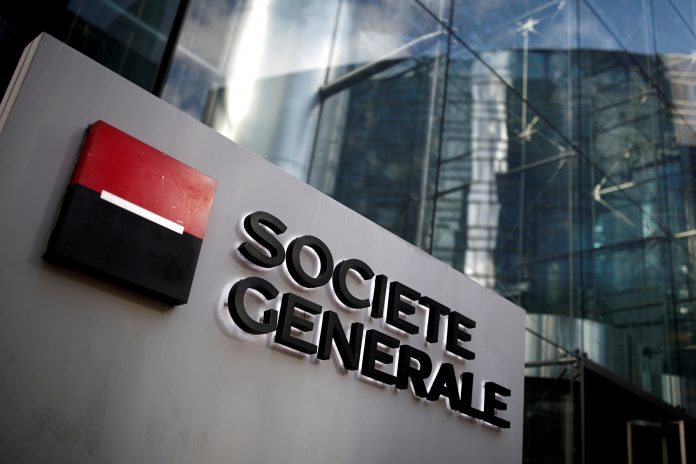
Société Générale is preparing to break new ground as the first major global bank to launch a publicly tradable, dollar-backed stablecoin, a move that deepens institutional adoption of blockchain-based finance and signals growing confidence in the role of stablecoins as the future of money movement.

The new digital asset, dubbed “USD CoinVertible”, will be issued by SG-FORGE, the bank’s digital asset-focused subsidiary, and will debut on the Ethereum and Solana blockchains. It is expected to begin public trading in July, expanding the reach of the euro-based stablecoin infrastructure SocGen began building in 2023.

Though Société Générale’s earlier euro-denominated token has seen limited uptake—only €41.8 million in circulation—this new dollar-pegged launch aligns with market dynamics where dollar-backed stablecoins dominate global digital asset liquidity, driven primarily by private players like Tether and Circle. By offering a regulated, MiCA-compliant alternative, SG-FORGE aims to capitalize on surging institutional demand for more transparent and regulated stablecoin solutions.

“There is a very, very strong need for well-regulated, robust offerings in the crypto and stablecoin space,” said Jean-Marc Stenger, CEO of SG-FORGE, adding that more than 15 crypto exchanges and brokers are already being onboarded as clients.

The USD CoinVertible will be fully backed by U.S. dollars held in custody by BNY Mellon, one of the world’s largest custodians. Initially, reserves will remain in cash accounts, but SG-FORGE says it will eventually begin investing them into low-risk, yield-generating assets—mirroring a key revenue model used by other stablecoin giants.

A Signal of Growing Institutional Confidence

SocGen’s entry reflects a broader institutional shift into stablecoins, a sector once seen as speculative but now increasingly embraced by banks, fintechs, and governments. Stablecoins, digital tokens pegged to fiat currencies, allow faster and cheaper cross-border payments, facilitate crypto trading, and support blockchain-based finance systems such as DeFi.

Tether, the sector’s dominant force, now has over $155 billion in circulation. In 2024, the company became the seventh-largest buyer of U.S. Treasuries, a testament to the scale and influence that stablecoin issuers now wield in global finance.

Circle, the second-largest issuer, went public on June 5 and saw its shares jump nearly 50% in the first two days of trading, further cementing confidence in the stablecoin business model.

On the policy side, U.S. lawmakers are actively advancing legislation to regulate stablecoins, with bipartisan support emerging for frameworks that would bring transparency to reserve holdings and operational standards. Earlier this year, Bank of America’s CEO confirmed the bank is exploring its own stablecoin, while other major financial institutions are rumored to be considering a joint digital dollar project.

Meanwhile, the European Union’s MiCA regulation, already in force, gives EU-based players like SocGen a legal head start in launching stablecoins that meet rigorous consumer protection and reserve transparency standards—something U.S. regulators are still debating.

Traditional Finance Eyes DeFi Railroads

SG-FORGE’s dollar stablecoin is designed to support a range of use cases, from foreign exchange transactions and cross-border payments to collateral management and crypto trading. Unlike earlier bank experiments that limited token usage to internal transfers or private blockchains, this launch is aimed at public crypto markets, a critical leap into a space traditionally dominated by decentralized players.

While crypto-native firms have long ruled the stablecoin space, Société Générale’s move blurs the line between traditional banking and decentralized finance, opening the door for regulated institutions to directly challenge crypto incumbents on their turf.

With the USD CoinVertible rollout, the question now becomes whether regulation, stability, and brand trust can outweigh the speed and first-mover advantage of private issuers like Tether and Circle. SocGen’s push suggests that, at least in Europe and among corporate clients, the answer may be yes.

As the lines between crypto and traditional banking continue to dissolve, the launch of bank-issued stablecoins like CoinVertible is expected to mark the beginning of a new phase—where central banks and commercial banks start shaping the future of money, not from the sidelines, but from the blockchain itself.