DD
MM
YYYY

PAGES

DD
MM
YYYY

spot_img

PAGES

Home Blog Page 1150

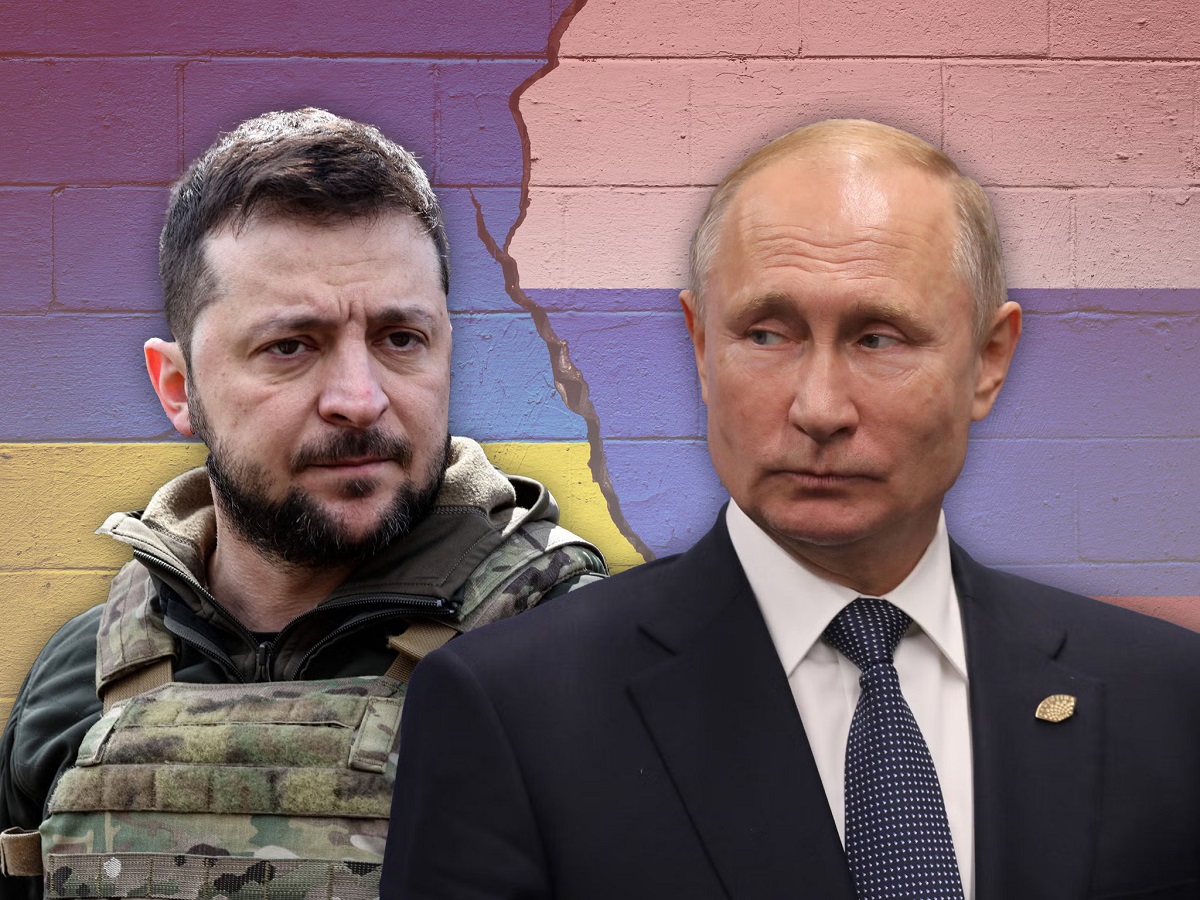
Russia and Ukraine Held First Diplomatic Talks in Over Three Years

0

Russia and Ukraine held their first direct peace talks in over three years in Istanbul, Turkey. The negotiations, involving lower-level delegations, lasted less than two hours and ended without significant progress. Russia demanded full control of occupied territories, while Ukraine, led by President Volodymyr Zelenskyy, insisted on a ceasefire as a precondition. Neither Russian President Vladimir Putin nor Zelenskyy attended, with Putin sending a second-tier delegation, which Zelenskyy called “decorative.”

Despite the talks, optimism for a breakthrough remains low, with Russia reportedly demanding Ukraine withdraw from its own territory, echoing failed 2022 talks. A notable outcome was an agreement to exchange 1,000 prisoners of war from each side. The talks followed a U.S.-backed 30-day ceasefire proposal on May 8, supported by European leaders, though Putin has not fully committed.

The talks, though brief and inconclusive, mark a rare diplomatic engagement after over three years of stalled negotiations. They reflect external pressure, particularly from the U.S. and European leaders, to explore de-escalation amid a prolonged military stalemate and global economic fallout from the conflict. The agreement to exchange 1,000 prisoners of war from each side is a tangible, albeit limited, humanitarian outcome, potentially building trust for future negotiations.

Geopolitical Shifts

The U.S.-backed 30-day ceasefire proposal and Turkey’s role as a mediator underscore shifting geopolitical dynamics. Turkey’s neutrality and prior success in brokering deals (e.g., the 2022 grain export agreement) position it as a key player, while U.S. involvement may reflect strategic interests in stabilizing the region ahead of domestic political shifts (e.g., Trump presidency).

Russia’s participation, despite sending a lower-level delegation, suggests a willingness to engage diplomatically, possibly due to economic strain from sanctions or battlefield losses. However, Putin’s absence and demands indicate a strategy to maintain leverage. For Ukraine, Zelenskyy faces domestic pressure to reclaim territory and maintain national morale, limiting his flexibility. The talks may be a way to appease international allies pushing for negotiations while signaling resolve.

Russia faces internal economic challenges and international isolation, which may force Putin to explore talks as a means to ease sanctions or consolidate gains without further military costs. The lack of progress and entrenched positions suggest a high risk of continued fighting if talks collapse. Russia’s reported demand for Ukraine to cede occupied territories could escalate tensions, while Ukraine’s insistence on a ceasefire first aligns with its need to regroup militarily.

The talks’ failure to yield a ceasefire or substantive agreement may embolden hardliners on both sides, prolonging the war and its global impacts (e.g., energy and food crises). Demands full control of occupied territories in eastern and southern Ukraine, including Donetsk, Luhansk, Zaporizhzhia, and Kherson, as a non-negotiable condition. This echoes Moscow’s 2022 stance and aligns with Putin’s goal of securing strategic gains and legitimizing annexations.

Ukraine rejects any territorial concessions, viewing them as a violation of sovereignty. Zelenskyy’s demand for a ceasefire before substantive talks reflects a strategy to halt Russian advances and preserve Ukraine’s claim to all territories, including those occupied since 2014 (e.g., Crimea). Insists on a ceasefire as a prerequisite to negotiations, aiming to freeze the front lines, protect civilian infrastructure, and buy time to strengthen its military position with Western support.

Russia opposes a ceasefire without Ukrainian concessions, particularly on territory and demilitarization. Putin’s delegation reportedly reiterated demands for Ukraine to withdraw from its own territory, a condition Kyiv deems unacceptable. Putin’s decision to send a second-tier delegation, described by Zelenskyy as “decorative,” signals a lack of serious commitment and a tactic to test Ukraine’s resolve or placate international mediators without compromising Moscow’s position.

Zelenskyy’s absence and public skepticism about the talks reflect a balancing act—engaging in diplomacy to maintain Western support while avoiding perceptions of weakness domestically. The divide is exacerbated by differing external pressures. Western allies, particularly the U.S. and EU, push Ukraine toward negotiations to reduce global economic fallout, but their military aid emboldens Kyiv to resist territorial concessions. Meanwhile, Russia’s allies (e.g., China, Iran) provide economic and military support, reducing Moscow’s urgency to compromise.

The divide mirrors the failure of 2022 talks, where similar demands—Russian control of annexed regions versus Ukrainian sovereignty—stalled progress. The prisoner exchange agreement is a small step, but the absence of high-level commitment (Putin and Zelenskyy) and mutual distrust suggest talks are more symbolic than substantive. The U.S.-proposed 30-day ceasefire, not fully endorsed by Putin, remains a potential framework, but its success hinges on bridging the territorial and ceasefire impasse.

In the short term, the talks may reduce immediate escalations, but without a shift in either side’s core demands, a prolonged conflict is likely. Long-term implications include continued global economic strain, NATO-Russia tensions, and the risk of a frozen conflict if partial agreements (e.g., on specific regions) emerge.


Next FTX Distribution of Settlement Amounting to Over $5B is Scheduled for 30th May 2025

0

The next FTX distribution of over $5 billion to eligible creditors is scheduled to begin on May 30, 2025. Payments will be processed through BitGo or Kraken, with funds expected to reach creditors within 1 to 3 business days. The upcoming FTX distribution of over $5 billion, set for May 30, 2025, carries significant implications for creditors, the crypto market, and broader financial ecosystems.

Eligible creditors will receive substantial repayments, with FTX aiming to distribute over $5 billion in this tranche. This follows earlier distributions and could provide significant financial relief to those affected by FTX’s collapse in November 2022. The funds, processed via BitGo or Kraken, are expected to reach creditors quickly, within 1-3 business days. Creditors may face tax liabilities on recovered funds, depending on their jurisdiction and whether the repayments are treated as capital gains or income.

Legal complexities, such as disputes over claim valuations, could also delay or reduce payouts for some. The influx of billions in crypto assets to creditors could increase market liquidity. If creditors sell their distributed assets (e.g., Bitcoin, Ethereum), it might exert downward price pressure. Conversely, if they hold or reinvest, it could bolster market confidence. Platforms like BitGo and Kraken, handling the distribution, may see increased trading volumes, potentially boosting their revenue.

However, they’ll need robust infrastructure to manage the surge in transactions. The FTX case sets a benchmark for handling large-scale crypto insolvencies. The relatively swift distribution (within three years) and high recovery rates (up to 119% of claim values for some creditors) could influence future bankruptcy frameworks. The distribution highlights ongoing debates about crypto regulation. Regulators may push for stricter oversight of exchanges, citing FTX’s mismanagement, while crypto advocates argue the recovery shows the industry’s resilience. Successful repayments could restore some trust in the crypto ecosystem, demonstrating that even major failures can lead to creditor recoveries.

The FTX collapse, tied to fraud by Sam Bankman-Fried, continues to fuel skepticism about centralized exchanges, potentially driving interest in decentralized finance (DeFi) alternatives. Eligible creditors, particularly those with validated claims, stand to recover significant portions of their losses, with some receiving up to 119% of their claim value due to asset appreciation and interest.

Customers with smaller claims or those excluded from the repayment plan (e.g., due to unverified accounts or jurisdictional issues) may receive nothing, deepening their financial losses. This disparity has sparked criticism about the fairness of the bankruptcy process.  Crypto proponents view the distribution as a win, showcasing the industry’s ability to recover from crises. They argue it validates the long-term value of digital assets, especially since rising crypto prices have boosted recovery amounts.

Critics, including traditional finance advocates and regulators, see the FTX saga as evidence of crypto’s volatility and risks. They point to the fraud, mismanagement, and uneven recoveries as reasons for tighter controls. The FTX collapse underscores vulnerabilities in centralized exchanges, where user funds can be misused. The distribution, while a recovery milestone, doesn’t erase the systemic risks of custodial platforms.

The event has fueled interest in decentralized platforms, where users control their assets. However, DeFi’s complexity and regulatory uncertainties create a divide in adoption potential. Creditors in jurisdictions with clear bankruptcy laws (e.g., the U.S.) are more likely to benefit from the distribution. Established financial systems also make it easier to process and tax repayments.

Creditors in less-regulated or crypto-restrictive regions may face delays, legal hurdles, or outright exclusion, highlighting global inequities in crypto bankruptcy resolutions. If creditors sell their distributed assets en masse, crypto prices could dip temporarily, affecting traders and investors. A successful distribution could strengthen the narrative of crypto’s resilience, encouraging institutional investment and mainstream adoption over time.

The FTX distribution is a pivotal moment, offering relief to many creditors while exposing divides in outcomes and perspectives. Creditors will see varied recoveries, the crypto market may face volatility, and the industry’s reputation hangs in the balance. The event underscores tensions between centralized and decentralized finance, regulatory approaches, and global access to justice in crypto bankruptcies.

The Economist Publishes An Article ‘Crypto Meets The Swamp’, Generating Heated Crypto Sentiment on X

0

The Economist published an article titled “Crypto meets the swamp: Why it won’t end well,” labeling cryptocurrency as the “ultimate swamp asset.” It argues that the U.S. crypto industry has shifted from its decentralized ideals to a tool for rent-seeking, particularly benefiting political figures like Donald Trump and his associates. The piece criticizes crypto for facilitating fraud, money-laundering, and financial crime on a large scale, deviating from its original promise of financial freedom.

The article’s focus on crypto’s ties to political rent-seeking and financial crime could amplify calls for stricter U.S. regulations. This aligns with ongoing debates about balancing innovation with oversight, potentially leading to policies that curb crypto’s growth or reshape its ecosystem. Negative framing from a high-profile outlet like The Economist may erode investor confidence, particularly among institutional players wary of reputational risks. This could trigger short-term price volatility or dampen mainstream adoption.

Industry Reputation: The “swamp asset” label risks cementing crypto’s association with fraud and corruption in the public eye, undermining efforts by legitimate projects to gain credibility. It may also polarize the industry, with some doubling down on decentralization to counter centralized influence. The article’s critique of crypto’s alignment with figures like Trump could deepen partisan divides. Pro-crypto politicians may push back with favorable policies, while critics could leverage the narrative to advocate for crackdowns, especially if tied to broader anti-corruption agendas.

As U.S. regulatory moves often influence global markets, heightened scrutiny could ripple internationally, affecting jurisdictions competing to be crypto hubs. Conversely, it might drive innovation to less regulated regions. Critics (e.g., The Economist’s view): See crypto as a haven for fraud, money-laundering, and political opportunism. They argue it has strayed from its libertarian roots, becoming a tool for insiders to exploit regulatory gaps and enrich themselves.

This camp often includes traditional financial institutions, regulators, and skeptics who view crypto as inherently unstable or socially harmful. Supporters defend crypto as a transformative technology for financial inclusion and decentralization. They dismiss critiques like The Economist’s as establishment bias, pointing to mainstream adoption (e.g., ETFs, corporate treasuries) as proof of legitimacy. Many in this group, active on platforms like X, argue that regulatory overreach, not crypto itself, threatens progress.

Some acknowledge crypto’s flaws—scams, volatility, and illicit use—while advocating for balanced regulation to preserve innovation. This group often includes policymakers and academics who see potential but demand accountability. X posts reflect this divide vividly. Some users call the article “propaganda” from a “dying legacy outlet,” citing crypto’s resilience and growing user base (e.g., Bitcoin’s market cap near $2 trillion). Others agree with the “swamp” label, pointing to high-profile scams and political lobbying as evidence of corruption.

The polarized reactions underscore a broader cultural clash between crypto’s anti-establishment ethos and traditional finance’s push for control. The “swamp asset” narrative could catalyze regulatory and market shifts, depending on how stakeholders respond. The divide—between crypto’s promise of freedom and its perceived descent into opportunism—will likely intensify, shaping its trajectory as either a mainstream asset or a cautionary tale.

Mubadala Investment Company Disclosed $408.5M Investment In BlackRock’s iShares

0

Abu Dhabi’s sovereign wealth fund, Mubadala Investment Company, disclosed a $408.5 million investment in BlackRock’s iShares Bitcoin Trust (IBIT) ETF, as per a 13F filing with the SEC. This stake, comprising 8.7 million shares as of March 31, 2025, positions Mubadala as one of the largest holders of IBIT, reflecting growing institutional adoption of cryptocurrency.

Some reports suggest the investment may have increased to around $461 million, elevating Mubadala to the seventh-largest IBIT holder. This move signals a significant shift, as sovereign wealth funds rarely invest directly in crypto assets, potentially influencing broader market confidence.

Mubadala’s investment signals growing acceptance of Bitcoin among conservative, high-profile institutional investors like sovereign wealth funds, which typically prioritize stability and long-term returns. This could encourage other institutional players to explore crypto exposure. The move may boost investor confidence, potentially driving Bitcoin’s price higher as it reinforces the asset’s credibility.

Sovereign wealth funds rarely invest directly in volatile assets like Bitcoin. Mubadala’s stake could pave the way for other state-backed funds to allocate to crypto, reshaping global investment strategies. Abu Dhabi’s investment reflects a strategy to diversify beyond traditional oil-based revenue streams, hedging against energy market volatility with digital assets.

The UAE has been fostering a crypto-friendly environment with progressive regulations. This investment strengthens its position as a regional leader in blockchain and digital finance. The move may pressure other nations’ funds (e.g., Saudi Arabia’s PIF or Norway’s NBIM) to consider similar allocations to avoid missing out on crypto’s growth, intensifying competition for digital asset exposure.

Impact on BlackRock’s ETF

Mubadala’s significant stake enhances the iShares Bitcoin Trust (IBIT)’s liquidity and appeal, potentially attracting more institutional and retail investors. The investment underscores the rising popularity of spot Bitcoin ETFs as a regulated, accessible way for institutions to gain crypto exposure without direct custody risks.

While institutional backing may stabilize Bitcoin’s price long-term, short-term volatility could increase as markets react to such high-profile entries. Large sovereign investments may draw attention from global regulators, potentially leading to stricter oversight of crypto markets or ETFs. Critics highlight concerns that institutional involvement could centralize Bitcoin ownership, countering its decentralized ethos.

Crypto enthusiasts view this as a game-changer, with some calling it a “watershed moment” for Bitcoin’s mainstream adoption. They argue it validates Bitcoin’s role as a store of value and inflation hedge. Supporters believe Mubadala’s move will trigger a domino effect, with other funds rushing to allocate to Bitcoin to avoid missing out on potential gains. Some downplay concerns about centralization, arguing that ETFs provide a regulated on-ramp for institutions without undermining Bitcoin’s core principles.

Crypto purists argue that institutional investments via ETFs undermine Bitcoin’s decentralized ethos, concentrating ownership among wealthy entities. With some expressing fears of “Wall Street co-opting” Bitcoin. Critics warn that institutional inflows could amplify price swings, especially if funds like Mubadala exit positions during market downturns. There’s concern that institutional dominance in Bitcoin could exacerbate wealth gaps, as retail investors may be priced out of significant gains.

Some analysts see this as a natural evolution of Bitcoin’s maturation, balancing institutional adoption with its decentralized roots. They argue ETFs democratize access while providing stability. Others frame it as a strategic move by Abu Dhabi to assert influence in the digital economy, neither inherently positive nor negative for crypto’s ethos.

The divide reflects tension between Bitcoin’s original vision as a decentralized, anti-establishment asset and its growing role as a mainstream investment vehicle. To address concerns: Clear communication about how ETFs function could alleviate fears of centralization, emphasizing that Bitcoin’s blockchain remains independent.

Balanced regulations that protect retail investors while fostering institutional participation could mitigate risks of market manipulation or exclusion. Continued development of decentralized finance (DeFi) alongside institutional products could preserve Bitcoin’s ethos while accommodating diverse investors.

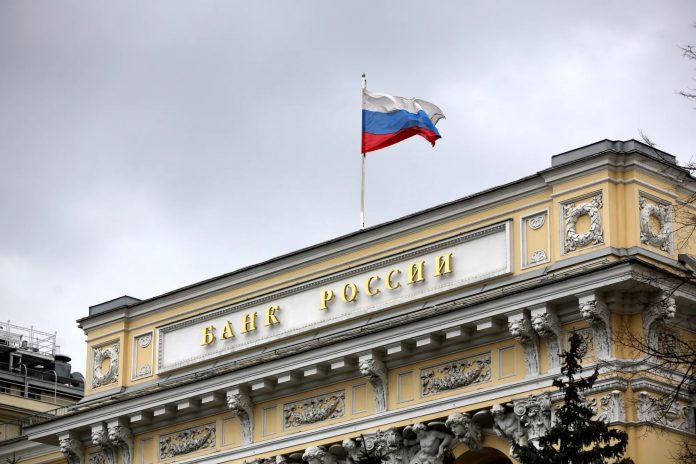
Russia’s Central Bank Reporting Bitcoin As Top Performing Investment Asset is Pivotal Moment for Crypto

0

The Central Bank of Russia has reported Bitcoin as the top-performing investment asset in 2025, with a 38% return over the past 12 months, outperforming traditional assets like gold, stocks, and bonds. Since 2022, Bitcoin’s cumulative return has reached 121.3%. Its year-to-date performance in 2025 shows a 17.6% return, and in April 2025 alone, it gained 11.2%. This recognition marks a shift in Russia’s stance, as the Central Bank has also included Bitcoin in its financial overview and plans to launch a crypto exchange for qualified investors. However, Bitcoin’s volatility remains notable, with a reported 17.6% drop in Q1 2025.

The Central Bank of Russia’s acknowledgment of Bitcoin as a high-performing asset signals a growing acceptance of cryptocurrencies within traditional financial systems. This could encourage other central banks and financial institutions globally to consider Bitcoin as a legitimate investment vehicle, potentially reducing regulatory hostility in some regions. Russia’s plan to launch a crypto exchange for qualified investors further integrates cryptocurrencies into its financial ecosystem, potentially attracting institutional investment and fostering a regulated crypto market.

Russia’s embrace of Bitcoin aligns with its efforts to diversify away from traditional financial systems, particularly amid Western sanctions and exclusion from global systems like SWIFT. Bitcoin could serve as a hedge against geopolitical risks and currency devaluation, especially for a country facing economic isolation. By promoting Bitcoin, Russia may position itself as a hub for crypto innovation, attracting capital and talent in the blockchain space, while challenging the dominance of Western financial markets.

The Central Bank’s endorsement could boost Bitcoin’s global market perception, potentially driving further price appreciation as investor confidence grows. This is particularly significant given Bitcoin’s 38% return in the past 12 months and 121.3% since 2022. However, Bitcoin’s volatility (e.g., a 17.6% drop in Q1 2025) may deter risk-averse investors, and the Central Bank’s report could amplify speculative trading, increasing price swings.

Russia’s move suggests a softening of its historically cautious stance on cryptocurrencies, which previously included proposals to ban crypto trading and mining. This could lead to clearer regulations, encouraging adoption among retail and institutional investors. However, the focus on “qualified investors” indicates a controlled approach, likely limiting retail participation to mitigate financial risks for the broader population.

Russia’s pivot contrasts with countries like China, which maintain strict bans on crypto trading, and others like the U.S., where regulatory clarity remains elusive. This creates a fragmented global landscape, with some nations embracing crypto as an economic tool and others viewing it as a threat to financial stability. The Central Bank’s involvement in a crypto exchange underscores tension between centralized control (state-regulated platforms) and Bitcoin’s decentralized ethos, potentially alienating purist crypto advocates who oppose government oversight.

By limiting crypto exchange access to qualified investors, Russia risks widening the wealth gap, as only high-net-worth individuals or institutions may benefit from Bitcoin’s high returns. Retail investors, who face higher risks due to volatility, may be excluded from regulated platforms. Russia’s adoption of Bitcoin could deepen the divide between sanctioned economies (e.g., Russia, Iran) and those integrated into global financial systems. Sanctioned nations may increasingly turn to cryptocurrencies to bypass restrictions, while others rely on traditional assets.

Within Russia and globally, Bitcoin’s rise fuels debates between crypto enthusiasts, who see it as a hedge against inflation and government overreach, and traditional investors, who prioritize stability and trust in fiat-based systems. The Central Bank’s report may embolden the former while alarming the latter. Bitcoin’s pseudonymous nature clashes with Russia’s likely desire for oversight on its crypto exchange, creating tension between user privacy and state surveillance.

Russia’s Central Bank reporting Bitcoin as its top-performing investment has far-reaching implications, from legitimizing crypto in a major economy to reinforcing Russia’s strategic shift amid geopolitical tensions. However, it also underscores divides—between regulatory approaches, economic access, ideological perspectives, and risk appetites.