DD
MM
YYYY

PAGES

DD
MM
YYYY

spot_img

PAGES

Home Blog Page 1165

Animoca Brands is Planning to List on NYSE

0

Animoca Brands, a Hong Kong-based blockchain and Web3 investment company, is planning a public listing on the New York Stock Exchange, with an announcement expected soon. The move is driven by the Trump administration’s relaxed regulatory stance on cryptocurrencies, which co-founder Yat Siu describes as a “unique opportunity” to access the world’s largest capital market.

The company, previously valued at nearly $6 billion, reported $97 million in earnings on $314 million in revenue for 2024, with $300 million in cash and $538 million in digital assets. Animoca’s portfolio includes investments in major crypto projects like OpenSea and Consensys. The firm is exploring various equity structures for the IPO, aiming to capitalize on the favorable U.S. crypto environment.

Listing on the NYSE, the world’s largest stock exchange, provides Animoca Brands access to a vast pool of institutional and retail investors. This could significantly boost its ability to raise capital, potentially exceeding its previous $6 billion valuation, to fund further investments in blockchain, Web3, and gaming projects.

The Trump administration’s crypto-friendly policies, including relaxed regulations and potential leadership changes at the SEC, create a favorable environment for Animoca. This reduces risks of regulatory crackdowns, unlike in jurisdictions like Hong Kong or mainland China, where crypto policies remain stringent.

A U.S. listing elevates Animoca’s global profile, positioning it as a leader in the blockchain and Web3 space. It could attract partnerships with major U.S.-based tech and entertainment firms, enhancing its portfolio, which already includes OpenSea, Consensys, and The Sandbox. With $300 million in cash and $538 million in digital assets, Animoca can leverage the IPO to unlock liquidity, potentially converting volatile crypto holdings into fiat or equity to stabilize its balance sheet and fund growth.

A successful IPO could signal growing mainstream acceptance of blockchain and Web3 technologies, encouraging other crypto-native companies to pursue public listings and drawing traditional investors into the space. Animoca’s move may pressure competitors like Binance Labs or Dapper Labs to accelerate their own capital market strategies, intensifying competition in the blockchain investment sector.

Increased funding could accelerate Animoca’s development of decentralized gaming, NFTs, and metaverse projects, pushing innovation in these nascent industries.

Crypto markets are notoriously volatile. A downturn in digital asset prices could impact Animoca’s valuation and investor confidence, especially given its significant crypto holdings. While the current U.S. administration is crypto-friendly, future policy shifts or global regulatory tightening (e.g., in the EU or Asia) could complicate operations.

Animoca must navigate complex equity structures and investor expectations, balancing its crypto-native identity with the demands of traditional finance. Animoca’s planned listing highlights a divide in how stakeholders view the intersection of blockchain, Web3, and traditional finance.

Crypto enthusiasts view the IPO as a validation of blockchain’s potential, bringing Web3 closer to mainstream adoption. They see Animoca’s move as a way to bridge decentralized ecosystems with global capital, potentially increasing the value and utility of tokens and NFTs in its portfolio.

Traditional Investors may be skeptical of Animoca’s heavy reliance on volatile digital assets and the unproven long-term value of Web3. They demand clear profitability metrics and governance structures, which could clash with Animoca’s decentralized ethos. The $97 million earnings on $314 million revenue may be seen as modest compared to tech giants, raising valuation concerns.

The U.S.’s current pro-crypto stance under Trump’s administration is a pull factor for Animoca, offering a less restrictive environment than Hong Kong, where crypto trading faces tight controls. This divide underscores the U.S. as a hub for crypto innovation. Hong Kong and China’s stricter regulations reflect a broader Asian skepticism toward crypto’s risks, such as money laundering and market manipulation. Animoca’s shift to the U.S. may signal a retreat from Asia, potentially limiting its influence in the region’s growing digital economy.

Web3 visionaries led by figures like Yat Siu, they see the IPO as a means to fund a decentralized future, where blockchain empowers users over corporations. They prioritize long-term ecosystem growth over short-term profits. Investors and analysts may push for profitability and risk mitigation, potentially pressuring Animoca to pivot from speculative Web3 projects to more stable revenue streams, creating tension with its core mission.

Global Investors see Animoca’s NYSE listing as a chance to tap into the global Web3 boom, diversifying portfolios with exposure to crypto without direct token ownership. Local Hong Kong community may view the move as a loss for Hong Kong’s ambition to be a crypto hub, especially as Animoca, a homegrown success, shifts its financial center to the U.S.

To succeed, Animoca must address these divides, transparently cate articulate its Web3 vision to traditional investors while demonstrating financial discipline to maintain credibility. Develop equity structures that balance decentralized principles with NYSE’s regulatory requirements, such as tokenized shares or shareholder voting mechanisms.

Maintain ties with Asian markets through strategic partnerships or regional hubs to avoid alienating its Hong Kong roots. Risk management hedge against crypto volatility by diversifying revenue streams, possibly through licensing its gaming IPs or expanding into non-crypto tech sectors.

Animoca’s IPO could redefine the blockchain industry’s relationship with traditional finance, but its success hinges on navigating these divides with strategic finesse.


Crypto Wallet Security: Protecting Your Digital Assets

0

In the ever-evolving world of cryptocurrencies, where fortunes can be made or lost at the click of a button, one thing remains clear—security is king. Whether you’re a seasoned investor or just dipping your toes into digital assets, safeguarding your holdings is non-negotiable. Setting up a Bitcoin wallet online may seem like a simple first step—quick, accessible, and perfect for getting started—but just like stashing cash under your mattress, convenience doesn’t always equal safety. When your digital wealth is at stake, cutting corners is a recipe for disaster.

Think of your crypto wallet as your personal vault. Only this vault isn’t tucked away in your home or protected by a traditional lock—it’s secured by encryption, private keys, and, often, your own level of caution. So how can you protect what you can’t physically see or touch? This guide unpacks the must-know strategies to keep your digital assets locked down tight—because in the world of crypto, being penny wise and security foolish can cost you dearly.

Understanding Wallet Types: Hot vs. Cold

To protect your assets, you first need to understand where you’re storing them. Crypto wallets come in two main flavours: hot wallets and cold wallets.

Hot wallets are connected to the internet. These include mobile apps, browser extensions, desktop applications, and exchange-hosted wallets. They’re perfect for frequent traders or anyone needing quick access to their crypto. But just like leaving your front door open in a sketchy neighbourhood, they’re more vulnerable to online attacks.

Cold wallets, on the other hand, are offline. Hardware wallets like Ledger and Trezor or even paper wallets that store private keys physically provide a much more secure option. They’re ideal for long-term holders—the HODLers—who want peace of mind knowing their assets aren’t exposed to constant online threats.

Using a combination of both—a hot wallet for day-to-day use and a cold wallet for larger holdings—is like keeping some cash in your wallet for coffee, while the rest stays locked in a safe.

Private Keys: The Keys to the Kingdom

If your wallet is the vault, then your private key is the key to that vault. Lose it, and you’re locked out forever. Share it, and someone else could walk away with everything.

Private keys are strings of random letters and numbers generated when you create your wallet. They’re used to sign transactions and verify ownership. Unlike a bank, there’s no “forgot password” link. If you lose your key and don’t have a backup, your funds are gone for good—just ask the countless investors who’ve had to kiss their coins goodbye.

This is why it’s critical to back up your private keys securely. Write them down and store them in a fireproof safe or use encrypted offline backups. Never, ever store them in plain text on your computer or cloud drive. That’s like writing your ATM PIN on the back of your debit card.

Seed Phrases: Your Crypto Lifeline

Most wallets today use a 12- or 24-word recovery phrase, also known as a seed phrase. This phrase can regenerate your wallet and all its contents. Treat it with the same caution as your private key—perhaps even more. Anyone with access to your seed phrase has full control of your funds.

Avoid digital storage of your seed phrase. Instead, use physical backups—write it on durable materials, store it in multiple secure locations, or invest in specialised backup tools like metal seed storage plates that can withstand fire and water.

Two-Factor Authentication (2FA): A Layered Defence

One of the simplest yet most effective tools in your security arsenal is two-factor authentication. 2FA adds an extra layer of protection, requiring a second form of verification—usually a time-sensitive code generated by an app like Google Authenticator or Authy.

Avoid SMS-based 2FA where possible. SIM swapping attacks—where hackers hijack your phone number—are surprisingly common and can be used to bypass this type of 2FA. Authenticator apps or hardware security keys like YubiKey offer stronger protection.

Beware of Phishing Attacks

Phishing is one of the most prevalent threats in crypto security. These attacks trick you into handing over sensitive info—like passwords or private keys—by posing as trustworthy entities, often through emails, fake websites, or malicious pop-ups.

The golden rule? Never click on suspicious links. Bookmark official wallet and exchange URLs and avoid sharing sensitive information through email or chat. If something seems too good to be true—like a giveaway asking you to “verify your wallet”—it probably is.

Scammers have gotten crafty, often cloning legitimate websites or even engaging victims on social media. Stay sharp, question everything, and double-check before making a move.

Keep Your Software Up to Date

Security is a moving target. Hackers constantly look for new vulnerabilities, and developers patch them as they go. Keeping your wallet software and operating systems updated is crucial. Regular updates ensure you have the latest security fixes and improvements.

Delaying updates is like driving around with a cracked windshield—you might get by for a while, but one sharp impact and you’re in trouble.

Use Reputable Wallet Providers

When choosing a wallet, don’t just go for the shiniest interface or the one with the funniest name. Opt for wallets that are open-source, have strong community backing, and have stood the test of time. Reviews and user feedback can provide valuable insight into whether a provider takes security seriously.

Also, check if the wallet has been independently audited. Security audits are essential in catching potential bugs or vulnerabilities before they can be exploited.

The Role of Multisignature Wallets

For those handling large sums—such as institutions or family offices—multisignature (multisig) wallets offer an additional layer of protection. These wallets require multiple private keys to approve a transaction, reducing the risk of a single point of failure.

Think of it like a vault that needs two or more keys to open. It’s particularly useful for joint ownership or creating a trust-like setup where no single party can move funds unilaterally.

Don’t Rely on Exchanges for Long-Term Storage

Cryptocurrency exchanges are convenient, but they’re not banks. Their security, while often robust, is still a target-rich environment for hackers. Over the years, exchanges like Mt. Gox, Coincheck, and even Binance have faced major breaches resulting in millions of dollars lost.

Use exchanges for trading, but always withdraw your funds to your own wallet for safekeeping. As the saying goes in crypto circles: “Not your keys, not your coins.”

Educate Yourself and Stay Vigilant

The world of crypto never stands still. New threats, scams, and security tools emerge constantly. Joining trusted forums, following crypto security experts on social media, and subscribing to updates from your wallet provider can keep you one step ahead.

Being proactive rather than reactive is the name of the game. Cybersecurity in crypto is not a “set it and forget it” situation. It’s a dynamic, ongoing responsibility.

Common Mistakes to Avoid

  • Reusing passwords across platforms: A data breach on one site can lead to compromised access on another. Use a password manager to generate and store unique, strong passwords.
  • Ignoring suspicious activity: Don’t wait until it’s too late. Unusual login attempts or account notifications could be red flags.
  • Trusting blindly: From fraudulent apps to malicious browser extensions, always verify before installing anything related to your wallet.
  • Skipping backups: Even if your wallet app is secure, a lost phone or damaged laptop without a backup could mean lost funds.

The Future of Wallet Security

Innovation in wallet security continues at a breakneck pace. We’re seeing the rise of biometric authentication, social recovery wallets, and even decentralised identity solutions that could one day render traditional passwords obsolete.

Hardware wallets are also getting more user-friendly, with features like touchscreens, Bluetooth, and integration with mobile apps, making them accessible without compromising safety.

Meanwhile, smart contract wallets like Argent and Safe (formerly Gnosis Safe) are pushing the boundaries by allowing programmable security rules—like daily transfer limits or multi-layer approvals—that bring an entirely new level of control.

Final Thoughts: Don’t Let Your Guard Down

Securing your crypto isn’t rocket science, but it does require vigilance, discipline, and a bit of paranoia—because unlike traditional banking, there’s no safety net. No customer support line to call. No bank manager to reverse a transaction.

You are your own bank.

And while that level of freedom is empowering, it also comes with great responsibility. Treat your digital assets with the same level of care you’d give to gold, cash, or important documents. Better yet, give them more. In a world where hackers never sleep, neither should your security strategy.

Whether you’re holding a few hundred dollars or a hefty portfolio, protecting your crypto wallet is not just about technology—it’s about mindset. Stay alert, stay informed, and stay secure.

Blockchain for Business Transformation: Beyond Cryptocurrency – Exploring Enterprise Applications in Supply Chain, Identity Management, and More

0

Not long ago, blockchain was the talk of the town solely for its role in powering cryptocurrencies. From late-night debates on XRP margin trading to weekend headlines about Bitcoin volatility, the technology often played second fiddle to its financial offspring. But as the dust settles around the crypto craze, blockchain itself is stepping out of the shadows and into boardrooms, logistics centers, and government departments. It’s no longer just a playground for tech-savvy traders—it’s fast becoming a powerhouse tool for solving real-world enterprise problems.

Just as the internet began as a military project and blossomed into the world’s greatest communication platform, blockchain is maturing beyond its roots in digital currencies. Today, businesses are waking up to its transformative potential across multiple sectors—none of which require coin speculation to appreciate.

A Ledger Without Lies

At its core, blockchain is a digital ledger—a chain of blocks containing data that’s secure, immutable, and transparent. Think of it like a record book that writes itself, can’t be erased, and is visible to everyone who needs to see it. In an age where data tampering and trust issues run rampant, that kind of reliability is worth its weight in gold.

For businesses, this immutable quality means fewer disputes, faster audits, and a much clearer trail of accountability. From pharmaceuticals to fashion, companies are leveraging blockchain to ensure that the records they keep—and share—are as solid as a rock.

Supply Chain: From Farm to Fork, and Beyond

Few sectors stand to benefit from blockchain as much as supply chain management. Supply chains today are as tangled as a bowl of spaghetti, with goods passing through numerous hands, jurisdictions, and checkpoints. At every link, there’s potential for fraud, miscommunication, or inefficiency.

Blockchain offers an elegant solution: a shared, real-time ledger that logs every step of a product’s journey. Walmart, for example, uses blockchain to trace the origin of mangoes in the U.S. What once took nearly a week to trace now takes 2.2 seconds. That’s not just faster—it could be the difference between containing a contamination outbreak or facing a public health crisis.

Similarly, De Beers uses blockchain to track the provenance of diamonds, ensuring they are ethically sourced. Every time a gem changes hands, a digital fingerprint is added to the chain, making it nearly impossible for conflict diamonds to sneak in undetected. This kind of transparency doesn’t just enhance efficiency—it builds consumer trust, something money can’t always buy.

Identity Management: Who You Are, Without a Doubt

In a world increasingly reliant on digital interactions, verifying identity remains a stubborn problem. Passwords get hacked. Data breaches leak millions of personal records. Many people still lack proper documentation entirely. According to the World Bank, over 1 billion people globally have no official ID. Without it, they’re effectively invisible to banks, employers, and governments.

Blockchain presents a path forward through decentralized identity systems. These systems store identity credentials on a blockchain, encrypted and accessible only by the user. Instead of handing over your entire data dossier just to prove you’re over 18, you could allow access to a verified yes-or-no answer—no more, no less.

Estonia, one of the world’s most digitally advanced countries, uses blockchain to secure its citizens’ e-identities. With a single ID, Estonians can access healthcare, vote, and even sign legally binding documents—all underpinned by blockchain. It’s like having a digital passport to life.

Smart Contracts: Agreements That Auto-Execute

Imagine striking a deal that’s guaranteed to execute only when both parties meet their obligations—no lawyers, no notaries, no drama. That’s the magic of smart contracts.

Smart contracts are self-executing agreements coded directly onto the blockchain. They automatically enforce the terms—if X happens, then Y follows—like a digital vending machine. For example, a freelancer could be paid automatically when a project milestone is completed and verified on-chain, eliminating delays and disputes.

In insurance, companies are using smart contracts for automatic claims processing. If flight data shows that a passenger’s plane was delayed by more than four hours, the blockchain triggers an instant payout—no need to fill out forms or argue with a call center.

It’s automation meets accountability, and it’s poised to streamline industries riddled with red tape.

Healthcare: Healing Through Transparency

In healthcare, where seconds save lives and privacy is paramount, blockchain could be a miracle cure for outdated data systems. Medical records today are fragmented across providers, often inaccessible when urgently needed. Meanwhile, data breaches in healthcare are alarmingly common—2023 alone saw over 133 million exposed records globally.

Blockchain can help by offering a secure, unified platform for storing and sharing medical records. Patients could own their own data, granting temporary access to doctors, hospitals, or researchers as needed. This not only improves treatment outcomes but also opens the door to better public health research—without compromising privacy.

Some hospitals are piloting systems that use blockchain to log patient histories, prescriptions, and even organ transplants. It’s like upgrading from a locked filing cabinet to an intelligent, transparent, always-available system that never forgets and never lies.

Real Estate: Closing Deals Without the Paper Chase

Buying a house is a monumental task—not just emotionally but administratively. Titles, deeds, escrow accounts, verification—it’s a paperwork jungle. Blockchain promises to clear the path.

By putting property titles on blockchain, we can reduce fraud, accelerate closings, and drastically cut down on bureaucracy. Sweden has been exploring a blockchain-based land registry that could shave weeks off property transactions. Everything from buyer verification to mortgage issuance could be handled on a smart-contract-enabled ledger.

Tokenized real estate—where physical property is divided into digital shares—is also gaining traction. It opens the door to fractional ownership, allowing more people to invest in real estate without coughing up six figures upfront.

Energy and Sustainability: Greener Grids, Smarter Markets

Sustainability is the buzzword of the decade, and blockchain is playing a role there too. In decentralized energy markets, blockchain enables peer-to-peer energy trading. Think of it as Airbnb for electricity—your solar panel can sell extra juice to your neighbor, all tracked via blockchain.

In Brooklyn, a pilot project allows residents to trade solar power using blockchain-based smart contracts. The system is transparent, efficient, and democratic—cutting out the utility middleman.

Additionally, blockchain is being used to verify carbon credits and supply chain sustainability claims. It ensures that companies can’t just greenwash their way into eco-friendliness—every claim must be backed by tamper-proof data.

Logistics and Customs: Speeding Up the Slow Lane

Anyone who’s dealt with international shipping knows the delays and paperwork nightmares involved. Blockchain could turn this headache into a streamlined process.

By digitizing shipping documents and integrating customs checkpoints into a shared blockchain, companies can eliminate redundant inspections and prevent document fraud. Maersk and IBM’s TradeLens initiative aimed to do just that, reducing shipment times and cutting costs by providing a unified view of cargo movements.

Though TradeLens was sunset in 2022, its legacy lives on, and newer platforms are refining the concept with better scalability and interoperability.

Obstacles on the Road to Adoption

Despite its promise, blockchain for enterprise is no slam dunk. Adoption is often slowed by a lack of technical expertise, regulatory uncertainty, and concerns about scalability. It’s not enough to slap blockchain onto a broken process and expect miracles—it requires systemic change and, often, cultural buy-in.

Moreover, interoperability between different blockchains remains a hurdle. Many enterprise solutions are built as private or permissioned blockchains, which may not communicate with public networks. Without bridges, we risk building digital silos instead of interconnected ecosystems.

Energy consumption, particularly with older consensus mechanisms like Proof of Work, has also drawn criticism. Thankfully, newer models like Proof of Stake and Layer 2 scaling solutions are addressing this concern, making enterprise blockchain more eco-friendly.

The Road Ahead: From Hype to Habit

If the first wave of blockchain was about disruption, the next wave is about integration. Businesses are no longer asking what is blockchain? but how do we use it better? It’s not about chasing buzzwords, but about solving real pain points with tools that are battle-tested, secure, and efficient.

Gartner estimates that by 2030, blockchain will generate $3.1 trillion in new business value. That’s not just a drop in the bucket—it’s a tsunami in the making. As the technology matures, expect to see blockchain quietly powering the world behind the scenes—just like the internet does today.

Like upgrading from a typewriter to a touchscreen tablet, embracing blockchain is about preparing for the future of trust, efficiency, and transparency.

Conclusion: Blockchain’s Business Rebirth

We’ve officially entered a new chapter in blockchain’s journey—one where boardroom decisions outweigh crypto headlines. Whether it’s ensuring the authenticity of a vaccine, streamlining a billion-dollar shipping route, or giving someone a verifiable digital identity for the first time, blockchain is moving the needle on business transformation.

It’s no longer about speculation—it’s about application. Like oil in the industrial age, data is the new lifeblood of business. And blockchain? It’s the refinery.

CME Group is Set to Launch Cash-Settled XRP Futures

0

CME Group is set to launch cash-settled XRP futures on May 19, 2025, pending regulatory approval. These futures will allow investors to speculate on XRP’s price without holding the asset, using the CME CF XRP-Dollar Reference Rate, calculated daily at 4:00 p.m. Two contract sizes will be available: micro (2,500 XRP) and standard (50,000 XRP), catering to both retail and institutional traders.

This move expands CME’s crypto derivatives suite, following Bitcoin, Ethereum, and Solana futures, and reflects growing institutional interest in XRP amid improved regulatory clarity post-Ripple’s SEC settlement. The launch of CME Group’s cash-settled XRP futures on May 19, 2025, carries significant implications for the cryptocurrency market, institutional adoption, and XRP’s role in finance.

CME’s XRP futures provide a regulated, cash-settled product for institutional investors to gain exposure to XRP without the complexities of custody or direct ownership. This lowers barriers for hedge funds, asset managers, and banks. The futures align with CME’s existing crypto derivatives (Bitcoin, Ethereum, Solana), signaling growing mainstream acceptance of XRP as a legitimate asset class.

Post-Ripple’s SEC settlement, improved regulatory clarity reduces legal risks, encouraging institutions to engage with XRP derivatives. Futures contracts enable hedging, which can reduce XRP’s price volatility—a common barrier to institutional investment. The availability of micro (2,500 XRP) and standard (50,000 XRP) contracts broadens market participation, increasing trading volume and liquidity.

The CME CF XRP-Dollar Reference Rate, used for settlement, provides a transparent benchmark, fostering trust in pricing. Futures allow investors to bet on XRP’s price movements, potentially amplifying bullish or bearish sentiment. This could drive short-term price swings, especially around the launch. Positive sentiment from institutional entry may boost XRP’s market perception, reinforcing its utility in cross-border payments via Ripple’s network.

Ripple’s Ecosystem Growth

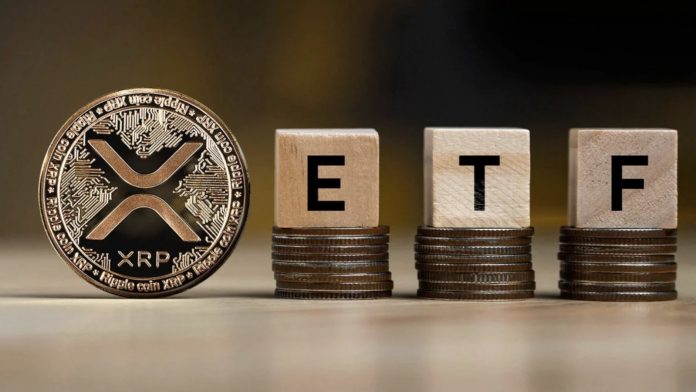
XRP futures validate Ripple’s efforts to position XRP as a bridge currency for global payments, potentially accelerating adoption by financial institutions using RippleNet. The launch may spur further development of XRP-based financial products, such as ETFs or structured products, pending regulatory approval. The launch, subject to regulatory approval, underscores a maturing crypto regulatory environment in the U.S., particularly after Ripple’s legal clarity. It may pressure regulators to define clearer guidelines for other altcoins, shaping the broader crypto derivatives market.

The introduction of XRP futures creates a divide among stakeholders, reflecting differing priorities, access levels, and views on centralization. Benefit from regulated access to XRP exposure, with tools for hedging and risk management. Large players may dominate standard contracts (50,000 XRP), influencing market dynamics. Micro contracts (2,500 XRP) make futures accessible to smaller traders, but retail investors may lack the capital or expertise to compete with institutions. This could widen the gap in market influence.

Institutions gain sophisticated tools and liquidity, while retail traders face barriers like high margin requirements or limited understanding of futures, potentially exacerbating wealth disparities. View futures as validation of XRP’s utility and Ripple’s vision, especially for cross-border payments. They see institutional backing as a step toward mass adoption. Criticize XRP’s centralized nature (Ripple’s significant XRP holdings and control) and argue futures legitimize a less decentralized asset over Bitcoin or Ethereum.

The launch may deepen ideological tensions within the crypto community, with XRP’s corporate backing clashing with the ethos of decentralization. XRP’s use in Ripple’s international payment solutions (e.g., Asia-Pacific) may see boosted credibility, but futures are primarily U.S.-centric due to CME’s regulatory framework.

The launch caters to U.S. institutions, potentially sidelining markets where XRP has stronger real-world adoption (e.g., Japan, Middle East). Non-U.S. participants may feel excluded from the futures market due to regulatory or access barriers, creating a U.S.-centric bias in XRP’s financialization. Futures attract traders focused on price movements, potentially overshadowing XRP’s intended use case in payments.

Ripple and XRP proponents emphasize real-world applications, worrying that speculative trading could distort XRP’s value proposition. The futures market may prioritize short-term profits over long-term utility, creating tension between speculative and fundamental value drivers.

CME’s XRP futures launch is a pivotal step toward mainstreaming XRP, enhancing liquidity, and attracting institutional capital. However, it also highlights divides between institutional and retail investors, ideological factions within crypto, global and U.S.-centric markets, and speculative versus utility-driven agendas. These dynamics will shape XRP’s trajectory, with the potential to either bridge gaps through broader adoption or widen them if access and priorities remain uneven.

Jumia Launches Delivery Service in Nigeria, Aiming to Transform Logistics Across Africa

0

Jumia, Africa’s leading e-commerce platform, has launched Jumia Delivery in Nigeria, expanding its logistics service following a successful rollout in Côte d’Ivoire.

Backed by one of the largest delivery fleets on the continent and a logistics network that spans hundreds of cities, Jumia Delivery is set to transform last-mile logistics in Nigeria. Customers can now seamlessly send parcels nationwide, leveraging Jumia’s trusted infrastructure and partnerships with third-party logistics providers.

The service offers individuals and businesses a fast, secure, and cost-effective parcel delivery solution, leveraging Jumia’s extensive fleet and distribution network across hundreds of cities.

Africa’s growing digital economy demands robust and efficient delivery services, and we are excited to introduce Jumia Delivery as a reliable solution to improve last-mile logistics. The introduction of Jumia Delivery in Nigeria, following our success in Côte d’Ivoire, is a major step forward in addressing logistics challenges and meeting the evolving needs of both individuals and businesses,” said Francis Dufay, CEO of Jumia.

Jumia Delivery is a logistics and shipping service launched by Jumia, to extend its robust logistics infrastructure to third-party sellers, informal merchants, small and medium enterprises (SMEs), and potentially other businesses requiring efficient delivery solutions.

This service leverages Jumia’s extensive network of warehouses, distribution centers, and last-mile delivery capabilities to provide a reliable and scalable shipping option across multiple African markets. The concept of Jumia Delivery emerged as a natural extension of Jumia’s logistics expertise. Recognizing that many small businesses and informal sellers in Africa struggle with reliable and affordable shipping, Jumia launched Jumia Delivery as a standalone service to cater to these needs.

The service was first piloted in Côte d’Ivoire in late 2024, targeting SMEs and informal merchants who needed cost-effective shipping solutions for their customers. Following a successful pilot, Jumia expanded the service to Nigeria in May 2025, with plans to roll it out to Kenya, Ghana, and Senegal by the end of 2025 or early 2026.

By opening its logistics network to external users, Jumia aims to address the challenges of fragmented and costly logistics in Africa, empower local businesses, and diversify its revenue streams beyond traditional e-commerce.

Key Features and Benefits

Jumia Delivery offers several advantages that make it a compelling option for businesses in Africa. 

Extensive Reach: Jumia’s logistics network spans urban centers and remote regions, enabling sellers to reach customers in areas where traditional couriers may not operate. For example, in Nigeria, Jumia delivers to rural areas that are often underserved by other logistics providers.

Scalability: The service caters to businesses of all sizes, from informal traders shipping a few packages weekly to SMEs with high order volumes. This flexibility supports Africa’s diverse business ecosystem.

Cost Efficiency: By leveraging Jumia’s existing infrastructure, sellers benefit from economies of scale, reducing shipping costs compared to standalone courier services or in-house logistics.

Reliability and Transparency: Real-time tracking, predictable delivery windows, and professional handling enhance customer trust and satisfaction.

Support for Social Commerce: With the rise of social media-driven commerce in Africa, Jumia Delivery enables informal sellers to professionalize their operations by offering reliable shipping without the need for a formal e-commerce store.

Sustainability Initiatives: Jumia has explored eco-friendly practices, such as optimizing delivery routes and using electric vehicles in select markets, which could appeal to environmentally conscious businesses.

The rollout of Jumia Delivery in Nigeria is part of a broader strategy to scale the company’s logistics capabilities continent-wide. This expansion puts Jumia in direct competition with logistics and delivery platforms like Uber, Bolt, Sendbox, and GIG. However, Jumia is differentiating itself by opening up its proprietary fulfillment infrastructure, aiming to boost efficiency and lower costs at scale, particularly in the crucial last-mile segment.

With this strategic move, Jumia is reinforcing its role as a core enabler of Africa’s e-commerce ecosystem, continuing to build a logistics infrastructure that meets the evolving demands of digital commerce across the continent.