DD
MM
YYYY

PAGES

DD
MM
YYYY

spot_img

PAGES

Home Blog Page 1197

Tesla Shares Rally 22% in May Despite Slumping Global Sales and Political Blowback

0

Tesla stock rebounded strongly in May, gaining more than 22% for the month, despite a string of discouraging sales data in two of its most important markets — China and Europe.

The rally comes at a moment when CEO Elon Musk has promised to refocus on his companies, scaling back his visible role in politics and government work.

The more than 22% surge in Tesla’s stock in May helped reverse some of the damage done earlier in the year. The company is still down about 14% year-to-date, making it one of the poorer performers among major U.S. tech companies. Apple, for instance, is down more than 19%, the worst of the so-called megacaps.

The recent bounce comes as Tesla shifts investor attention away from slumping global sales and toward its future in robotics and autonomous driving. However, the rally is also fueled by expectations that Trump’s return to power will help Tesla maintain a favorable regulatory and political environment — particularly on tariffs, EV credits, and AI policy.

Musk Steps Back From Government Role — But Not Entirely

May also marked a symbolic turning point for Musk’s political entanglements. Trump announced Friday that Musk’s time as a “special government employee” in charge of the Department of Government Efficiency (DOGE) had formally come to an end.

“This will be his last day, but not really, because he will, always, be with us, helping all the way,” Trump wrote on Truth Social. “Elon is terrific!”

The DOGE role was an informal White House post created for Musk early in Trump’s second term. Though largely ceremonial, it gave Musk direct access to senior federal officials and aligned him closely with the Trump administration’s economic agenda.

Speaking at the White House on Friday, Musk said he would no longer be spending significant time in government service but would remain on call for the president.

“I expect to remain a friend and an advisor, and certainly, if there’s anything the president wants me to do, I’m at the president’s service,” he said.

Musk said on a recent Tesla earnings call that his involvement with DOGE would be reduced to “a day or two per week” through the end of Trump’s term. He also confirmed that he plans to keep an office in the White House.

Sales in China and Europe Collapse

While the political winds in Washington may be shifting in Musk’s favor, Tesla’s business metrics continue to flash warning signs.

In Europe, Tesla’s car sales fell by more than 50% in April compared to a year earlier. In China, which has become a critical global market for electric vehicles, Tesla’s sales have declined by about 25% during the first eight weeks of the second quarter.

Analysts say the company is losing ground to more agile and aggressive competitors. In China, local giants like BYD have expanded their offerings and cut prices, eating into Tesla’s market share. In Europe, the company is now facing a potent mix of regulatory resistance and political backlash.

Protests and Political Fallout

Musk’s open support for Trump and recent endorsement of Germany’s far-right AfD party have triggered a public backlash, including organized protests at Tesla’s Gigafactory in Grünheide, Germany.

That political stance has alienated key segments of Tesla’s once-loyal customer base. What was once a brand associated with progressive innovation has, under Musk’s leadership, become polarizing.

Some U.S. consumers have turned away from Tesla over Musk’s increasingly combative public persona and political rhetoric.

Pension funds and institutional investors are growing impatient. A group of major pension fund managers recently sent a letter to Tesla’s board, urging directors to rein in Musk and require that he commit a minimum of 40 hours a week to the company. They described the current state of affairs as a “crisis” and cited a need for stronger corporate governance.

Tesla Shifts Focus to Robotaxis and AI

In an attempt to change the narrative, Tesla has been emphasizing its future in automation, robotics, and artificial intelligence. The company hopes to reignite excitement around its long-promised robotaxi service.

Bloomberg reported this week that Tesla is planning to launch the robotaxi ride-hailing service in Austin, Texas, on June 12 — although Tesla has not yet confirmed that date. Musk told CNBC’s David Faber in a recent interview that Tesla would start with a small fleet of Model Y Tesla vehicles equipped with the company’s newest, Unsupervised Full Self Driving hardware and software.

Musk has been promising investors a self-driving robotaxi since 2019, but the company has so far lagged behind Alphabet-owned Waymo, which recently passed 10 million paid, driverless rides in the U.S.

However, while investors appear encouraged by Musk’s pivot back to business, the path forward is still fraught with reputational and strategic challenges. Analysts warn that Tesla’s longer-term prospects depend less on stock performance and more on its ability to regain a customer base that has grown wary of Musk’s deepening political affiliations, especially his alignment with President Donald Trump and far-right political groups in Europe.


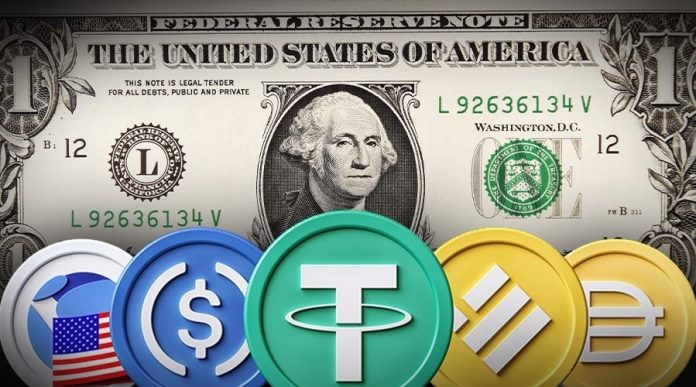
FTX Has Started Distribution of Over $5B In Stablecoins To Creditors Today

0

FTX began distributing over $5 billion in stablecoins to creditors today, May 30, 2025, as part of its second major repayment wave following its 2022 bankruptcy. This payout, facilitated through BitGo and Kraken, targets creditors with claims exceeding $50,000 who completed pre-distribution requirements by April 11, 2025. Recovery rates vary by creditor class: 72% for Class 5A (Dotcom Customer Entitlement Claims), 54% for Class 5B (U.S. Customer Entitlement Claims), 61% for Classes 6A and 6B (Unsecured and Digital Asset Loan Claims), and 120% for Class 7 (Convenience Claims under $50,000).

The distribution, representing nearly 2% of the total stablecoin supply, is expected to boost crypto market liquidity, with analysts like Miles Deutscher suggesting funds may flow into Bitcoin, Ethereum, and altcoins, potentially sparking a market rally. Funds should reach eligible creditors within 1-3 business days. The FTX distribution of over $5 billion in stablecoins to creditors has significant implications for both the crypto market and the affected creditors, with a clear divide in outcomes based on creditor class and market dynamics.

The release of $5 billion in stablecoins, equivalent to roughly 2% of the total stablecoin supply, is a massive liquidity event. Stablecoins like USDT and USDC are often used as on-ramps for crypto investments. Analysts, including Miles Deutscher, predict that a portion of these funds will flow into Bitcoin, Ethereum, and altcoins, potentially driving a market rally. Historical data from similar events, like the Mt. Gox distributions, suggests short-term volatility followed by bullish momentum if funds are reinvested.

The successful execution of this payout could bolster confidence in crypto bankruptcy resolutions, signaling that even major collapses can result in substantial recoveries. However, any delays or issues in distribution could reignite skepticism about centralized platforms. The influx of stablecoins could temporarily affect their pegs or trading volumes, particularly on exchanges like Kraken, which is facilitating the payout. Increased stablecoin circulation may also pressure issuers like Tether or Circle to manage supply adjustments.

The distribution highlights a stark divide in recovery rates among creditor classes. Class 5A (Dotcom Customer Entitlement Claims): Recover 72% of their claims, reflecting partial compensation for losses. Class 5B (U.S. Customer Entitlement Claims): Recover 54%, a lower rate due to regulatory or jurisdictional factors. Classes 6A and 6B (Unsecured and Digital Asset Loan Claims): Recover 61%, indicating moderate recovery for riskier claim types. Class 7 (Convenience Claims under $50,000): Recover an impressive 120%, including interest, favoring smaller claimants who opted for simplified settlements.

This divide underscores inequities in the bankruptcy process, where smaller creditors (Class 7) fare better than larger ones, potentially due to negotiated terms or asset valuation methodologies. Creditors receiving stablecoins face immediate tax implications, as the IRS may treat these distributions as taxable income based on the value at receipt. Large creditors (claims over $50,000) must also navigate converting stablecoins to fiat or other assets, potentially incurring fees or market slippage.

Only creditors who completed pre-distribution requirements by April 11, 2025, are eligible for this wave. Those who missed the deadline or have smaller claims may face delays, creating frustration and a sense of exclusion. Smaller creditors (Class 7) receive disproportionately higher recoveries (120%) compared to larger creditors (54%-72%), potentially exacerbating tensions between retail and institutional investors. Creditors with immediate access to funds via BitGo or Kraken can capitalize on market opportunities, while others awaiting future distributions may miss out on potential price surges.

U.S. customers (Class 5B) recover less than non-U.S. customers (Class 5A), reflecting regulatory disparities that penalize certain jurisdictions. Sophisticated creditors with legal or financial advisors likely navigated the claims process more effectively, securing better outcomes than less-informed retail investors. This payout, while a step toward resolving FTX’s collapse, doesn’t erase the broader fallout.

The 2022 crash, triggered by mismanagement and fraud under Sam Bankman-Fried, wiped out billions in customer funds. The recovery process, led by John J. Ray III, has been praised for salvaging $16 billion in assets, but the uneven distribution and ongoing legal battles (e.g., clawbacks from prior settlements) highlight persistent inequities.

The FTX distribution is a pivotal moment for the crypto market, likely spurring short-term bullishness, but it also underscores deep divides in creditor outcomes, shaped by claim size, jurisdiction, and access to resources. Creditors should monitor market conditions and consult tax professionals to navigate the aftermath.

Small Brands Winning Big by Outsourcing Their Kitting Services

0

The retail scene is crowded and fast-moving, leaving small brands hustling for attention amid giant competitors. Limited budgets and lean teams often mean juggling everything—from production and packaging to shipping and customer service—while trying to build a name that stands out.

One way these brands are finding breathing room is by outsourcing, especially when it comes to kitting services. Offloading packaging and order assembly helps streamline fulfillment and improve presentation, giving small teams the bandwidth to focus on growth, quality, and customer connection.

Why Small Brands Choose Kitting Services to Stay Ahead

Customers expect fast shipping and well-packed products—and kitting makes that possible. Outsourced teams group items into ready-to-ship sets, speeding up fulfillment and reducing in-house labor costs. The process simplifies logistics and helps small brands avoid the costs of hiring seasonal help or investing in packing materials.

For instance, a small brand handling their own fulfillment might cap out at a few dozen orders a day before things start slipping—missed items, inconsistent packaging, slow turnarounds. By outsourcing kitting, they can jump to handling significantly more volume with fewer mistakes, all while freeing up time to focus on things like product development, marketing, or retail outreach.

How Kitting Solves Common Operational Hiccups

When order volume spikes, small brands with custom or bundled products can quickly feel overwhelmed. Without a solid system, errors creep in, delays pile up, and customers lose trust. Outsourced kitting adds structure and clarity to fulfillment, making it easier to pack the right items consistently. With standardized processes in place—such as barcoded pick lists and double-check stations—accuracy improves and packing mistakes drop.

For instance, small brands that once struggled during peak seasons often find that outsourcing kitting transforms the process. With pre-assembled kits and organized components—such as grouping items by SKU—shipping becomes faster and fulfillment less error-prone. What used to be a stressful scramble can shift into a smoother, more manageable operation.

Saving Money Without Cutting Corners

Small brands often get hit with surprise costs, especially for packing and assembly. Outsourcing kitting can actually cut expenses. Skilled teams work faster, avoid mistakes, and follow solid routines. For example, many third-party kitting providers use standardized checklists for every batch, reducing overlooked steps that lead to rework. This means fewer delays and less fixing later. Brands save money, skip the hassle, and still keep operations on track without straining their own resources.

Consider a new apparel brand. Working with a kitting provider helps them get faster turnarounds and fewer mix-ups. They also use consistent packaging methods, which helps cut down on wasted materials and reduces the number of product returns. These changes not only save money—they also help the brand earn a better reputation with shoppers.

Better Brand Presentation Without the Extra Work

Presenting a polished brand image is easier when logistics aren’t eating up internal bandwidth. With outsourced kitting, businesses can concentrate on product innovation while experienced partners handle packaging execution. This approach allows products to arrive in cohesive, well-designed kits that reinforce the brand’s identity and quality.

For example, some small brands use outsourced kitting to create polished launch packages that improve their presentation. With consistent, well-executed packaging, products arrive looking professional and cohesive—something that resonates with both influencers and customers. It’s an easy way to boost brand perception without adding strain to internal operations.

Why Outsourced Kitting Works Long-Term

Outsourcing kitting helps small brands stay consistent, even during high-volume periods. With clear systems and trained partners handling fulfillment, teams avoid last-minute scrambles and can focus on product quality, marketing, and customer connection. Shipping is faster, errors decrease, and internal operations feel more manageable.

Flexibility is another key benefit. As demand shifts, brands can scale output without stretching their own staff. Centralizing inventory with a kitting partner also improves visibility, so teams can plan ahead for launches or replenishments with fewer surprises. This kind of support gives small brands space to grow smart—without losing control or burning out. Over time, it creates a smoother workflow and better customer experience, which helps build loyalty and long-term success.

Outsourcing kitting can be a game-changer for small brands aiming to scale without burning out. It lifts the burden of packing and shipping, letting teams focus on product quality, marketing, and customer engagement. As order volumes rise, kitting partners offer the flexibility to grow without scrambling for extra hands or space. Products arrive looking polished, creating strong first impressions and repeat customers. Mistakes drop, turnarounds speed up, and operations feel less chaotic. For brands trying to compete with bigger players, this streamlined support can make all the difference. Explore providers that align with your needs and start building smarter systems today.

Use BCC Mining to easily earn $57,800 a day at home

0

Recently, BCC Mining launched a new mobile application. BCC Mining is a free cloud mining platform regulated by the UK (FCA). The platform advocates environmental protection, simplicity, efficiency, safety, and energy saving, and provides mining of other cryptocurrencies such as Dogecoin, Bitcoin, Litecoin, etc. The application allows users to view, purchase, and manage their cloud mining investments anytime, anywhere, making cryptocurrency investors more assured and convenient.

Experts predict that by July 2025, “Bitcoin, Litecoin, Dogecoin, and Ripple will break through the $130,000, $500, $1, and $10 mark, respectively.” Therefore, the launch of the BCC Mining mobile app is timely, allowing more cryptocurrency holders to increase their passive income.

Platform Advantages

  • High daily profit potential, no hidden fees.
  • Get a $15 bonus immediately after signing up. (757 left)
  • Supports 10 cryptocurrencies, including USDT, DOGE, XRP, BTC, ETH, SOL, etc.
  • Affiliate program can earn up to 1 BTC.
  • Security powered by McAfee® and Cloudflare®, with 24/7 customer support.
  • A cloud mining platform approved by the UK FCA, the platform holds more than 8,000 Bitcoin strategic reserves.

Simple steps to start cloud mining with BCC Mining

Step 1: Choose BCC Mining as your service provider: BCC Mining’s mining method is simple and straightforward, and users can start mining with only a minimum deposit. The platform ensures that everyone can participate by providing daily returns on mining contracts and flexible withdrawal methods.

Step 2: Register an account: Visit the official BCC Mining website www.bccmining.com, create an account with your email address, log in to access the control panel, and start mining immediately.

Step 3: Purchase a mining contract: BCC Mining offers a variety of contract options to suit different budgets and goals. Users can choose from the following options:

Use the most advanced mining machines for cloud mining:

  • [A1366I-119T]: Investment amount: $100, contract period 2 days, total income: $100 + $8.
  • [A15-194T]: Investment amount: $600, contract period 5 days, total income: $600 + $36.
  • [M60S]: Investment amount: $3,000, contract period 21 days, total income: $3,000 + $819.
  • [S21 XP+ Hyd]: Investment amount: $8,000, contract period 31 days, total income: $8,000 + $3,720.
  • [Box-40ft]: Investment amount: $50,000, contract period 40 days, total income: $50,000 + $35,000.

(The platform has a variety of flexible contracts, click on the official website to view: https://www.bccmining.com)

The future of cryptocurrency is full of opportunities and challenges. With the continuous advancement of cryptocurrency technology and the gradual improvement of supervision, cryptocurrency will surely be applied in more fields and integrated into our daily lives.

In 2025, cloud mining will continue to be a convenient and effective way for anyone to profit from the cryptocurrency space. The BCC Mining platform is driving innovation in the space, meeting user demands for security, returns, and convenience.

Take the first step and choose the contract that suits you. Increase your cryptocurrency assets quickly.


For more information, please see:

Official website: https://www.bccmining.com

APP download: https://www.bccmining.com/xml/index.html#/app

Email: info@bccmining.com

Conduit Raises $36M Series A to Revolutionize Cross-Border Payments With Stablecoins

0

Conduit, a leading stablecoin-powered cross-border payments platform, has raised $36 million in Series A funding.

The round was co-led by Dragonfly and Altos Ventures, with participation from Sound Ventures, Commerce Ventures, DCG, Circle Ventures (issuer of USDC), Helios Digital Ventures, and Portage Ventures also participating.

This milestone supports the company’s mission to offer a faster, more reliable alternative to traditional cross-border payment rails, powered by stablecoins.

Speaking on the new capital raised, Conduit CEO Kirill Gertman said,

“This funding will accelerate our mission to build next-generation global payments infrastructure, promoting fairer economic opportunities worldwide”.

The new round of funding will help conduit; Launch in five new countries in Asia, Expand local currency and stablecoin coverage and grow the team, and continue improving its infrastructure.

At Conduit, the company believes that stablecoins aren’t just a new technology, they’re the missing piece that connects fragmented payment systems worldwide. While traditional cross-border rails remain slow, opaque, and costly, stablecoins offer a way to move money instantly, transparently, and with full interoperability between fiat and digital currencies.

Founded in 2021, Conduit employs 57 people, serves over 100 clients, and has achieved 105% year-over-year client growth. The platform offers businesses across the globe a better way to simply and cheaply move Money and grow money with faster speed, better visibility, and fewer steps than traditional payment rails. With a Conduit account, global businesses can make seamless cross-border commercial transactions between local fiat in emerging markets to USD around the world.

Conduit’s payment network integrates stablecoins, USD, and local currencies, offering businesses a faster, cheaper, and more reliable alternative to the legacy SWIFT system. With direct partnerships with over two dozen banks across North America, Latin America, Europe, Africa, and Asia, Conduit enables transactions to settle in seconds.

The platform has seen 16x transaction volume growth from 2023 to 2024, saving clients over 60,000 hours in settlement times and $55 million in fees. It provides near-instant, programmable global transactions with built-in AML, sanctions screening, and transaction monitoring.

Why Businesses Choose Conduit

Speed and Efficiency: Transactions settle in seconds via direct bank partnerships, bypassing slow correspondent banking networks.

Broad Coverage: Supports diverse currencies and payment methods, including inflationary currencies in emerging markets.

Deep Liquidity: Institutional-grade FX providers ensure seamless processing of large transactions.

Conduit supports multiple payment rails, including SWIFT, ACH, Fedwire, and local systems in regions like Europe, the UK, China, Hong Kong, Mexico, Brazil, Colombia, Nigeria, and Kenya. It addresses challenges such as limited USD access, high fees, slow settlements, and regulatory complexities by enabling real-time transitions between stablecoins and fiat currencies for efficient invoice settlements.

Dragonfly Capital’s Rob Hadick will join Conduit’s board. “Conduit’s billions in annual transaction volume prove stablecoins are the future of cross-border payments,” Hadick said. “Their innovative technology, traction, and product-market fit make them a critical infrastructure provider for the global economy.”

Conduit is building a new kind of financial infrastructure, one that’s faster, cheaper, and more reliable than the legacy systems that still dominate global business payments.

From Latin America to Africa and Asia, the infrastructure will meet the needs of today’s global businesses, connecting modern domestic payment methods to a unified on-chain layer.