DD
MM
YYYY

PAGES

DD
MM
YYYY

spot_img

PAGES

Home Blog Page 1288

A Foray Into Removal of Network Fees For Solana Transfers and Swaps by Robinhood

0

Robinhood has waived network fees for Solana token transfers and wallet swaps until June 9, 2025, as part of a promotional offer. This applies to both regular users and Robinhood Gold subscribers, with specific benefits and limitations. No network fees for Solana token transfers (deposits and withdrawals) on the Robinhood Crypto app, covering tokens like SOL, USDC, BONK, and others. This is available in most U.S. states (except New York) and select U.S. territories. Additional perks include up to 10 fee-free Solana transfers per month on the Robinhood app and up to 5 fee-free transfers using Robinhood Connect.

Gold subscribers can also access up to 3 fee-free swaps per day on the Solana network through the Robinhood Wallet app, excluding cross-chain swaps and Wrapped SOL swaps. Authentication of Gold status in the Robinhood app is required to enable these benefits in the Wallet app.

This move aligns with Robinhood’s efforts to make crypto trading more accessible, especially as Solana’s ecosystem grows. However, standard network fees may apply if daily or monthly limits are exceeded, and users should be aware of potential tax implications (consult a tax advisor). Eliminating network fees reduces the cost of transferring and swapping Solana-based tokens (e.g., SOL, USDC, BONK), making it more attractive for retail investors, especially those with smaller portfolios where fees can be a significant barrier.

The fee waiver is likely to drive more frequent trading, transfers, and wallet activity on Robinhood’s platforms, particularly among casual users and those new to crypto. The promotion could attract users who have been hesitant to engage with crypto due to fees, potentially increasing Robinhood’s crypto user base.

Boost for Solana’s Ecosystem

Highlighting Solana-specific transactions may draw attention to its high-speed, low-cost blockchain, reinforcing its position as a competitive alternative to Ethereum and other layer-1 networks. Fee-free swaps in the Robinhood Wallet could encourage users to explore Solana’s decentralized finance (DeFi) protocols and NFT marketplaces, increasing on-chain activity.

Increased demand for Solana-based tokens due to easier access and lower costs could positively impact prices, especially for SOL and popular memecoins like BONK. Competitors like Coinbase, Binance.US, or Kraken may feel pressure to offer similar fee reductions or promotions to retain users, potentially sparking a broader trend of fee waivers in the crypto industry.

Other crypto wallets may need to enhance their offerings or reduce fees to compete with Robinhood Wallet’s fee-free swaps for Gold subscribers. By absorbing network fees, Robinhood strengthens its appeal as a cost-effective platform for crypto trading, potentially capturing market share from competitors. The additional benefits for Gold subscribers (e.g., more fee-free transfers and swaps) incentivize users to upgrade, boosting Robinhood’s subscription revenue.

The temporary nature of the promotion (ending June 9, 2025) could hook users on Solana trading, encouraging them to remain active even after fees are reinstated. Absorbing network fees could strain Robinhood’s margins, especially if transaction volumes surge significantly. Users may grow accustomed to fee-free trading and react negatively when fees return, potentially leading to churn if not managed carefully.

Increased crypto activity on Robinhood could draw attention from regulators, especially given past scrutiny of the platform’s crypto offerings. Frequent transfers and swaps may create complex tax reporting requirements for users, who may need to track cost basis and capital gains. X posts indicate positive community sentiment, with users viewing this as a bullish signal for Solana and Robinhood’s crypto ambitions. However, some may speculate on whether this signals deeper integration of Solana or a response to competitive pressures.

The promotion could fuel short-term speculative trading in Solana-based tokens, particularly memecoins, given their popularity on Robinhood. This fee waiver is a strategic move to drive user engagement, enhance Solana’s visibility, and strengthen Robinhood’s position in the crypto market. While it benefits users and the Solana ecosystem in the short term, its long-term impact depends on how Robinhood manages the transition back to standard fees and whether competitors respond with similar incentives. Users should monitor Robinhood’s terms for updates and consider tax implications of increased trading activity.
Dogecoin Surges 10%, While This Rival Altcoin Under $0.1 Gains Market Share With $2.2M Raised

0

Dogecoin is back in the headlines after a 10% price surge, trading around $0.18 in the past 24 hours. The move comes despite Elon Musk announcing that he’ll be stepping back from his light-hearted role in the so-called “Department of Government Efficiency” (DOGE), a fictional nod to the coin’s acronym. Musk stated he plans to refocus on Tesla following a dip in company performance, signaling that his crypto involvement will decrease starting in May.

Yet, even with Musk pulling back, Dogecoin’s momentum hasn’t stalled. In fact, the price uptick suggests the meme coin may be beginning to hold its ground without leaning so heavily on external hype.

According to Coinglass, over $11.6 million in short positions were liquidated as bearish traders were caught off guard. Around 85% of those losses came from bets against Doge’s rise, highlighting just how quickly sentiment can shift.

But the story doesn’t end with Dogecoin. A rising competitor, Cutoshi, is steadily gaining attention for very different reasons.

Cutoshi: A Sub-$0.10 Challenger With Real-World Utility

While Dogecoin rallies on sentiment, Cutoshi is building momentum through product releases and investor confidence. The Ethereum-based memeFi project has raised over $2.2 million in its crypto presale and launched two key components of its ecosystem: a multi-chain wallet and a new token swap platform.

What sets Cutoshi apart is its focus on functionality. The Cutoshi Wallet, available now at cutoshiwallet.com, allows users to manage, stake, and exchange assets across more than 20 blockchains. It’s designed to appeal to both meme coin traders and DeFi users, aiming to become the best crypto wallet for meme coins and beyond.

Meanwhile, Cutoshi Swap takes a bold approach. It lets users trade tokens without connecting a wallet — a move that enhances privacy while simplifying the process for casual users. The platform supports a wide range of tokens and blockchains, all with no sign-up needed. Those interested can join the waitlist at cutoshiswap.com to be first in line when the dApp goes fully live.

Final Thoughts

Dogecoin’s latest price movement shows it’s still a force in the meme coin space, even as its connection to Musk fades. But for investors looking at utility as well as narrative, Cutoshi offers something different. With its dual-platform rollout, and growing ecosystem, this under $0.10 token is positioning itself not just as a rival — but as a serious contender in the memeFi market.

Discover More About Cutoshi:

Website: cutoshi.com

Twitter (X): @CutoshiToken

Telegram: t.me/Cutoshi

Alabama’s Securities Commission Officially Dropped Its Lawsuit Against Coinbase

0

The Alabama Securities Commission officially dropped its 2023 lawsuit against Coinbase, which had accused the crypto exchange of violating state securities laws by offering staking services without proper registration. The decision, announced via a legal filing shared by Coinbase’s chief legal officer, Paul Grewal, reflects a shift in regulatory approach, citing ongoing efforts between the U.S. Securities and Exchange Commission (SEC) and the crypto industry to develop clearer regulations.

Alabama’s move follows similar dismissals by Vermont (March 13), South Carolina (March 28), Kentucky (April 1), and Illinois (announced April 3), reducing the number of active state-level lawsuits against Coinbase from ten to five. The remaining states pursuing legal action are California, Maryland, New Jersey, Washington, and Wisconsin, with four of them banning Coinbase’s staking services entirely.

Grewal has criticized these holdouts for wasting taxpayer resources and urged Congress to establish a unified federal regulatory framework for crypto staking. This development is seen as a regulatory win for Coinbase, though legal challenges persist, notably in Oregon, where a new lawsuit echoes the SEC’s earlier claims.

The dismissal of Alabama’s lawsuit against Coinbase, alongside similar actions by Vermont, South Carolina, Kentucky, and Illinois, carries several implications for Coinbase, the crypto industry, and regulatory landscapes. With five of the original ten state lawsuits dropped, Coinbase faces less immediate legal risk and potential financial penalties. This allows the company to allocate resources toward operations, innovation, and defending remaining lawsuits in California, Maryland, New Jersey, Washington, and Wisconsin.

Positive Signal for Crypto Industry: The dismissals suggest a softening of state-level regulatory hostility toward crypto staking services. This could bolster confidence among crypto exchanges and investors, potentially encouraging broader adoption of staking products and other decentralized finance (DeFi) offerings.

Push for Federal Regulation: Alabama’s decision, citing collaboration between the SEC and the crypto industry, highlights the need for a unified federal regulatory framework. Coinbase’s chief legal officer, Paul Grewal, has emphasized this, arguing that fragmented state actions waste resources. A federal standard could streamline compliance, reduce legal uncertainties, and foster industry growth.

Persistent State-Level Challenges: The remaining five states, particularly those banning Coinbase’s staking services, indicate ongoing regulatory fragmentation. This creates operational hurdles for Coinbase, as it must navigate varying state laws, potentially limiting its service offerings in those regions.

Precedent for Other Exchanges: The dismissals may set a precedent for other crypto platforms facing similar state-level lawsuits, encouraging regulators to prioritize dialogue over litigation. However, new lawsuits, like Oregon’s, suggest that not all states are aligned in this shift.

Market and Investor Impact: Reduced legal overhang could positively affect Coinbase’s stock price and investor sentiment, signaling operational stability. However, ongoing lawsuits and the lack of a clear federal framework may temper long-term optimism.

The dismissals reflect a growing recognition of the need for regulatory clarity in the crypto sector. As states step back, pressure mounts on Congress and the SEC to establish rules that balance consumer protection with innovation, potentially shaping the global competitiveness of the U.S. crypto market. While a step forward, the remaining lawsuits and absence of federal regulation mean Coinbase and the broader crypto industry must continue navigating a complex and evolving legal landscape.

Finance Minister: Nigeria Needs 7% GDP Growth to Reduce Poverty

0

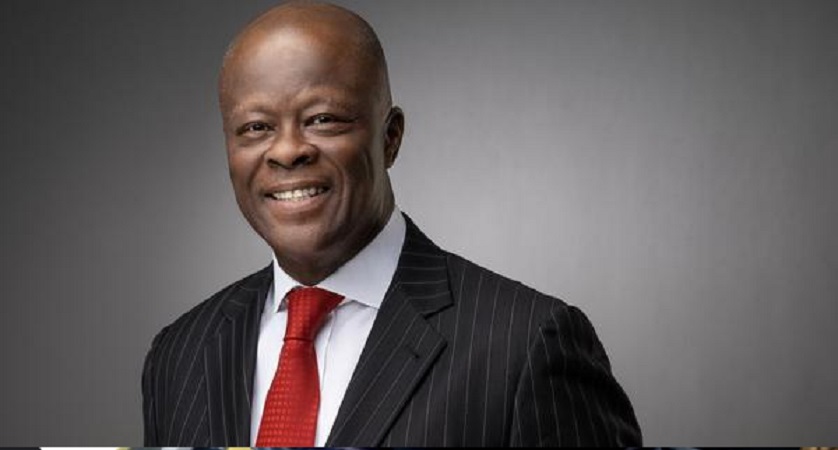
Nigeria must achieve sustained GDP growth of about 7 percent if it hopes to meaningfully reduce poverty and raise the living standards of its citizens, says the Minister of Finance and Coordinating Minister of the Economy, Wale Edun.

Edun made the comment while responding to questions at a press briefing following the conclusion of the 2024 Spring Meetings of the International Monetary Fund (IMF) and World Bank in Washington, D.C.

While acknowledging that Nigeria’s economy is currently growing at an average rate of 3.4 percent in 2025, with the latest quarterly figure recorded at 3.84 percent, Edun stressed that this pace is insufficient to lift millions of Nigerians out of poverty.

“Unless we get to about 7% growth, we’re not going to substantially reduce poverty and improve the life of Nigerians,” he said. “That is the target and commitment of this administration.”

However, the optimism expressed by the minister stands in contrast to projections from the IMF and World Bank. According to the IMF’s latest forecast, Nigeria’s GDP is expected to grow by only 3.0 percent this year. The World Bank’s outlook is only marginally higher at 3.6 percent. These projections highlight a major gap between the government’s ambitions and the country’s economic reality.

More critically, Nigeria, once Africa’s largest economy, has now dropped to the fourth largest on the continent, falling behind South Africa, Egypt, and Algeria, according to IMF data. The decline in relative economic size underscores the severity of Nigeria’s growth challenges. Against this backdrop, analysts argue that to reverse this trend and meaningfully tackle poverty, Nigeria would need to double its current growth rate — a monumental task given the country’s present economic trajectory.

The World Bank has already warned that Nigeria’s poverty crisis is set to deepen, with millions more expected to slip into poverty by 2026 if urgent measures are not taken. In a recent report, the World Bank revealed that Nigeria now accounts for 15 percent of the world’s poorest people. It stressed the need for policies that promote inclusive growth, enhance food security, and strengthen social protection systems — areas that mirror the priorities Edun highlighted at the Washington briefing.

To reach the 7 percent growth rate, Edun outlined several strategic focus areas. He stressed the importance of boosting agricultural productivity, expanding the nation’s digital infrastructure, supporting young entrepreneurs through e-commerce initiatives, and improving access to finance across all business segments. He noted that structural reforms, particularly in the financial sector, are being prioritized, with the Central Bank of Nigeria (CBN) working alongside regulators to remove capital access bottlenecks and stimulate broader economic activity.

Edun also spoke extensively about the administration’s renewed focus on social protection programs, aimed at shielding the country’s most vulnerable citizens from the harsh effects of economic reforms. He said the direct benefit transfer (DBT) system has been revamped to ensure monthly digital payments are made to verified individuals through their bank accounts or mobile wallets, using biometric registration linked to the National Identification Number (NIN) for greater transparency.

Currently, about one million individuals are enrolled in the program, but efforts are ongoing to enroll three million more every month. The national social register, which is projected to eventually represent around 20 million households, is being expanded and verified digitally to allow swift government intervention during future economic shocks.

Even with these efforts, analysts, and economists believe that attaining a 7 percent growth rate anytime soon may be unrealistic. Many argue that Nigeria’s current economic fundamentals — characterized by soaring inflation, weak industrial output, high unemployment, insecurity, policy inconsistency, and infrastructure deficits — make such aggressive growth targets extremely difficult to achieve.

Furthermore, economists have pointed out that while President Bola Tinubu’s administration has embarked on reforms such as the removal of fuel subsidies and the unification of exchange rates, the immediate fallout from these policies — rising cost of living, weakened consumer demand, and declining purchasing power — is likely to slow growth in the short-to-medium term rather than accelerate it.

With GDP growth projected to hover between 3.0 and 3.6 percent, the gap between aspiration and reality appears stark. The World Bank’s warning that millions more Nigerians could be pushed into extreme poverty by 2026 adds to the growing pressure on the government to not just implement reforms, but to find ways to cushion the devastating social impacts they are causing.

Ultimately, while Edun’s remarks reflect an aspirational vision for Nigeria’s future, the road to 7 percent growth will demand far more than promises. Economists have noted that it will require consistent, well-coordinated policy execution, massive private sector participation, drastic improvements in infrastructure and security, and a social protection system capable of absorbing the shocks of economic adjustments.

WhatsApp to Challenge $220m Nigerian Fine, Warns Ruling Could Threaten Operations

0

WhatsApp says it will urgently apply for a stay of execution and appeal a decision by Nigeria’s Competition and Consumer Protection Tribunal (CCPT) that upheld a $220 million fine imposed by the Federal Competition and Consumer Protection Commission (FCCPC).

The messaging platform disclosed this in a statement made available to the News Agency of Nigeria (NAN) on Saturday in Lagos, expressing its strong disagreement with the tribunal’s judgment.

The tribunal’s ruling not only reinforced the fine but also ordered WhatsApp and its parent company, Meta Platforms Incorporated, to pay an additional $35,000 to cover the FCCPC’s investigation costs into the companies’ data practices.

WhatsApp, in its reaction, said it would “urgently apply to stay the order and appeal today’s decision to avoid any impact to users,” underlining that the tribunal’s decision contained what it described as “multiple inaccuracies” and “misrepresented how WhatsApp works.”

Beyond contesting the financial penalties, WhatsApp warned that enforcing the ruling could fundamentally affect its ability to continue offering services in Nigeria and even impact its global operations. The company stressed that providing the platform without relying on Meta’s broader infrastructure would be impossible.

“It will be impossible to provide WhatsApp in Nigeria, or globally, without the infrastructure of our parent company, Meta,” it said.

The Back Story

The background to the ruling dates back to an earlier investigation by the FCCPC, which accused WhatsApp and Meta of discriminatory data practices. According to the Commission, the companies failed to treat Nigerian users with the same level of privacy, consent, and data protection accorded to users in other jurisdictions, particularly those protected under stricter regulations like the European Union’s General Data Protection Regulation (GDPR).

The regulator contended that the companies’ approach exposed Nigerian users to unfair data-sharing practices and failed to obtain adequate consent before sharing their information with third parties, including Facebook.

The tribunal, in its judgment delivered on Friday, not only upheld the FCCPC’s fine but also imposed a series of conditions aimed at restoring Nigerian users’ rights over their personal data. Among the directives, the tribunal ordered Meta and WhatsApp to immediately reinstate Nigerian users’ rights to control how their personal data is shared. They were also instructed to submit a formal compliance letter to the FCCPC by July 1, 2025, confirming that the corrective measures had been fully implemented.

Additionally, Meta and WhatsApp are required to update their applications to allow Nigerian users to exercise full control over each data point collected from them. They must submit their proposed new data policies to both the FCCPC and the Nigeria Data Protection Commission (NDPC) within 10 days of the ruling. The companies are expected to make these policy documents public to ensure transparency.

Another critical part of the order mandates Meta to immediately cease the sharing of Nigerian users’ data with Facebook and other third parties. Meta is also required to revert to its 2016 data-sharing policy — before the controversial integration of WhatsApp data into Facebook’s broader advertising and profiling systems — ensuring that users’ consent is explicitly sought and obtained before any data is tied across platforms. Compliance with these demands must be demonstrated with verifiable evidence.

In addition to directing Meta to reimburse the FCCPC with $35,000 as the cost of its investigative work, the tribunal mandated that the $220 million penalty must be paid no later than 60 days from April 30, 2025.

The tribunal’s ruling marks one of the most consequential regulatory actions taken against a global technology company in Nigeria’s history. It also signals a more assertive regulatory environment where Nigerian authorities are increasingly willing to impose hefty penalties on multinational tech giants that fall short of protecting local consumer rights.

However, business leaders note that the decision carries broader risks for WhatsApp and Meta. Nigeria, with its population exceeding 220 million, remains a critical growth market in Africa, and the case could set a powerful precedent for how multinational tech companies manage data governance, privacy, and user consent across the continent. Should WhatsApp’s appeal fail, experts warn that it could trigger a ripple effect, encouraging other African regulators to adopt similarly aggressive stances in enforcing local data protection laws.

Meanwhile, Nigerian officials have praised the tribunal’s decision as a step toward affirming the country’s sovereignty in regulating the digital economy. For them, the case highlights a long-standing demand that foreign digital platforms must respect the rights of Nigerian users on equal terms with users elsewhere.