DD
MM
YYYY

PAGES

DD
MM
YYYY

spot_img

PAGES

Home Blog Page 1291

U.S. SEC Approves ProShares Trust to Launch XRP ETF on April 30th

0

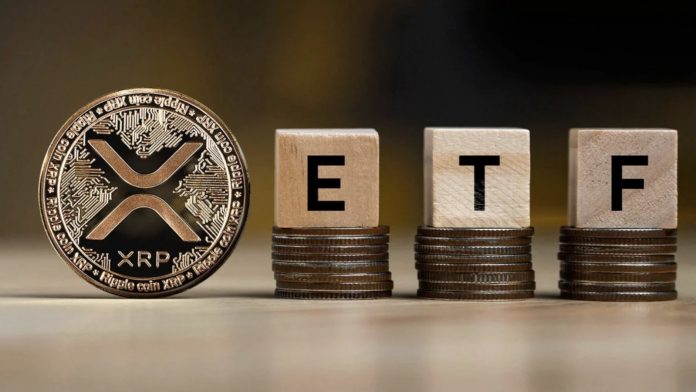
U.S. Securities and Exchange Commission (SEC) has approved ProShares Trust to launch three XRP futures-based exchange-traded funds (ETFs) on April 30, 2025. These ETFs include the Ultra XRP ETF (2x leverage), the Short XRP ETF (-1x leverage), and the Ultra Short XRP ETF (-2x leverage). Unlike spot ETFs, these funds track XRP’s price movements through futures contracts, not direct ownership of the cryptocurrency.

They will be the second, third, and fourth XRP-tracking ETFs in the U.S., following Teucrium’s 2x Long Daily XRP ETF launched earlier in April 2025. ProShares’ separate application for a spot XRP ETF remains pending, alongside similar proposals from Grayscale, 21Shares, and Bitwise.

These ETFs (Ultra XRP ETF, Short XRP ETF, and Ultra Short XRP ETF) provide investors with leveraged and inverse exposure to XRP’s price movements without directly holding the cryptocurrency. This broadens access for institutional and retail investors who prefer regulated investment vehicles over crypto exchanges.

The introduction of 2x leveraged and inverse ETFs could amplify XRP price swings. Leveraged ETFs are designed for short-term trading, attracting speculators and potentially increasing volatility, especially in a market already sensitive to regulatory and legal developments. The approval reinforces the SEC’s willingness to greenlight futures-based crypto ETFs, which it views as less risky than spot ETFs due to their regulation under the Investment Company Act of 1940. However, the pending status of ProShares’ spot XRP ETF suggests continued regulatory caution regarding direct crypto exposure.

The launch of these ETFs further validates XRP as a mainstream financial asset, especially after Ripple’s legal battles with the SEC. It could boost investor confidence and drive demand, potentially supporting XRP’s price and Ripple’s cross-border payment solutions. With Teucrium’s 2x Long Daily XRP ETF already trading, ProShares’ offerings intensify competition among ETF providers. The variety of leveraged and inverse options may spur innovation in crypto-linked financial products, though it also raises concerns about investor education given the complexity and risks of these instruments.

The Short XRP ETF and Ultra Short XRP ETF enable easier betting against XRP’s price, which could introduce downward pressure, particularly during market downturns or negative news cycles. While the ETFs don’t directly impact Ripple’s SEC lawsuit, their approval may signal a softening regulatory stance, potentially influencing future rulings or settlements. A favorable resolution could further propel XRP’s market position.

Investors should note the high-risk nature of leveraged and inverse ETFs, which are prone to significant losses in volatile markets. The broader crypto market may also watch closely for any spillover effects on other altcoins awaiting ETF approvals.

Ripple has built an extensive network of partnerships with financial institutions, banks, payment providers, and governments across 55+ countries to enhance cross-border payments and blockchain adoption. These collaborations leverage Ripple’s technology, including RippleNet, the XRP Ledger (XRPL), and its native cryptocurrency XRP, to enable faster, cheaper, and more transparent transactions.

Santander: Uses RippleNet with American Express to power real-time, trackable cross-border payments for businesses between the U.S. and U.K., streamlining transactions and reducing costs. Bank of America explores blockchain-based settlements with Ripple to enhance interbank payment efficiency, signaling institutional trust in Ripple’s tech.

Kotak Mahindra Bank and IndusInd Bank (India) adopt Ripple’s solutions to reduce costs and improve speed for international transfers, tapping into India’s massive remittance market. National Bank of Fujairah (UAE) partners with Ripple to connect with India’s IndusInd Bank for faster, cost-efficient remittances.

DZ Bank (Germany) integrates Ripple’s custody solutions via Metaco (acquired by Ripple in 2023) to offer secure digital asset services. SBI Holdings (Japan) is a long-standing partner, SBI uses Ripple’s tech for cross-border payments and has launched MoneyTap, a Ripple-powered app for domestic transfers. SBI also supports XRP on its exchange.

MoneyGram: Utilizes XRP via Ripple’s On-Demand Liquidity (ODL) for faster, cheaper global transfers, significantly reducing operational costs. Tranglo (Asia) is a major cross-border payment hub, Tranglo uses Ripple’s tech to facilitate rapid fund transfers across Asia, enhancing liquidity.

Onafriq (Africa): Partners with Ripple to open payment corridors between Africa and global markets, boosting crypto-powered remittances. Clear Junction (UK/EU) facilitates instant GBP and EUR payouts for Ripple’s customers, with plans to add more currencies, strengthening European payment infrastructure. Bitso (Latin America) uses Ripple’s ODL to improve remittance flows, making transfers faster and more cost-effective.

Ripple collaborates with 10 governments to develop Central Bank Digital Currencies (CBDCs) using its blockchain tech. Notable partnerships include: Royal Monetary Authority of Bhutan: Leverages Ripple’s CBDC platform to promote financial inclusion and digital transactions.

Saudi Central Bank (SAMA): Tests Ripple’s tech for modernizing remittances. Bank of Thailand: Assesses Ripple’s Distributed Ledger Technology (DLT) for cross-border settlements. National Bank of Georgia: Pilots the Digital Lari to enhance payment efficiency and inclusivity. Banco de la República (Colombia): Explores blockchain for high-value payment systems. These partnerships position Ripple as a leader in CBDC development, aligning with global trends toward digital currencies.

Ripple’s USD-backed stablecoin, RLUSD, is supported by major exchanges like Uphold, Bitstamp, Bitso, MoonPay, Independent Reserve, CoinMENA, and Bullish, ensuring global liquidity and compliance. RLUSD integrates with XRP for cross-border payments, enhancing transaction efficiency.

Ondo Finance: Partners with Ripple to bring tokenized U.S. Treasuries (OUSG) to the XRPL, backed by BlackRock’s BUIDL fund, enabling 24/7 minting and redemption with RLUSD. This strengthens XRPL’s role in institutional tokenization.

Airwallex (Australia): Uses Ripple’s tech for efficient global money transfers, serving businesses with high-speed transactions. LianLian (China): Facilitates rapid cross-border remittances, reducing delays and fees. World Economic Forum recognizes Ripple as a blockchain innovator, endorsing its potential to revolutionize finance.

Partnerships with major banks like Santander, Bank of America, and DZ Bank validate XRP’s utility, encouraging institutional investors to engage with XRP futures on CME’s regulated platform. This aligns with the 141% surge in CME’s crypto futures trading volume in Q1 2025. Ripple’s ODL system, used by partners like MoneyGram and Bitso, relies on XRP as a bridge currency, increasing its real-world demand. Futures will provide a hedging mechanism for these partners, enhancing market stability and liquidity.

The futures launch, coupled with Ripple’s extensive banking network, strengthens the case for an XRP spot ETF. Partnerships with regulated entities like BlackRock-backed Ondo Finance signal growing traditional finance integration, a key SEC requirement for ETF approval. Ripple’s presence in 55+ countries, covering 90% of global FX volume, ensures XRP’s relevance in diverse markets. Futures will enable traders worldwide, including retail investors via Robinhood, to capitalize on XRP’s growth in these regions.

Collaborations with central banks and compliance-focused partners (e.g., RLUSD’s New York Trust Company Charter) mitigate regulatory risks, making XRP futures more appealing to cautious investors. The partnerships drive XRP adoption, potentially pushing its price toward analyst targets of $3+ by mid-2025. Futures trading could amplify this momentum, especially if ETF approval follows.

Ripple’s partnerships with global banks, payment providers, and central banks underscore XRP’s growing role in cross-border payments and blockchain innovation. These collaborations enhance the significance of CME’s XRP futures and ProShares XRP ETF launch by driving institutional trust, liquidity, and potential ETF prospects. With over 200 partners across 55+ countries, Ripple’s ecosystem positions XRP as a cornerstone of modern finance, likely amplifying the futures’ impact on price, adoption, and market stability.


Several Critical U.S. Economic Indicators Are Scheduled For Release This Week

0

This week, several critical US economic indicators are scheduled for release, providing insights into inflation, economic growth, and labor market conditions. The PCE Price Index, the Federal Reserve’s preferred inflation gauge, is set to be released on Wednesday, April 30, at 8:30 AM ET, alongside Personal Income data. Analysts expect the March core PCE (excluding food and energy) to decelerate from February’s figures, though February’s data may be revised upward.

Headline PCE is projected to remain flat month-over-month but rise 2.6% year-over-year, with core PCE also expected to increase by 0.5% monthly and 2.6% annually. This release will be closely watched for signs of inflation trends, as it influences Fed policy decisions. The advance estimate for Q1 2025 GDP will also be released on Wednesday, April 30, at 8:30 AM ET. Economic growth is anticipated to have slowed in Q1, potentially due to surging imports and trade policy uncertainties.

The Atlanta Fed’s GDPNow model estimates a -2.5% annualized growth rate as of April 24, though an alternative model adjusting for trade data suggests -0.4%. This follows Q4 2024’s 2.3% growth, which was driven by consumer spending but tempered by inventory drawdowns and external factors like hurricanes and strikes.

Employment: Key labor market data includes the ADP National Employment Report on Wednesday, April 30, at 8:15 AM ET, offering a private-sector payroll snapshot. The Job Openings and Labor Turnover Survey (JOLTS) is due Tuesday, April 29, at 10:00 AM ET, providing insights into labor demand. The Employment Cost Index, also on Wednesday at 8:30 AM ET, will shed light on wage pressures, a critical factor for inflation.

The comprehensive April jobs report, including nonfarm payrolls and unemployment rate, is expected later, on Friday, May 2, with Bank of America economists predicting a stronger-than-expected outcome despite emerging downside risks. These releases are pivotal for assessing the US economy’s trajectory amid trade policy shifts, inflation pressures, and labor market dynamics.

Markets will likely react to deviations from expectations, particularly in PCE and GDP, as they shape monetary policy outlooks. For real-time updates, check sources like the Bureau of Economic Analysis (bea.gov) or the Federal Reserve Bank of New York’s economic calendar. The upcoming releases of PCE, GDP, and employment data will have significant implications for US economic policy, markets, and global sentiment.

If core PCE exceeds expectations (e.g., above 2.6% year-over-year), it could signal persistent inflation, reducing the likelihood of Federal Reserve rate cuts in 2025 and potentially prompting tighter policy. A lower-than-expected reading might bolster expectations for easing, supporting economic stimulus. Higher PCE could pressure bond yields upward and weigh on equities, especially growth stocks. A softer reading may boost risk assets and weaken the US dollar.

Elevated inflation erodes purchasing power, potentially curbing consumer spending, a key GDP driver. A weaker-than-expected Q1 GDP (e.g., near or below -0.4%) could heighten concerns about a slowdown, especially amid trade policy uncertainties like tariffs. Stronger growth would signal resilience, supporting confidence in fiscal and monetary strategies.

Poor GDP figures may trigger equity sell-offs and safe-haven flows to bonds or gold. Robust growth could lift stocks but raise inflation fears, impacting Fed expectations. Weak US growth could dampen global demand, affecting export-driven economies, while strong growth might stabilize international markets.

Strong employment data (e.g., high ADP payrolls or low job openings with rising wages in the Employment Cost Index) could reinforce inflation concerns, delaying rate cuts. Weak data might signal labor market cooling, supporting dovish Fed policies. A robust jobs report could strengthen the dollar and equities but raise bond yields. Soft data may weaken risk assets and increase volatility. Strong labor metrics bolster household income and spending, while weakening data could curb investment and hiring.

The Fed will scrutinize these indicators for signs of stagflation (high inflation, low growth) or cooling pressures. A mix of high PCE, weak GDP, and strong employment could complicate policy, potentially leading to a hawkish stance. With tariff-related uncertainties (e.g., Trump-era proposals), weak GDP or employment could amplify concerns about trade disruptions, while strong data might mitigate fears.

Divergence from consensus estimates in any of these indicators could spark sharp market reactions, particularly in equities, bonds, and forex. As the US economy influences global markets, weak data could pressure emerging markets and commodity prices, while strong data might stabilize global growth expectations.

Investors and policymakers will focus on whether these indicators align with a soft landing or signal deeper challenges. Monitor real-time market reactions and Fed commentary post-release for clarity on policy shifts.

Trump’s Proposed Usage of Tariff Revenue to Eliminate Income Taxes Has Broad Implications

0

President Donald Trump has proposed using revenue from tariffs to reduce or potentially eliminate income taxes for individuals earning less than $200,000 annually, as stated in various sources including a Truth Social post on April 27, 2025. He suggested this could be a “BONANZA FOR AMERICA,” with a focus on creating jobs and establishing an “External Revenue Service” to collect tariff revenues. However, economic analyses and expert opinions cast significant doubt on the feasibility of this plan.

Key Points of Trump’s Proposal

Trump claims that tariffs, such as a 10% universal tariff on most imports and higher tariffs on specific countries (e.g., 145% on China), could generate enough revenue to offset income taxes for those earning under $200,000. A Council on Foreign Relations study estimates that tax revenue from individuals earning less than $150,000 is approximately $576 billion annually. For those under $200,000, the figure would be higher but still a fraction of the total $2.2–$3 trillion collected from individual income taxes each year.

Trump references the late 19th century, when the U.S. relied heavily on tariffs for federal revenue, suggesting a return to this model. The U.S. imported $3.3 trillion in goods in 2024. Even with a 70% across-the-board tariff, revenue might reach $560–$600 billion annually, far short of the $2.2 trillion from individual income taxes. Replacing taxes for just those under $200,000 (e.g., $576 billion for under $150,000) is still challenging.

Higher tariffs reduce import volumes as prices rise, shrinking the tax base. For example, a 145% tariff on Chinese goods has nearly halted trade, yielding little revenue. The Tax Foundation estimates that a 10% universal tariff would raise $2.2 trillion over a decade, and a 20% tariff $3.3 trillion, but this is still insufficient to replace income taxes entirely.

Trump’s Tariffs increase consumer prices, disproportionately affecting low- and middle-income households. The Tax Policy Center estimates a 20% worldwide tariff plus a 60% tariff on Chinese goods would reduce household incomes by nearly $3,000 on average in 2025. Retaliatory tariffs from trading partners could further reduce U.S. exports, employment, and economic output, lowering overall tax revenues.

The Penn Wharton Budget Model projects Trump’s tariffs could reduce GDP by 6–8% and wages by 5–7%, with middle-income households facing a $22,000–$58,000 lifetime loss. Replacing income taxes with tariffs shifts the tax burden to lower-income households, as tariffs act like a consumption tax. The top 50% of earners pay 98% of income taxes, while tariffs would impact all consumers evenly, increasing costs for essentials.

For example, the bottom quintile could lose 8.5% of after-tax income, while the top quintile might gain from tax cuts. Experts, including those from the Tax Foundation and Peterson Institute, call the plan “mathematically impossible” due to the smaller tax base of imports ($3.3 trillion) compared to taxable income ($15 trillion in 2021).

Historical reliance on tariffs worked when federal spending was 2.5% of GDP in 1912, not the current 22.7%. Erica York (Tax Foundation): “It’s mathematically impossible” to replace income taxes with tariffs due to the llimited import base. Kimberly Clausing (Peterson Institute): Tariff rates would need to be “implausibly high” (e.g., 100–200%) to match income tax revenue, but higher rates shrink imports, reducing revenue.

Mark Zandi (Moody’s): Tariff revenue is unlikely to exceed $100–$200 billion annually, far below Trump’s claims of $600 billion or more. David M. Walker (Former Comptroller General): Moving entirely to tariffs is “not feasible” given the scale of modern federal spending. If tariffs generate $150–$300 billion annually (as estimated by Goldman Sachs or the Committee for a Responsible Federal Budget), they could fund partial tax cuts but not eliminate income taxes for those under $200,000.

Higher tariffs could lead to inflation, reduced consumer spending, and trade wars, offsetting any tax relief with higher living costs. Ongoing tariff negotiations and pauses (e.g., on Canada and Mexico) add uncertainty to revenue projections. While Trump’s proposal to use tariff revenue to eliminate income taxes for those earning under $200,000 is appealing to some, it is widely regarded as unfeasible by economists.

The revenue from tariffs, even at high rates, cannot match the income tax base, and the economic fallout—higher prices, reduced imports, and retaliation—would likely outweigh any tax relief. A more realistic outcome might be modest tax reductions funded by tariffs, but this would still increase costs for consumers, particularly lower-income households.

Ljubljana in Slovenia Becomes World Most Crypto Friendly City

0

Ljubljana, the capital of Slovenia, has been named the world’s most crypto-friendly city in Multipolitan’s 2025 Crypto-Friendly Cities Index, surpassing major financial hubs like Hong Kong, Zurich, Singapore, and Abu Dhabi. The ranking is attributed to Ljubljana’s robust digital infrastructure, progressive regulations, and widespread real-world crypto adoption.

Over 150 crypto ATMs and high retail acceptance, with 12% of businesses accepting cryptocurrencies like Bitcoin, compared to 3% in Hong Kong. Slovenia operates under the EU’s Markets in Crypto-Assets Regulation (MiCA), providing a clear and supportive legal framework. The government has also recognized smart contracts since 2020 and applies 0% VAT on crypto transactions.

Ljubljana hosts Blockchain Alliance Europe and innovative platforms like Blocksquare, which recently partnered with Vera Capital to tokenize $1 billion in U.S. real estate. Events like the Crypto Winter Festival further embed crypto in the city’s social fabric. Slovenia leads Multipolitan’s Crypto Wealth Concentration Index, with the average crypto holder owning approximately $240,500 in digital assets, far ahead of Cyprus ($175,000) and Hong Kong ($97,500).

However, a proposed 25% tax on personal crypto gains, set to take effect in 2026, could impact Slovenia’s crypto-friendly status. Critics argue it may deter innovation or push talent elsewhere, though the government expects to generate €2.5–25 million annually. Ljubljana’s success highlights how a smaller city can lead in crypto adoption through clear policies, strong infrastructure, and organic community engagement, outpacing larger financial centers.

The crypto-friendly status draws blockchain startups, investors, and talent, boosting Slovenia’s economy. Partnerships like Blocksquare’s $1 billion real estate tokenization deal signal potential for high-value projects. Growth in crypto-related industries (e.g., blockchain development, fintech) creates jobs, particularly in tech and finance, strengthening Ljubljana’s role as a regional innovation hub.

Crypto events like the Crypto Winter Festival and the city’s digital payment infrastructure attract crypto enthusiasts, increasing tourism revenue. Ljubljana’s success under the EU’s MiCA framework offers a blueprint for smaller cities to compete with global financial hubs like Singapore or Dubai, emphasizing clear regulations and infrastructure over scale.

Slovenia gains international recognition as a forward-thinking nation, potentially influencing EU crypto policy and elevating its diplomatic profile. With 12% of businesses accepting crypto, Ljubljana normalizes digital currencies in daily life, fostering a tech-savvy culture and encouraging financial innovation among residents.

High crypto wealth concentration ($240,500 per holder) could widen inequality if gains are unevenly distributed, though it also empowers early adopters and entrepreneurs. The proposed 25% crypto gains tax in 2026 could deter investors and startups, potentially undermining Ljubljana’s ranking. Talent or capital flight to lower-tax jurisdictions like Dubai or Portugal is a risk.

Slovenia must maintain its progressive stance while addressing risks like money laundering or market volatility, ensuring compliance with EU regulations without stifling growth. Rivals like Hong Kong (with planned stablecoin regulations) or Abu Dhabi (with tax-free crypto trading) could overtake Ljubljana if they enhance infrastructure or offer more incentives.

As a smaller city, Ljubljana may face challenges scaling its ecosystem to handle rapid growth in crypto activity without straining resources or infrastructure. Ljubljana’s crypto-friendly status positions it as a global leader, driving economic and cultural benefits but requiring careful policy navigation to sustain its edge. The city’s success could redefine how smaller urban centers leverage emerging technologies to punch above their weight.

Stripe Announces Plan to Launch A New Stablecoin Product to Revolutionize Global Payments

0

Stripe, a platform for online payment processing and business operations, has announced plans to launch a new Stablecoin product powered by Bridge.

On X, the company’s CEO Patrick Collison reacted to a post, confirming that Stripe is actively developing a Stablecoin-based product, after a decade.

However, the company is yet to share in-depth details about this move. Plans suggest that the initial rollout will target businesses outside the United States, the European Union and the United Kingdom.

Stripe foray into Stablecoins comes after the company in February this year, announced the acquisition of Bridge, the world’s leading Stablecoin orchestration platform for $1.1 billion.  Bridge enables businesses to do almost anything involving stablecoins. They make stablecoin-based applications easy to deploy and scale.

Commenting on the wide use case of Stablecoins, Stripe CEO Patrick Collison during the acquisition of Bridge, said,

“Stablecoins are room-temperature superconductors for financial services. Thanks to stablecoins, businesses around the world will benefit from significant speed, coverage, and cost improvements in the coming years.”

According to reports, Stablecoin circulation has exceeded $215 billion globally as of Q1 2025, with on-chain transaction volume hitting $5.6 trillion in 2024, equivalent to 40% of Visa’s payments volume. Once confined to crypto markets, stablecoins now power real-economy transactions at scale, from remittances to merchant payments.

The stablecoin market has expanded dramatically, more than doubling from under $120 billion in early 2023 to over $215 billion in early 2025. This growth underscores that stablecoins have broken out of niche crypto trading circles and become widely used digital cash. Tether (USDT) and USD Coin (USDC) remain the giants – with ~$140B and ~$55B circulating respectively

Their role in cross-border finance is rapidly expanding, especially in emerging markets, while institutional adoption accelerates through initiatives from Visa, Stripe, and BlackRock. It is known that international money transfers have long been plagued by high fees (average ~6% for remittances) and slow settlement. Stablecoins change that dynamic by enabling near-instant, low-cost transfers of value over the internet.

Consider the transitions from coins to banknotes, from the gold standard to fiat currency, and from paper instruments to electronic payments, Stablecoins are a new branch of the money tree. This digital currency has four important properties relative to the status quo. They make money movement cheaper, they make money movement faster, they are decentralized and open access (and thus globally available from day one), and they are programmable. Everything interesting follows from these characteristics.

The speed and cost advantages that stablecoins now enjoy are recent advances in the cryptocurrency ecosystem. Beginning with the invention of modern cryptocurrency with the Bitcoin whitepaper of 2008, it has taken many years of research and patient systems engineering to make the decentralized technologies competitive with existing financial infrastructure.

The fundamentals for stablecoin adoption have only recently fallen into place, enabling the explosive growth we now see. The transaction volumes more than doubled and has now reached between Q4 2023 and Q4 2024, and the number of monthly active stablecoin wallets has 40 million.

Looking Ahead

Stripe’s stablecoin product positions it to compete with market leaders like Tether (USDT) and Circle (USDC), as well as emerging players like PayPal’s PYUSD. The Bridge acquisition accelerates Stripe’s entry, bypassing years of development and regulatory navigation.

By offering a stablecoin solution, Stripe can capture yield from stablecoin reserves and attract businesses seeking innovative payment options. As the stablecoin market grows toward $3.7 trillion by 2030, Stripe’s strategic move could cement its leadership in the next wave of financial innovation.