DD
MM
YYYY

PAGES

DD
MM
YYYY

spot_img

PAGES

Home Blog Page 1334

What Every Vaper Should Know About THC Cartridges

0

THC cartridges are rapidly growing in popularity among vapers, appealing to both seasoned users and newcomers alike. These cartridges contain concentrated forms of tetrahydrocannabinol (THC), the compound responsible for the psychoactive effects of cannabis. Unlike traditional methods of consuming marijuana, THC cartridges offer a discreet and straightforward way to enjoy the benefits of cannabis. The market is filled with various options, and it can be challenging to differentiate between quality products and potentially harmful ones.

Understanding THC Cartridges

THC cartridges typically come in two forms: pre-filled cartridges and refillable options. Pre-filled cartridges are ready to use right out of the package, containing a predetermined amount of THC oil. These products are perfect for individuals who prefer convenience and do not want to deal with the complexities of refilling a cartridge.

On the other hand, refillable cartridges give users the flexibility to choose their preferred oil and customize their experience. This option can be appealing for those who enjoy exploring different flavors and potency levels. One crucial factor to consider when selecting THC cartridges is the source of the oil. It is advisable to choose products made from organic cannabis, ensuring a higher quality and better taste.

Quality and Safety Considerations

The quality of the THC cartridge directly affects the user experience, making it a vital consideration. Consumers should always verify that the product has been lab-tested by independent facilities.

Lab results can reveal essential information, such as the potency of THC, the presence of other cannabinoids, and any harmful substances or contaminants. Recognizing the importance of this can help you find safe THC vape options that suit individual preferences. It’s critical to check the extraction method used for the cannabis oil. Methods such as CO2 extraction are preferred, as they tend to produce cleaner and more efficient results compared to others.

Terpenes and Flavor Profiles

Terpenes are aromatic compounds found in cannabis and many other plants, contributing to the flavor profiles of THC cartridges and to potential therapeutic effects. Different strains of cannabis contain varying terpene profiles, which can enhance the overall experience. When purchasing THC cartridges, it is advisable to look for those that specify terpene content, as this can provide a more enjoyable and flavorful vaping experience.

Users often gravitate towards specific terpenes, such as myrcene or limonene, which may influence mood, relaxation, or energy levels. The wider variety of terpenes available allows vapers to explore unique flavor combinations and effects, elevating the overall enjoyment of using THC cartridges.

Dosage and Potency

Understanding the dosage and potency of THC cartridges is essential for ensuring a responsible and enjoyable experience. Most cartridges specify the milligrams of THC contained within, allowing users to gauge their intake accurately. Beginners should start with lower-potency options and gradually increase their dosage until they find their ideal level.

Knowledge about personal tolerance is crucial since everyone reacts differently to THC.  Some may feel the effects more strongly, while others might have a higher tolerance. Always take it slow and be aware of the potential effects before fully committing to a higher dosage.

Legal and Regulatory Concerns

The legal landscape surrounding THC cartridges can vary significantly by region. For those looking to purchase products, it’s crucial to understand local laws regarding cannabis use, including whether THC cartridges are legal for recreational or medicinal purposes.

Compliance with regulations, such as testing and labeling requirements, ensures safer products for consumers. Being informed about your specific jurisdiction’s laws will help you avoid potential legal issues and make safe and educated choices concerning THC cartridges.

Environmental Impact

As more cannabis enthusiasts turn to vaping, awareness of the environmental impact associated with THC cartridges is becoming increasingly important. The production and disposal of these cartridges can contribute to plastic waste and other environmental concerns.

Many manufacturers are beginning to prioritize sustainability by offering eco-friendly packaging and recyclable cartridges. When purchasing THC cartridges, consider supporting brands that implement environmentally friendly practices, as this can contribute positively to the overall sustainability of cannabis consumption.

Best Practices for Vaping THC Cartridges

To maximize your experience and preserve the quality of THC cartridges, it’s essential to follow specific best practices. Store cartridges in a cool, dark place to prevent degradation of the oil and flavor. When using a vape pen, ensure the battery is charged adequately for optimal performance. Clean your vape pen regularly to maintain the taste and functionality of the cartridge. Lastly, be mindful of the environment when disposing of cartridges, as responsible disposal helps mitigate ecological harm.

By adopting these best practices, users can enjoy a more satisfying and sustainable vaping experience. The rising popularity of THC cartridges encourages greater awareness of the factors that contribute to a fulfilling vaping experience. Understanding the intricacies of THC products, such as their sourcing, quality, safety, and dosage, empowers consumers to make informed decisions.

With knowledge about your options and how to choose the best variety of THC cartridges, you can enhance your enjoyment while minimizing risks. Careful consideration of legal aspects, environmental impacts, and best practices ensures a responsible approach to cannabis use. Overall, being well-informed is the key to maximizing the benefits of THC cartridges.


Huawei Unveils First HarmonyOS Laptop as It Cuts Ties with Microsoft Windows

0

Huawei Technologies has introduced its first personal computer powered entirely by its own operating system, HarmonyOS, marking a major pivot away from Microsoft’s Windows ecosystem after the expiration of its PC license with the American software giant in March.

The new laptop, still unnamed as of Thursday, marks a milestone for the Shenzhen-based company, which has been gradually detaching itself from U.S. technology following sweeping sanctions. This device runs HarmonyOS 5, also referred to as HarmonyOS Next, the latest iteration of Huawei’s homegrown system, which until now has primarily powered smartphones, tablets, and other smart devices.

The laptop is set for official launch on May 19, according to Chinese media, and will be the first Huawei PC without Windows pre-installed. While Huawei has previously offered Windows and, in some cases, Linux-based alternatives, this device represents its full embrace of HarmonyOS for PCs.

AI Integration and App Ecosystem

Unveiled during a closed-door event in Huawei’s home city of Shenzhen, the new device is stacked with artificial intelligence features and ships with Huawei’s voice-based assistant, Celia. The assistant can reportedly automate routine productivity tasks such as creating presentations, summarizing meeting notes, and retrieving files—features that draw comparisons to emerging AI integrations seen in Western tech ecosystems.

Huawei executive Zhu Dongdong, president of the company’s tablet and PC business, described the device as the dawn of a new era for Huawei’s terminal hardware lineup, declaring that the company had “fully entered the era of HarmonyOS.”

The HarmonyOS version on this laptop supports a mix of traditional desktop and mobile applications. According to local tech publication ITHome, the system includes essential productivity apps such as WPS Office (China’s homegrown alternative to Microsoft Office) and DingTalk, an enterprise collaboration tool developed by Alibaba. The device also supports popular mobile applications like RedNote, Bilibili, and ByteDance’s Feishu, reflecting an effort to blur the line between smartphone and PC ecosystems.

By the end of 2025, Huawei expects the laptop to be compatible with over 2,000 apps, according to Nanfang Daily, a state-backed newspaper.

A Merged User Interface

HarmonyOS on PCs blends design elements from both smartphones and traditional desktops. The laptop’s interface includes a shortcut dock resembling Apple’s macOS and arranges software icons in customizable cards and folders, drawing from mobile UX conventions.

This hybrid approach may appeal to Chinese consumers increasingly accustomed to smartphone-based workflows and signals Huawei’s push toward an integrated device ecosystem, where smartphones, tablets, wearables, and PCs operate under a unified platform, free of Google or Microsoft dependencies.

Geopolitical Undercurrents

Huawei has been developing HarmonyOS since 2015, accelerating its rollout after Washington placed the company on the U.S. Entity List in 2019, cutting off access to critical American technologies. As part of broader efforts to ensure technological self-sufficiency, HarmonyOS has emerged as a symbol of China’s push to reduce dependence on foreign software.

In smartphones, Huawei has already made substantial gains. HarmonyOS accounted for 19% of the Chinese smartphone market in the fourth quarter of 2024, according to Counterpoint Research, surpassing Apple’s iOS, which held 17%. It was the fourth consecutive quarter that HarmonyOS edged out iOS, though Android remained dominant at 64%.

The successful expansion of HarmonyOS to the PC space would further solidify Huawei’s transition into a self-reliant tech player and may eventually inspire other Chinese OEMs to adopt the system, particularly as geopolitical tensions continue to drive tech decoupling between China and the West.

The HarmonyOS laptop is likely to serve as a litmus test for both the operating system’s maturity and the company’s ability to sustain a full-fledged PC ecosystem independent of U.S. technology. While HarmonyOS has seen rapid growth in the mobile space, PCs demand deeper software compatibility, robust developer support, and a broader ecosystem of peripherals—areas where Huawei still faces significant hurdles.

However, analysts believe that by positioning its new laptop as a multi-device AI-powered productivity machine, Huawei is not just offering an alternative—it is attempting to redefine the Chinese PC experience on its own terms.

Bitcoin Surges Above $103,000, Reflecting Renewed Bullish Sentiment Among Investors

0

The price of Bitcoin has crossed the $100,000 price, trading above the $103,000 mark, reflecting renewed bullish sentiment among investors.

The world’s largest crypto first had initially surpassed the $100,000 price in December 2024, as it surged steadily following pro-crypto Donald Trump’s November election win. BTC eventually peaked near $109,000 in the hours before Trump’s inauguration on January.

Soon after, Bitcoin bullish momentum began to fade off, which was followed by a steady decline followed in ensuing weeks, with Bitcoin hitting as low as $75,000 in early April amid President Trump’s volatile tariff policy. However, prices have since rebounded, with the cryptocurrency breaking through the six-figure milestone.

With Bitcoin’s current price, data from CoinGecko revealed that the price of the crypto asset spiked to a local high of $103,461 today before slumping back to its current price of around $102,734, up 3.8% on the day and 6% on the week.

U.S. President Trump teased a “major trade deal” on his Truth Social media site that would represent a diplomatic milestone following the economic tensions triggered by punitive tariffs imposed on the so-called “Liberation Day.” The news came as U.S. Treasury Secretary Scott Bessent is set to travel to Switzerland for talks with Chinese officials, the first trade discussions since Trump’s tariffs announcement.

Meanwhile, asides Bitcoin’s bullish move, altcoins also saw significant gains. Ethereum surged 22%, XRP increased by 8.7%, and Solana rose 9.7%, among other notable movers. The global cryptocurrency market capitalization climbed 6.65% to $3.22 trillion, according to CoinMarketCap.

One of the most significant drivers behind this recent rally has been the substantial inflows into Bitcoin Exchange Traded Funds (ETFs). This influx signifies a growing acceptance of Bitcoin as a legitimate asset class among institutional investors, who are increasingly allocating portions of their portfolios to the cryptocurrency.

As bullish momentum continues to build up, Geoffrey Kendrick, Standard Chartered’s head of digital assets, has updated the bank’s Q2 price target for Bitcoin.

In a recent email to clients on May 8, Kendrick apologized for previously forecasting that Bitcoin would hit an all-time high of $120,000 by the second quarter, now suggesting that the price call may have been far “too low.”

In a report last month, he noted that he anticipated the price of Bitcoin to reach a new record high of $120,000 in the second quarter of 2025 on the back of a strategic asset reallocation away from US assets, regulatory headwinds, and aggressive accumulation by whales.

Kendrick now sees his earlier $120,000 price call as “very achievable” as market conditions have changed again.

Also speaking, Ashish Singhal, Co-founder of CoinSwitch, attributed Bitcoin’s resurgence to a combination of global policy changes, institutional confidence, and macroeconomic factors. He noted that the optimism surrounding U.S.-China and U.S.-U.K. trade talks, along with steady interest rates by the U.S. Federal Reserve, has had a positive impact on Bitcoin as a digital risk asset.

“Bitcoin’s recovery reflects a global convergence of policy shifts and institutional confidence,” Singhal said. He also highlighted the U.S. government’s decision to establish a Strategic Bitcoin Reserve earlier this year, marking a historic embrace of digital assets at the sovereign level. This move, along with recent Bitcoin Strategic Reserve bills passed in Arizona and New Hampshire, signals growing support for Bitcoin at a policy level.

With Bitcoin now firmly above that coveted milestone, traders and investors are repositioning for further potential upside as optimism for more trade deals between the U.S. and its allies grows.

Bank of England Cut Interest Rates By 25 BPS to 4.25%

0

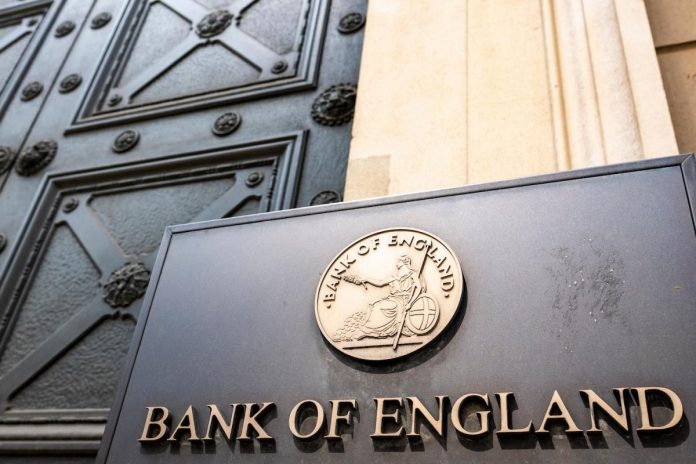
The Bank of England cut interest rates by 25 basis points to 4.25% on May 8, 2025, as widely anticipated, marking its fourth cut since August 2024. The Monetary Policy Committee (MPC) voted 5-4, with two members favoring a larger 50 bps cut and two preferring to hold rates at 4.5%. The decision was driven by progress on disinflation, with CPI inflation at 2.6% in March 2025, though above the 2% target.

The Bank cited global trade uncertainties, particularly U.S. tariffs, and a weaker UK growth outlook, forecasting 0.75% growth in 2025, down from 1.5%. Inflation is projected to peak at 3.5% in Q3 2025 before easing. Governor Andrew Bailey emphasized a “gradual and careful” approach to future cuts due to persistent inflationary pressures and economic uncertainties.

Lowering rates to 4.25% reduces borrowing costs, potentially boosting consumer spending and business investment. This could support the UK’s sluggish growth, now forecast at 0.75% for 2025. The modest cut may not significantly stimulate demand, given global uncertainties like U.S. tariffs and domestic fiscal tightening from the October 2024 budget, which could dampen growth.

Inflation Dynamics

With CPI at 2.6% and projected to hit 3.5% by Q3 2025, the cut could exacerbate inflationary pressures, especially if energy prices rise or supply chains face disruptions. The Bank’s cautious stance aims to balance growth support with preventing entrenched inflation, particularly as services inflation and wage growth remain sticky.

The rate cut and dovish signals weakened the pound, with GBP/USD dropping to around 1.27 post-announcement, as markets anticipate further easing. A weaker pound could raise import costs, adding to inflation. Markets now price in one to two additional 25 bps cuts in 2025, with the next cut likely by August. Bond yields, like the 10-year gilt, rose slightly to 4.5%, reflecting inflation concerns.

Lower rates ease pressure on mortgage holders, with around 700,000 fixed-rate deals due to roll off in 2025. However, real disposable income growth may be constrained by fiscal measures. Firms may delay investment due to trade uncertainties and a cautious MPC outlook, limiting the cut’s effectiveness. Potential U.S. tariffs under a Trump administration could disrupt UK exports, raising costs and complicating the BoE’s inflation-growth trade-off.

The BoE’s cut aligns with the ECB’s easing but contrasts with the Fed’s expected pause, potentially widening yield differentials and pressuring the pound further. The 5-4 split in the MPC reflects divergent views on the pace of monetary easing, highlighting uncertainty over inflation and growth trade-offs:

Rationale favored a 25 bps cut to support growth amid a weaker economic outlook and slowing inflation momentum. They view disinflation as “broadly on track” despite recent CPI overshoots, citing global disinflationary pressures and domestic demand weakness. Concerns emphasized gradualism due to persistent services inflation (around 5%) and wage growth (5.5%), which could keep inflation above target longer than projected.

Rationale likely argued for a bolder cut to counteract downside growth risks, especially from fiscal tightening and global trade threats. They may see inflation as less persistent, expecting global factors to suppress price pressures. This dovish stance aligns with Dhingra’s prior votes and reflects concerns about undershooting the 2% target if growth stalls.

Rationale advocated for caution, likely citing sticky services inflation, robust wage growth, and risks from U.S. tariffs or energy price shocks. They may view the economy as resilient enough to withstand higher rates, prioritizing inflation control. Key Figures included hawkish members like Catherine Mann or Jonathan Haskel, who have previously emphasized inflation risks.

As those happen, always remember that ISAs are a popular way to save in the UK.

The narrow vote signals ongoing debate within the MPC, potentially leading to volatile market expectations for future cuts. A shift in data (e.g., higher inflation or weaker growth) could tip the balance toward either dovish or hawkish dissenters. Bailey’s “gradual and careful” messaging aims to bridge the divide but risks being undermined if dissent grows, complicating forward guidance.

The split underscores the MPC’s reliance on incoming data, particularly on inflation, wages, and global developments, making future decisions less predictable. The BoE’s cautious cut and internal divide reflect a delicate balancing act. The MPC is navigating a post-Brexit economy with structural challenges, fiscal constraints, and external risks like U.S. policy shifts.

The 25 bps cut signals intent to support growth but risks being outpaced by inflationary pressures or undermined by global uncertainties. The 5-4 vote highlights the lack of consensus, suggesting markets and policymakers will remain highly sensitive to economic data and geopolitical developments in 2025.

Trump Locks in 10% Tariff Baseline as Cornerstone of Trade Policy

0

President Donald Trump’s administration has reaffirmed its commitment to a 10% baseline tariff on nearly all imports, signaling a new era in U.S. trade relations that prioritizes protectionism and bilateral negotiation.

The decision, confirmed by White House Press Secretary Karoline Leavitt, comes amid ongoing global trade uncertainty and mounting concerns from international trading partners and domestic businesses.

Speaking at a briefing on Friday, Leavitt stated, “The president is committed to the 10% baseline tariff — not just for the United Kingdom, but for his trade negotiations with all other countries as well.”

When asked if the tariff was intended to be permanent, she replied, “The president is determined to continue with that 10% baseline tariff. I just spoke to him earlier.”

Since its introduction on April 2, the baseline tariff has become the anchor of Trump’s broader trade doctrine, layered atop a series of more aggressive measures targeting specific countries and industries. The administration has raised tariffs on Chinese imports to a staggering 145%, paused some country-specific tariffs for 90 days, and exempted certain electronics from duties, all while keeping the 10% general tariff intact.

This tariff stance has already shaped negotiations with key allies. On Thursday, Trump announced his first post-tariff trade deal with the United Kingdom. The agreement includes a cut in U.S. tariffs on British car exports from 27.5% to 10%, and the removal of tariffs on British steel. In return, the UK agreed to lower tariffs on American agricultural exports, including beef and ethanol. However, Leavitt made it clear that “the 10% baseline remains in place across the board.”

Trump’s approach to China has been notably more volatile. Despite asserting earlier in the week that he would not consider easing tariffs on Beijing, he appeared to soften that stance days later. In a Truth Social post, Trump hinted that the 145% tariff on Chinese goods “could come down substantially” and mentioned a possible reduction to “around 80%.” The contradiction has drawn scrutiny from observers trying to decipher the administration’s ultimate strategy.

Meanwhile, trade experts and economists are watching with unease. Trump’s tariffs, particularly the sweeping 10% levy, have disrupted global supply chains and triggered significant market reactions. Since the announcement in early April, investors have grappled with volatility, and businesses have expressed concern over long-term predictability in their international operations.

Negotiations with other nations are also underway, with Trump’s team seeking tailor-made agreements. However, the fixed 10% duty remains a sticking point, complicating talks for countries hoping to negotiate exemptions or favorable terms. According to sources close to ongoing discussions, multiple governments have raised objections to the uniform tariff, viewing it as a blunt instrument that disregards nuanced trade relationships.

The tariff policy underscores Trump’s broader message of economic nationalism. During his campaign and into his presidency, Trump has consistently argued that the U.S. has been treated unfairly in global trade and has vowed to use tariffs as leverage to reset these dynamics.

But critics warn that such a wide-reaching tariff risks isolating the U.S. economy and inviting retaliation. In 2018 and 2019, during Trump’s previous tariff battles, most notably with China, American farmers and manufacturers suffered losses amid tit-for-tat tariffs and disrupted trade flows.

The situation remains fluid. Trump has indicated that his administration is open to adjusting specific tariffs based on negotiations but insists the 10% rate serves as a necessary baseline for fairness.

“We’re done being taken advantage of,” he wrote in a recent Truth Social post. “The 10% tariff is about leveling the playing field.”

Against this backdrop, the 10% tariff has become the new norm, influencing the responses of global partners as businesses brace for cost adjustments. However, it is not clear whether the tariffs will ultimately deliver the desired economic gains or continue to deepen global trade tensions.