DD
MM
YYYY

PAGES

DD
MM
YYYY

spot_img

PAGES

Home Blog Page 1361

Nigeria’s Power Sector Sees N700bn Revenue Surge in 2024, But Supply Remains Erratic

0

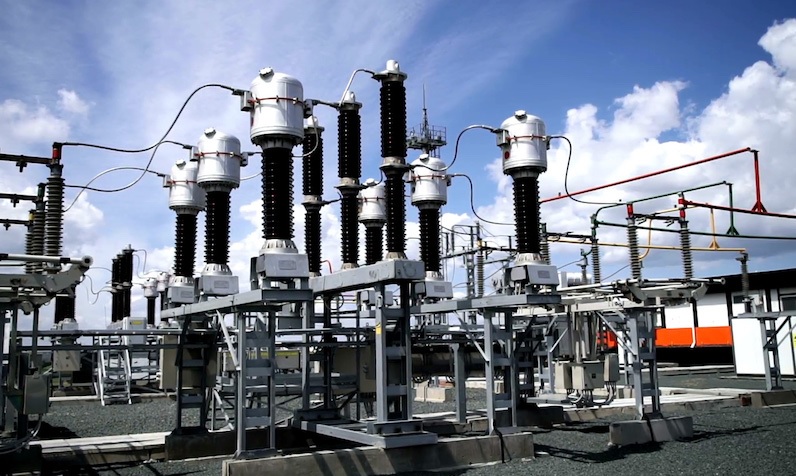
The Nigerian electricity market recorded a sharp revenue increase of N700 billion in 2024, representing a 70 percent rise in collections over the previous year, according to the Minister of Power, Adebayo Adelabu.

Adelabu, who spoke during the sixth edition of the 2025 Ministerial Press Briefing Series in Abuja, said the increase was largely driven by the implementation of cost-reflective tariffs for Band A customers—those promised at least 20 hours of power supply daily.

“It is evident that, due to our transformative tariff reforms, the electricity market generated additional N700 billion revenue in 2024, reflecting a 70 per cent increase from what was collected in 2023,” Adelabu said.

He stressed that the growth in revenue had helped reduce the government’s subsidy burden, which dropped from N3 trillion to N1.9 trillion—marking a 35 percent reduction in the fiscal shortfall.

However, despite the revenue growth, which the federal government has described as unprecedented, Nigerians across many parts of the country say the power supply remains largely unstable, casting doubt on the practical gains of the touted reforms.

The experience for many consumers contradicts the federal government’s portrayal of success. Many Nigerians, including those categorized under Band A, say they are not receiving the promised 20-hour daily supply, despite being charged higher rates. The mismatch between revenue growth and actual service delivery has raised concerns among energy analysts and civil society groups.

Using Revenue Growth as a Selling Point to Investors

For the federal government, however, the N700 billion surge is being positioned as a major selling point to attract private capital into Nigeria’s underperforming power sector.

Adelabu indicated that the increase in market liquidity signals improved viability of the power sector, which has long been considered financially toxic due to legacy debts, poor cost recovery, and regulatory inconsistencies. According to him, the performance demonstrates that financial viability and improved service delivery can coexist within Nigeria’s electricity value chain if appropriate reforms are sustained.

The federal government has earlier noted that the increased revenue collections are key to restoring investor confidence, especially in the aftermath of failed privatization efforts that saw generation and distribution companies remain largely inefficient over a decade after unbundling.

According to the minister, the government’s long-term strategy involves creating a stable, rules-based environment that can attract foreign direct investment and stimulate local private sector participation.

Powering Africa: Nigeria’s Role in the Energy Compact

In addition to local reforms, Adelabu reiterated Nigeria’s commitment to energy access across the continent. He referenced the country’s endorsement of the Nigerian Energy Compact earlier this year, which forms part of a continent-wide initiative known as “Mission 300,” aimed at connecting 300 million Africans to electricity by 2030.

The Compact, signed in January during a summit in Tanzania, is anchored on a five-pronged strategy: expanding generation capacity, strengthening utility operations, encouraging private sector investment, accelerating renewable adoption, and integrating regional energy markets.

It also promotes clean cooking solutions, which remain critical for Nigeria where over 70 percent of households still rely on biomass or kerosene for cooking.

Adelabu noted that the Compact, supported by both the World Bank and the African Development Bank, is a central pillar in Nigeria’s broader power sector vision. In January 2025, both institutions pledged a combined $40 billion to fund the initiative across the continent.

The Minister also confirmed that the National Integrated Electricity Policy (NIEP), developed under the Electricity Act of 2023, has been submitted to the Federal Executive Council for approval. The policy is expected to serve as the blueprint for a modern, decentralized electricity system in Nigeria, providing guidance for both private and public actors.

Built on data-driven planning and performance-based regulations, the NIEP seeks to eliminate investor uncertainty and foster competition across the value chain. Adelabu said it will also align with the provisions of the Electricity Act, which devolved the management of electricity to sub-national governments.

But the success of the policy, like the broader reforms, will depend on whether consumers begin to feel the impact in their daily lives.

Trust Gap and Supply Woes

Across Nigeria, the impact of power outages continues to be felt across businesses, hospitals, and households. Small businesses, especially those outside Band A areas, say they continue to bear the cost of running on generators, even as electricity bills rise without corresponding improvements in supply.

The lack of investment in transmission infrastructure has also become a bottleneck, with power generated frequently stranded due to poor evacuation capacity. The country’s current transmission network, although improved slightly in recent years, still lacks the capacity to deliver consistent supply across the country, particularly in underserved northern and southeastern regions.

According to grid data, the system collapses and under-frequency load shedding persisted throughout 2024, while generation fluctuated below 4,500 MW for much of the year—far below national demand.

A Market Still in Transition

While the increase in revenue suggests the government is beginning to close the gap between tariffs and the actual cost of electricity, the power sector remains fragile and dependent on state intervention. Many of the electricity distribution companies (DisCos) are technically insolvent, with several under management by banks and government agencies.

The Transmission Company of Nigeria (TCN), still fully owned and operated by the federal government, continues to face capacity and funding challenges. Energy experts have noted that the lack of coordination between generation, transmission, and distribution remains a recurring obstacle to meaningful progress.

While Adelabu’s remarks may reflect a sector in transition, Nigerians, still in the dark, are less interested in revenue milestones and more in seeing consistent, affordable, and reliable electricity in their homes and businesses.


Naira Faces Fresh Devaluation Fears as Global Oil Prices Falter Amid Trump’s Tariff War

0

Nigeria may be inching toward another round of currency devaluation as global crude oil prices, rattled by a fresh round of tariff salvos from U.S. President Donald Trump, threaten the delicate foundation of the country’s 2025 budget.

The price of Brent crude, the international benchmark for oil, is currently trading at $66.62 per barrel, nearly $10 below the $75 per barrel benchmark upon which the Nigerian government based its fiscal projections.

Though Nigeria’s Bonny Light crude has hovered slightly higher, around $78 per barrel, analysts say the broader oil price volatility triggered by the ongoing tariff war poses serious risks to Nigeria’s already fragile economy, particularly given the country’s continued reliance on oil exports to fund its budget and defend its currency.

The warning came into sharper focus after Bloomberg quoted Andrew Matheny, an economist with Goldman Sachs Group Inc., who said the “natural policy response” to weaker oil prices for oil-dependent economies like Nigeria is a devaluation of the local currency. His remarks follow mounting concerns that Nigeria’s budget assumptions for 2025—particularly its oil production target of 2 million barrels per day—are overly optimistic.

As of March 2025, Nigeria was producing roughly 1.4 million barrels per day, down nine percent from January and well below the government’s target. With lower output and weaker prices, revenue projections are already under strain.

Oil: The Lifeline Slipping Away

Oil remains Nigeria’s most critical economic pillar, accounting for more than 90 percent of its foreign exchange earnings and a significant chunk of its GDP. Any disruption in global oil markets typically sets off alarms in Abuja. So when Brent crude slipped below the budget threshold, it triggered immediate concerns of a funding gap, reduced reserves, and an inevitable weakening of the naira.

“The natural policy response to lower oil prices is a depreciation of the naira, as this boosts oil revenues in naira terms,” Matheny told Bloomberg. “Given that the oil production assumption in the budget is already optimistic, risks are, in our view, tilted toward fiscal slippage.”

In simpler terms, if crude oil prices continue to trend below expectations while production volumes also fall short, the government could be forced to print more money, borrow beyond capacity, or allow the naira to slide to make up for revenue losses—all of which come with their own consequences.

Already, the local currency has come under fresh pressure. The naira fell by about 5 percent this month, with exchange rates hitting N1,620 per dollar in the parallel market as of Wednesday. Though authorities continue to tout market reforms and a managed float regime, the fundamentals remain heavily tied to oil receipts.

Cracks in the Reserve Wall

The impact of the price crash is not just theoretical. The Nigerian Midstream and Downstream Petroleum Regulatory Authority (NMDPRA) confirmed this week that the country’s economic outlook is being squeezed by falling crude prices. Speaking in Abuja, the agency’s CEO, Farouk Ahmed, said that a $10 dip in oil prices could significantly erode Nigeria’s national reserves and further weaken the naira.

“If we lose the price of crude by $10, you can see the negative impact on our economy, on our national reserves, and the strength of our naira,” he warned.

Though there was some relief this week after crude prices staged a mild rebound on the back of speculation that President Trump might soften his tariff stance, especially on semiconductors and smartphones, analysts warn that the rebound is fragile. Oil prices remain far below the levels recorded just four months ago, and global producers like Nigeria, Venezuela, Colombia, and Angola remain vulnerable.

Tariff War Fallout and Budget Pressures

Trump’s renewed tariff offensive has dragged several exporting economies into uncertain waters. While his administration has argued that the measures are designed to protect American manufacturers, they have already ignited retaliatory moves from key trade partners, stifling global trade flows and triggering a slowdown in commodity demand.

The resulting price squeeze has left oil exporters with hard choices. For Nigeria, which only recently exited a long and painful currency crisis, the prospect of another round of naira devaluation will be politically sensitive and economically damaging. A weaker currency would raise the cost of imports, push inflation further into double digits, and hurt consumer purchasing power—especially for a population already reeling under high food and fuel prices.

To close the funding gap, the federal government may resort to borrowing or accelerating the sale of state assets, but such moves could invite criticism over transparency and long-term economic planning.

Forex Market Sees Temporary Relief

Despite the bleak outlook, some signs of resilience remain. Participants in the forex market reported increased inflows through the Nigerian Autonomous Foreign Exchange Market (NAFEM) window, which recorded $847 million in the past week—up from $795 million the previous week. These inflows have temporarily cushioned the naira from further decline.

The uptick in dollar liquidity is partly due to crude oil sales to nearby refineries, paid in naira, which helped ease demand pressure. However, experts warn this is a short-term patch, not a lasting fix.

Nigerian Breweries Posts N69.9bn Pre-Tax Profit in Q1 2025, Rebounding From Currency-Driven Losses

0

Nigerian Breweries Plc has reported a strong comeback in its financial performance for the first quarter of 2025, bouncing back from deep losses to post a pre-tax profit of N69.9 billion. This marks a sharp reversal from the N65.5 billion pre-tax loss it recorded in the same period last year, driven largely by improved revenue and a steep decline in foreign exchange losses.

The company’s net revenue surged by 68.91 percent, rising from N227.1 billion in Q1 2024 to N383.6 billion in Q1 2025. The impressive growth in top-line income comes amid a difficult macroeconomic backdrop where inflation remains high, but consumer demand appears to be holding steady for premium and mass-market alcoholic beverages.

Breweries across Nigeria were among the hardest-hit industries following the naira devaluation that began in mid-2023. The sharp depreciation in the local currency dramatically raised the cost of imported raw materials—such as barley, hops, and packaging equipment—which are heavily dollar-denominated. For Nigerian Breweries and its peers, this meant ballooning foreign exchange losses, even as they struggled to preserve market share in an inflation-weary consumer market.

In 2024, Nigerian Breweries had reported a full-year foreign exchange loss exceeding N145 billion. Guinness Nigeria and International Breweries, other major players in the sector, also posted staggering losses, citing forex volatility as the major drag on their earnings. The industry’s dependence on imported inputs exposed it to significant currency risk, and with the naira losing over 100 percent of its value at some point, balance sheets were severely battered.

However, for Q1 2025, Nigerian Breweries appears to have clawed its way back, in part due to better forex risk management and a more stable currency environment. The brewer reported just N178.01 million in net foreign exchange losses this quarter—a near-total reversal from the N72.8 billion it lost in the same quarter a year ago. This development has helped the company restore profitability after several quarters of negative earnings.

Cost of sales for the period stood at N217.06 billion, a 49.45 percent increase from N145.2 billion in Q1 2024. Although input costs remain high, the company succeeded in widening its gross profit margins. Gross profit doubled to N166.5 billion from N81.8 billion, a 103.43 percent increase year-on-year. This suggests a combination of improved pricing strategy and perhaps a recalibration of its product mix to better absorb cost shocks.

Selling and distribution expenses rose to N66.2 billion, up from N45.01 billion in the previous year, reflecting continued investment in logistics and marketing across the company’s wide product portfolio. Nonetheless, the brewer managed to report N85.2 billion in operating profit, a 237.48 percent increase compared to the N25.2 billion recorded last year.

Finance income grew by 86.65 percent, reaching N264.4 million, while finance costs declined from N18.1 billion to N15.3 billion, reflecting improved capital management and possibly a reduction in exposure to high-interest loans.

This recovery comes at a critical time for the Nigerian beer industry, which has been contending with shrinking margins, weak consumer spending, and regulatory uncertainties. The ability of Nigerian Breweries to post a profit could set the tone for a more optimistic outlook in the sector, though experts caution that the macroeconomic environment remains fragile. Inflation remains elevated, and the risk of another currency shock looms if oil revenues or external reserves decline further.

Shares of Nigerian Breweries closed at N36.20 on April 17, 2025, marking a 13.13 percent year-to-date gain. While the stock has struggled in recent years due to persistent losses and investor skepticism, the latest results may offer a renewed sense of confidence in the brewer’s long-term prospects, especially if it can sustain this level of performance in the quarters ahead.

Still, analysts warn that the path forward remains challenging. The company, like others in the FMCG and beverage sector, must navigate not only currency risks but also rising production costs, changing consumer preferences, and increasing competition from lower-cost substitutes.

Whether this Q1 rally marks the beginning of a sustained turnaround or just a temporary reprieve will depend on Nigerian Breweries’ ability to stay agile, manage supply chain shocks, and adapt to consumer needs in a still-volatile economy.

Federal Judge Rules Google’s Adtech Empire an Illegal Monopoly, Pushing Tech Giant Closer to Historic Breakup

0

In a landmark decision, U.S. District Judge Leonie M. Brinkema ruled Thursday that Alphabet Inc.’s Google violated federal antitrust laws by “willfully acquiring and maintaining monopoly power” in the advertising technology (adtech) market, marking the company’s second major antitrust defeat in less than a year.

The ruling, handed down in the U.S. District Court for the Eastern District of Virginia, brings Google closer to a potential breakup than at any point in its 27-year history, with analysts warning that, absent intervention from President Donald Trump, the tech giant could face disintegration. The decision caps a two-year legal battle initiated by the U.S. Department of Justice (DOJ) and eight states, setting the stage for a high-stakes remedies phase that could reshape the $700 billion global digital advertising industry.

The case, United States v. Google LLC (2023), filed on January 24, 2023, accused Google of illegally monopolizing the adtech market through acquisitions like DoubleClick in 2008 and anti-competitive practices that locked in advertisers and publishers. Following a trial from September 9 to September 27, 2024, and closing arguments on November 25, Judge Brinkema found Google guilty of violating Sections 1 and 2 of the Sherman Antitrust Act.

Specifically, the court determined that Google unlawfully tied its ad server, DoubleClick for Publishers (DFP), with its ad exchange, AdX, and abused its monopoly power on the publisher side of the adtech stack, harming competition and inflating prices for advertisers and publishers.

However, the judge rejected the DOJ’s claim that Google monopolized the open-web display advertiser ad networks market, which facilitates ad buying outside closed ecosystems like Google Search or social media platforms.

“The plaintiffs failed to prove that the ‘open-web display advertiser ad networks’ are a relevant market where Google has monopoly power,” Brinkema wrote in her memorandum opinion.

Despite this partial victory for Google, the ruling’s focus on DFP and AdX, core components of its adtech empire, signals a severe blow to its business model.

Unprecedented Threat of Breakup

This ruling places Google closer to a breakup than ever before, surpassing even the scrutiny it faced during the 2018 EU Android case, which resulted in a €4.3 billion fine, or the 2000 Microsoft antitrust case, where a breakup order was overturned on appeal. The adtech verdict follows a separate August 2024 ruling by Judge Amit P. Mehta, who found Google illegally monopolized the general internet search market, with remedies expected by August 2025. Together, these decisions threaten to dismantle Google’s dominance across search and advertising, which generated $305.6 billion in revenue in 2023, primarily from ads.

Analysts see Google heading toward disintegration unless President Trump intervenes.

There has been a proposal for spinning off Google’s adtech unit, formerly DoubleClick, as a public-interest “B Corp” with capped profits to restore competition. Without political intervention, experts predict a fragmented Google, with its adtech and search businesses potentially operating as separate entities.

Potential Remedies

The court will now set a briefing schedule and hearing date to determine remedies, a process expected to unfold over the coming months.

Potential remedies include forcing Google to sell its Google Ad Manager suite, encompassing AdX and DFP, which could open the adtech market to rivals like The Trade Desk. The DOJ has also floated divestitures of Chrome or Android in the search case, raising the specter of a broader breakup. There is also a possibility of imposing restrictions to ensure fair competition, such as prohibiting Google from prioritizing its own exchange in auctions or mandating data sharing with competitors. These could preserve Google’s business while leveling the playing field. In monetary damages, the DOJ previously sought treble damages for federal agencies overcharged for ads, though specifics remain undecided.

The remedies phase is critical, as structural changes could transform the digital advertising industry, potentially boosting competitors and lowering ad prices. However, a publisher tech executive warned that divestitures might raise ad server costs, as Google’s DFP operates as a loss leader subsidized by AdX profits.

Likely Intervention from Trump

In its earlier argument, Google cited national security. The company’s legal team argued that breaking it up could pose a national security risk, with concerns that splitting off its Chrome browser and limiting investments, particularly in artificial intelligence (AI), could weaken America’s technological edge. Many believe that President Trump, who has been pushing a “protectionist” economic agenda, will likely agree with the argument.

Analysts speculate that Trump’s DOJ might soften remedies, prioritizing economic growth over aggressive antitrust enforcement. Without such intervention, the momentum from Biden-era lawsuits suggests Google faces a real risk of disintegration, with divestitures potentially splitting its adtech and search empires.

Google plans to appeal, with spokesperson Kent Walker arguing the ruling ignores competition from Amazon, social media, and streaming TV. Google’s defense highlighted its investments in fighting ad fraud and spam, claiming its tools benefit small businesses.

With this ruling, Google’s troubles extend beyond the U.S. In the UK, a £5 billion class action lawsuit filed in April 2025 alleges similar adtech abuses, while the Competition and Markets Authority (CMA) issued a statement of objections in September 2024, with a final decision expected by late 2025.

Driving Financial Responsibility: How Mobile Money Providers Are Improving Customer Behavior

0

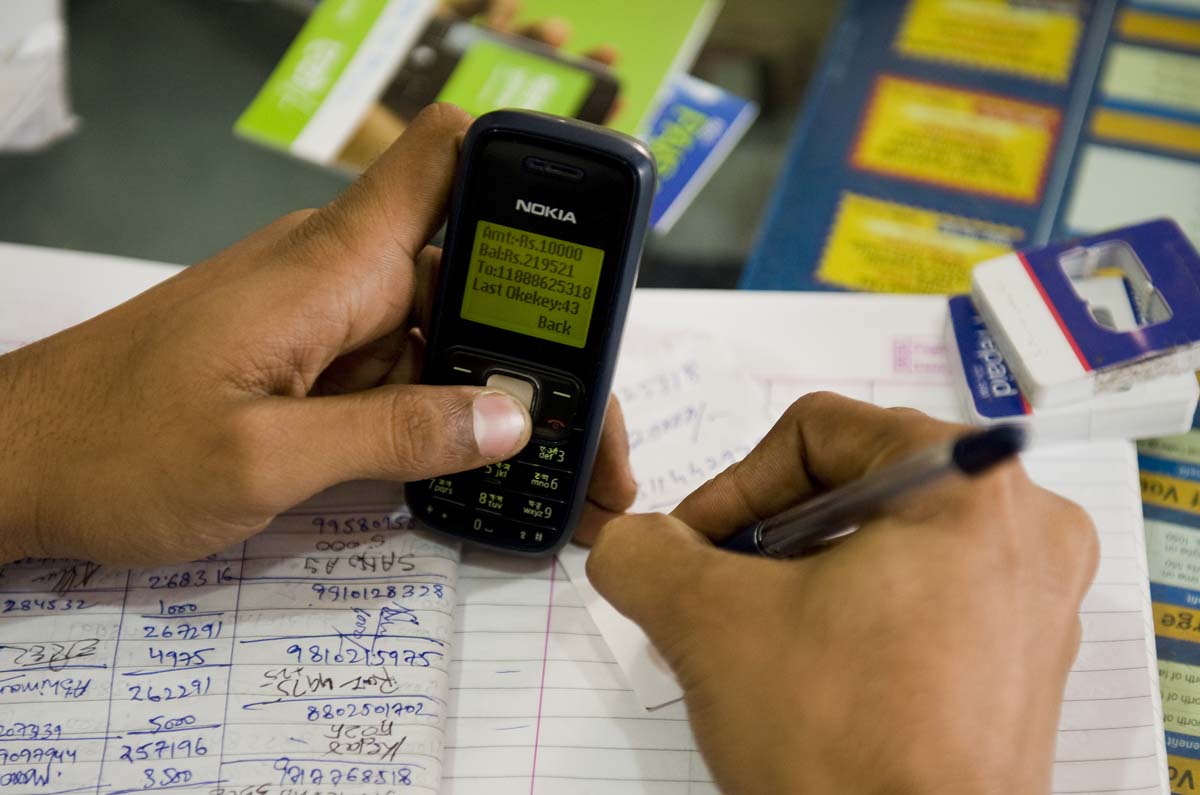
Mobile money providers are significantly transforming financial behaviors by promoting financial responsibility for customers.

These MMPs are actively addressing the challenges of over-indebtedness through technology, responsible practices, and regulatory collaboration. A key focus has been the Integration of AI-driven credit-scoring algorithms that enhance their ability to understand borrower behavior and offer tailored repayment options that help prevent defaults.

A GSMA State of the Industry report on mobile money 2025, revealed that in India, Airtel Payments Bank has implemented an AI-powered system to assess creditworthiness, enabling personalized financial solutions for users. These technological advancements are laying the groundwork for more inclusive financial ecosystems. For instance, AI tools can analyze customer data to better predict repayment capacity.

To further improve responsible lending, some digital financial service providers are experimenting with strategies like “positive frictions”, which is a deliberate delay in loan disbursement to give users time to reflect before accepting credit.

One notable player is Jumo, a South African fintech that facilitates digital financial services such as credit and savings in emerging markets by way of USSD short codes. The fintech is partnering with MMPs across Africa to incorporate additional decision-making steps into their digital credit services, helping borrowers make informed financial decisions.

It is worth noting that efforts to improve responsible lending are not limited to private players. In 2024, the Central Bank of Kenya launched the Chora Plan Campaign, encouraging financial service providers to collaborate with regulators to design better products and prioritize consumer protection.

The launch of the Chora Plan campaign comes in response to the low levels of savings and high financial illiteracy rates in Kenya. According to a 2021 Global Financial Literacy Survey, only 38% of Kenya’s population is financially literate, highlighting an urgent need for enhanced financial education. This initiative is already benefiting mobile money users, especially as licensed banks in Kenya work closely with MMPs to deliver digital credit services.

Notably, across Sub-Saharan Africa, MMPs are becoming more proactive in addressing over-indebtedness. In Kenya, Safaricom has integrated financial literacy training into its outreach. Meanwhile, MTN Uganda and Ericsson partnered in 2024 to promote financial literacy through a nationwide campaign.

Regulators are also stepping up. In Pakistan, the State Bank of Pakistan held countrywide literacy camps during its 2024 Financial Literacy Week. Similarly, in Nigeria, the Central Bank announced plans in October 2024 to introduce financial literacy into school curricula, aiming to instill financial skills like saving, budgeting, and investing early in life.

Together, these initiatives form a comprehensive response to the growing issue of over-indebtedness in emerging markets. By focusing on consumer education, ethical lending, and regulatory cooperation, the mobile money industry is paving the way for sustainable financial inclusion, even in underserved communities.

While the risk of over-indebtedness remains, a data-driven and pragmatic approach to digital credit can ensure that the benefits of financial access outweigh the downsides. That said, a critical regulatory gap still exists: the absence of open data policies. This creates data asymmetry, making it difficult to assess a customer’s creditworthiness across platforms. Even in markets with established credit reference agencies, access to timely, comprehensive credit data is still a challenge.

Ultimately, the solution lies in balancing innovation with consumer protection. As mobile money services continue to evolve, responsible digital credit—backed by smart regulation and cross-sector collaboration—will be key to unlocking greater financial inclusion across emerging economies.