DD
MM
YYYY

PAGES

DD
MM
YYYY

spot_img

PAGES

Home Blog Page 1389

U.S. SEC Classification that USDT and USDC are not Securities Has Significant Implications

0

U.S. Securities and Exchange Commission announced on April 4, 2025, that certain stablecoins, specifically those referred to as “covered stablecoins” like USD Coin (USDC) and Tether (USDT), are not classified as securities under federal securities laws. This clarification came from the SEC’s Division of Corporation Finance, stating that these stablecoins—designed to maintain a 1:1 peg with the U.S. dollar, fully backed by low-risk, liquid reserves, and redeemable on demand—do not meet the definition of a security. As a result, transactions involving the minting or redeeming of these stablecoins do not require registration with the SEC.

However, the announcement has nuances. The SEC’s guidance applies strictly to stablecoins meeting specific criteria, such as being backed solely by USD or high-quality liquid assets, with no interest or profit promised to holders. Some sources suggest Tether’s USDT may not fully align with these standards due to its reserve composition, which includes assets like commercial paper, bitcoin, and gold, potentially complicating its status under the SEC’s framework. Commissioner Caroline Crenshaw dissented, arguing the guidance oversimplifies risks, particularly for retail investors relying on intermediaries, and may misrepresent the market’s stability.

This move reduces regulatory uncertainty for issuers like Circle (USDC) and potentially Tether, fostering innovation in payments and DeFi. Still, it’s a staff statement, not a binding rule, leaving room for future adjustments. Stablecoins remain subject to other regulations, like anti-money laundering rules from FinCEN. The crypto community largely welcomed the clarity, though debates persist about long-term implications and Tether’s compliance.

Companies like Circle (USDC) gain confidence to operate without SEC registration, reducing compliance costs and legal risks. Tether’s status is less clear due to its reserve mix, which may not fully meet the SEC’s “covered stablecoin” criteria. Clearer rules could boost adoption in payments, DeFi, and cross-border transactions, as businesses and developers face less uncertainty.

Exempting stablecoins from securities laws may encourage innovation and investment in USD-pegged assets, strengthening their role in crypto ecosystems. If USDT doesn’t fully qualify, it could face scrutiny or lose market share to compliant stablecoins like USDC. Without securities oversight, retail investors may face risks from intermediary failures (e.g., exchanges), as highlighted by Commissioner Crenshaw’s dissent. Non-qualifying stablecoins with riskier reserves could mislead users about stability.

Stablecoins still face oversight from FinCEN, CFTC, or state regulators, meaning compliance burdens persist. The SEC’s guidance is non-binding, so policy changes could reintroduce uncertainty. Stablecoins are DeFi’s backbone. Clarity could accelerate decentralized app development and liquidity. U.S. policy may influence other jurisdictions, potentially harmonizing stablecoin rules or creating competitive regulatory frameworks. Only specific stablecoins qualify, leaving algorithmic or crypto-backed ones in limbo. Challenges to the SEC’s stance could arise, especially if market disruptions expose flaws in the guidance. Overall, the decision fosters short-term growth but leaves gaps in investor protection and long-term regulatory certainty.

Stablecoins are a core component of DeFi, used in trading pairs, lending, and yield farming. Regulatory clarity for USDC (and possibly USDT) encourages their integration, boosting liquidity pools on platforms like Uniswap, Aave, or Curve. More users and developers may participate, knowing major stablecoins face less SEC scrutiny, driving higher transaction volumes.

DeFi protocols can build new financial products—like lending markets, derivatives, or synthetic assets—using stablecoins without fear of securities law violations. This fosters experimentation and novel use cases. Startups and developers gain confidence to launch stablecoin-based projects, potentially attracting venture capital and talent. Without SEC registration requirements, stablecoin issuers like Circle avoid hefty compliance costs, which could translate to lower fees or better services for DeFi users.

DeFi platforms integrating these stablecoins face fewer legal risks, reducing operational overhead and barriers to entry. Clarity makes stablecoins more appealing for institutional players entering DeFi, bridging traditional finance and crypto. This could lead to larger capital inflows into DeFi protocols. Retail users may feel safer using DeFi apps with SEC-endorsed stablecoins, expanding the user base.

If USDT doesn’t fully qualify as a “covered stablecoin” due to its reserve composition, DeFi protocols heavily reliant on it (a dominant stablecoin) could face disruptions or need to pivot to alternatives like USDC. SEC-compliant stablecoins are often centralized (e.g., Circle controls USDC). Overreliance may undermine DeFi’s decentralized ethos, creating points of failure if issuers face issues. Without securities oversight, DeFi users bear more responsibility for risks like smart contract bugs or intermediary failures, potentially leading to losses in volatile markets.

U.S. regulatory clarity could set a precedent, encouraging other jurisdictions to define stablecoin rules. Harmonized standards would ease cross-border DeFi operations, while conflicting rules could fragment markets. DeFi protocols may prioritize SEC-compliant stablecoins to attract global users, reshaping tokenomics and platform design. The SEC’s stance fuels DeFi growth by enhancing liquidity, innovation, and adoption while reducing costs. However, it introduces risks tied to stablecoin centralization, Tether’s uncertain status, and unaddressed investor protections, which could shape DeFi’s evolution.
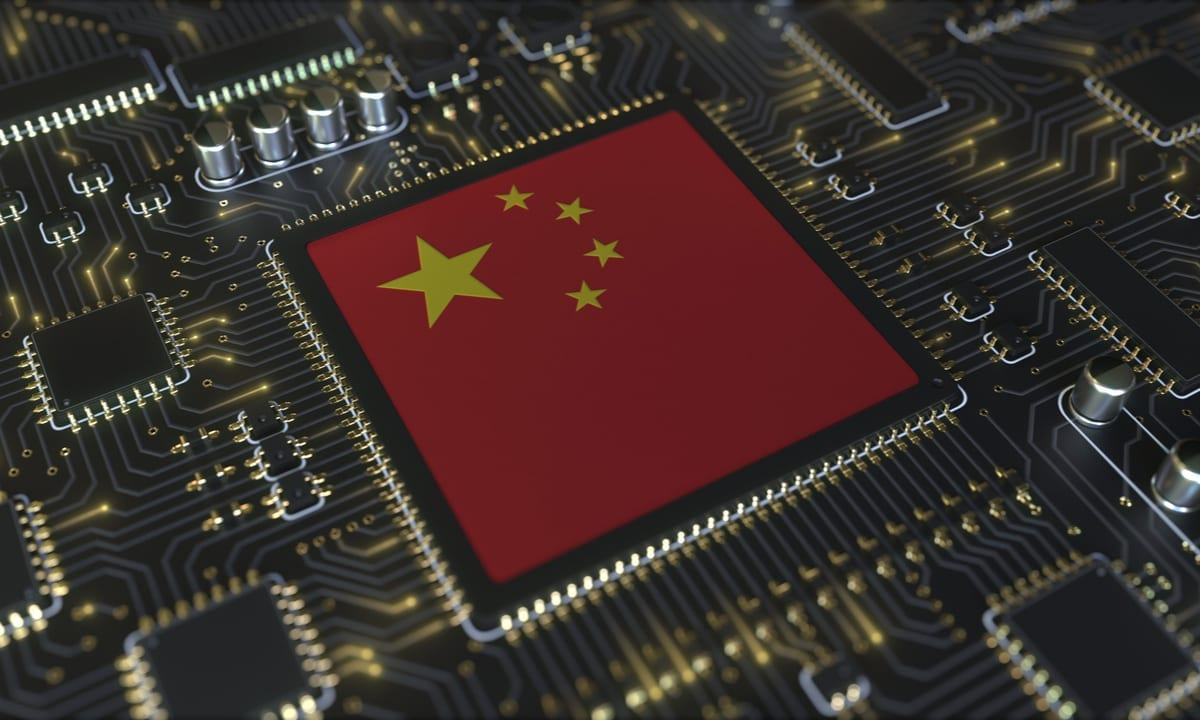
“Throwing Rocks Into The Production System:” Dalio Joins Sachs, Dimon, & Fink To Warn Of Trump’s Tariffs As US Teeters On Recession

0

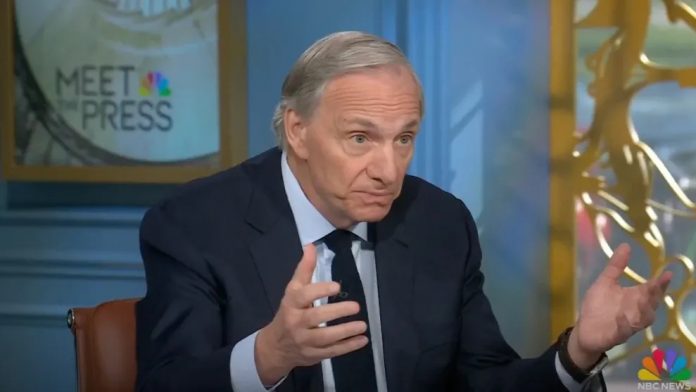
Ray Dalio, founder of Bridgewater Associates and one of the most respected voices in global finance, has joined a growing chorus of economists and Wall Street heavyweights warning that President Donald Trump’s sweeping tariffs are pushing the United States, and possibly the world, toward a deep economic downturn.

In an appearance on NBC over the weekend, Dalio said the American economy is “very close to a recession,” adding that the aggressive and unpredictable rollout of tariffs has already dealt serious damage to business confidence and market stability.

“Right now, we are at a decision-making point,” Dalio said. “What was put in there is like throwing rocks into the production system. Those impacts would be enormous in terms of the efficiency of the whole world.”

Dalio was referring to President Trump’s broad-based tariff regime, which has targeted nearly every major U.S. trading partner and upended decades of global trade consensus. While the stated goal is to revive American manufacturing and reduce dependence on imports, the reality has been far more chaotic — with businesses, investors, and economists raising alarm over the consequences.

Last week, after jolting markets with a surprise announcement of reciprocal tariffs on nearly all foreign countries, Trump extended the implementation by 90 days, a move that did little to calm nerves.

The damage was already being felt. On April 2, a massive selloff wiped out over $10 trillion in global market capitalization in just two trading days. The Dow Jones Industrial Average plunged over 2,000 points, triggering automatic halts in some markets and sparking fears of a financial chain reaction.

That moment became a flashpoint

“If something wipes out $10 trillion of Market CapEx in two days, you’re probably on the wrong track,” said Professor Jeffrey Sachs of Columbia University, a longtime economist and adviser to governments around the world. “The United States is on the path of WRECKING the world economy once again,” he said, directly blaming the White House’s erratic trade maneuvers.

The collective view from the economic community is growing more urgent. A chorus of voices have warned that the U.S. tariffs are having a domino effect, disrupting global supply chains, raising costs for businesses, and creating a climate of extreme uncertainty.

In a post on X, Dalio emphasized that the tariffs reflect something far deeper than a tactical trade dispute.

“The far bigger, far more important thing to keep in mind is that we are seeing a classic breakdown of the major monetary, political, and geopolitical orders,” he wrote. “This sort of breakdown occurs only about once in a lifetime, but they have happened many times in history when similar unsustainable conditions were in place.”

“This is a great time for all involved to reconsider their approaches!  There are better and worse ways of handling our problems with unsustainable debt and imbalances, and President Trump’s decision to step back from a worse way and negotiate how to deal with these imbalances is a much better way,” he added.

Sachs echoed this sentiment, warning that the economic nationalism Trump is pushing is eerily reminiscent of historical episodes that ended in global depressions and war.

“When the world’s largest economy starts dictating terms without consensus, it leads to fragmentation, not cooperation,” he said in a follow-up interview.

Wall Street joins in

Jamie Dimon, CEO of JPMorgan Chase, said last week that a recession is now a “likely outcome” for the U.S. economy.

“I mean, when you see a 2,000-point decline, it sort of feeds on itself, doesn’t it,” Dimon said on Fox Business, suggesting that market panic is morphing into a feedback loop of pessimism and reduced investment.

Larry Fink, CEO of BlackRock, the world’s largest asset manager, went further.

“I think we’re very close, if not in, a recession now,” Fink said during an interview on CNBC. “We now have a 90-day pause on the reciprocal tariffs — that means longer, more elevated uncertainty.”

Both Fink and Dimon warned that even if a resolution is reached after the 90-day extension, the trust in stable U.S. trade policy may already be broken, a point also stressed by Dalio. Businesses, Fink noted, are already holding back capital expenditures, uncertain of how to price future risk.

The global toll

The International Monetary Fund and the World Bank have already slashed their growth forecasts in response to the volatility. Global trade volume growth has stagnated, foreign investment is slowing, and emerging economies dependent on exports are bearing the brunt.

China, which has become the main target of Trump’s tariff crusade, responded in kind with its own set of retaliatory duties, some reaching up to 125%. In Beijing, officials accused Washington of using tariffs as an economic weapon and warned of “unintended consequences that may spiral out of control.”

Though Trump initially exempted certain items like smartphones and semiconductors, his broader tariff scheme now touches nearly every industry — from agriculture to aviation, autos, consumer goods, and pharmaceuticals. The president’s decision to include allies like the European Union, Canada, and South Korea in his tariff dragnet has further deepened diplomatic rifts.

American farmers have already seen their exports to China collapse, and manufacturers are reporting higher input costs and canceled contracts. Supply chain managers in major U.S. firms say they are scrambling to adjust logistics as prices rise and relationships with overseas partners fray.

July now looms as a critical turning point. Trump’s 90-day grace period was intended as a time for negotiations and review. But if no agreement is reached, the full slate of tariffs, amounting to hundreds of billions in penalties, could go into effect, triggering what some economists are calling “a coordinated global recession.”

Dalio warns that the damage already done may take years to unwind, even if the tariffs are reversed.

China’s Economy Shows Resilience with 12.4% Export Growth Amid U.S. Trade Tensions

0

China’s economy demonstrated remarkable resilience in March 2025, posting a robust 12.4% year-on-year surge in exports despite escalating trade tensions with the United States.

The unexpected growth, reported by the General Administration of Customs, significantly outpaced Reuters’ forecast of 4.4% and marked the strongest export performance since October 2024. This surge, coupled with a trade surplus of $102.64 billion, underscores China’s ability to navigate global trade challenges, even as imports declined and domestic demand remained subdued.

Export Boom Defies Tariff Threats

The export boom was largely driven by businesses frontloading shipments to avoid prohibitive U.S. tariffs, which have climbed to a cumulative 145% on all Chinese imports since President Donald Trump’s inauguration in January 2025. The U.S., China’s largest single-country trading partner, saw a 9.1% increase in Chinese exports in March, according to customs data analyzed by CNBC. This growth reflects strategic efforts by Chinese firms to secure market access before tariffs further disrupt supply chains.

Beyond the U.S., China’s trade with other regions also flourished. Exports to the Association of Southeast Asian Nations (ASEAN) rose 11.6%, with shipments to Vietnam surging nearly 19%. The European Union saw a 10.3% increase in Chinese exports, highlighting China’s success in diversifying trade partnerships. High-value sectors, including semiconductors and rare earths, posted gains of over 25% and 20%, respectively, reinforcing China’s dominance in critical industries.

“China’s export performance in March shows its adaptability in a challenging global environment,” said Lingjun Wang, vice head of customs administration, at a Monday press conference.

Wang criticized the U.S. for its “abusive use of tariffs” but emphasized Beijing’s commitment to fostering mutually beneficial trade with other nations.

Imports Signal Domestic Challenges

While exports soared, imports fell 4.3% year-on-year to $211.27 billion, missing economists’ expectations of a 2% decline. This drop, following an 8.4% slump in the first two months of 2025, reflects persistent weakness in domestic consumption. Notable declines included a 6.7% drop in iron ore imports to 94 million tons—the lowest since 2023—and a 36.8% plunge in soybean imports, the weakest since 2008. However, strategic sectors showed resilience, with semiconductor imports up 11.2% and crude oil imports rising 4.8%.

The import contraction underscores broader economic challenges, including deflationary pressures and a struggling housing market. Consumer prices contracted for the second consecutive month in March, while producer prices fell for the 29th straight month, according to recent data. These trends have fueled calls for more aggressive stimulus measures to bolster domestic demand and reduce reliance on exports.

Trade War Intensifies

The U.S.-China trade faceoff has escalated significantly in 2025. In addition to the 145% tariffs, the U.S. imposed a 20% duty tied to allegations of Beijing’s role in the fentanyl trade. China retaliated with tit-for-tat measures, including 15% levies on select U.S. goods and a 125% across-the-board tariff announced last Friday. However, the Trump administration granted temporary exemptions for electronics products like smartphones, computers, and semiconductors, offering a brief reprieve for global supply chains.

China’s Ministry of Commerce welcomed the move as a “small step” but urged Washington to fully repeal the tariffs.

“Trade policies remain highly uncertain, creating chaos for businesses adjusting supply chains,” said Zhiwei Zhang, chief economist at Pinpoint Asset Management. “Even if firms relocate production, building new factories takes time, and we may see shortages in the U.S. that could drive inflation.”

Economic Outlook and Policy Response

China’s leadership has set an ambitious growth target of “around 5%” for 2025, a goal increasingly difficult amid trade disruptions and domestic headwinds. Goldman Sachs recently cut its growth forecast to 4.0%, citing the tariff impact, though it expects Beijing to intensify policy easing.

The upcoming first-quarter GDP release on Wednesday, April 16, and a Politburo meeting later this month are anticipated to unveil new stimulus measures aimed at boosting consumption and stabilizing the housing market.

“China’s export strength is a testament to its economic resilience, but the import decline highlights the need for domestic reforms,” said Zhang. “Stimulus will be critical to sustaining growth in this trade war environment.”

Besides being a domestic win, China’s export growth is sending a global message. U.S. ports are bracing for bottlenecks, and inflation whispers are growing louder across the Atlantic. Meanwhile, ASEAN and EU markets are reaping rewards as China redirects its trade flows, though it comes with growing economic concerns.

Gold Hitting ATH of $3,220 Shows Its Resilience As Inflationary Hedge

0

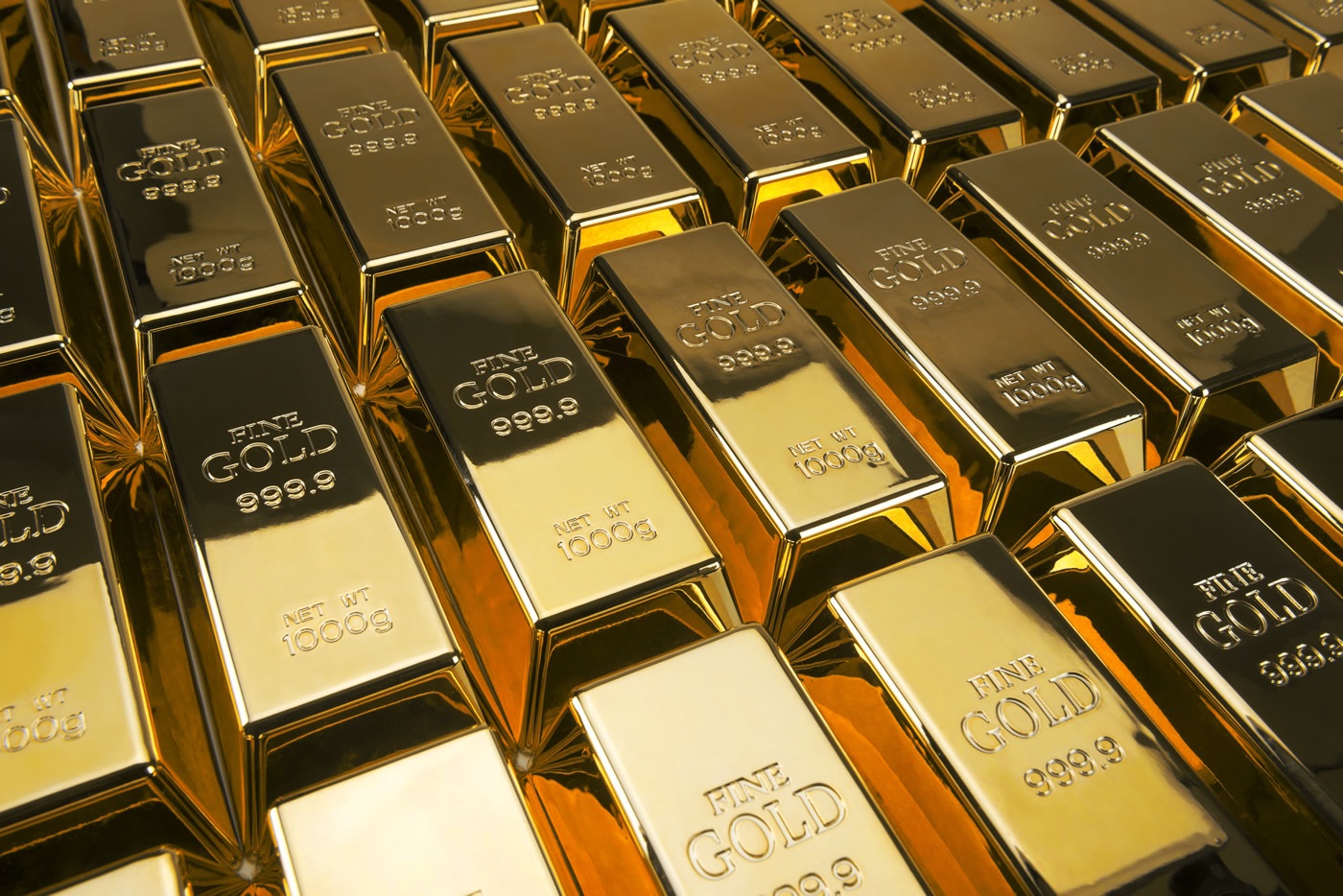
Gold reaching $3,220 per ounce reflects strong safe-haven demand amid economic and geopolitical uncertainty. Factors like tariff tensions, inflation fears, central bank buying, and stock market volatility are likely driving the surge. While some sources suggest prices could climb further—potentially to $3,300 by year-end—others warn of profit-taking or resistance at these levels. Always consider market dynamics and risks before acting on such trends.

Inflation fears drive gold prices higher as investors seek safe-haven assets to protect wealth. When people expect rising inflation—say, from loose monetary policies or supply chain shocks—they worry fiat currencies will lose purchasing power. Gold, historically viewed as an inflation hedge, becomes more attractive because its value isn’t tied to any currency and tends to hold up over time. This increased demand pushes prices up, as seen with gold hitting $3,220 amid recent economic uncertainty.

Quantitatively, gold often tracks inflation expectations. For example, if U.S. inflation fears spike like when CPI data exceeds forecasts, gold can rally 5-10% in weeks, as happened in late 2023. However, the impact isn’t absolute—high interest rates to combat inflation can strengthen the dollar, capping gold’s gains by making it pricier in other currencies. Speculative trading can also amplify price swings beyond fundamentals. Overall, inflation fears fuel bullish sentiment for gold, but competing factors like monetary policy or market sentiment can modulate the effect.

Historically, several assets and strategies have been used as hedges against inflation, each with varying effectiveness depending on economic conditions. Below is a concise overview of key inflation hedges, with a focus on their historical performance and relevance, given your interest in gold prices and inflation fears: Gold is a tangible asset not tied to fiat currencies, often retaining value when inflation erodes purchasing power.

During the 1970s stagflation, gold surged from $35/oz in 1971 to $850/oz by 1980 (a ~2,300% rise) as U.S. inflation hit double digits. In the 2008-2011 post-financial crisis period, gold climbed from ~$700 to $1,900 amid QE-driven inflation fears. Recently, gold hit $3,220 in 2025, partly due to persistent inflation concerns. Gold doesn’t always keep pace with inflation in real terms (e.g., flat in the 1980s-1990s). High interest rates or a strong dollar can suppress gains, as seen in 2022. It also generates no income, unlike other assets.

Property values and rents often rise with inflation, preserving wealth and generating income. In the 1970s, U.S. home prices rose ~8-10% annually, outpacing CPI at times. Post-2008, real estate rebounded strongly, with U.S. home prices up ~50% from 2012-2020, aligning with mild inflation. In 2021-2022, housing surged 20%+ as inflation spiked to 9%. High interest rates (e.g., 2023-2024) can dampen demand, slowing price growth. Real estate is illiquid and region-specific, with risks like market crashes (2008).

Commodities (Oil, Metals and Agriculture)  

Raw materials often rise in price during inflation, as costs for energy, food, and metals increase. In the 1970s, oil prices quadrupled (1973-1979), and commodity indices soared. From 2020-2022, oil jumped from $40 to $120/barrel, and agricultural goods like wheat rose ~50% amid supply shocks and inflation. Copper and other metals also track industrial demand tied to inflation. Volatile and cyclical, commodities can crash during recessions (e.g., oil in 2020). Speculative bubbles or oversupply can distort prices.

Stocks of companies with strong pricing power (e.g., consumer staples, energy) can pass on rising costs, preserving returns. In the 1970s, stocks lagged (S&P 500 flat in real terms), but sectors like energy outperformed. Post-2008, U.S. equities (S&P 500) grew ~400% through 2021, beating inflation, driven by tech and low rates. In 2022-2023, high inflation and rate hikes hit stocks, but value stocks held up better.

Stocks are vulnerable to high interest rates and economic slowdowns, which often accompany inflation (e.g., 2022 bear market). Not all sectors hedge equally—tech can falter. U.S. government bonds with principal and interest adjusted for CPI, designed explicitly to counter inflation. Introduced in 1997, TIPS have delivered modest real returns (~1-3% above inflation). In 2021-2022, TIPS yields rose as CPI hit 9%, protecting investors better than regular bonds, which fell ~10%. Low yields in low-inflation periods (e.g., 2010s). Real returns can lag assets like stocks or gold during high inflation surges.

Rarely a true hedge, but cash or short-term bonds were used in stable periods to avoid volatility. In the 1970s, cash lost value as inflation outpaced savings rates (e.g., 5% interest vs. 14% inflation). In 2022, bonds tanked (Bloomberg Aggregate Bond Index -13%) as rates rose to fight inflation. High-yield savings or I-bonds (post-2000) fare better but cap gains. Cash erodes in real terms during high inflation; bonds lose value when rates rise, as in 2022-2023.

Gold’s current high reflects its historical role as a go-to inflation hedge, especially with inflation fears lingering from 2021-2023’s 7-9% CPI spikes and ongoing global uncertainties (e.g., tariff risks, central bank policies). Unlike stocks or real estate, gold’s lack of income makes it a purer store of value, but its ~20% rise in 2024-2025 aligns with periods like 1979 or 2011, when inflation fears peaked. However, real estate and commodities (e.g., oil at $80+/barrel) are also rallying, suggesting investors are diversifying hedges. TIPS and equities (e.g., S&P 500 up ~10% in 2024) offer alternatives but face headwinds from tighter monetary policy.

Gold remains a premier inflation hedge due to its historical resilience, but real estate, commodities, and TIPS also play roles, each with trade-offs. Gold’s edge lies in its simplicity and global trust, though stocks or property can outperform in milder inflation or growth cycles. Always weigh liquidity, risk, and economic signals (e.g., rates, dollar strength) before choosing a hedge.


Head or Tail, The Best Will Find WINS as Goldman Sachs Rides Uncertainty to Record Apha

1
The logo for Goldman Sachs is seen on the trading floor at the New York Stock Exchange (NYSE) in New York City, New York, U.S., November 17, 2021. REUTERS/Andrew Kelly/Files

Uncertainty, Calm, Paralysis, Whatever; it does not matter: ‘Goldman Sachs…”riding a wave of volatility triggered by an emerging global trade war,” … posted a record quarter, with equity-trading revenue up 27% from a year earlier. Revenue came in at $15.1 billion, beating Wall St. expectations of $14.8 billion. Goldman echoes JPMorgan and other peers that reported strong quarterly earnings Friday.’ – LinkedIn News

Yes, top or bottom or sideways, Wall Street’s best can always make money. In short, when the market is calm, trading volume may be limited. But under uncertainty when everyone is running for a shelter, banks like Goldman Sachs rake in tons of fees and those are revenues!

How can you build a business that no matter what happens, you will always be in the right spot? How do we create a resilient business model? Goldman Sachs takes companies public, raking tons of money for the IPO process, via the investment banking unit. But during uncertainty, IPOs dry up, but the bank has another fudge factor to compensate, via its traders.

In the finest Igbo novel ever written – “Isi Akwu Dara N’ala” by Tony Ubesie – Chike laughed and made it clear that the plan was to build “osisi na ami ego” [a tree that produces money as the fruits] because when that happens, it is a virtuoso circle of abundance, triggering shareholders’ superior returns. The best will always have great seasons because they have the capacity to predict since they create the future. 

This week, “Donald Trump defined intelligence as the ability to predict the future.” Check balance sheets and income statements, you can see the smart people! My desire is to become better because in a world of numbers as Pythagoras made clear, those who understand the connections will always WIN, irrespective of whatever!