DD
MM
YYYY

PAGES

DD
MM
YYYY

spot_img

PAGES

Home Blog Page 1475

SpacePay’s $1M Presale Question: Can Crypto Finally Work for Everyday Payments?

0

For all the growth in crypto ownership, one basic problem remains unsolved – you still can’t easily buy coffee, groceries, or clothes with digital currencies at most stores.

Previous payment projects promised to change this but failed to gain traction with merchants who need practical, affordable systems. As SpacePay reached $1 million in presale funding with tokens at $0.003181, it raises a simple question: can crypto finally work for everyday shopping?

The Crypto Payment Problem

Despite years of crypto growth, we still can’t easily buy everyday items with digital currencies at most stores. This disconnect stems from several practical problems that previous payment projects failed to solve. When examining why crypto payments haven’t gone mainstream, four key barriers stand out.

First, traditional crypto payment systems often cost merchants more than credit cards. Many charge 1-2% platform fees plus network costs, making them more expensive than the 2.5-3% card rates businesses already consider too high. These costs make crypto payments financially unattractive for stores operating on tight margins.

Second, price volatility creates risks for merchants. A store selling a $50 item might receive cryptocurrency worth $45 by settlement time if markets drop. This uncertainty makes setting consistent prices nearly impossible and exposes businesses to potential losses on every sale.

Third, most solutions require special equipment costing hundreds of dollars per terminal. This upfront expense blocks adoption for small businesses that can’t justify investing thousands in new payment hardware without guaranteed returns.
Fourth, technical complexity confuses both staff and customers. Long wallet addresses, confirmation delays, and unfamiliar interfaces create checkout friction that slows lines and frustrates everyone. In retail, where speed and simplicity matter, these complications drive businesses back to familiar payment methods.

SpacePay’s Answer to Each Barrier

SpacePay tackles the fee problem by charging just 0.5% per transaction, majorly below traditional card rates of 2.5-3.5%. This reduction means a store processing $10,000 weekly keeps an extra $200-300 that would otherwise go to payment processors. The lower rate comes from removing unnecessary middlemen and creating a direct payment path between customers and merchants.

The volatility barrier falls through real-time price protection. When a customer pays for a $50 item, the system calculates the exact cryptocurrency amount needed and locks in the exchange rate during the transaction. The merchant receives exactly $50 in their local currency regardless of market movements.

Equipment costs disappear by working with payment terminals stores already own. The platform adds crypto capabilities to standard Android-based systems through a simple software update.

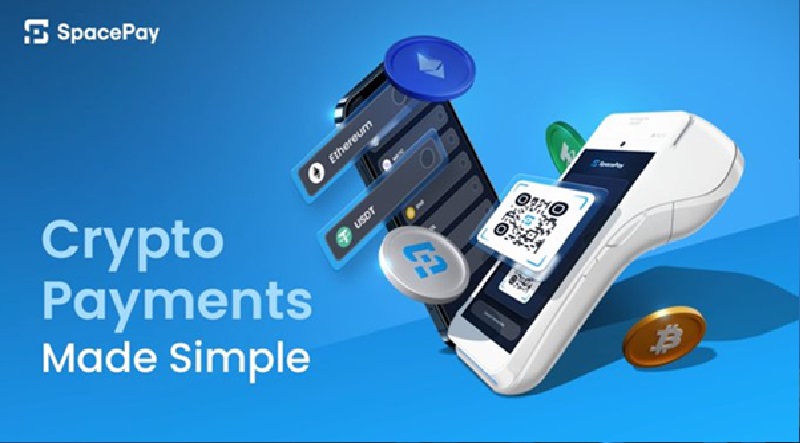
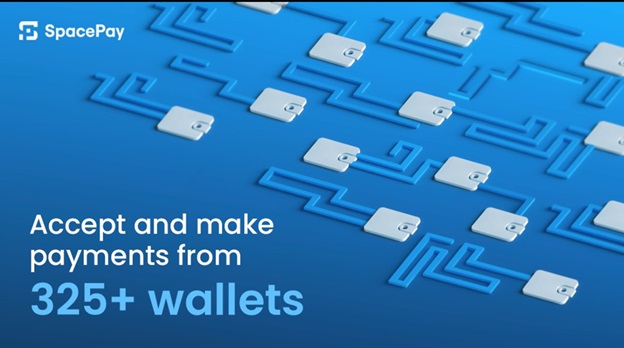
Technical complexity gets replaced with familiar QR code scanning. Instead of typing long wallet addresses or switching between multiple apps, customers simply scan a code with their preferred wallet among the 325+ supported options.

Real Tests, Real Results

SpacePay’s approach addresses limitations observed in previous crypto payment attempts. While many earlier systems focused on cryptocurrency technology first and merchant needs second, SpacePay reverses this priority order.

By examining why businesses hesitate to adopt crypto payments, the platform targets solutions to each specific barrier.

The 0.5% fee directly challenges the economics of traditional payment processing. For a typical business processing $10,000 weekly in card payments, the math becomes simple: $50 in SpacePay fees versus $250-350 with standard card rates. This 80-85% reduction presents a compelling financial case regardless of interest in cryptocurrency technology.

From $1M Presale to Everyday Use

SpacePay’s $1 million presale achievement with tokens at $0.003181 creates a foundation for expanding to everyday payment use. This funding supports completing the technical infrastructure needed to process transactions reliably at scale. The platform focuses on refining the merchant dashboard, payment flows, and settlement systems before wider release.

The path to store adoption follows a practical business approach. Rather than massive marketing campaigns, SpacePay targets specific merchant types that benefit most from lower fees and faster settlements.

Restaurants with tight profit margins, retail stores with inventory management needs, and service businesses that value immediate payment confirmation show particular interest in the benefits.
Token holders participate in platform growth through several mechanisms. The revenue sharing model gives supporters portions of transaction fees, creating passive income as more stores use the system. Monthly voting rights let holders shape feature development and expansion priorities. Quarterly webinars provide updates on progress and merchant adoption metrics.

Growth potential in the payment space remains substantial. With global card processing fees exceeding billions of dollars annually, even capturing a small percentage of this market creates major value.

As merchants see real savings from 0.5% fees and instant settlements, adoption can spread naturally through business communities where store owners share successful experiences with neighboring shops.

For those interested in participating, SpacePay continues accepting various payment methods through its presale, including USDT, AVAX, BASE, MATIC, ETH, BNB, and bank cards. The platform shares regular updates through community channels on Telegram and X.


                                   JOIN THE SPACEPAY (SPY) PRESALE NOW


       Website    |    (X) Twitter    |  Telegram
 

Join Tekedia Capital Syndicate and Invest in the World’s Finest Startups

0

Tekedia Capital Syndicate, a major investment syndicate with hundreds of professionals, citizens, companies, investment clubs and more, nakes u

Membership for 4 investment cycles goes for $1,000 or N1,000,000 depending on your currency of choice. Go here, become a member and join to co-invest

Tekedia Capital offers a specialty investment vehicle (or investment syndicate) which makes it possible for citizens, groups and organizations to co-invest in innovative startups and young companies around the world. Capital from these investing entities are pooled together and then invested in a specific company or companies. 

WhatsApp Group

Once you become a member, you will also join Tekedia Capital WhatsApp Group where investors like you converge.

Africa’s Billionaires Amass Record $105bn, Dangote Retains Top Spot for 14th Year—but the Continent Still Lags Behind Global Wealth Trends

0

For the first time in history, Africa’s billionaires have collectively amassed a fortune exceeding $100 billion, with their combined net worth reaching $105 billion, according to Forbes’ 2025 rankings.

The new milestone represents a significant increase from $82.4 billion in 2024, marking a major moment for Africa’s wealthiest individuals. The surge in fortunes underlines the business growth of Africa’s ultra-rich, particularly in industries like energy, consumer goods, banking, and real estate, which have benefited from rising equity markets and currency gains.

Dangote Retains Top Spot as Refinery Boosts Fortune

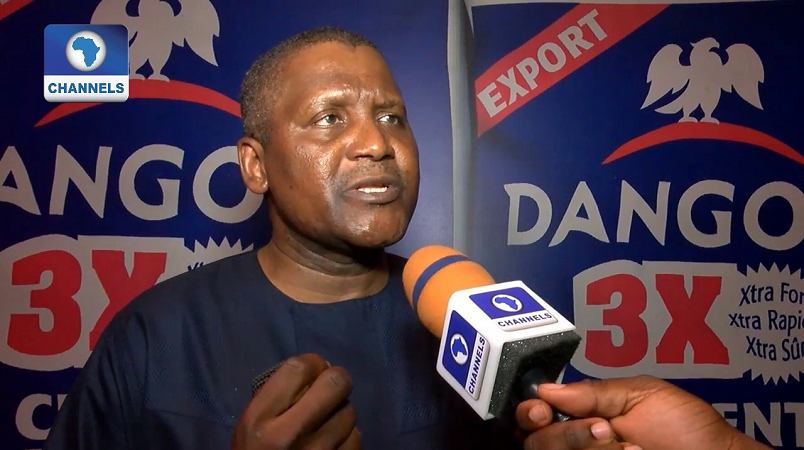
Nigeria’s Aliko Dangote continues his reign as Africa’s richest person for the 14th consecutive year, with his net worth surging to $23.9 billion, up from $13.9 billion in 2024. The sharp increase is attributed to his long-awaited refinery project near Lagos, which finally began operations in early 2024 after years of setbacks.

Speaking to Forbes in February, Dangote described the refinery as a pivotal step in ensuring that Africa refines its own crude oil, thereby creating wealth and prosperity for its vast population. The refinery’s successful launch has positioned Nigeria to begin exporting refined petroleum products, a historic shift for the continent’s largest oil producer, which has long been dependent on fuel imports. The development has not only increased Dangote’s personal wealth but has also boosted investor confidence in Nigeria’s industrial and energy sectors.

South Africa, Egypt, and Nigeria Dominate the Billionaire Rankings

South Africa leads the continent in billionaire representation, with seven individuals making the list. Nigeria and Egypt follow with four billionaires each, while Morocco boasts three. Other countries represented include Algeria, Tanzania, and Zimbabwe. South African luxury goods magnate Johann Rupert, owner of Richemont, remains Africa’s second-richest individual, with a net worth of $14 billion, marking a 39 percent increase from 2024. His growth is second only to Dangote’s, reflecting strong global demand for luxury brands.

Meanwhile, Nigeria’s Femi Otedola, chairman of Geregu Power Plc, saw his fortune rise by over 30 percent to $1.5 billion, driven by a 40 percent surge in Geregu Power’s stock price amid rising energy demand. Despite these gains, Africa’s billionaire list remains dominated by a small group of individuals, with few new entrants. In contrast, Asia and the U.S. add dozens of new billionaires each year, underscoring Africa’s slow pace of wealth creation.

This year’s rankings saw the return of two former billionaires who had previously dropped off the list. Moroccan real estate mogul Anas Sefrioui reentered the rankings following a major surge in shares of his real estate company, Douja Promotion Groupe Addoha. South African investor Jannie Mouton also made a comeback after a 59 percent jump in Capitec Bank Holdings’ stock price, reflecting renewed investor confidence in South Africa’s banking sector.

However, not all billionaires saw gains. Zimbabwe’s Strive Masiyiwa suffered the biggest decline, losing a third of his wealth due to Zimbabwe’s shift from the Zimbabwe dollar to the gold-backed ZiG currency. His net worth now stands at $1.2 billion, a sharp drop that highlights the instability of African financial systems.

Africa’s Billionaires Lag Behind Global Peers

While the Forbes rankings show that African billionaires are growing richer, the continent as a whole continues to struggle to produce new ultra-wealthy individuals. The rankings, based on publicly available financial data, including stock prices and currency exchange rates as of March 7, 2025, show that global billionaire wealth has risen by 22 percent over the past year.

Africa continues to fall significantly behind other regions in billionaire representation, highlighting the continent’s economic challenges.

While Africa’s wealthiest individuals have seen substantial gains, the total number of billionaires on the continent remains disproportionately low compared to other regions. The United States leads the world with 870 billionaires, whose combined wealth exceeds $5.5 trillion. Asia follows with 951 billionaires, reflecting the region’s booming economies, particularly in China, India, and Southeast Asia. Europe ranks third, with 536 billionaires, largely due to its well-established financial markets and industrial giants. In stark contrast, Africa has only a little over 20 billionaires, exposing the continent’s struggles in wealth creation and economic growth.

Africa’s underperformance in the global billionaire index is a direct reflection of the continent’s economic strength—or lack thereof. Unlike the U.S. and Asia, where billionaires emerge from technology, finance, and advanced manufacturing, Africa’s wealth remains heavily concentrated in traditional sectors like oil, commodities, and retail. The continent’s inability to diversify its economy, attract major tech investments, and develop strong financial markets has kept its billionaire count alarmingly low.

Moreover, Africa’s economic trajectory is deeply tied to governance and leadership. While countries like China, India, and Brazil have implemented pro-business policies, industrialization strategies, and financial reforms, many African nations continue to struggle with corruption, weak institutions, and regulatory hurdles that stifle large-scale wealth creation. The few billionaires that exist on the continent often have close ties to governments or operate in monopolistic industries, making it difficult for new entrepreneurs to amass significant wealth.

Cardano’s Market Struggles Open a Door for This Emerging Crypto to 1000x in 15 Days

0

Cardano’s (ADA) recent inclusion in the US Security Reserve sparked optimism among investors, hinting at a potential breakout for the crypto. However, despite the hype, Cardano still struggles to maintain an upward trend.

Meanwhile, a rising crypto, RCO Finance (RCOF), is making headlines with a promise to deliver 1000x ROI in 15 days. With advanced AI and blockchain technology, this crypto is attracting more investors to its presale, overshadowing Cardano.

Cardano (ADA) Price Movement: Bull Run or Short-Term Rally?

Cardano (ADA) has shown signs of a bull run, after gaining 1.5% in the past 24 hours to trade at $0.7692 at press time. This marks its fourth consecutive bullish candle, which has built optimism among investors.

On the daily chart, Cardano trends indicate a bullish reversal after crossing above the 200-day EMA line. This could push the crypto towards the $0.9216 mark, which aligns with the 78.60% Fibonacci level.

Despite the bullish momentum, Cardano faces challenges in maintaining long-term price stability. Compared to competitors like Ethereum and Solana, Cardano’s ecosystem growth has been slow, making it hard for sustained price movements.

Investors looking for innovation, utility, and high growth potential are now shifting focus to emerging crypto like RCOF. This crypto provides cutting-edge technology that will transform how we trade in the crypto market.

RCO Finance: The Crypto Benefitting from Cardano’s Struggles

As Cardano continues to battle price stability, investors are turning to an emerging crypto that offers utility and high growth potential. RCO Finance incorporates AI and blockchain technology to transform trading and investing in crypto.

The platform incorporates AI and machine learning to create solutions for investors without prior knowledge of the crypto market or trading parameters. RCOF allows users to access professional-grade investment strategies, thus removing the need for middlemen.

At the heart of RCO Finance is its AI-powered Robo-advisor that customizes investment strategies tailored to a user’s financial goals, risk tolerance and market preferences. This makes the crypto ideal for investors of all experience levels.

The Robo-advisor can analyze vast market data, and based on the insights, the tool can monitor and adjust your investment portfolio in real-time.

Again, the Robo-advisor can monitor market trends and conditions to provide investors with personalization that was previously unavailable to retail investors. Through its AI predictive analytics, the Robo-advisor identifies high-growth assets before major price upswings or downswings.

For instance, the recent LIBRA token collapse, when it plummeted from $4 to almost zero in a single day, wiped out over $4.4 billion in investors’ funds. If investors had access to a tool like the RCOF Robo-advisor, they could have had a chance to exit the position before the disaster unfolded.

Unlike Cardano, RCOF expands its offering to more than 120,000 tradable assets, including stocks, bonds, crypto, FX, and tokenized real-world assets like real estate and commodities. This diversification enables investors to spread their risks while maximizing their returns.

RCOF offers investors a leverage option of up to 1000x on select assets, allowing traders to maximize profits with minimal stakes. This feature is rare, making RCOF a game changer in the volatile crypto market.

Investors who prefer privacy and anonymity will find the RCO Finance platform ideal due to its KYC-free ecosystem. Unlike legacy platforms with cumbersome onboarding processes, RCOF guarantees instant access to its DeFi products while maintaining high-security standards.

RCOF has undergone rigorous audits by SolidProof, which confirms robust asset safety, as its smart contracts are free from vulnerabilities. This offers investors a safe and secure trading environment that boosts investor confidence.

Are you ready to experience the Robo-advisor firsthand? RCOF recently launched its AI Beta platform, which is a rare occurrence as many crypto projects wait until the official token launch. Over 10,000 active users are on board, showing growing confidence in the crypto.

Investors can expect more enhancements in the alpha phase, which is currently under internal development. Try it out here.

RCOF Presale Shines with Potential 1000x ROI in 15 Days

Cardano’s slowed price growth has left many investors shifting focus to an emerging altcoin, whose presale is a hot topic in the crypto market.

The RCOF presale is in stage 5, with tokens available at just $0.10. The next stage kicks off with token price at $0.13. The token has had a successful presale, with stage 1 investors boasting over 500% ROI, since the prices continue to rise with every stage.

If you invest now, you can still reap big with RCOF, as analysts predict that the crypto’s listing price will be between $0.4 and $0.6. Analysts also predict that the crypto will surge by 1000x in 15 days, outperforming Cardano’s price movements.

The presale is heating up as over 51% of the allocated tokens in stage 5 are sold out. Investors can also maximize their gain with the ongoing bonus discount of up to 40% using the code WELCOME40.

For more information about the RCO Finance (RCOF) Presale:

Visit RCO Finance Presale

Join The RCO Finance Community

Why is Tesla and Elon Musk Targeted?

0

On March 29, 2025, small protests targeting Tesla and its CEO, Elon Musk, took place in Berlin as part of a broader “Tesla Takedown” Global Day of Action. These demonstrations were relatively modest in scale, with reports indicating only about ten participants in Berlin, a stark contrast to the larger crowds seen in the United States. The protests were driven by opposition to Musk’s role in the Trump administration’s Department of Government Efficiency (DOGE), where he has spearheaded significant cuts to the U.S. federal workforce and government spending. In Berlin, demonstrators gathered outside a Tesla dealership, holding signs critical of Musk, though the turnout remained limited.

The Berlin protests coincided with similar actions across Germany and internationally, including in cities like London and Seattle, as activists aimed to pressure Musk by targeting Tesla, the primary source of his wealth. While the movement has gained traction elsewhere—particularly in the U.S., where hundreds rallied at over 200 Tesla locations—the response in Berlin was notably subdued. Reports from German media, such as Der Spiegel, highlighted the low attendance, with some suggesting the global call to action failed to resonate strongly in the German capital.

This could reflect a disconnect between Musk’s U.S.-focused political actions and local sentiment in Germany, where Tesla’s presence is significant due to its Giga Berlin factory, yet the protests did not mirror the intensity seen in prior anti-Tesla actions there, like the May 2024 demonstrations against the factory’s expansion. The implications of these small protests in Berlin are limited but noteworthy. They signal a ripple of international discontent with Musk’s influence, though the minimal turnout suggests the “Tesla Takedown” movement has yet to mobilize significant support in Germany.

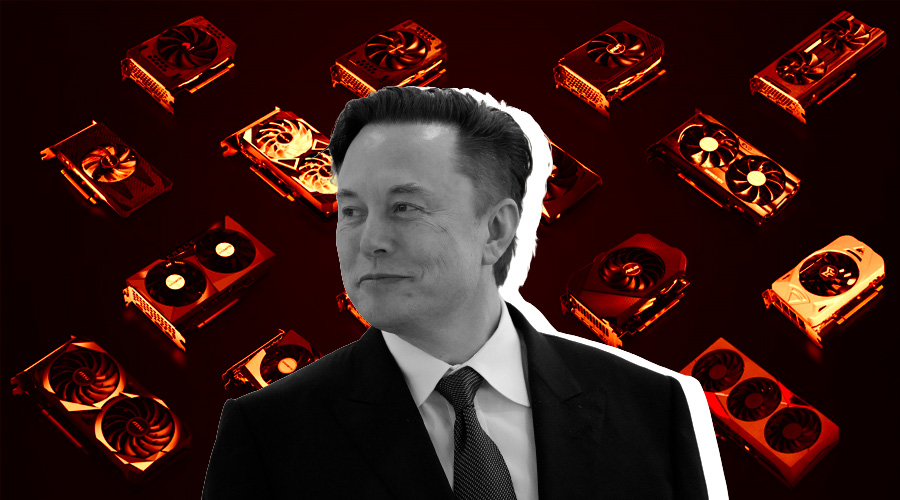
Elon Musk and Tesla have become targets for a variety of reasons, largely tied to Musk’s high-profile actions, political involvement, and the symbolic role Tesla plays as an extension of his influence and wealth. Based on available information, Musk’s close association with U.S. President Donald Trump, particularly since Trump’s second term began in 2025, has made him a lightning rod for criticism. Musk leads the Department of Government Efficiency (DOGE), which is aggressively cutting federal spending and jobs. This has angered groups who see these actions as undermining social programs and democratic institutions, positioning Musk as a powerful figure in Trump’s administration.

Tesla, as Musk’s most visible company, has become a proxy for this backlash, with protests like the “Tesla Takedown” movement aiming to hurt his wealth and influence by targeting the company. Critics view Musk as an unelected billionaire wielding outsized influence over government policy, especially through DOGE. Tesla, which underpins much of his fortune, is seen as a tangible target for those opposing what they call an “illegal coup” or a tech oligarchy. Activists globally have organized demonstrations at Tesla showrooms, with some arguing that hitting Tesla’s stock value and sales directly impacts Musk’s power.

Musk’s vocal support for Trump and far-right figures, coupled with controversial gestures—like a salute at Trump’s inauguration that some interpreted as fascist—has alienated segments of Tesla’s traditional customer base, particularly progressive and liberal buyers. This shift has fueled boycotts, vandalism, and protests, with Tesla vehicles and dealerships being attacked as symbols of Musk’s ideology. For example, in Europe, companies like Rossmann have ditched Tesla fleets over Musk’s politics, and owners report harassment.

Tesla’s stock has dropped significantly in 2025—down 45% according to some reports—amid these protests and a broader sales slump. Activists and short sellers may see this as an opportunity to amplify pressure, with some suggesting that coordinated attacks on Tesla are meant to drive down its stock price. Musk himself has noted that many involved in these “takedowns” profit from shorting Tesla stock, linking financial motives to the targeting. Beyond peaceful protests, Tesla has faced violent acts—gunfire at dealerships, arson at charging stations, and Molotov cocktails—labeled as “domestic terrorism” by U.S. officials like Attorney General Pam Bondi.

While not all incidents are politically motivated, the timing aligns with Musk’s rising prominence in Trump’s administration, suggesting some are retaliating against his policies or persona. The FBI has even launched a task force to investigate these attacks. Opinions differ on who’s behind the targeting. Some claim it’s a well-funded operation, possibly violating securities laws, while others, like activist Valerie Costa, insist it’s a decentralized, people-powered movement. No conclusive evidence ties specific groups like ActBlue or George Soros to the violence, but the narrative of organized opposition persists.

For Tesla, the Berlin protests pose little immediate threat to operations, especially compared to the vandalism and larger rallies elsewhere. However, they contribute to a growing narrative of Tesla as a polarizing brand, potentially complicating its image in a key European market where it employs thousands and produces electric vehicles. For now, the Berlin demonstrations remain a footnote in the wider anti-Musk campaign, lacking the scale to drive substantial change but reflecting a persistent undercurrent of criticism.