DD
MM
YYYY

PAGES

DD
MM
YYYY

spot_img

PAGES

Home Blog Page 1497

Access Bank Takes Over National Bank of Kenya in Landmark East African Expansion Deal

0

Nigeria’s Access Bank PLC has sealed a landmark deal to acquire full ownership of the National Bank of Kenya (NBK), tightening its grip on the East African banking industry and pushing forward a continental expansion strategy that has seen it move rapidly beyond its domestic borders.

The acquisition received final regulatory clearance from the Central Bank of Kenya (CBK) on April 4, 2025, and from Kenya’s National Treasury on April 10, confirming that the transfer of 100% shareholding from KCB Group PLC to Access Bank met all statutory requirements under the country’s Banking Act.

The transaction is a key step in Access Bank’s aggressive regional growth push, consolidating its footprint in one of Africa’s most competitive banking environments and deepening its presence in the East African Community (EAC) bloc. Access Bank already operates in Kenya, but the acquisition of NBK provides it with a broader customer base, additional infrastructure, and deeper roots in a market long considered strategic for pan-African expansion.

Carving New Territory in Kenya’s Financial Space

The Central Bank of Kenya has publicly welcomed the deal, casting it as a win not just for Access Bank but for Kenya’s entire banking sector.

“This transaction will enhance the resilience and stability of the Kenyan banking sector,” the CBK said in its statement issued Monday, April 14.

The endorsement signals a vote of confidence in the Nigerian lender’s ability to maintain continuity at NBK, safeguard depositor interests, and boost Kenya’s evolving financial services sector.

CBK’s posture is notably more supportive than in some past foreign acquisition cases, hinting that Access Bank’s prior track record in Kenya, however limited, and its broader African experience played a role in allaying regulatory concerns.

As part of the transition, some assets and liabilities of NBK will be transferred to KCB Bank Kenya Limited, a wholly owned subsidiary of KCB Group. This restructuring will take effect once all formalities are concluded, per the tripartite agreement between Access Bank, KCB Group, and relevant Kenyan authorities.

End of an Era as KCB Group Exits NBK

NBK’s ownership has shifted hands twice in less than a decade. Founded in 1968 to help drive indigenous financial empowerment after Kenya’s independence, the bank operated for years as a state-controlled lender. In 2019, KCB Group acquired the troubled NBK in a deal framed as a bailout and recapitalization effort. Since then, KCB has managed NBK as a subsidiary, operating alongside its core banking units and other ventures like NBK Bancassurance Intermediary Limited.

But KCB’s decision to divest NBK now reflects a broader reshuffling of priorities. While the group remains one of Kenya’s largest financial institutions, shedding NBK allows it to consolidate around stronger, more profitable units. Access Bank’s entry, coming barely a year after both parties signed a binding acquisition agreement in March 2024, suggests the Nigerian lender saw long-term value where KCB may have seen legacy baggage.

Access Bank’s East African Ambitions and Continental Reach

Access Bank’s strategy over the past few years has been clear: become Africa’s gateway to the world. Through a string of cross-border acquisitions and partnerships, the bank has grown from a Nigerian retail heavyweight into a full-fledged pan-African financial powerhouse. It now operates in more than a dozen African countries—including Ghana, Rwanda, Mozambique, Zambia, and South Africa—and has strategic outposts in the United Kingdom, United Arab Emirates, China, Lebanon, and India.

This acquisition marks another bold stroke in Access Bank’s East African strategy. Kenya, with its relatively mature financial system and central role in regional trade, offers Access Bank a platform not only to scale locally but to connect markets across the EAC and beyond.

Analysts note that while Access Bank faces stiff competition from entrenched players like Equity Bank, Co-operative Bank, and KCB itself, its entry via NBK gives it an immediate branch network and existing clientele to build on. The bank is expected to focus heavily on digital banking and financial inclusion, two pillars that have defined Kenya’s financial revolution over the past decade.

However, the full implications of the NBK acquisition are expected to unfold over time. Access Bank has not yet detailed its integration roadmap or whether it plans to rebrand NBK entirely. Questions remain about staff retention, overlap in branch networks, and product consolidation. However, CBK’s emphasis on continuity signals that there may be no abrupt changes to NBK’s operations in the near term.

Access Bank is also expected to leverage its digital banking expertise to drive new growth in Kenya. The bank has made significant investments in fintech and mobile-first banking services across Africa and may use NBK as a springboard to introduce new products tailored to Kenya’s digitally savvy population.

A Strategic Win or a Costly Bet?

However, some industry watchers caution that Access Bank may be inheriting more than it bargained for. NBK, despite its legacy, has struggled with profitability, asset quality, and management turnover over the years. Turning it around will require more than fresh branding—it will demand strategic vision, capital, and an ability to navigate Kenya’s crowded, tech-forward banking environment.

Against this backdrop, many believe that whether this becomes a strategic win or a costly bet will depend on how quickly Access Bank can integrate NBK, extract value from its operations, and deploy its signature expansion model in a different economic terrain.


Online Casinos in Canada: Expected User Base to Reach 15.7 Million by 2029

0

The digital revolution has transformed several sectors, and the gambling industry is no exception. In recent years, the online casino sector in Canada has experienced substantial growth. This article explores the factors driving this expansion, examines statistics, and delves into future trends that promise to shape the industry.

The Growth of the Online Casino Industry in Canada

The surge in online gambling in Canada can be attributed to several key factors. Firstly, the convenience offered by online platforms has made gambling accessible to a wider audience. Players can now enjoy their favorite games from the comfort of their homes, eliminating the need for travel to physical locations. Additionally, platforms like open-cards.io enhance this experience by offering a variety of games and secure payment options, further boosting the appeal of online gambling.

Secondly, technological advancements have played a critical role. High-speed internet and mobile technology have made it easier for users to engage with online casinos. Modern graphics and interactive features enhance user experience, making online casinos a more attractive option than their traditional counterparts.

Lastly, the global pandemic accelerated the shift towards online entertainment, including gambling. With lockdowns and restrictions in place, many Canadians turned to digital platforms for their gaming fix. This trend has continued even as restrictions have eased, suggesting a permanent change in consumer behavior.

Key Statistics: User Base Projections for 2029

The online casino market in Canada is on a rapid growth trajectory. According to industry projections, the user base is expected to reach 15.7 million by 2029. This represents a significant increase from previous years, highlighting the growing popularity of online casinos.

A report by the Canadian Gaming Association indicates that the market size of online casinos is set to expand at an annual growth rate of 5%. This growth is driven not only by an increase in the number of users but also by higher spending per user as more people become comfortable with online transactions.

The demographic profile of online casino users is also evolving. While traditionally dominated by younger males, there is an increasing number of female participants and older adults engaging with online casinos. This diversification in the user base is expected to continue as the market matures.

Factors Contributing to the Popularity of Online Casinos

Several factors contribute to the rising popularity of online casinos in Canada. One of the primary reasons is the variety of games available online. Unlike physical casinos, which are limited by space, online platforms can offer a wide range of games, including slots, poker, blackjack, and more.

Promotional offers and bonuses also play a significant role in attracting new users. Many online casinos provide welcome bonuses, free spins, and loyalty programs that incentivize users to sign up and continue playing. These promotions are often tailored to different player preferences, enhancing their appeal.

Furthermore, the social aspect of online casinos should not be underestimated. With features such as live dealer games and chat functions, players can interact with each other and with professional dealers, replicating the social experience of traditional casinos. This interactivity enhances the overall gaming experience and encourages user retention.

Exploring the Best Online Casinos in Canada

Choosing the best online casino can be a daunting task given the plethora of options available. However, several platforms consistently receive high ratings from users. Betway, Jackpot City, and Spin Casino are frequently mentioned as top choices due to their extensive game selections and user-friendly interfaces.

When evaluating online casinos, users should consider factors such as the variety of games offered, customer support, payment options, and the reputation of the platform. A reliable online casino will offer secure payment methods and responsive customer service to address any issues that may arise.

Moreover, user reviews and expert recommendations can provide valuable insights into the quality of an online casino. Websites like open-cards.io offer detailed reviews and comparisons of different platforms, helping players make informed decisions based on their preferences.

Safety and Security in Online Casinos

Safety and security are paramount concerns for online casino players. Reputable platforms implement stringent security measures to protect user data and financial transactions. Encryption technologies, such as SSL, are commonly used to ensure that sensitive information remains confidential.

Licensing is another crucial factor to consider. Legitimate online casinos operate under licenses from reputable regulatory bodies, such as the Malta Gaming Authority or the UK Gambling Commission. These licenses ensure that the casino adheres to strict regulations, providing players with a fair and transparent gaming experience.

Players should also be aware of responsible gambling features offered by online casinos. Many platforms provide tools for setting deposit limits, self-exclusion, and time-out options to encourage responsible gaming. These features empower players to manage their gambling activities and prevent potential addiction.

Popular Games at Canada Online Casinos

The variety of games available at online casinos in Canada is a significant draw for players. Slot games, with their engaging themes and potential for high payouts, are particularly popular. Titles like Mega Moolah and Book of Dead have gained a loyal following due to their exciting gameplay and substantial jackpots.

Table games, such as blackjack and roulette, continue to attract players looking for strategic gameplay. Online casinos offer various versions of these classics, catering to different skill levels and preferences. Live dealer games have also gained popularity, providing players with an immersive experience that replicates the ambiance of a physical casino.

For those seeking a unique gaming experience, online casinos offer a range of niche games, including bingo, keno, and virtual sports. These games provide variety and cater to players looking for alternative gaming options beyond traditional casino offerings. Platforms such as open-cards.io have embraced this trend, offering a diverse selection of these niche games, ensuring that players have access to a broader range of entertainment choices.

Future Trends in the Canadian Online Casino Market

The future of the online casino market in Canada looks promising, with several trends on the horizon. The integration of virtual reality (VR) and augmented reality (AR) technologies is expected to revolutionize the online gaming experience, offering players an even more immersive environment.

Blockchain technology is another trend gaining traction. Some online casinos are beginning to accept cryptocurrencies as a payment method, providing users with enhanced security and privacy. This trend is likely to continue as cryptocurrency becomes more mainstream.

Finally, the focus on personalized gaming experiences is expected to increase. Online casinos are leveraging data analytics to offer tailored promotions and game recommendations based on user behavior. This personalization enhances player satisfaction and fosters long-term loyalty.

Conclusion and Call to Action

The online casino industry in Canada is set for remarkable growth in the coming years, driven by technological advancements, diversified user demographics, and innovative gaming experiences. As the market evolves, players can expect more engaging and secure platforms to enjoy their favorite games.

For those interested in exploring the world of online casinos, now is the perfect time to dive in. Whether you’re a seasoned player or new to the scene, the variety of games and platforms available is sure to offer something for everyone. Start your journey today by visiting top-rated platforms like Betway or Jackpot City, and experience the excitement of online gaming firsthand.

Commercial Papers, Nigeria’s Corporate Debt Risk And Necessity To Bring Order

1

I have noted that the voyage of Nigeria’s large companies to commercial papers should be considered a huge risk vector in our financial system. I have explained that just a few years ago, commercial papers were not important enough to be explained in most O’Level economics textbooks in Nigeria. But in the last decade, commercial papers have assumed unusual positioning in the nation.

Commercial paper is a short-term, unsecured promissory note issued by corporations, typically used to finance short-term liabilities like payroll and accounts payable. It’s a way for companies to raise money quickly and efficiently, especially for operating needs. 

The apex bank seems to have noticed: “Fresh concerns are emerging over credit risk in Nigeria’s lending market as the Central Bank of Nigeria (CBN) reveals a sharp uptick in loan defaults by large private non-financial corporations (PNFCs) and other financial corporations (OFCs). This is despite an overall improvement in loan performance across smaller business segments and households, and against the backdrop of the Nigerian financial industry preferring big corporates.“

Yes, the small businesses are taking care of their bills while the big companies are not doing well. But of course, big companies have a dump called AMCON where they can exit those loans (sure, things have changed). But here is the deal: I am not overly worried about a sovereign debt-induced paralysis in Nigeria as oil is still flowing, my challenge is that corporate debts can rattle the nation.

So, it is very refreshing that the Central Bank of Nigeria is looking at corporate debt risks now and the exposures the banks have in their books. That said, why do companies need to borrow this way, turning short-term loans into long-term ones? Maybe capital is not flowing easily into the nation due to the gyrating nature of the Naira. And that means fixing this debt matter must also include stabilizing the currency.

Central Bank of Nigeria Flags Rising Loan Defaults Among Large Corporates and Financial Firms Despite Broader Lending Recovery

0

Fresh concerns are emerging over credit risk in Nigeria’s lending market as the Central Bank of Nigeria (CBN) reveals a sharp uptick in loan defaults by large private non-financial corporations (PNFCs) and other financial corporations (OFCs).

This is despite an overall improvement in loan performance across smaller business segments and households, and against the backdrop of the Nigerian financial industry preferring big corporates. Last week, the African Development Bank (AfDB) President, Akinwumi Adesina, accused the Nigerian financial industry of operating on outdated risk models and rigid credit structures that deny SMEs and young entrepreneurs funding, focusing on big corporates.

The apex bank’s Credit Conditions Survey Report for the first quarter of 2025, released this week, showed that large corporates and financial institutions recorded negative default index scores of -0.6 each—a reversal from the relatively strong repayment behavior seen in previous quarters. The default index, which reflects the net balance of lender responses, signals worsening conditions when it falls below zero.

For most of 2024, large PNFCs and OFCs had shown steady improvement. In the final quarter of that year, large corporates had posted a positive default index of 4.3, following 4.9 in Q3. OFCs had performed even better, returning default scores of 5.0 and 6.8 in the same periods. But the first three months of 2025 saw that progress unravel, pointing to renewed pressure on these borrowers’ debt-servicing capabilities.

In contrast, smaller firms appear to be stabilizing. Small businesses posted a modest but positive default index of 0.5—albeit a drop from 9.0 in Q4 2024. Medium-sized PNFCs also maintained positive momentum, with their score settling at 3.0. According to the report, lenders are observing stronger repayment behaviors in these categories, a development linked to tighter underwriting practices and improving cash flows in the SME space.

The CBN’s findings also reveal continued gains in household loan performance. Secured household loans recorded a default index of 3.9, while unsecured personal loans climbed to 5.0, reflecting a sustained rebound from the troubling levels of 2022 and early 2023 when consumer defaults had posed a major threat to lender balance sheets.

This improvement in household repayment behavior coincides with rising demand for personal credit, particularly overdrafts and personal loans, though appetite for mortgage and credit card lending appears to have waned in Q1 2025. Lenders, however, are not responding with blanket approval; the data shows a more cautious stance, with tightening of credit scoring criteria across most lending categories.

The broader credit environment remains dynamic. Demand for credit increased during the quarter, especially for corporate and secured lending, driven largely by working capital needs and inventory financing. But lenders are becoming more selective. Loan approvals rose for secured and corporate borrowers, while falling for unsecured loans, suggesting a tightening of risk tolerance even amid higher borrowing interest.

There’s also been a noticeable shift in loan pricing. Lenders widened the spread over the Monetary Policy Rate (MPR) for both secured and unsecured household loans, indicating tighter risk pricing. Corporate loans followed a similar pattern, with wider spreads reported—except in the case of OFCs. Curiously, spreads narrowed for these financial firms, even as their default rates worsened.

Some analysts believe this divergence may reflect lenders’ expectations that OFCs could receive liquidity support or government intervention. Others suggest it may be an attempt to keep key financial players afloat to avoid broader systemic implications. Either way, the move has sparked questions about the rationale behind such pricing flexibility for borrowers who are increasingly showing signs of stress.

The implication of rising defaults among large borrowers is significant. These entities typically account for a sizable portion of total commercial credit exposure, and any deterioration in their performance can have ripple effects throughout the financial sector. The CBN report, while noting that it does not represent the Bank’s official policy position, warns that worsening conditions in this segment could lead to higher loan loss provisioning, reduced appetite for large-ticket lending, and a potential tightening of credit policy in the coming months.

For now, the more resilient performance of SMEs and households offers some buffer. However, the strain at the top of the lending market points to vulnerabilities that could test the banking sector’s risk management capacity amid ongoing macroeconomic uncertainty.

Bank executives and financial analysts say this development is not entirely surprising. They cite inflationary pressures, currency volatility, and weak consumer demand as factors that continue to erode profit margins for large firms, making it harder to meet loan obligations. With tighter monetary policy driving up interest rates and increasing the cost of capital, the pressure is mounting on firms that previously enjoyed more favorable credit conditions.

FTC Seeks to Dismantle Meta’s Grip on Social Media in Landmark Trial Over Instagram And WhatsApp Acquisition

0

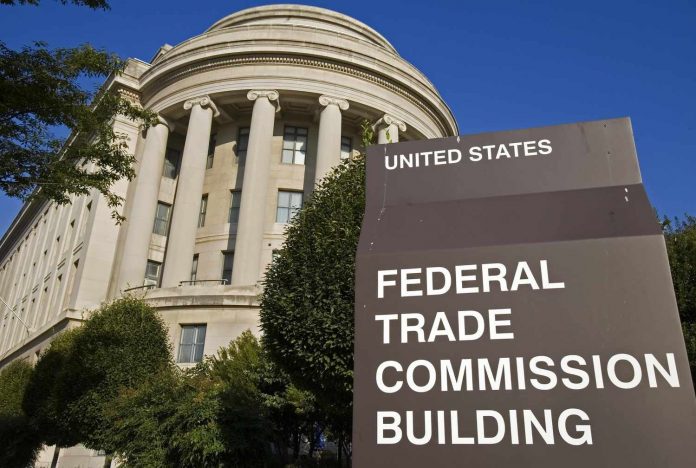
The U.S Federal Trade Commission (FTC) is reportedly in pursuit to dismantle tech giant, Meta’s dominance in the social media landscape.

In a legal filing, the FTC claims that Meta shouldn’t have been allowed to purchase Instagram for $1 billion in 2012, and WhatsApp for $19 billion in 2014, calling for those units to be sliced off from the company.

Part of the filing reads,

“Facebook is the world’s dominant online social network, with a purported three billion-plus regular users. Facebook has maintained its monopoly position in significant part by pursuing Chief Executive Officer (“CEO”) Mark Zuckerberg’s strategy, expressed in 2008: “It is better to buy than compete.” True to that maxim, Facebook has systematically tracked potential rivals and acquired companies that it viewed as serious competitive threats.

“Facebook supplemented this anticompetitive acquisition strategy with anticompetitive conditional dealing policies, designed to erect or maintain entry barriers and to neutralize perceived competitive threats. Facebook’s dominant position provides it with staggering profits. Facebook monetizes its social networking monopoly principally by selling surveillance-based advertising. Facebook collects data on users both on its platform and across the internet and exploits this deep trove of data about users’ activities, interests, and affiliations to sell behavioral advertisements.

“Last year alone, Facebook generated revenues of more than $85 billion and profits of more than $29 billion. As Facebook has long recognized, its social networking monopoly is protected by high barriers to entry, including strong network effects. In particular, because a personal social network is more valuable to a user when more of that user’s friends and family are already members, a new entrant faces significant difficulties in attracting a sufficient user base to compete with Facebook.“

After nearly six years of investigation and legal maneuvering, the Federal Trade Commission (FTC) is finally facing off against Meta in a high-stakes antitrust trial that could redefine the future of the social media landscape. If the FTC prevails, Meta could be forced to unwind the acquisitions splitting off Instagram and WhatsApp from its corporate structure, a move the tech giant strongly opposes.

The trial, expected to stretch over several weeks, will feature testimony from high-profile figures including Zuckerberg himself, former COO Sheryl Sandberg, Instagram co-founder Kevin Systrom, and executives from rival platforms such as TikTok, Snap, and YouTube. The FTC argues that Meta’s dominance wasn’t earned through innovation, but through strategic acquisitions that eliminated competitive threats.

Acquiring these competitive threats has enabled Facebook to sustain its dominance—to the detriment of competition and users not by competing on the merits, but by avoiding competition,” the agency stated in a legal filing.

Meanwhile, Meta maintains that its acquisitions were lawful and approved by regulators at the time. The company points to the current vibrancy of the social media market with TikTok, Snapchat, and others thriving as evidence that competition is alive and well. Meta spokesman Chris Sgro argued that the deals have “been good for competition and consumers,” and criticized the FTC’s attempt to “punish businesses for innovating.”

Legal experts see the case as a defining moment for U.S. antitrust enforcement. Prasad Krishnamurthy, a professor at U.C. Berkeley Law, noted that the trial could test the limits of existing antitrust laws concerning mergers and acquisitions. “It’s a big case because it involves Meta, a social media giant, and it involves one of the most important markets in the world,” Krishnamurthy said. “It has big implications for something that consumers use as part of their daily life, Instagram and WhatsApp.”

Amid the legal battle, political undertones have also emerged. FTC Chair Lina Khan recently expressed concerns that the Trump administration might go easy on Meta, given Zuckerberg’s recent engagements with the former president including attending his inauguration and co-hosting an inaugural ball.

As the trial unfolds, it could set a powerful precedent for how the U.S. handles Big Tech and corporate consolidation in the digital age.