DD
MM
YYYY

PAGES

DD
MM
YYYY

spot_img

PAGES

Home Blog Page 1561

DIY: Crafting Your Personal WWJD Bracelet at Home

0

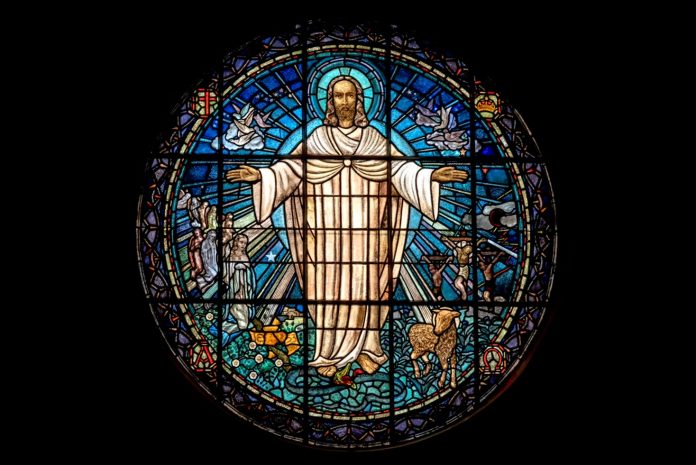
WWJD bracelets, known for encapsulating the phrase “What Would Jesus Do,” have a special place in fashion and faith. These bracelets became popular in the 1990s as a reminder for individuals to act in a way that aligns with Jesus’ teachings.

Creating your own WWJD bracelet at home offers a chance to infuse personal meaning into the accessory. This DIY project is not just about crafting; it’s about reflecting on spiritual values and expressing faith in an intimate way. Making a WWJD band allows you not only to create a unique piece of jewelry but also to carry a constant reminder of a guiding question in your daily life.

Materials Needed for Your DIY WWJD Bracelet

To start crafting your WWJD bracelet, gather the following materials:

  • Letter Charms: These will spell out “WWJD.”
  • Beads: Round or flat beads work well, available in various colors to match your personal style. Add a splash of color with beads that resonate with your personality or your favorite hues.
  • Elastic String: A flexible string that allows the bracelet to stretch, ensuring a secure and comfortable fit.
  • Scissors: Essential for trimming the elastic string to the right size.
  • Clasp: Useful if you prefer a more traditional bracelet closure.

For added flair, you might consider:

  • Decorative Charms: Personalize your bracelet with crosses, hearts, or other meaningful symbols.

These materials are often available at craft stores, and reliable online sources include Spotlight and Hobby Lobby. By customizing your WWJD bracelet, you create something both beautiful and meaningful, serving as a daily reminder of spiritual guidance.

Step-by-Step Guide to Making a WWJD Bracelet

Crafting your own WWJD bracelet can be a rewarding experience. Follow these simple steps to create your personalized What Would Jesus Do bracelet.

  1. Gather Your Materials:
    • Start by collecting all the necessary items from section 2 of this article.
    • Organize them neatly on a clean workspace.
  2. Measure and Cut the Elastic String:
    • Wrap the elastic string around your wrist to get the correct length.
    • Leave an extra inch or two before cutting to allow for tying the knot later.
  3. Arrange Your Beads:
    • Plan your bracelet design. It’s always best to layout the beads in the pattern you desire on a flat surface before starting.
    • Use the WWJD letter charms at the center as they are the heart of the bracelet.
  4. String the Beads:
    • Begin threading the beads and charms onto the elastic string according to your design.
    • Remember to secure each bead with a knot if using multiple sections to prevent sliding.
  5. Tie the Knot:
    • Once all the beads are on, tie a secure knot at the end of your bracelet.
    • Double or triple the knot for extra security.
  6. Test for Strength:
    • Gently pull on the ends to make sure the knot holds.
    • Check if the beads are comfortably fitting around your wrist.
  7. Trim Excess String:
    • Carefully trim any excess elastic string. Be sure not to cut too close to the knot.
  8. Secure the Knot:
    • You may add a drop of jewelry glue to the knot for additional safety.
    • Allow the glue to dry completely before wearing.

Following these steps ensures that your bracelet will not only look great but also last a long time.

Adding Personal Touches to Your WWJD Bracelets

Personalizing your WWJD bracelets can add depth and significance to this meaningful accessory. Customization allows you to express your personality and faith.

Here are a few ideas for giving your bracelet a unique touch:

  • Color Selection:
    • Choose bead colors that represent personal significance or complement your wardrobe.
    • Consider using birthstone colors or favorite hues for further personalization.
  • Incorporate Names or Initials:
    • Add letter beads with your name or initials along with the WWJD letters.
    • Including loved ones’ initials can make the bracelet a sentimental reminder of support and faith.
  • Charm Additions:
    • Add small charms like crosses, hearts, or other symbols of faith and select charms that resonate with your spiritual journey or life experiences.
  • Textures and Materials:
    • Mix different materials such as wooden beads with metal accents to enhance texture.
    • Experiment with bead shapes—round, faceted, or flat—to create a design that is truly yours.

Customizing your bracelet not only makes it special but also transforms it into a personal statement of faith. Embrace your creativity and let the bracelet reflect who you are. This not only strengthens its spiritual significance but also aligns with your personal journey.

Why Wear a What Would Jesus Do Bracelet?

Wearing a What Would Jesus Do bracelet is more than a fashion choice; it is a reminder of faith and values. Here’s why many people choose to wear a WWJD band:

  • Spiritual Reminder: The bracelet serves as a constant reminder to reflect on actions through a faith-driven lens. When faced with decisions, the prompt “What Would Jesus Do?” can encourage compassionate and thoughtful choices.
  • Personal Impact: Many find that these bracelets influence their daily lives, encouraging acts of kindness and guiding interactions. Personal stories often highlight how a simple glance at the bracelet can prompt a moment of reflection and better decision-making.
  • Community Connection: Wearing a WWJD bracelet can also create a sense of belonging among like-minded individuals. It can spark conversations about faith and community.

Caring for Your WWJD Bracelets

To keep your WWJD bracelets in excellent condition, follow these practical care tips:

  1. Regular Cleaning: Gently clean the bracelet with a soft cloth to remove dirt and oils. For more stubborn marks, dampen the cloth slightly to wipe it clean.
  2. Avoid Water: Protect your bracelet from water damage by removing it before showering or swimming. Water can weaken the elastic string over time.
  3. Storage Tips: Store your bracelet in a dry, cool place when not in use. A small jewelry box or pouch can protect it from scratches and tangles.
  4. Check for Wear: Regularly inspect the bracelet for any signs of wear, such as fraying string or loose beads. Addressing these early can help maintain its longevity.

By understanding the significance and proper care of your WWJD bracelet, you can keep it as a meaningful part of your daily life.

Sharing the Experience: Making WWJD Bands with Friends and Family

Creating WWJD bracelets can be a fun and rewarding social activity. Here are some ideas on how to make the most out of this experience with your loved ones:

  • Host a Craft Night: Gather your friends and family for a bracelet-making evening. Provide materials and snacks and enjoy the meaningful conversations that arise.
  • Share your Faith Together: Use this time to discuss the significance of What Would Jesus Do and how it relates to your personal lives.
  • Inspire Fellowship: Encourage everyone to create a bracelet for themselves and another to give away as a token of fellowship and faith.

Crafting together can strengthen bonds and build a supportive community.

Explore More DIY Faith-Inspired Crafts

If making WWJD bracelets sparks your creativity, consider diving into more faith-focused DIY projects. Here are some ideas to get you started:

  • Create Inspirational Bookmarks: Use scripture or uplifting quotes to design personalized bookmarks.
  • Design Decorative Prayer Jars: Fill a jar with inspiring messages or prayer requests for daily reflection.
  • Handmade Journals: Craft a journal to document your faith journey and blessings.

Maksym Krippa Appointed President of UESF, Ushering in a New Era for Ukrainian Esports

0

The Ukrainian Esports Federation (UESF) has entered a new phase of leadership and vision. Renowned Ukrainian entrepreneur and investor Maksym Krippa, known for his pivotal roles as the owner of esports powerhouse NAVI and production studio Maincast, has been officially appointed as the new president of UESF.

This leadership transition reflects a broader strategic transformation within the Federation. Under Krippa’s guidance, UESF aims to expand its global reach, foster robust partnerships, and attract fresh investment to fuel the sustainable growth of Ukraine’s esports ecosystem. The organization is setting its sights on building stronger ties with international stakeholders and creating new opportunities for Ukrainian players, teams, and talent on the global stage.

This is reported by New Style Kyiv and describes all the details.

Krippa’s appointment is widely seen as a turning point that could redefine the trajectory of the Ukrainian esports sector. His extensive experience in business and esports, along with a clear commitment to long-term development, positions him as a transformative figure at a time when the industry seeks greater stability and global recognition.

As UESF looks ahead, the Federation is expected to implement new initiatives focused on infrastructure, education, and the integration of Ukraine into the broader international esports community.

Strategic Renewal and a Fresh Vision

In an interview with Forbes Ukraine, newly appointed UESF President Maksym Krippa emphasized that the Federation is undergoing a major strategic overhaul. Among the core priorities of the renewed approach are streamlined governance, stronger ties with international esports bodies, and the development of a more investment-friendly ecosystem.

Key goals of the updated strategy include:

  • Actively attracting private investment to fuel the growth of Ukrainian esports;
  • Boosting the global competitiveness of Ukrainian teams;
  • Launching structured platforms to nurture young talent and support grassroots initiatives.

To lead this transformation, the Federation has brought together a new leadership team of experienced professionals from across the esports industry. These individuals bring deep expertise in management, player development, content production, and tournament organization. Together, they are tasked with implementing a forward-thinking agenda designed to elevate Ukrainian esports onto the global stage.

Nigeria’s Budget Deficit Hits N12.95tn in 2024, Overshooting Estimates by 41%: 2025 Budget Set to Follow the Same Path

0

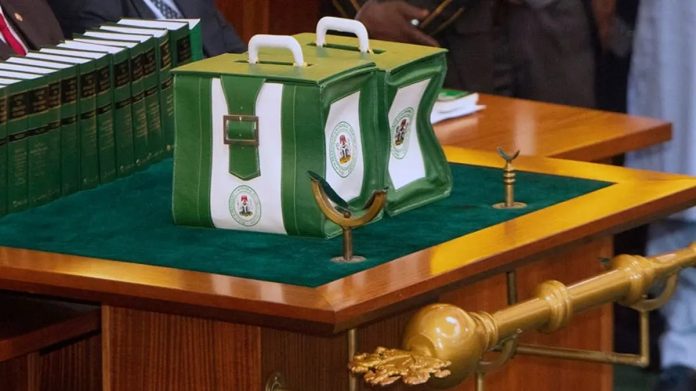
Nigeria’s budget deficit surged to N12.95 trillion in 2024, exceeding the government’s projection by 41%, as revenue shortfalls and rising expenditure widened the fiscal gap.

This figure, captured in the Central Bank of Nigeria’s (CBN) Quarterly Economic Reports, reflects a 0.77% year-on-year increase from the N12.85 trillion deficit recorded in 2023, reinforcing concerns over the country’s deteriorating fiscal balance.

The government had initially budgeted for a N9.16 trillion deficit in 2024, but by year-end, that target had been significantly overshot. Despite efforts to bridge the gap through borrowing and fiscal adjustments, expenditure pressures and weak revenue collection ensured the deficit remained persistently high.

Total expenditure for 2024 stood at N21.5 trillion, marking a 12% increase from N19.19 trillion in 2023. Despite this rise, spending was still 25.2% lower than the N28.76 trillion budgeted for the year, reflecting spending constraints caused by revenue shortages. While revenue grew significantly—rising by 34.8% to N8.55 trillion from N6.34 trillion in 2023—it remained 56% lower than the government’s target of N19.56 trillion. This revenue underperformance worsened the fiscal gap, as expenditures continued to outpace earnings.

The CBN’s Q4 2024 Economic Report shows that government expenditure increased in the fourth quarter due to higher personnel costs and interest payments on debt. Recurrent expenditure dominated, accounting for 75.13% of total spending, while capital expenditure stood at just 17.1%, highlighting limited investment in infrastructure. Transfer payments constituted 7.77% of the total budget. The data further reveals that personnel costs rose by 23.31% in Q4 2024, while interest payments surged by 6.98%, underscoring Nigeria’s increasing debt burden.

While the fiscal deficit narrowed slightly in Q4 2024, the numbers remain troubling. According to the CBN, the primary deficit fell by 22.62% quarter-on-quarter, while the overall deficit declined by 3.61% to N3.08 trillion. The improvement was due to a modest increase in revenue that outpaced spending growth. However, despite this marginal improvement, the government remains significantly off target in meeting its fiscal projections.

Against this backdrop, the National Assembly, in December, approved the extension of the 2024 Budget’s lifespan to June 2025, a decision aimed at ensuring the continuity of fiscal operations and the uninterrupted execution of critical government projects.

2025 Budget Set to Follow the Same Path

With Nigeria’s 2025 budget also projecting a N14 trillion deficit, concerns are growing that the fiscal crisis will continue, particularly as the assumptions underpinning the budget are considered overly optimistic by economic analysts.

In December 2024, President Bola Ahmed Tinubu presented a N49.7 trillion budget proposal to the National Assembly, emphasizing bold economic targets, including a dramatic reduction in inflation and the stabilization of the naira.

During his address, Tinubu forecasted a sharp drop in inflation from 34.6% at the time to 15% in 2025, along with an improvement in the exchange rate from approximately N1,700 per US dollar to N1,500 per dollar.

“This is an ambitious but necessary budget to secure our future,” Tinubu said during his presentation. “The Budget projects inflation will decline from the current rate of 34.6 percent to 15 percent next year, while the exchange rate will improve from approximately 1,700 naira per US dollar to 1,500 naira, and a base crude oil production assumption of 2.06 million barrels per day.”

While the government’s targets signal optimism, many economic analysts are skeptical, warning that these projections are based on unrealistic assumptions and fail to account for Nigeria’s economic volatility.

Several key assumptions in the 2025 budget raise concerns that the deficit will likely exceed projections, just as it did in 2024. Inflation stood at 34.6% when the budget was presented, and the government expects it to drop to 15% within a year. Given the ongoing weakness of the naira, high food prices, and rising cost of living, analysts believe such a rapid decline is improbable.

The budget assumes the naira will appreciate to N1,500 per US dollar from the N1,700 level recorded in late 2024. However, foreign exchange volatility and low dollar inflows pose serious challenges to achieving this target. The CBN’s continued interventions in the FX market and Nigeria’s reliance on oil earnings, which have suffered decline over the years due to low oil output, could further strain reserves.

The crude oil production assumption of 2.06 million barrels per day is also seen as overly optimistic. Nigeria has consistently struggled to meet its OPEC production quota, with oil output fluctuating around 1.3–1.5 million barrels per day in 2024 due to oil theft, pipeline vandalism, and operational inefficiencies. If production remains below target, revenue shortfalls will worsen, pushing the deficit higher.

The 2024 budget deficit was partly financed through borrowing, including plans announced in November 2024 to issue a $1.7 billion Eurobond. With Nigeria’s public debt already exceeding N97 trillion as of late 2024, analysts caution that excessive borrowing could push the country into an unsustainable debt crisis.

They added that unless structural economic reforms are implemented to boost non-oil revenue, improve tax compliance, and enhance spending efficiency, Nigeria’s budget deficits are likely to persist, deepening the country’s financial challenges.

Our Product is Knowledge – Register for Tekedia Mini-MBA June 2025 Edition

0

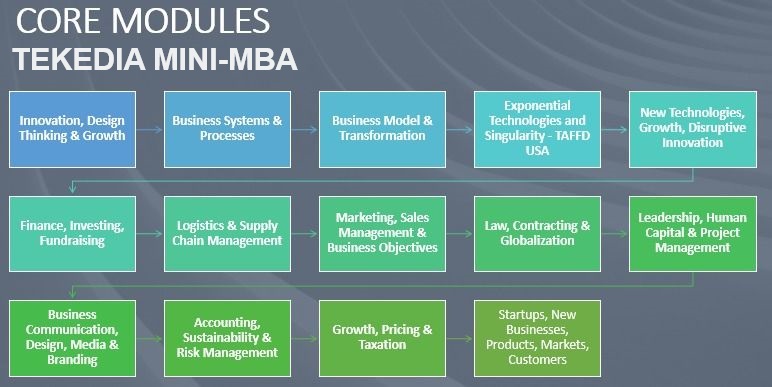
Invent, innovate and drive organizational transformation, performance, and growth. Capture emerging opportunities in changing markets while optimizing innovation and profitability. Digitally evolve your business or functional area, turning digital disruption into a competitive capability and advantage. Master the concepts of building category-king companies, and thrive, with Tekedia Mini-MBA.

Go here and register for the June 2025 edition.


Tekedia Crypto and Blockchain Weekend Roundup

0

The U.S. Treasury’s planned revelation of its Bitcoin holdings and its stance on including XRP, Solana (SOL), and Cardano (ADA) in a national digital asset reserve on April 5, 2025, could have wide-ranging implications across financial, regulatory, and geopolitical spheres. Confirmation of the U.S. holding ~200,000 BTC ($17 billion at current prices) could spark a market rally, especially if XRP, SOL, and ADA are included. These altcoins, tied to U.S.-based projects, might see sharper gains—XRP surged 33%, SOL 25%, and ADA 60% after Trump’s initial March 2025 mention—potentially pushing Bitcoin past its $108,268 peak and lifting altcoin valuations.

Official disclosure and reserve inclusion signal government endorsement, likely boosting institutional investment. BlackRock’s $50 billion IBIT and Circle’s $4-5 billion IPO could see accelerated inflows, reinforcing crypto’s financial legitimacy. If Bitcoin and altcoins join reserves alongside the dollar, it might dilute demand for USD amid Larry Fink’s warning of its reserve status eroding. With U.S. debt at $36.6 trillion, this could raise borrowing costs as investors hedge with crypto.

This disclosure, timed just after Circle’s IPO filing and amid debates over the dollar’s reserve status, could reshape crypto’s role in U.S. policy. By Friday, when the details emerge, we’ll know if the government opts to hold these assets alongside Bitcoin, potentially boosting their legitimacy, or sidelines them, reinforcing Bitcoin’s primacy. The Treasury’s stance may also hint at future regulatory moves as the U.S. navigates its $36.6 trillion debt and crypto’s growing financial footprint.

X2Y2’s exit, after achieving $5.6 billion in lifetime trading volume, further consolidates the NFT space around dominant players like OpenSea and Blur. With X2Y2’s 90% volume drop mirroring a sector-wide decline (NFT trading fell from $6 billion monthly in 2021 to under $500 million in 2024), smaller platforms may struggle to survive, reducing competition and user choice. While smart contracts remain active, the loss of X2Y2’s front-end interface could strand less tech-savvy users, potentially locking up assets or reducing liquidity for X2Y2-specific NFTs. This might erode trust in smaller NFT platforms, pushing collectors toward established marketplaces.

The closure underscores NFTs’ fading speculative hype, with X2Y2’s pivot to AI signaling a broader industry move toward utility—think gaming, digital identity, or tokenized real-world assets. This could accelerate the maturation of NFTs beyond art and collectibles, though it risks alienating speculators who fueled early growth. U.S. Senator Tommy Tuberville is set to introduce a bill in April 2025 that would allow Americans to invest their retirement funds, such as 401(k) plans, in cryptocurrencies like Bitcoin. Known as the Financial Freedom Act, this legislation aims to expand investment options by reversing Department of Labor restrictions that currently limit the types of assets permissible in self-directed retirement accounts.

Tuberville, a Republican from Alabama, has framed this as a move to enhance financial autonomy, aligning it with what he calls a pro-crypto stance from the Trump administration. This is his third attempt at passing such a measure, having introduced it unsuccessfully in 2022 and 2023, with renewed optimism now tied to a shifting political and regulatory climate. Traditional markets could face turbulence as capital reallocates. Equities tied to dollar stability (e.g., U.S. Treasuries) might falter, while crypto-linked assets and firms like Circle—preparing its $4-5 billion IPO—could gain, reshaping investment portfolios.

Marathon Digital Holdings (now MARA Holdings Inc.) announced a $2 billion at-the-market (ATM) stock offering aimed at raising capital to purchase additional Bitcoin, among other general corporate purposes. This strategy involves selling shares incrementally through investment firms like Barclays, Cantor Fitzgerald, and others, with the proceeds intended to bolster its Bitcoin reserves and support operational needs. Marathon currently holds 46,376 BTC, making it the second largest publicly traded company in terms of Bitcoin ownership, behind MicroStrategy.

This move reflects a shift from relying solely on mining to direct market purchases, adapting to challenges like the 2024 Bitcoin halving, which reduced mining rewards, and rising operational costs. The company plans to allocate approximately 40% of the funds to acquire more Bitcoin, with the rest supporting working capital and corporate expenses.

PumpSwap, a decentralized exchange (DEX) on the Solana blockchain, has been generating significant revenue, reportedly pulling in millions in fees and maintaining a strong position within the Solana ecosystem. Meanwhile, Bitcoin and other cryptocurrencies have faced volatility, partly due to macroeconomic factors like tariffs imposed by the Trump administration, which could influence global trade, inflation, and investor sentiment toward risk assets like crypto.

The tariffs, aimed at countries like China, Canada, and Mexico, have sparked concerns about economic uncertainty, potentially dampening demand for Bitcoin as a risk-on asset while boosting interest in alternatives like gold. Despite this, PumpSwap’s success suggests that certain sectors of the crypto market, particularly DeFi platforms on high-performance blockchains like Solana, might be weathering the storm better than others. Its reported 710,000 traders and over 32 million swaps highlight its activity, though a cooling memecoin frenzy on Solana could pose challenges.