DD
MM
YYYY

PAGES

DD
MM
YYYY

spot_img

PAGES

Home Blog Page 1647

“Abia State Has Made a Historic Leap to the #1 Position in the Latest NECO Exam Under Governor Otti” – Ndubuisi Ekekwe

0

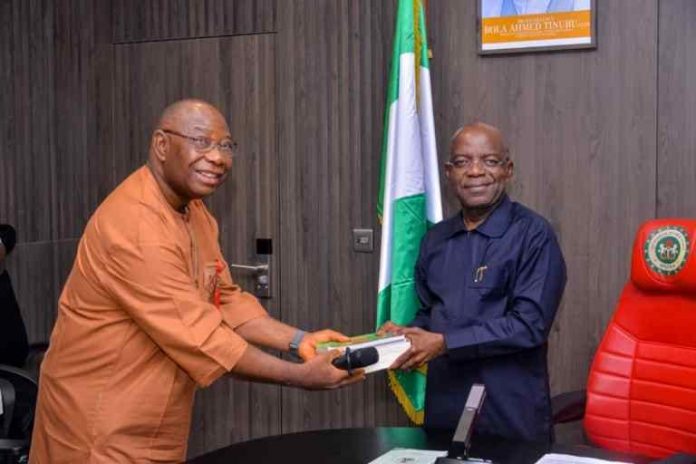
Abia State has achieved a groundbreaking milestone in education under the leadership of Governor Alex Otti, OFR. The state, which previously ranked between 10th and 19th position in the National Examinations Council (NECO) results over the past eight years, has now soared to the No. 1 position in the latest rankings.

Commending this unprecedented achievement, Prof. Ndubuisi Ekekwe, a member of the Abia Diaspora Commission, lauded Governor Otti’s administration for its unwavering commitment to education and academic excellence.

“Abia State has made a historic leap to the No. 1 position in the latest NECO examinations under Governor Otti,” Prof. Ekekwe stated.

He further noted, “In the last eight years, Abia was coming between 10th to 19th position, and just in two years, Abia has moved to No. 1.

“I don’t know what the leadership did, but I would say that as we move into this protocol of looking for new frameworks to drive the efficiency of the educational system, whatever we have done, let it be sustained.”

This outstanding achievement underscores Governor Otti’s strategic investments in education, including:

  1. Allocating 20% of the 2024 and 2025 state budgets to the education sector
  2. Implementing free and compulsory education policies
  3. Recruiting highly qualified teachers to rebuild the education system

Governor Otti emphasized his administration’s commitment to revitalizing Abia’s education sector, ensuring that young Abians receive quality learning opportunities that prepare them for the future.

Beyond education, Governor Otti reaffirmed his administration’s commitment to the realization of the Abia Diaspora City, a world-class residential and business hub designed to cater to Abians living abroad.

Speaking during a high-profile meeting with the President of the Diaspora Alliance, Rev. Emmanuel Ihim, and the Archbishop of the Methodist Church, Umuahia Diocese, Archbishop Chibuzor Opoko, Governor Otti revealed that the state government has identified three potential locations for the project and is in the process of selecting the most suitable site.

“We are already working on the Diaspora City. Actually, we want it to be a place where you and I can live.

“We have identified locations, about three of them, and are in the process of choosing one where all the amenities that you can think of are available.

“I am sure that in a few months, we would come out to announce it, but it has been in the works,” Governor Otti stated.

The Abia Diaspora City is expected to feature cutting-edge infrastructure, ensuring an exceptional standard of living for residents while creating a thriving environment for investors.

During the meeting, Rev. Emmanuel Ihim of the Diaspora Alliance commended Governor Otti’s visionary leadership, emphasizing that his organization is eager to collaborate with the state government to advance developmental goals.

“This is the first time in the history of Abia State that we have a leader who truly understands the needs of the people.

“Abians in the diaspora are pleased with the Governor’s performance and are willing to support his administration to sustain its momentum,”Rev. Ihim stated.

He also highlighted that the Diaspora Alliance mobilizes resources from government agencies, corporations, and individuals to drive sustainable development, particularly in women and youth empowerment, healthcare, and education.

Rev. Ihim described Governor Otti as a divine fulfillment of God’s vision for Abia State, urging Christians to rally behind him in executing his divine mandate for transformation.

Governor Otti assured that his administration remains focused on delivering bold, strategic policies to reposition Abia State as a model of excellence in governance, education, infrastructure, and economic development.

“We are just getting started, and more transformative policies will be implemented to improve the lives of Abians,” he pledged.

With education at the forefront, coupled with the ambitious Diaspora City project and numerous infrastructure developments, Abians at home and abroad can anticipate a brighter, more prosperous future under Governor Alex Otti’s leadership.
Nvidia CEO Jensen Huang Walks Back Quantum Computing Doubts, Says Didn’t Know His Comments Would Impact the Market

0

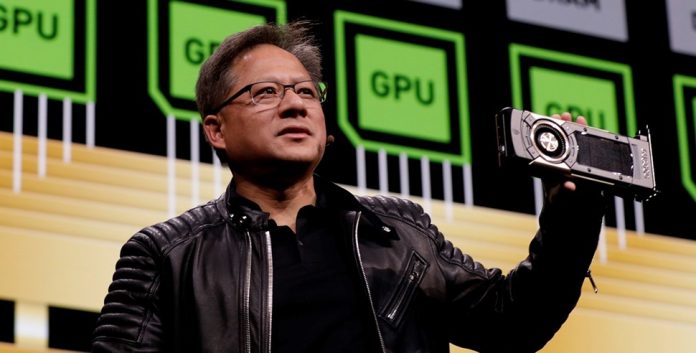
Jensen Huang, CEO of Nvidia, publicly retracted his earlier skepticism about the near-term potential of quantum computing, acknowledging that he didn’t know his past comments had unintended consequences—most notably, a decline in quantum computing stocks.

Speaking at Nvidia’s “Quantum Day” event during the GTC Conference on Thursday, Huang admitted that his statements from January had been misinterpreted and that he had underestimated the impact they would have on the market.

“This is the first event in history where a company CEO invites all of the guests to explain why he was wrong,” Huang said in an attempt to lighten the situation.

Back in January, Huang’s comments at another conference sent ripples through the quantum computing industry. He had expressed doubt about the timeline for useful quantum computers, stating that 15 years was “on the early side”, while suggesting that 20 years was a more realistic expectation.

This remark triggered a sell-off in quantum computing stocks, as investors interpreted it as a vote of no confidence in the industry from one of the most influential figures in computing. Some publicly traded quantum computing firms saw their stock prices dip, further reinforcing the idea that quantum breakthroughs were not as imminent as some had hoped.

Huang later admitted that he was surprised by the reaction, joking, “How could a quantum computer company be public?”—a comment that further underscored his skepticism about the commercial readiness of the technology.

How Public Figures’ Comments Move Markets

Huang’s experience highlights a broader phenomenon: the power that public figures hold over financial markets. In the tech sector especially, comments from high-profile CEOs, government officials, or industry pioneers can trigger market fluctuations, investment shifts, and even changes in corporate strategies.

Elon Musk is perhaps the most well-known example of this effect, with his tweets about cryptocurrency, Tesla, or even random meme stocks often leading to wild swings in market value. Other executives, like Amazon’s Jeff Bezos or Meta’s Mark Zuckerberg, have also seen their words directly influence stock prices.

In Huang’s case, his January remarks on quantum computing’s future were interpreted as a signal that the industry was not progressing fast enough to be commercially viable in the near term. This led to reduced investor confidence in quantum startups, causing a market correction that likely impacted funding and business decisions across the sector.

Nvidia’s Quantum Pivot

However, Nvidia is now fully embracing quantum computing—not as a direct competitor to its GPU-powered computing business, but as a complementary technology.

The company has announced a new research center in Boston that will focus on collaborations with Harvard and MIT to advance quantum computing research. The facility will include several racks of Nvidia’s Blackwell AI servers, emphasizing Nvidia’s role in quantum simulation and hybrid computing.

Since its conceptualization in the 1980s by physicist Richard Feynman, quantum computing has been seen as a potential game-changer in fields requiring immense computational power, such as cryptography, logistics, weather simulation, and chemistry.

Unlike classical computers that use binary bits (0s and 1s), quantum computers operate with qubits, which can exist in multiple states simultaneously due to quantum superposition. This makes them theoretically capable of solving problems far beyond the reach of traditional computers.

However, despite decades of research and billions in investments, quantum computing has yet to achieve a real-world breakthrough. No quantum computer has outperformed a classical system in solving a practical, commercially viable problem.

Even Google’s 2019 quantum supremacy claim—where it said its quantum processor solved a problem faster than a classical supercomputer—has been met with skepticism. While Google reported advancements in error correction last year, truly scalable error-free quantum computing remains a distant goal.

Why Nvidia is Betting on Quantum Despite the Challenges

While fully functional quantum computers may still be years away, Nvidia sees strategic opportunities in the space. The company’s GPUs and AI-driven simulations are already being used to model quantum computing behavior, making Nvidia an essential partner in quantum research and hybrid computing.

Some quantum architectures may also require classical computing components to manage and interpret quantum calculations—an area where Nvidia could play a crucial role.

Microsoft and Amazon Web Services, both of which have made major investments in quantum computing, joined the discussion at Thursday’s event, highlighting the growing intersection between traditional computing giants and emerging quantum players.

Huang’s Final Take

During a panel discussion, Huang reflected on his own past miscalculations about computing trends, acknowledging that he had previously believed GPU-based accelerated computing would completely replace traditional computing architectures.

“I was wrong,” he admitted, adding that quantum computing could follow a similar trajectory of gradual adoption rather than a sudden overhaul of existing systems.

Nvidia is now firmly positioning itself as a key enabler of quantum advancements. While the quantum computing industry still faces technical and commercial hurdles, Nvidia’s latest moves suggest that Huang and his company are betting on the technology’s eventual breakthrough—whenever that may be.

Nvidia CEO Jensen Huang admits he missed the mark on quantum computing’s future. He backpedaled comments he made in January, when he said “useful” applications for the technology are 20 years away. His remarks at the time sent quantum computing stocks tumbling. But during Nvidia’s “Quantum Day” event on Thursday, Huang revised his projected timeline and said “this is the first event in history where a company CEO invites all of the guests to explain why he was wrong.”

Federal Reserve Decision to Hold Rates Steady Reflects a Cautious Approach

0

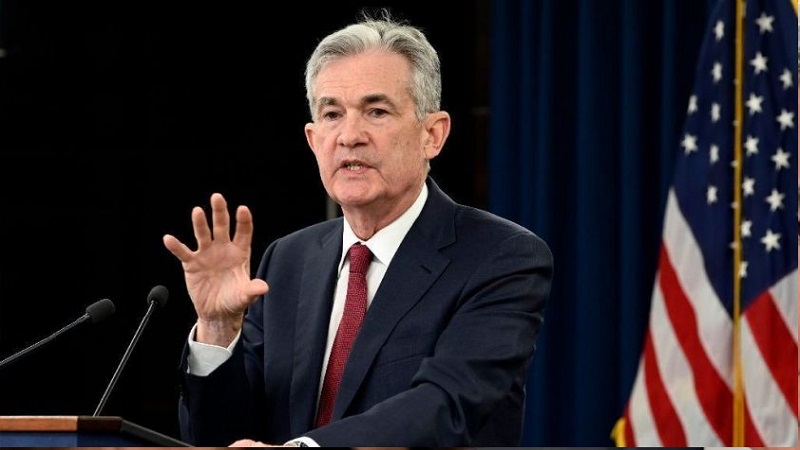
The Federal Reserve recently decided to keep its benchmark interest rate unchanged at a range of 4.25% to 4.5%, a decision made during its latest policy meeting on March 19, 2025. This move comes despite President Donald Trump’s vocal calls for immediate rate cuts, as he has argued that lower interest rates would complement his economic plans, including proposed tariffs. Trump has repeatedly claimed he understands monetary policy better than Fed officials, including Chairman Jerome Powell, and has suggested that rates should drop to stimulate the economy further.

The Fed’s decision to hold rates steady reflects a cautious approach amid economic uncertainties, some of which are attributed to Trump’s policy proposals like tariffs and immigration changes. These policies could potentially fuel inflation, complicating the Fed’s dual mandate of maintaining price stability and maximum employment. Inflation remains above the Fed’s 2% target, with recent data showing a 2.9% annual increase in December 2024, and the Fed has noted heightened economic uncertainty in its latest statements.

While it still projects two rate cuts for 2025, it lowered its GDP growth forecast to 1.7% from 2.1% and raised inflation expectations, signaling concerns about a possible stagflationary environment—where growth slows but inflation persists. Powell has emphasized the Fed’s independence, avoiding direct responses to Trump’s demands and stressing that policy decisions are data-driven, not politically motivated.

Despite Trump’s pressure, the Fed appears to be waiting for clearer economic signals before adjusting rates, balancing the risks of persistent inflation against potential economic slowdown. Meanwhile, market reactions have been mixed, with some investors anticipating that Trump’s policies might force the Fed to reconsider its stance if inflation accelerates significantly. For now, the Fed remains in a “wait-and-see” mode, leaving rates unchanged as it navigates these complex dynamics.

The Fed’s downward revision of its 2025 GDP growth forecast to 1.7% from 2.1% suggests a more pessimistic view of economic momentum. High interest rates maintain borrowing costs, which could dampen investment and consumer spending, particularly in rate-sensitive sectors like housing and manufacturing. Trump’s proposed tariffs and immigration restrictions could further slow growth by raising costs for businesses and reducing labor supply. If these policies materialize, the Fed might face a scenario where growth weakens but inflationary pressures persist, complicating its next moves.

Inflation remains above the Fed’s 2% target (2.9% in December 2024), and the Fed’s raised inflation forecast for 2025 signals concern that Trump’s tariff plans could exacerbate price increases by making imported goods more expensive. This stagflation risk—low growth with high inflation—might limit the Fed’s ability to cut rates soon. By holding rates steady, the Fed is signaling it’s not ready to ease policy until inflation shows clearer signs of cooling. This cautious stance could prolong higher borrowing costs, potentially frustrating industries and consumers hoping for relief.

Markets may experience volatility as investors weigh the Fed’s independence against Trump’s pressure. The lack of immediate rate cuts could disappoint equity markets expecting stimulus, though bond yields might stabilize or rise slightly as the Fed holds firm. Unchanged rates, especially if inflation ticks up, could bolster the U.S. dollar, impacting exporters and multinational companies negatively while making imports cheaper in relative terms—though tariffs could offset this.

Trump’s public urging for rate cuts tests the Fed’s autonomy. While Powell has reiterated that decisions are data-driven, sustained political pressure could erode public confidence in the Fed’s impartiality, a cornerstone of its credibility. If Trump doubles down on his economic agenda (e.g., tariffs, tax cuts), it might force the Fed into a reactive stance—raising rates to combat inflation rather than cutting them as Trump desires. This could escalate tensions between the administration and the central bank.

High rates continue to squeeze households with mortgages, car loans, or credit card debt, potentially curbing consumer spending, a key driver of U.S. growth. Businesses, especially small firms reliant on loans, may delay expansion plans. The Fed noted a cooling job market, with unemployment projected to rise slightly to 4.3% in 2025 from 4.2%. Sustained high rates could accelerate this trend, though Trump’s policies might also influence employment through trade and immigration effects.

The Fed still anticipates two rate cuts in 2025, but this hinges on inflation trending downward. If Trump’s policies ignite inflation, those cuts could be delayed or abandoned, leading to a tighter policy stance than markets currently expect. A strong dollar and high U.S. rates could pressure emerging markets with dollar-denominated debt, while trade partners might retaliate against tariffs, adding global economic friction. The Fed’s decision reflects a delicate balancing act.

Maintaining control over inflation while avoiding an economic downturn, all under the shadow of Trump’s aggressive policy rhetoric. The implications hinge on how these competing forces—monetary restraint, fiscal expansion, and trade disruptions—play out over the coming months. For now, the Fed’s steady hand suggests it’s prioritizing stability over political appeasement, but the road ahead could get bumpier if inflationary pressures mount.

Nigeria Unveils First Sustainable Energy EV Charging Station in Abuja, Signaling Commitment to Green Transportation

0

The Federal Government of Nigeria, through the Ministry of Innovation, Science, and Technology, has inaugurated a solar-powered Electric Vehicle (EV) charging station in Abuja, marking a significant development in the country’s shift toward green energy.

The initiative, which was launched in partnership with the Electric Motor Vehicle Company (EMVC), signals the government’s growing commitment to clean transportation.

At the commissioning of the facility, which was held at the headquarters of the Energy Commission of Nigeria (ECN) on Thursday, Minister Uche Nnaji described the project as a major step towards reducing fossil fuel dependency, cutting carbon emissions, and promoting technological innovation.

The Minister emphasized that the transition to electric mobility is necessary to enhance energy efficiency, reduce transportation costs, and mitigate the effects of climate change. He stated that while this launch represents a milestone, it should be seen as the beginning of a broader effort to establish a nationwide EV infrastructure network. He called for a collaborative effort between the government, private sector, and research institutions to accelerate Nigeria’s shift towards sustainable transportation solutions.

During the event, Dr. Mustapha Abdullahi, the Director-General of the Energy Commission of Nigeria (ECN), provided insight into the technical capabilities of the newly commissioned EV charging station. He noted that the facility is designed with durability and sustainability in mind, utilizing solar energy to align with Nigeria’s clean energy policies and climate action commitments.

The charging station integrates fast-charging technology, capable of fully charging an electric vehicle in about 30 minutes, and operates as a hybrid system that can draw power from both the national electricity grid and solar photovoltaic (PV) energy sources. It is also equipped with a 20-kilowatt lithium battery storage system and a BVA intelligent inverter, ensuring reliable performance and ease of maintenance.

Abdullahi praised EMVC, the technical partner for the project, for its role in advancing Nigeria’s green transportation goals. He pointed out that EMVC is the first Nigerian company to pioneer such a project, underscoring the potential for local businesses to play a central role in the country’s green energy transition.

The launch of the charging station comes at a time when Nigeria is grappling with rising fuel costs following the removal of petrol subsidies, which has further intensified interest in alternative energy solutions. The government has positioned electric mobility as a key component of its sustainability strategy, with the hope that EV adoption will help reduce long-term transportation costs and lessen dependence on imported fuel.

However, despite this promising development, green energy advocates have called on the government to do more to facilitate the expansion of critical infrastructure, particularly EV charging stations, to encourage a wider shift toward electric mobility.

Environmentalists and renewable energy experts have noted that while solar-powered charging stations are a step in the right direction, their impact will remain limited unless there is a comprehensive strategy to develop EV-friendly policies, regulatory frameworks, and financial incentives. Without widespread charging infrastructure, the growth of the EV market in Nigeria could be slow and uneven, limiting the impact of this investment on the country’s clean energy goals.

Industry players have also pointed out that local automakers are increasingly looking toward EV production, making charging infrastructure expansion even more urgent. Some Nigerian automakers such as Innoson and Nord have already begun investing in the development of electric vehicles, recognizing the potential of the market. However, without a reliable charging network, experts warn that the local EV industry could struggle to take off, as consumers remain hesitant about making the switch due to concerns over range and accessibility to charging stations.

Nigeria’s electricity challenges further complicate the push for EV adoption, with the country still experiencing an unstable power supply. The government’s decision to rely on solar technology for the new charging station is seen as an attempt to circumvent the challenges of grid instability, but there are concerns that this approach needs greater scalability to support the growing EV market. Experts have recommended a mix of grid-connected, solar-powered, and battery-backed charging stations to ensure a seamless transition to electric mobility.

However, stakeholders remain optimistic that with stronger policy support, investment incentives, and private-sector collaboration, Nigeria could become a regional leader in electric mobility. The commissioning of the Abuja charging station is being viewed as a test case for how well renewable energy solutions can drive Nigeria’s transportation revolution.

The government has promised to expand EV infrastructure to other parts of the country, but it is believed that only time will tell if the government will scale up this initiative.

Why Entrepreneurs and Business Leaders Should Invest in Personal Development Beyond Business Skills

0

Success in business is often attributed to strategic thinking, innovation, and a strong grasp of financial and operational skills. However, the most effective leaders understand that personal development extends far beyond traditional business knowledge. Investing in a broader range of skills not only enhances your leadership potential but also prepares you for unforeseen challenges that may arise both in and out of the workplace.

In today’s fast-paced and unpredictable world, focusing solely on business acumen is no longer enough. Entrepreneurs and business leaders need to cultivate well-rounded skill sets that foster resilience, adaptability, and a heightened sense of responsibility—not just toward profits, but toward people.

Why Personal Development Matters for Leaders

Leadership isn’t confined to boardrooms or spreadsheets. A leader’s influence permeates every aspect of their organization, setting the tone for company culture, employee engagement, and social responsibility. Developing personal skills alongside business expertise creates a more empathetic, decisive, and prepared leader.

Here are a few reasons why personal development is essential:

  1. Enhanced Decision-Making: Broader knowledge leads to more informed and balanced decisions.
  2. Improved Workplace Culture: Leaders who invest in themselves inspire others to do the same, fostering a culture of growth and continuous learning.
  3. Resilience and Preparedness: A well-rounded leader is better equipped to handle unexpected situations—whether they are business-related or personal.

Expanding Beyond Business: Essential Skills for Leaders

While it’s crucial to stay updated on market trends, financial strategies, and technological advancements, consider complementing your expertise with the following personal skills:

  1. Emotional Intelligence (EQ)

High emotional intelligence allows leaders to navigate interpersonal relationships with empathy, clear communication, and emotional awareness. This leads to better team dynamics, reduced conflict, and higher employee satisfaction.

  1. Stress Management and Mental Well-being

Entrepreneurship often involves high-pressure situations. Understanding stress management techniques, mindfulness practices, and mental health awareness helps leaders stay focused and balanced, which in turn benefits their teams.

  1. Health and Safety Skills: Being Ready for Emergencies

One area that is frequently overlooked by leaders is emergency preparedness. Knowing how to respond in critical situations—whether at work, during events, or in daily life—can make all the difference.

For instance, completing a CPR certification provides you with the life-saving skills needed to act quickly in medical emergencies. Not only does this demonstrate a commitment to personal development, but it also reinforces your responsibility to safeguard the well-being of those around you—employees, clients, and community members alike.

Imagine the impact of a leader who can confidently take charge during a health emergency. It sends a strong message that leadership is about caring for people, not just profits.

  1. Continuous Learning: Beyond Formal Education

Platforms like Tekedia emphasize lifelong learning, and personal development should reflect that. Whether it’s learning a new language, participating in leadership retreats, or engaging in humanitarian efforts, these experiences shape a well-rounded, adaptable leader who can connect with diverse audiences and stakeholders.

Building a Leadership Legacy

Entrepreneurs and executives often strive to leave behind a legacy—whether it’s through innovative products, a successful business model, or social impact. However, a truly lasting legacy is built upon how well a leader prepared themselves to serve and protect others.

Incorporating personal development practices like health skills, emotional intelligence, and mental well-being into your leadership strategy ensures you’re not just building a successful business, but also cultivating a positive influence that resonates far beyond financial metrics.

Strong Leaders Prioritize Both Business and Humanity

The modern business environment demands more from leaders than ever before. While mastering business strategy is crucial, broadening your skill set to include personal development tools like CPR certification, emotional intelligence, and stress management equips you to lead with confidence, compassion, and resilience.

Ultimately, leadership is about more than business; it’s about people. By investing in yourself holistically, you become the kind of leader who drives success and fosters a lasting, meaningful impact.