
DD
MM
YYYY

PAGES

DD
MM
YYYY

spot_img

PAGES

Home Blog Page 2

Face-tracking App and Face Recognition. What’s the Difference, and What Does Computer Vision Have to Do with It?

0

Face-based technologies are becoming a regular part of how systems operate, from mobile applications to security environments and customer analytics. But there’s often confusion between face tracking apps and face recognition—two approaches that serve different purposes and require different levels of complexity.

Most teams don’t struggle with the technology itself—they struggle with understanding where each piece fits. Face tracking and recognition both rely on computer vision to interpret what a camera sees, whether that’s following a face or identifying it. The challenge is knowing which one you actually need. That’s what we’ll unpack here.

Facial Tracking vs. Face Recognition: What’s the Key Difference?

The key difference lies in intent and complexity.

Facial tracking is about detection and motion analysis. Systems identify a face in an image and continuously update its position as it moves. This is what powers many android face tracking apps and face tracking video apps used in content creation or user interaction.

Face recognition builds on top of that. It extracts unique facial features and compares them against a database to confirm identity. This requires more processing, data, and accuracy.

What is a Facial Tracking App and How Does it Work?

A face tracking app does exactly what the name suggests—it finds a face and keeps track of it as it moves. Whether it’s in a live camera feed or a recorded video, the goal is to follow position, not identity.

You’ll see this in everything from social media filters to mobile camera features. An android face tracking app, for example, can keep effects aligned with your face, while a face tracking video app helps maintain focus on a subject without manual input.

What is Facial Recognition Technology? Definition and Use Cases

Face recognition is used when knowing who the person is actually matters. It moves beyond tracking and focuses on identification or verification.

You’ll see this in security systems, banking apps, workplace access control, and even customer personalization—anywhere identity needs to be confirmed quickly and without manual input.

The Role of Computer Vision in Facial Tracking and Recognition Systems

Computer vision provides the underlying capabilities that both tracking and recognition depend on. It handles everything from detecting a face to tracking its movement and analyzing key features, all as it happens.

It all runs in the background, helping a facial tracking app or face recognition system stay reliable when conditions change.

Key Technologies for Facial Detection, Tracking, and Identification

Under the hood, it’s a step-by-step process. First, the system finds a face. Then it keeps track of it as it moves. And if identity matters, it compares that face to known data.

Additional techniques, like mapping facial landmarks, help keep everything accurate even when conditions aren’t perfect.

Real-World Applications: From Mobile Apps to Security Systems

You’ve probably already used these technologies without thinking much about them. A face tracking video app might keep you centered in a frame or apply filters that move with your face. Many android face tracking apps use this to create interactive experiences.

Face recognition tends to show up in different places—like unlocking your phone or verifying your identity in apps. While tracking focuses on movement and interaction, recognition is about identity and access.

Privacy in Facial Recognition Technologies

The moment identity enters the picture, privacy follows. A facial tracking app might only process movement, but face recognition works with personal data.

In the end, it’s not only about getting it right—it’s about making sure systems are secure and clear enough that people understand what’s happening with their data.

When to Use a Face Tracking App vs Face Recognition

The decision is often simpler than it seems. If you only need to follow a face—how it moves or where it is—a face tracking app will do the job. That’s why it’s widely used in mobile apps and video tools.

Face recognition comes into play when you need to know who the person is. That’s a different level of responsibility, since it involves handling identity data.

In practice, it’s less about which technology is “better” and more about what fits the task.

Where Each Approach Fits

When you break it down, the difference is fairly straightforward. Face tracking follows movement. Face recognition confirms identity. Both rely on the same underlying capabilities, but they’re used in different ways.

In practice, it’s about choosing what fits. A facial tracking app works well for interactive features and real-time responsiveness, while face recognition is better suited for authentication and access.

Computer vision connects both, making it possible to turn visual input into something systems can actually use. The goal isn’t to use more technology—it’s to use the right amount for the problem at hand.

Bitmine Immersion Reportes Substantial $3.8B Net Loss for Q1 2026

0

Bitmine Immersion Technologies (ticker: BMNR), a company that has pivoted from its original mining and immersion tech roots to become a major corporate holder of Ethereum (ETH)—often compared to a Bitcoin Strategy but for ETH—reported a substantial $3.8 billion net loss for its Q1 fiscal 2026 quarter ended in February 28, 2026.

The headline loss was driven almost entirely by unrealized (paper) losses on its massive ETH holdings, totaling roughly $3.78 billion. Under fair-value accounting rules updated in recent years for digital assets, companies must mark crypto holdings to current market prices each quarter, with changes flowing through the income statement—even if they haven’t sold anything.

Ethereum’s price had pulled back significantly during and leading into the quarter from prior highs around $4,900 in mid-2025 toward lower levels near or below $2,400 at points in early 2026. Some reports also reference broader unrealized losses on the position approaching $8 billion in total reflecting the drawdown from peak values.

Importantly, the loss is not primarily from operational cash burn or realized sales. Bitmine has been aggressively accumulating ETH; now holding several million tokens, representing a notable percentage of total ETH supply, funding it partly through share issuances and capital raises. Its average cost basis appears lower than peak prices, so the position may still be in the money relative to purchase prices, but mark-to-market accounting amplifies volatility in reported earnings.

Revenue jumped sharply to about $11 million from ~$1.5 million year-over-year, largely from Ethereum staking rewards around $10 million in the quarter. The company has staked a substantial portion of its holdings, generating meaningful yield; some estimates suggest annualized staking income in the hundreds of millions if scaled.

This reflects its strategic shift toward being an Ethereum treasury vehicle that maximizes ETH per share and supports the ecosystem via staking infrastructure like its planned MAVAN validator network. However, expenses and dilution have risen alongside the strategy—shares outstanding roughly doubled in recent periods as it raised capital to buy more ETH.

Chairman Tom Lee of Fundstrat, known for bullish crypto calls remains optimistic, suggesting Ethereum could be in the final stages of its crypto winter and positioning for recovery. The loss report coincided with his comments. BMNR stock has been volatile, tied closely to ETH price movements. It saw some pressure around the report but trades as a leveraged play on Ethereum’s future.

This isn’t unusual for crypto treasury companies in volatile markets—similar to how other firms report swings based on Bitcoin or ETH prices. The core bet is long-term appreciation and staking yield outweighing short-term mark-to-market noise. The $3.8B loss is a loud accounting headline from ETH’s price decline, but the underlying story is Bitmine’s high-conviction, leveraged bet on Ethereum as a treasury asset and staking powerhouse.

BMNR shares saw modest pressure, closing down ~0.14% at around $21.48 on the report day. The stock trades as a high-beta proxy for ETH and has been volatile overall, with broader YTD declines tied to crypto weakness despite recent NYSE uplisting and buyback announcements. Highlights the extreme earnings volatility from fair-value crypto accounting.

The headline loss overshadows operational positives like staking revenue jumping to ~$10–11 million from ~$1.5 million YoY. Some view it as a paper hit that underscores the high-risk, long-term bet on ETH recovery; others see risks from dilution (shares roughly doubled) and ongoing mark-to-market swings.

No realized cash loss—Bitmine continues aggressive ETH accumulation; average cost basis $2,206/ETH and staking; significant portion staked, with annualized yield potential in the hundreds of millions. Total crypto/cash holdings remain substantial ($10–11+ billion range in recent updates). Serves as a real-world example of institutional crypto treasury risks and rewards.

It may influence sentiment around similar strategies, capital-raising ability, and accounting debates for digital assets. Six-month losses exceeded $9 billion cumulatively, amplifying scrutiny but not derailing the pivot to an ETH treasury + staking model including planned MAVAN validator network. It’s high-risk and high-reward: amplified upside if ETH rallies, but continued earnings volatility and potential dilution if prices stay weak or fall further.

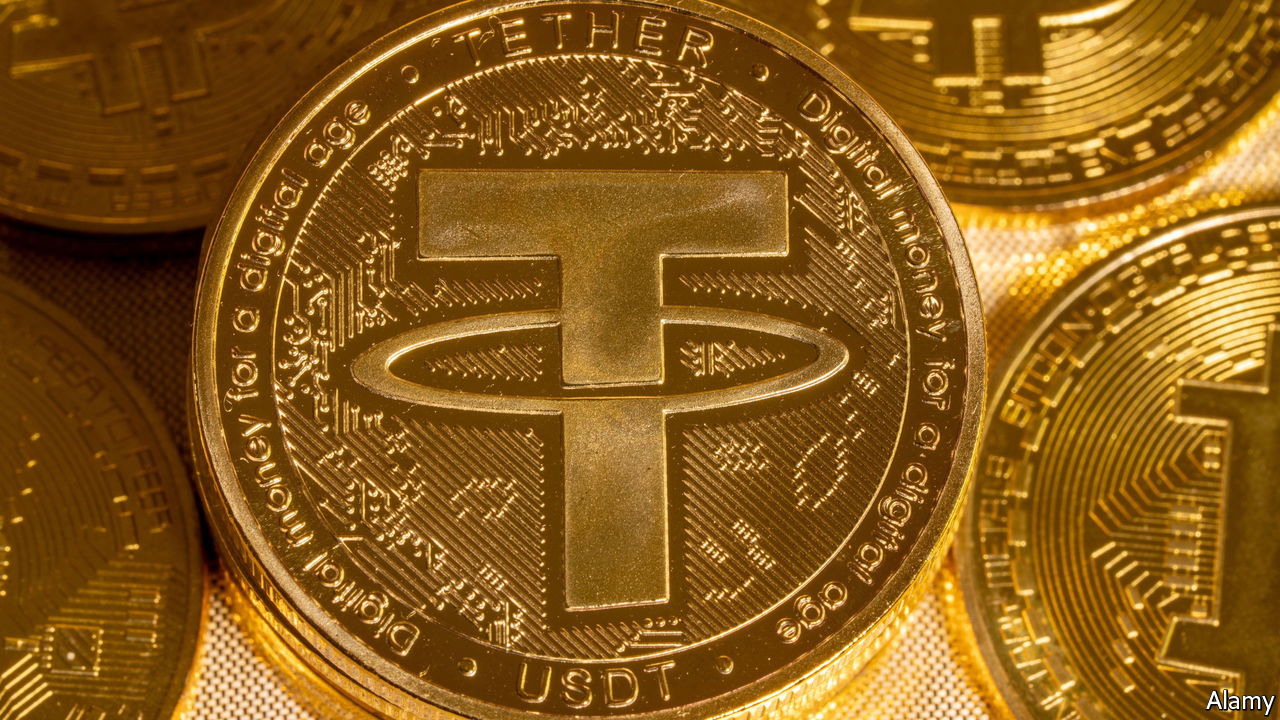
Tether Launches the People’s Wallet to Drive Consumer Self Custody, as Bitcoin Surges Toward $76,000

2

Tether, the issuer of the world’s largest stablecoin USDT, officially launched tether.wallet also called the People’s Wallet. This marks the company’s first major foray into a direct-to-consumer self-custodial wallet, giving users full control over their private keys while simplifying access to its financial ecosystem.

Supported assests include: USDT (USD stablecoin), USAT (another Tether stablecoin), XAUT (tokenized gold), and Bitcoin (including Lightning Network support). It works across multiple blockchains at launch, such as Ethereum, Polygon, Arbitrum, and others. Simplified UX for Everyday Use: Human-readable usernames instead of long hexadecimal addresses.

Pay transaction fees directly in the asset being sent—no need for separate gas tokens like ETH. Easy sending via QR codes or links. Private keys and recovery phrases (12-word seed) stay on the user’s device. Transactions are signed locally on the device before broadcasting. Tether cannot access or move funds. Users can back up seeds offline or use an encrypted cloud option.

Developed using Tether’s Wallet Development Kit (WDK), which also supports building wallets for humans, machines, or AI agents. Aimed at billions of people in regions with limited traditional banking access, high inflation, or reliance on remittances. Tether highlights its existing reach to ~570 million users of its products. Tether CEO Paolo Ardoino has positioned it as a way to extend the company’s infrastructure directly to end users, moving beyond just being a backend stablecoin issuer.

This launch is seen as a push for broader crypto adoption by reducing technical barriers, while emphasizing true self-custody (“your keys, your coins”). It could strengthen USDT’s role in daily payments and remittances but also raises discussions around user education on seed phrase security in a simplified interface.

Tether’s self-custodial People’s Wallet extends its infrastructure directly to end users, targeting its existing ~570 million people who already interact with USDT and related tech. It simplifies crypto for everyday payments and remittances by removing common barriers like complex addresses and separate gas tokens.

Easier UX; human-readable names like name@tether.me, fees paid in the sent asset could onboard millions more in emerging markets with limited banking access. This shifts USDT/BTC/XAUT from mainly trading and settlement tools toward daily use, potentially increasing on-chain transaction volume and utility.

The company moves beyond stablecoin issuance into consumer-facing products, capturing more data on flows, reducing reliance on third-party wallets and exchanges, and strengthening its ecosystem including support for AI/machine-to-machine transactions in the future. Reinforces your keys, your coins while lowering entry barriers, which may build trust and compete with custodial or exchange wallets.

It also promotes multi-asset holdings like USDT, USAT, XAUT tokenized gold, BTC with Lightning. Boosts Tether’s dominance in stablecoins already ~61.5% of CEX volume and highlights its Bitcoin/gold reserves strategy. Short-term market reaction has been muted, as it optimizes existing flows rather than injecting new capital.

Potential risks include user education on seed phrase security despite cloud backup options and regulatory scrutiny over a major player’s direct consumer tool. Adoption success will depend on actual transaction growth, not just downloads. This launch is primarily a long-term utility and ecosystem play rather than an immediate price catalyst.

Increased everyday usage (remittances, payments) can expand USDT circulation and demand. Higher stablecoin volume often translates to more reserves at Tether mostly U.S. Treasuries, boosting the company’s profits already in the billions annually from yields. While USDT itself doesn’t yield direct returns to holders, greater adoption reinforces its peg reliability and liquidity premium, indirectly benefiting anyone holding or trading against it.

Tether’s profits also fund further Bitcoin/gold accumulation, adding indirect exposure. The wallet makes holding and sending Bitcoin and tokenized gold simpler alongside USDT. Reduced friction could drive more on-chain activity and demand for these assets within Tether’s network. Tether itself continues buying BTC with ~15% of profits, so ecosystem growth supports that accumulation strategy, potentially contributing to positive price pressure over time if adoption scales.

By lowering barriers, the wallet could accelerate overall crypto adoption, increasing total addressable market for DeFi, DEXes, and related services. This creates a flywheel: more users ? higher on-chain volume ($4.4T+ quarterly already) ? better liquidity and opportunities for yield farming, trading, or lending. Investors in Bitcoin, gold-related assets, or Tether-adjacent projects may see indirect benefits through network effects.

As Tether vertically integrates and grows its user base toward tens of billions including future AI agents, its private valuation could rise previously eyed at hundreds of billions. This benefits stakeholders indirectly and signals confidence in the ecosystem. Short-term ROI impact is likely limited—it’s a product rollout optimizing existing ~570M-user flows rather than a hype-driven event.

Medium-to-long-term gains hinge on measurable metrics like rising active wallets, transaction counts, and cross-border volume. If it meaningfully reduces friction in high-inflation and remittance-heavy regions, it could compound Tether’s dominance and support asset prices through sustained demand. This aligns with Tether’s narrative of building open financial infrastructure for humans and machines.

Bitcoin Surges About 5.7% Briefly Testing Higher Toward $76,000

Bitcoin surged about 5.7% in the past 24 hours as of April 14, 2026, climbing from around $70,000–$71,000 levels to approximately $74,679, briefly testing higher toward $76,000.

This move triggered roughly $541 million in total crypto derivatives liquidations across exchanges, according to CoinGlass data. Short sellers bore the brunt, with $440 million in losses—accounting for about 81% of the total wiped out. Around 169,525 traders saw positions forcibly closed. Bitcoin had been consolidating in a range roughly $64k–$74k recently. It broke through key resistance levels where many leveraged short positions were clustered around $72k–$73.5k.

Once it cleared those, forced buying to cover shorts added upward momentum—a classic short squeeze. Reports pointed to easing geopolitical tensions; hopes around U.S.-Iran developments and large institutional buying, including Strategy formerly MicroStrategy adding $1 billion in Bitcoin. High-leverage trading amplifies these moves. Shorts get margin-called, triggering automated buys that push prices further and cascade more liquidations.

Bitcoin has faced volatility amid macroeconomic and geopolitical headlines, including U.S.-Iran tensions and Strait of Hormuz developments. It remains well below its all-time high around 40% off recent peaks per some analysts, and some Wall Street voices describe the rebound as a bear market rally driven more by short covering than fresh spot demand.

As of early April 15, 2026, BTC hovers near $74,000 with intraday fluctuations visible in recent price data. Liquidation figures fluctuate hourly, but the recent 24-hour window heavily favored shorts getting squeezed. This highlights the risks and occasional rewards of high-leverage derivatives trading in crypto. Shorting Bitcoin often looks tempting during consolidations or dips, but sharp upside breaks can be punishing when sentiment shifts quickly.

If you’re following the market, keep an eye on open interest, funding rates, and resistance around $75k–$76k for potential continuation or reversal signals. Volatility remains high—trade accordingly. 81% of the $541 million total crypto liquidations in 24 hours came from shorts; $440M wiped out across ~170,000 traders.

This forced buying amplified the upside momentum in a classic cascade, pushing BTC higher and increasing open interest as new leveraged longs entered. BTC rallied ~5-6% intraday, breaking key resistance ($72k–$73.5k cluster) and hitting a four-week high. It has since consolidated near $74,500–$75,000, with some pullback from the $76k test.

This remains within a broader bear market context still ~40% off all-time highs. Temporary boost in risk appetite, partly tied to easing U.S.-Iran geopolitical tensions and falling oil prices. However, many analysts view it as a bear market rally driven more by short covering than strong spot demand (exchange spot volumes remain low). Fear & Greed Index improved but stays cautious.

Altcoins like ETH up ~5.5% followed with their own liquidations. Crypto equities and related assets saw correlated moves, but sustainability is questioned without fresh institutional inflows or macro tailwinds. Highlights dangers of high-leverage derivatives—crowded shorts create explosive upside but can reverse quickly if momentum fades.

Next technical levels to watch: resistance at $75,500–$78,000; support around $70k–$72k. The move reduced near-term bearish pressure via deleveraging but hasn’t resolved underlying macro and geopolitical uncertainties or low spot demand. Volatility remains elevated—watch funding rates and open interest for continuation signals. Bitcoin rallied 5.7% in 24 hours, triggering $541M total crypto liquidations.

Shorts absorbed $440M about 81%, wiping out ~170,000 traders. This forced buying accelerated the breakout through clustered resistance ($72K–$73.5K). BTC climbed from ~$70K–$71K to a four-week high near $76,000 before some consolidation/pullback toward $74K–$75K. The move was fueled by easing U.S.-Iran geopolitical tensions (hopes of deals lowering oil prices) plus institutional buying.

U.S. Producer Price Index in March Rose 0.5% MoM

0

The US Producer Price Index (PPI) for final demand in March 2026 rose 0.5% month-over-month, well below economists’ consensus expectations of around 1.1% or as high as 1.2% in some polls. On a year-over-year basis, PPI increased to 4.0%, the highest since February 2023, but that also undershot forecasts of about 4.6%–4.7%.

Core PPI excluding food and energy rose just 0.1% month-over-month versus ~0.5% expected and held steady at 3.8% year-over-year. Goods drove much of the monthly gain (+1.6%), largely due to surging energy prices (e.g., gasoline +15.7%). This reflects the impact of geopolitical tensions, including the US-Iran conflict and related oil supply concerns.

Services were flat (0.0% month-over-month), which helped keep the overall print cooler than anticipated. Offsetting factors included a sharp drop in natural gas prices, compressed trade margins (retailers absorbing some costs), and softer food prices. February’s figures were revised downward slightly, showing the same 0.5% monthly gain.

This data follows a hotter-than-expected March CPI release and comes amid elevated energy volatility. While the annual PPI hit a three-year high, the below-consensus print suggests inflationary pressures from energy shocks may not be transmitting as broadly or aggressively through the economy as feared like services holding steady and narrower pass-through from crude oil spikes.

Markets reacted positively to the miss, with some relief that it wasn’t as hot as the energy-driven forecasts implied—potentially easing higher-for-longer rate hike fears, though the Fed is still widely expected to hold rates steady in the near term due to lingering inflation risks from energy and other factors.

PPI serves as an upstream indicator for future consumer prices (CPI/PCE), so this softer-than-expected reading could provide some breathing room, but watch for April data and how energy costs evolve. Stocks mildly positive reaction. S&P 500 futures and equities showed modest gains or resilience at the open, as the miss reduced fears of aggressive pass-through from energy shocks.

Some relief rally in growth-sensitive areas. Bonds and Treasuries muted to slightly supportive. 10-year Treasury yields were little changed or edged lower around 4.15–4.29% range in sessions, with limited bond market enthusiasm despite the cooler headline. Oil’s later decline added some downward pressure on yields.

US Dollar (DXY) weakened modestly declining ~0.35% toward 98.00, as softer inflation data reduced higher-for-longer bets and supported a relatively dovish Fed outlook. Reinforces the Fed staying on hold in the near term widely expected anyway. Eases immediate final hike or sharp repricing fears, but doesn’t open the door wide for imminent cuts—markets still price only low odds ~1 in 4 of any cut by end-2026.

Suggests limited broad transmission of energy and geopolitical pressures so far especially flat services, providing some breathing room ahead of April data and PCE readings. Core trends remain a focus for underlying stickiness. The print offered modest disinflationary relief amid ongoing energy volatility and prior hotter CPI, helping stabilize sentiment without dramatically shifting the higher-for-longer baseline narrative.

Flat services PPI (0.0% MoM) and very soft core PPI (+0.1% MoM) signal that energy-driven goods inflation is not broadly feeding into service-sector pricing, where most jobs and wage setting occur. Distributors/retailers absorbing costs via compressed margins further dampens wage-push inflation risks.

Recent March jobs report already showed cooling wage growth; average hourly earnings +0.2% MoM/+3.5% YoY, both below expectations and down from prior month. The PPI miss reinforces this trend, reducing risks of a wage-price spiral. Softer upstream inflation eases cost pressures on businesses, potentially helping preserve hiring margins in services-heavy sectors which drove much of recent job growth.

No immediate negative impulse on payrolls. The labor market remains resilient but not overheating (March NFP +178k with volatility from strikes and revisions; unemployment at 4.3%). Cooler PPI adds breathing room without signaling sharp slowdown. Reinforces Fed on hold near-term: Reduces urgency for tighter policy to combat labor-driven inflation, though energy volatility and geopolitical risks keep rate cuts off the table for now.

Overall, the print leans mildly positive for labor by containing cost pressures without derailing demand, helping avoid layoffs or hiring freezes that hotter PPI might have risked. Reaction was subdued compared to hotter prior months’ data which had pushed yields up and stocks down. Watch oil prices, ceasefire developments, and upcoming CPI/PCE for follow-through.

Snap Announces Major Workforce Reduction of 1,000 Employees as it Pushes Toward Profitability And AI-Driven Efficiency

0

Snap Inc., the parent company of Snapchat, has announced a significant restructuring effort that will impact approximately 1,000 employees, representing about 16% of its full-time workforce, alongside the closure of more than 300 unfilled roles.

The decision, described as difficult by CEO Evan Spiegel via a company-wide memo, is part of a broader strategy to reposition the company for long-term growth and financial sustainability. He further pointed to rapid advancements in artificial intelligence as a key driver behind the restructuring.

Part of the Memo reads,

“Today, we are announcing changes that will impact approximately 1,000 team members at Snap, including 16% of our full-time employees, in addition to closing more than 300 open roles. This is an incredibly difficult decision, and I am deeply sorry to the colleagues who will be leaving us. You have made important contributions to Snap, and we are committed to supporting you through this transition.

“Last fall, I described Snap as facing a crucible moment, requiring a new way of working that is faster and more efficient, while pivoting towards profitable growth. Over the past several months, we have carefully reviewed the work required to best serve our community and partners, and made tough choices to prioritize the investments we believe are most likely to create long-term value. As a result of these changes, we expect to reduce our annualized cost base by more than $500 million by the second half of 2026, helping to establish a clearer path to net-income profitability.

“While these changes are necessary to realize Snap’s long-term potential, we believe that rapid advancements in artificial intelligence enable our teams to reduce repetitive work, increase velocity, and better support our community, partners, and advertisers. We have already witnessed small squads leveraging AI tools to drive meaningful progress across several important initiatives, including Snapchat+, enhanced ad platform performance, and efficiency improvements in our Snap Lite infrastructure.”

In communicating the changes, the company acknowledged the contributions of departing employees and expressed commitment to supporting them through the transition. This includes severance packages, healthcare coverage, equity vesting, and career support—particularly for U.S.-based staff, with equivalent measures to be applied in other regions based on local standards.

Snap restructuring follows what the company previously described as a “crucible moment,” signaling the need for a faster, more efficient operating model. Over recent months, the company has undertaken a comprehensive review of its priorities, ultimately choosing to focus resources on areas most likely to generate sustainable value.

A central pillar of Snap’s forward strategy is the integration of artificial intelligence. The company highlighted how AI is already helping teams reduce repetitive tasks, accelerate execution, and improve performance across key initiatives.

Notable areas of impact include the growth of Snapchat+, enhancements to its advertising platform, and infrastructure efficiencies within Snap Lite.

Snap’s restructuring reflects a broader shift happening across the global tech industry, where companies are rethinking operations around speed, efficiency, and profitability—largely powered by artificial intelligence. What Snap is doing is not in isolation; it is joining a growing league of major firms embedding AI at the core of their business models.

Companies like Microsoft have aggressively integrated AI into their ecosystem, particularly through Copilot across products like Word, Excel, and Azure. This has transformed how users interact with software, automating tasks that once required manual effort. Similarly, Google has infused AI into search, advertising, and productivity tools, using models like Gemini to enhance everything from content generation to ad targeting efficiency.

In the social media space, Meta Platforms has leaned heavily into AI to optimize ad delivery, personalize user feeds, and power recommendation engines across Facebook and Instagram. AI has also become central to content moderation and the development of immersive experiences, especially as the company builds toward its metaverse ambitions.

Notably, Snap’s pivot signals its alignment with an industry-wide evolution. By leveraging AI to reduce repetitive work, increase execution speed, and improve product performance, the company is positioning itself alongside these tech leaders who are using AI not just as a tool, but as a foundational driver of growth.

The company’s leadership underscored its commitment to building a stronger, more agile organization capable of adapting to rapid technological shifts while continuing to serve its global community and partners effectively.