DD
MM
YYYY

PAGES

DD
MM
YYYY

spot_img

PAGES

Home Blog Page 2092

RCO Finance is the Only Top Crypto that Will Outperform Cardano in 2025

0

The crypto market is witnessing the rise of a new contender, RCO Finance, which is poised to outshine established players like Cardano in 2025. With its innovative AI features and a rapidly growing community, RCO Finance is positioning itself as a game-changer in the DeFi landscape, offering investors the potential for substantial returns.

But can this top crypto token live up to expectations? Find the details below!

RCO Finance: The Next Evolution of Crypto Trading

RCO Finance has emerged as a formidable contender, challenging established tokens such as Cardano, while reshaping the landscape of online investing. With state-of-the-art technology and user-centric features, this DeFi trading platform is set to captivate individuals seeking robust returns and a reliable trading environment

The platform features an AI-powered Robo Advisor that excels in analyzing financial markets by processing vast data in real time. It crafts personalized investment strategies, helping users capitalize on sudden market movements, like the 4300% spike in Zenqira (ZENQ), which even established assets like Ethereum struggle to time effectively.

The Robo Advisor also automatically adjusts portfolios as market conditions change, making investments stay agile. This feature is ideal for users lacking the time or expertise to monitor markets constantly, providing peace of mind that their portfolios are managed without the need for continuous oversight.

RCO Finance stands out in the DeFi landscape by prioritizing user privacy with a KYC-free model, simplifying access for newcomers. This allows anyone to start trading easily, supported by an impressive inventory of over 120,000 tradable assets, including stocks, bonds, cryptocurrencies, and tokenized real-world assets.

And the best part? You can test these features on RCO Finance’s recently launched beta platform, packed with advanced AI trading tools and automated analytics. The platform is set to evolve even further, paving the way for a groundbreaking release.

RCO Finance further strengthens its credibility and security through a solid partnership with reputable firms to audit its smart contracts. This proactive approach guarantees that the AI trading platform operates with a high level of integrity and transparency, safeguarding users’ investments from potential vulnerabilities.

ADA Hits $1 As US Crypto Reserve Speculation Drives Massive Rally

Cardano (ADA) surged 50% in a single day and 37% over the week, reaching $1, fueled by speculation regarding its potential inclusion in the new U.S. Crypto Strategic Reserve. Although it has since declined, traders are eager to see if Cardano can reach $3 by March. Analysts attribute the rally to significant economic developments, including an announcement from former U.S. President Trump.
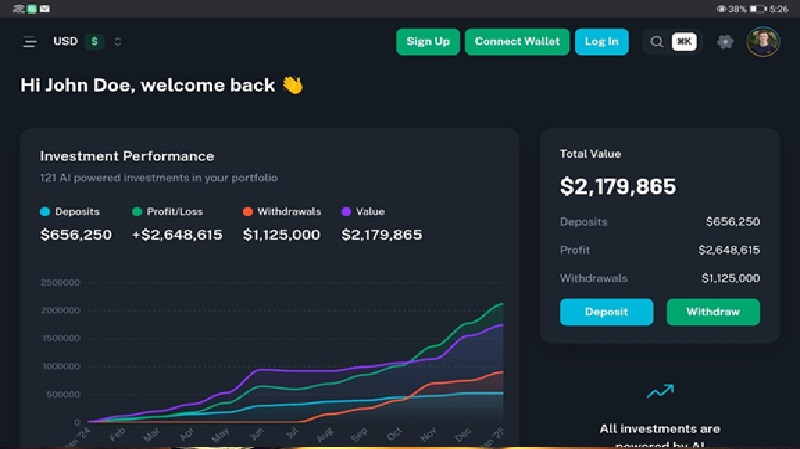
Rumors suggest that Cardano may be integrated into a reserve for Bitcoin transactions, utilizing ADA for transaction fees, which could enhance its popularity. Additionally, a potential partnership with Hedera Hashgraph (HBAR) for a stablecoin project could attract investors through automated profit generation.

Experts view Cardano as a potential threefold investment, expecting 300% gains. However, resistance may arise around $1.17, with a pullback below $1. Current signals show strong buying but slowing momentum. If Cardano remains above $0.98, it could reach $1.20; otherwise, it may drop to $0.85.

Beat the Rush: RCOF Presale Offers Early Investors Huge Potential

With a growing interest in tokens promising high returns, some experts suggest that RCOF could outperform Cardano in 2025. This optimism stems from the RCOF’s token presale successfully raising over $14 million in revenue.

Currently trading at $0.10, RCOF will rise to $0.13 in the next stage, offering a potential 39

0% profit. However, what’s even more exciting is that experts anticipate a 10,000x surge after the RCOF token launch at $0.6 on crypto exchanges.

To ensure the long-term value of RCOF, 50% of the total token supply is reserved for the presale, bolstering liquidity. Additionally, a token-burning strategy is in place to decrease circulation, potentially increasing scarcity and boosting prices as demand grows.

Investing in RCOF presale tokens now could lead to significant rewards in the future, so don’t miss out on this opportunity!


For more information about the RCO Finance (RCOF) Presale:

Visit RCO Finance Presale

Join The RCO Finance Community

RCOF Takes Crypto by Storm with Projected 8000% Gains by Q2 2025

0

The crypto world is about to witness a seismic shift as RCO Finance (RCOF) takes the stage. With its innovative AI features and highly successful  presale, RCO Finance is quickly emerging as the altcoin to watch, with projections of a staggering 8000% rally by Q2 2025.

But what are the factors contributing to this bullish outlook? Find the details below!

RCO Finance Revolutionizing Crypto Trading

RCO Finance is not just another DeFi trading platform; it’s an inclusive solution that supports investors of all backgrounds. With its innovative AI features, it’s no surprise that RCO Finance is gaining traction as one of the crypto tokens to watch. The future of finance is here, and it welcomes everyone.

Fueling this innovation is its AI-powered Robo Advisor, which is designed to simplify crypto trading for users without extensive knowledge. By employing AI and machine learning, it provides a user-friendly experience, removing intermediaries and confusion. Users can access tailored investment strategies that align with their financial situations and market preferences.

The Robo Advisor is a personalized investment manager that analyzes market data, allowing even beginners to access institutional-level strategies. It continuously monitors trends and adjusts portfolios in real time to align with users’ financial goals. Imagine receiving an alert about a token like MELANIA, which surged significantly overnight.

RCO Finance’s Beta Platform Goes Live!

For investors interested in trying out these features, RCO Finance has recently launched a beta platform that features advanced AI trading tools and automated analytical systems. This user testing is expected to improve the overall trading experience and position RCO Finance as the top crypto presale in 2025

This AI trading platform emphasizes user privacy and anonymity by operating on a KYC-free model, avoiding extensive identity verification. This allows users to trade without middlemen or intrusive processes. Combined with robust security measures, RCO Finance is solidifying its spot as the top crypto presale in 2025.

The smart contracts underpinning RCO Finance have been thoroughly audited by SolidProof, a leading blockchain security firm known for its rigorous evaluation processes. This thorough audit guarantees that user funds are well-protected, providing investors with peace of mind and confidence in the platform’s security measures

RCOF Presale Stuns The Crypto Market

For those looking for the top crypto presale in 2025, RCO Finance is one to watch, having raised over $14 million in revenue. The RCOF token is generating significant interest as it advances through its fifth presale stage, currently priced at $0.10.

Since its launch, the RCOF token has demonstrated an impressive 509% increase from its starting price, indicating strong growth potential. As the presale approaches the next stage, early investors could benefit significantly when the RCOF token price rises to $0.13.

Analysts predict that RCOF may debut at around $0.60, with even more promising growth prospects on the horizon for 2025. Market rumors suggest that the value of the RCOF token could surpass the remarkable price rally of Solana in 2021, potentially yielding gains of up to 8000%.

Now is the perfect time to consider investing in RCOF presale tokens!


For more information about the RCO Finance (RCOF) Presale:

Visit RCO Finance Presale
Join The RCO Finance Community

The Investing Opportunity in MAGA 2.0 As Recession Looms

0

My prediction remains: Trump will cause a recession by the time Trump 2.0 is over. Republicans have that in their DNAs, naturally or otherwise. George Bush Sr caused one; Bill Cinton cleaned it up. George Bush Jr caused a really big one; Obama cleaned everything. Under Trump 1.0 we had one, Biden took care of business. Now, another one will happen.

Ndubuisi does not buy stocks unless during recessions as recessions provide opportunities to have great multiples. Outside recessions, stock markets are boring for me on those single-digit or low double-digit returns.

But as we wait for the next recession, I am moved to comment on something unique about Musk, Trump and America: ability to fire thousands of people with no one saying he is eliminating “Igbos”, “Yorubas”, and “Hausas”, as would have been the case in Nigeria. Yes, these men are enjoying the firing of federal workers, with no concerns on balancing the federal character on the lost jobs!

From LinkedIn: “Layoffs rose 245% in February compared to the month prior…. Of the roughly 172,000 people who were let go last month, more than one-third, or 62,000, lost their jobs to cuts by the Department of Government Efficiency, led by billionaire Elon Musk. The monthly total is the highest since July 2020, and also the highest figure for February since 2009, when the country was grappling with the global financial crisis.” They are just starting.

MAGA 2.0 will provide a huge opportunity to buy low and then capture value later in this innovation age powered by AI. I expect a huge tax cut soon, and it will be bigger than any spending cut, and typically whenever that happens, you see financial imbalance, triggering an economic avalanche. Then the BUY moment will present itself!

MAGA 2.0 presents opportunities: just save for the moments.

Comment on Feed

Comment 1: Thank you for sharing your insights and predictions. I find your perspective on economic cycles and investment strategies quite intriguing, especially the idea of leveraging recessions for investment opportunities. While I agree that recessions can present unique buying opportunities, I would like to add a nuanced perspective on the broader implications of such economic downturns.

Recessions, while beneficial for investors like yourself who are positioned to capitalize on them, often come at a significant cost to the broader population. Job losses, reduced consumer spending, and economic instability can disproportionately affect lower-income households and small businesses. For instance, while layoffs in the tech sector or federal workforce might create opportunities for investors, they also lead to financial insecurity for thousands of families. This duality is worth considering when discussing the potential benefits of economic downturns.

Additionally, your observation about the lack of ethnic or regional bias in layoffs in the U.S. compared to Nigeria is an interesting cultural contrast. However, it’s worth noting that even in the U.S., layoffs can have uneven impacts across different demographics, such as minority groups or older workers, even if these disparities aren’t framed in ethnic or regional terms. The systemic issues in hiring and firing practices, while less overt, still exist and can perpetuate inequality.

As for the potential economic policies under a hypothetical Trump 2.0 administration, I would caution against assuming that tax cuts alone will trigger a recession. While large tax cuts without corresponding spending reductions can indeed lead to fiscal imbalances, the broader economic context such as global market conditions, monetary policy, and technological advancements also plays a significant role. For example, the rise of AI and automation, as you mentioned, could offset some of the negative impacts of fiscal imbalances by driving productivity gains and creating new industries.

To put it simply, while I agree that recessions can create investment opportunities, it’s important to balance this perspective with an understanding of their broader societal impacts. Moreover, the interplay between fiscal policy, technological innovation, and global economic trends will likely shape the next recession in ways that are not entirely predictable. Saving for the “BUY moment” is a sound strategy, but it’s equally important to consider the ethical and social dimensions of investing during times of economic hardship.

Exploring the Potential Impacts of Rollback of Tariffs on Mexico and Canada

0
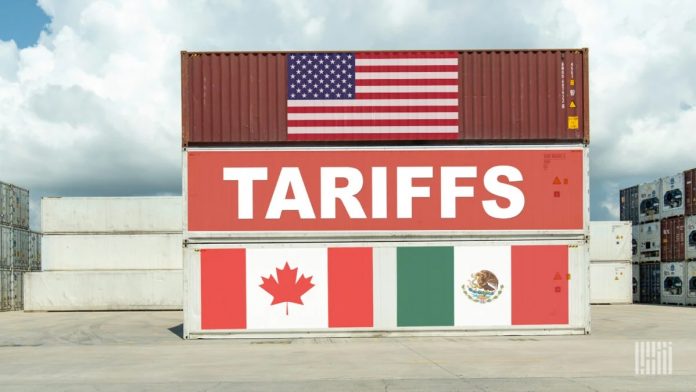
USC experts talk about the importance of U.S.-China trade and how it affects the economy. (Illustration/iStock)

The potential rollback of tariffs on Mexico and Canada by President Donald Trump, could have significant implications for the U.S. economy. While no full rollback has been officially confirmed beyond specific exemptions (e.g., for automakers), analyzing the economic impact involves considering the effects of the existing tariffs and how reversing them might alter the current trajectory.

Current Impact of Tariffs on the U.S. Economy

The 25% tariffs on most imports from Mexico and Canada, implemented on March 4, 2025, along with a 10% tariff on Canadian energy exports, have already begun to influence the U.S. economy. These tariffs were introduced to address illegal immigration and fentanyl trafficking but have broader economic consequences:

Increased Consumer Prices: Tariffs are taxes on imports paid by U.S. businesses, often passed on to consumers. Economists estimate that the tariffs could raise prices significantly for goods like automobiles (e.g., an additional $3,000 per vehicle due to integrated North American supply chains), fresh produce (Mexico supplies over 60% of U.S. imports), and energy products (especially in the Midwest, reliant on Canadian oil).

The Urban-Brookings Tax Policy Center projected an annual cost of $930 per U.S. household in 2026, though some analyses suggest higher figures (up to $7,600 per household per the National Retail Federation) depending on the scope and duration.

Economic Growth Reduction: The Tax Foundation estimates that the tariffs on Canada and Mexico, if sustained without retaliation, would reduce U.S. long-run GDP by 0.2%, equating to a loss of approximately 223,000 full-time equivalent jobs and a 0.6% drop in after-tax incomes. With retaliation (as both countries have imposed 25% tariffs on U.S. exports), the Brookings Institution suggests a GDP hit of 0.25% even without escalation, while Piper Sandler forecasts a drop from 2% to 1% in 2025 GDP growth. Retaliation amplifies this, potentially costing over 400,000 U.S. jobs, per Mexican government estimates.

Market Volatility: The tariffs triggered immediate market reactions, with the S&P 500 dropping 1.8% on March 4 and continuing to slide (1.7% on March 5), reflecting investor concerns over trade war risks and inflation. This volatility could dampen business investment and consumer confidence.

Supply Chain Disruptions: Industries like automotive, agriculture, and construction, heavily reliant on cross-border supply chains, face higher costs and potential production slowdowns. For example, 50% of North American trade involves supply chain intermediates (e.g., a Chevy Silverado’s parts crossing borders multiple times), magnifying the tariff’s impact.

Inflationary Pressure: The tariffs contribute to a one-time price level increase, with potential for sustained inflation if expectations shift. The Bank of Canada notes that central banks may struggle to balance growth slowdowns (requiring looser policy) with price hikes (requiring tighter policy), risking stagflation—a mix of stagnant growth and rising prices.

If Trump were to rollback these tariffs, either partially (beyond the current auto exemption) or fully, the U.S. economy could see several shifts. Reducing or eliminating the 25% tariffs would lower import costs, potentially easing price pressures on consumer goods like cars, food, and energy. This could save households hundreds to thousands of dollars annually, reversing some of the projected $930–$7,600 cost increases.

Gasoline prices, particularly in the Midwest (reliant on Canadian crude), could stabilize or drop by 10–20 cents per gallon, per Cato Institute estimates for the 10% energy tariff’s impact. A rollback could mitigate the 0.2%–0.25% GDP reduction, preserving or restoring some of the 223,000–400,000 jobs at risk. The Global Trade Analysis Project (GTAP) model suggests that without tariffs, U.S. economic growth could rebound closer to pre-tariff projections (e.g., Piper Sandler’s 2% for 2025), especially if retaliation from Canada and Mexico is also scaled back.

A rollback signal could calm financial markets, reversing recent declines and boosting investor confidence. This might encourage business investment, which has been hampered by uncertainty and higher costs, particularly in tariff-sensitive sectors like manufacturing. Easing tariffs would restore efficiency to North American supply chains, reducing costs for industries like automakers (who received a one-month exemption on March 5) and agriculture. This could prevent long-term shifts away from U.S.-centric production, preserving the benefits of the USMCA framework.

Removing tariffs would reduce the immediate inflationary impulse, potentially averting stagflation risks. However, the one-time price hikes already in motion might not fully reverse, depending on how businesses adjust pricing and profit margins. The current auto exemption (for GM, Ford, and Stellantis) suggests a targeted approach rather than a blanket reversal. A full rollback would have broader positive effects, but partial measures might limit relief to specific sectors, leaving others exposed.

Retaliation Dynamics: Canada and Mexico’s retaliatory tariffs (e.g., Canada’s $107 billion levy on U.S. goods, Mexico’s planned measures) would need to be unwound in tandem for maximum benefit. Failure to coordinate could sustain some economic drag. The longer tariffs remain, the deeper the economic entrenchment (e.g., supply chain rerouting, price adjustments). A swift rollback would minimize damage, while delays could lock in costs.

Trump’s tariff rationale (border security, fentanyl) might shift to alternative measures, affecting the political and economic calculus. Commerce Secretary Lutnick’s hints at compromises (e.g., sector-specific relief) suggest flexibility, but no firm commitment exists as of March 6.

A rollback of tariffs on Mexico and Canada would likely benefit the U.S. economy by reducing consumer prices, supporting GDP growth, stabilizing markets, and easing supply chain strains. It could reverse much of the estimated 0.2%–1% GDP loss, save jobs, and curb inflation risks, particularly if paired with de-escalation from trading partners.

However, the extent of relief depends on the rollback’s scope, timing, and reciprocity. Without a full rollback, the U.S. economy may continue facing higher costs and slower growth, though the auto exemption offers a glimpse of potential mitigation.

IRS Drafting Plans to Cut Down Workforce by Half

0

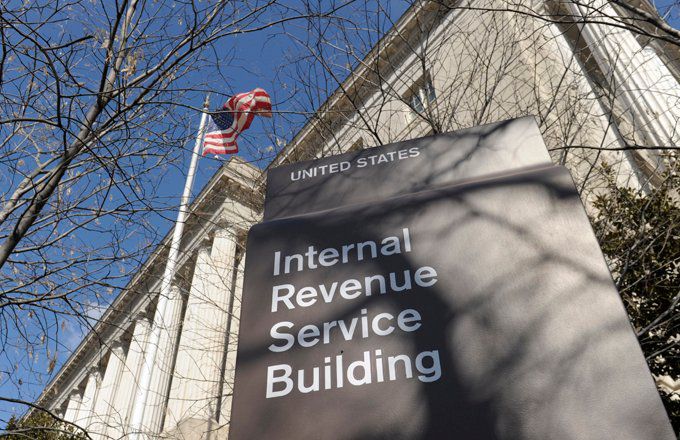
Reports indicate that the IRS is drafting plans to significantly reduce its workforce, potentially cutting up to half of its approximately 90,000 employees. These plans involve a combination of layoffs, attrition, and incentivized buyouts, according to sources familiar with the situation. A workforce reduction of the magnitude proposed in the IRS draft plans—potentially cutting up to half of its roughly 90,000 employees—would have wide-ranging impacts on the agency’s operations, the broader economy, and taxpayers.

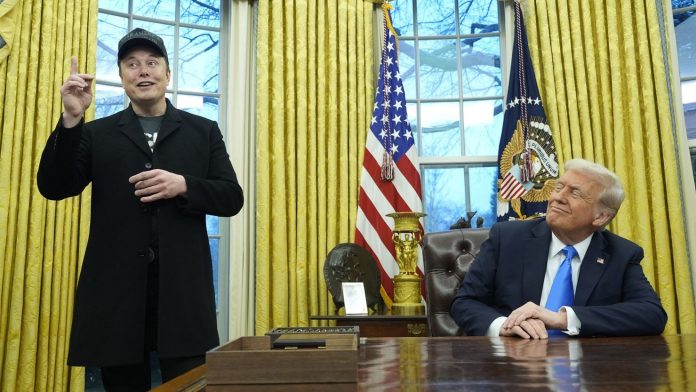
This comes as part of broader efforts under the President Donald Trump administration to shrink the federal workforce, with influence from Elon Musk’s Department of Government Efficiency (DOGE). Already, around 7,000 probationary employees were laid off in February 2025, and further reductions are being considered, though it remains unclear if the White House will approve the full scope of the IRS’s proposal or over what timeline it would occur.

The initiative aligns with a push to streamline government operations, but critics, including former IRS Commissioner John Koskinen, warn that slashing tens of thousands of jobs could render the agency “dysfunctional.” Additional plans include redirecting some IRS staff to assist the Department of Homeland Security with immigration enforcement. Official confirmation from the White House, Treasury Department, or IRS is still pending, leaving the final outcome uncertain for now.

The IRS is responsible for collecting over $4 trillion annually in tax revenue, which funds most federal government operations. A 50% staff cut could severely limit its ability to audit tax returns, pursue tax evasion, and enforce compliance. For context, the IRS has historically struggled with understaffing—Koskinen’s warning of a “dysfunctional” agency suggests that losing tens of thousands of workers could lead to unprocessed returns, delayed refunds, and a backlog of cases. Studies show that each dollar spent on IRS enforcement yields $5–$10 in recovered revenue, so a diminished workforce might paradoxically increase the federal deficit by letting tax cheats slip through the cracks.

The IRS already faces criticism for long wait times and unanswered calls (e.g., only 29% of calls were answered in 2022 before recent funding boosts). Cutting staff would likely worsen this, leaving taxpayers—especially individuals and small businesses—stranded on filing issues, refund delays, or complex tax questions. Redirecting some staff to immigration enforcement, as proposed, would further strain resources for core tax functions.

The IRS has been working to modernize its outdated IT systems and shift to digital services. A reduced workforce, particularly if it includes skilled IT personnel, could slow these efforts, keeping the agency reliant on paper-based processes and antiquated infrastructure (some systems date back to the 1960s).

Economic and Social Impact

Laying off or buying out up to 45,000 workers would directly affect those employees and their families, particularly in areas like Ogden, Utah, or Kansas City, Missouri, where IRS facilities are major employers. This could depress local economies, reduce consumer spending, and increase demand for unemployment benefits. Incentivized buyouts might soften the blow for some, but mass layoffs (like the 7,000 probationary workers cut in February 2025) could still flood job markets with displaced workers.

A weaker IRS disproportionately benefits high-income earners and corporations, who are more likely to exploit tax loopholes or underreport income. Audits of millionaires and large firms—already down in recent years due to prior staffing shortages—could drop further, shifting the tax burden onto wage earners and small businesses who lack the resources to evade scrutiny. If IRS staff are reassigned to assist Homeland Security, as suggested, this could bolster immigration enforcement capacity (e.g., deportations tied to Trump’s agenda). However, it’s unclear how tax specialists would adapt to such roles, potentially leading to inefficiencies or misallocated skills.

Proponents, including those tied to Musk’s DOGE initiative, argue that a leaner IRS reduces bureaucratic waste and overreach (e.g., fewer “intrusive” audits). They might point to the agency’s $80 billion funding boost from the 2022 Inflation Reduction Act—partly reversed under Trump—as evidence of prior over-expansion. Opponents, including Democrats and tax experts, contend that gutting the IRS undermines its ability to serve the public and fund government programs. Public frustration could grow if services collapse, potentially fueling political pressure to reverse course or find alternative revenue sources (e.g., new taxes).

The exact impact hinges on execution: Will cuts target enforcement, customer service, or administrative roles? Will attrition and buyouts suffice, or will forced layoffs dominate? Without White House approval, the plan’s scope and timeline remain speculative. Historically, IRS staffing dropped from 117,000 in 1990 to under 80,000 by 2019, with noticeable declines in audit rates and revenue—halving it again could amplify those trends exponentially.  In short, a 50% reduction could streamline the agency in theory but risks crippling its core functions, widening economic gaps, and sparking public discontent—all while testing the limits of “doing more with less.”