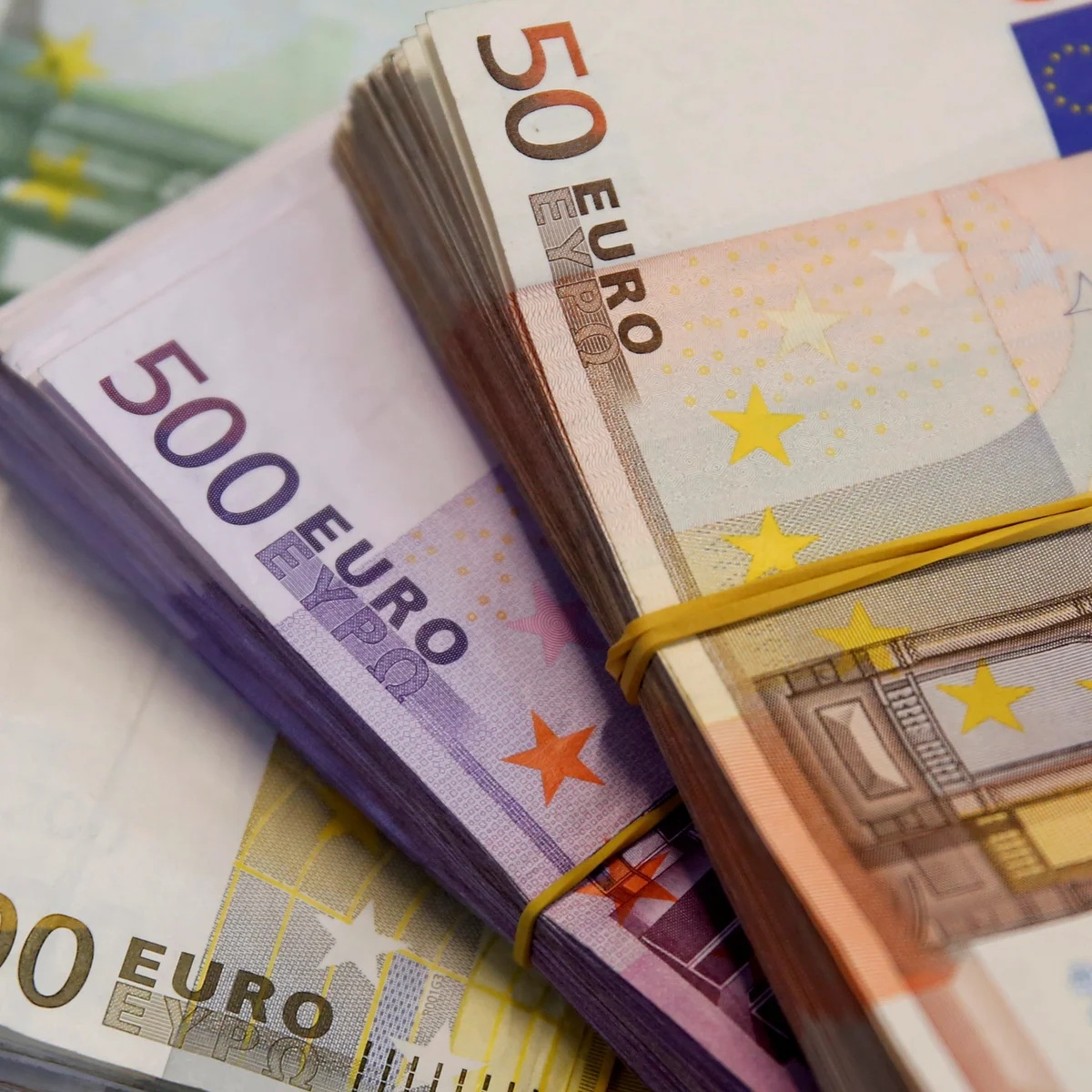
For decades, Germany has been the archetype of a cash-dominant economy in Europe, where physical currency was not just a payment method but a cultural preference tied to privacy, budgeting discipline, and distrust of digital surveillance.
However, that long-standing position is now undergoing structural change. Mobile payments and contactless transactions are steadily eroding cash’s dominance, signaling a gradual but meaningful transformation in how Germans pay for goods and services.
Germany’s payment landscape lagged behind many of its European peers in digital adoption. While countries such as Sweden and the United Kingdom rapidly embraced card payments and mobile wallets, Germany remained firmly attached to cash and domestic debit systems like Girocard.
Small retailers, bakeries, and even some urban restaurants often preferred cash handling, citing lower transaction costs and immediate settlement.
For consumers, cash offered a sense of anonymity and control over spending, reinforcing entrenched behavioral norms. This equilibrium is now shifting due to a convergence of technological, regulatory, and behavioral factors. The widespread rollout of contactless point-of-sale terminals has been one of the most important catalysts.
What was once a niche capability is now standard in most urban retail environments, enabling fast tap-to-pay transactions via cards and smartphones. The COVID-19 pandemic accelerated this transition by making contactless payments not just convenient but also hygienically preferable, pushing reluctant adopters toward digital alternatives.
Mobile payment ecosystems such as Apple Pay, Google Pay, and bank-specific apps have also lowered the barrier to entry. Unlike traditional card usage, mobile wallets integrate authentication methods such as biometrics, reducing friction and improving security perception.
Younger consumers, in particular, are driving adoption, treating smartphones as primary financial interfaces rather than supplementary tools. This generational shift is critical: as digital-native cohorts increase their share of economic activity, cash usage naturally declines.
Retail infrastructure has also evolved in response. Major supermarket chains, transport operators, and e-commerce-linked brick-and-mortar stores now routinely prioritize digital payments. Even smaller merchants, once resistant due to fees or technical constraints, increasingly accept mobile payments as competition and customer expectations intensify.
The expansion of instant payment rails in the eurozone further reinforces this trend by improving settlement speed and reliability.
Germany has not abandoned cash entirely. It remains widely accepted, particularly in rural regions and among older demographics. Many consumers still value cash for its perceived privacy benefits, as digital payments generate traceable data that can be analyzed by banks, corporations, or public authorities.
This cultural dimension continues to slow full digital substitution. Additionally, some small businesses still prefer cash due to concerns over interchange fees and dependence on payment processors. Cash is no longer the default medium of exchange in Germany’s urban economy.
Instead, it is becoming one option among many in an increasingly hybrid payment ecosystem. The tipping point is not absolute disappearance but relative decline in usage frequency, especially in high-volume, low-value transactions where mobile payments excel.
Germany is likely to continue its gradual convergence with broader European payment norms. While cash will persist as a legal tender and niche preference, its role will diminish as infrastructure, consumer habits, and regulatory frameworks continue to favor digitalization.
In this evolving landscape, cash is no longer king—it is becoming a secondary currency in a system increasingly governed by taps, tokens, and mobile authentication.
The Growing Cash Flow Crisis Threatening German Farms
Germany’s agricultural sector is facing growing financial pressure as farmers across the country warn of an emerging liquidity crisis. Falling market prices for key agricultural products, combined with persistently high production costs, are squeezing profit margins and threatening the financial stability of many farms.
Industry representatives and farming associations argue that without targeted support and structural reforms, the situation could lead to widespread business failures, reduced agricultural output, and long-term challenges for rural communities.
At the heart of the crisis is a widening gap between revenues and expenses.
Prices for several agricultural commodities, including grains, milk, and certain livestock products, have declined due to increased global supply, weaker demand in some export markets, and intensified competition from international producers.
While lower food prices may benefit consumers in the short term, they often come at the expense of farmers who struggle to cover their operating costs. At the same time, production expenses remain elevated.
Energy prices, although lower than the peaks experienced during recent geopolitical disruptions, are still significantly higher than historical averages. Farmers also face increased costs for fertilizers, animal feed, machinery maintenance, fuel, and labor.
Environmental regulations and sustainability requirements, while important for long-term ecological goals, have also added compliance costs that many producers find difficult to absorb during periods of weak profitability.
The result is a growing liquidity problem. Liquidity refers to the availability of cash needed to meet short-term obligations such as loan repayments, wages, supplier invoices, and seasonal operating expenses.
Even farms that remain profitable on paper may experience cash-flow shortages if revenues arrive too slowly or fail to keep pace with rising costs. Many German farmers report drawing down reserves, delaying investments, or relying on additional borrowing to maintain operations.
Smaller and family-owned farms are particularly vulnerable. Unlike large agricultural enterprises, these operations often have limited access to capital markets and fewer opportunities to diversify revenue streams.
A prolonged period of financial stress could accelerate consolidation within the sector, leading to fewer independent farms and greater concentration of agricultural production in the hands of larger operators.
Such a trend would have significant implications for rural employment, local economies, and the traditional structure of German agriculture.
Farmer organizations are urging policymakers to take action. Proposed measures include temporary financial assistance, tax relief, improved access to credit, and policies that help stabilize farm incomes during periods of market volatility.
Some groups also advocate for stronger protections against unfair pricing practices within food supply chains, arguing that retailers and processors often capture a disproportionate share of value while primary producers bear most of the risk.
The challenges facing German farmers also highlight broader issues affecting agriculture across Europe. Climate change has increased the frequency of extreme weather events, creating additional uncertainty for crop yields and livestock production.
Meanwhile, global market fluctuations, geopolitical tensions, and evolving consumer preferences continue to reshape the economic landscape for farmers. The warning from Germany’s farming community is not merely about short-term financial difficulties.
It reflects deeper concerns about the long-term sustainability and resilience of agricultural production. If falling prices and rising costs continue to erode farm profitability, the consequences could extend beyond individual businesses, affecting food security, rural development, and the future competitiveness of Europe’s agricultural sector.
Addressing the liquidity crisis will require coordinated efforts from governments, financial institutions, industry stakeholders, and farmers themselves to ensure a stable and sustainable future for agriculture.