DD
MM
YYYY

PAGES

DD
MM
YYYY

spot_img

PAGES

Home Blog Page 213

Trump, Xi Reach Trade Truce in South Korea, Easing Tensions Over Rare Earths and Tariffs

0

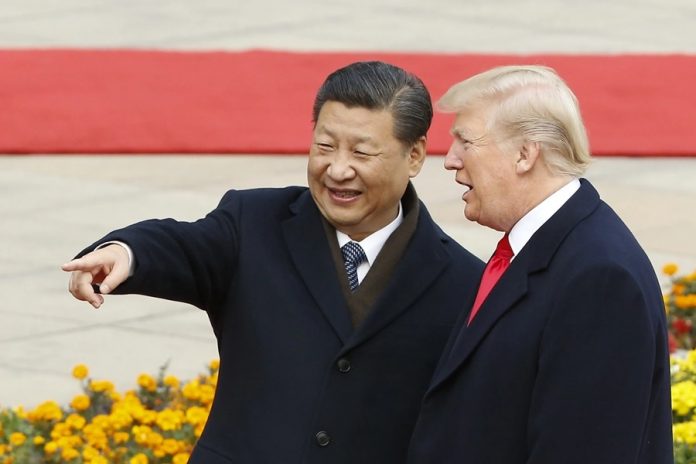
President Donald Trump and Chinese President Xi Jinping reached a temporary trade truce in South Korea on Thursday, defusing a growing standoff over rare earth elements that had threatened to deepen tensions between the world’s two largest economies.

Under the agreement, China will suspend for one year the export controls on rare earths it imposed earlier this month, while the United States will reduce tariffs and delay sanctions on certain Chinese companies. Trump described the deal as “a one-year agreement that will be very routinely extended,” signaling optimism that the fragile truce could evolve into a longer-term understanding.

“We have a deal,” Trump told reporters aboard Air Force One. “Now, every year we’ll renegotiate the deal, but I think the deal will go on for a long time, long beyond the year. But all of the rare earth has been settled, and that’s for the world.”

The move marks a pause in a trade confrontation that had escalated rapidly after China, which controls about 70% of global rare earth production, announced sweeping export restrictions on October 9. The minerals are vital to manufacturing advanced technologies, including semiconductors, defense systems, and electric vehicles — sectors where the United States has sought to curb Chinese dominance.

As part of the truce, Trump said he is cutting tariffs on Chinese goods tied to fentanyl production from 20% to 10%, bringing the overall average rate on Chinese imports down to about 47%. The White House had earlier threatened to impose tariffs of up to 100% on November 1 in retaliation for Beijing’s rare earths policy.

China’s Ministry of Commerce confirmed that the U.S. has agreed to postpone implementation of a September 29 rule blacklisting subsidiaries of major Chinese state firms. Both sides also agreed to suspend port docking fees for ships traveling between the two countries for one year.

Trump added that he plans to visit China in April 2026, while Xi will make a return visit to the United States — either to Palm Beach, Florida, or Washington, D.C. — later in the year.

Beijing Seen Gaining the Upper Hand

Analysts quoted by CNBC say Beijing may have leveraged its rare earths dominance to secure tariff relief from Washington.

“Xi was ready for Trump in his second term and has a powerful weapon in rare earths,” Piper Sandler analysts led by Andy Laperriere wrote in a client note. “China is getting the better of the U.S. in these recent truce negotiations.”

Wolfe Research strategist Tobin Marcus said China “successfully used rare earths export controls and a soybean embargo” to pressure Washington into concessions.

Despite the relief, some U.S. observers warn the deal lacks substance. Nicholas Burns, who served as U.S. ambassador to China during the Biden administration, described the outcome as “an uneasy truce in a long, still simmering trade war.”

Unclear Terms on Agriculture and Energy

The agreement leaves open key questions about agriculture and energy trade. Trump said China has committed to buying 25 million metric tons of soybeans annually for the next three years, along with sorghum and other farm goods — a significant boost for U.S. farmers. Treasury Secretary Scott Bessent confirmed the purchase figure, but China’s Ministry of Commerce gave no details, merely stating that both sides “agreed to expand agricultural trade.”

Trump also hinted that China could increase purchases of U.S. oil and gas, particularly from Alaska, pending further negotiations between Energy Secretary Chris Wright, Interior Secretary Doug Burgum, and Chinese officials.

Nvidia and Tech Cooperation

The truce also included preliminary discussions on semiconductor technology. Trump said he and Xi talked about exports of Nvidia chips to China, but not about the company’s most advanced Blackwell graphics processing units.

“That’s really between you and Nvidia,” Trump told Xi, adding that Washington would act as a “sort of arbitrator.”

China’s Commerce Ministry later said it would work with the U.S. to “resolve issues related to TikTok,” but provided no details.

A Tactical Pause, Not a Breakthrough

The agreement gives both leaders breathing room as they navigate domestic and geopolitical pressures. It provides a temporary easing of trade-related inflationary pressures and a political win ahead of the 2026 midterms for Trump. While for Xi, it secures continued access to the U.S. market while keeping China’s grip on the global rare earths supply chain intact.

However, experts caution that without structural commitments, the truce may prove short-lived.

Typical Problems After Getting a GSA Contract – and How to Prevent Them

0

Securing a GSA Schedule contract is a major accomplishment for any company looking to expand into the federal marketplace. It opens the door to a wide network of government buyers and creates new opportunities for steady, long-term revenue. However, obtaining the contract is only the first step. Effective GSA management is what ensures the contract continues to generate results and remain compliant over time.

Many businesses discover that the real work begins after the award. Managing a GSA contract requires ongoing attention to compliance, regular updates to products and pricing, and consistent communication with government agencies. Without a structured approach, even experienced contractors can encounter costly mistakes, audit findings, or contract suspension.

Successful post-award management means understanding that a GSA Schedule is not a static document but a living agreement that evolves with market conditions and regulatory requirements. Companies that plan ahead, monitor performance, and maintain compliance are far more likely to achieve sustainable growth and positive relationships within the federal market.

With nearly two decades of experience, Price Reporter helps contractors navigate every aspect of GSA management, from compliance and reporting to catalog updates and pricing optimization. By applying proven strategies and market insights, the company ensures that GSA contract holders can focus on growth while maintaining full compliance with government standards.

This article examines the most common challenges businesses face after receiving a GSA contract and provides practical strategies to prevent these problems before they affect your success.

Lack of Post-Award Planning

Problem: After receiving a GSA Schedule contract, many companies believe the most difficult phase is behind them. In reality, the contract award marks the beginning of a long and detailed management process. A GSA Schedule is not a one-time achievement but a continuous commitment that requires regular attention and oversight. Without a clear plan in place, even small administrative tasks can accumulate and turn into major compliance issues.

Impact: When a business fails to plan for post-award management, deadlines are often missed, catalog information becomes outdated, and reporting obligations can be overlooked. This lack of organization can result in warnings from GSA, financial penalties, or even suspension of the contract. In addition, poor planning makes it harder for a company to respond quickly to market changes or new government opportunities.

Prevention: Establishing a structured management process immediately after the award is the best way to prevent these issues.

  • Develop a post-award plan that clearly defines responsibilities, deadlines, and review cycles.
  • Assign a dedicated contract administrator or engage a qualified specialist to monitor compliance and coordinate updates.
  • Schedule quarterly internal reviews to ensure that pricing, documentation, and reporting remain accurate and aligned with GSA requirements.

By treating post-award planning as an ongoing process, contractors can maintain full control of their schedules, avoid compliance risks, and ensure their GSA contract continues to deliver long-term value.

Outdated or Inaccurate Catalog Information

Problem: Many contractors underestimate the importance of keeping their GSA Advantage catalog up to date. As product lines evolve, prices change, and availability shifts, catalog details can quickly become outdated. It is common to see listings that include discontinued items, incorrect pricing, or incomplete product descriptions. These inconsistencies not only create confusion for buyers but also increase the risk of compliance issues.

Impact: An inaccurate catalog can cause multiple operational and reputational problems. Orders may be rejected if products are unavailable or priced incorrectly, resulting in lost sales and dissatisfied customers. Inconsistent information between the catalog and the contract terms can also trigger compliance warnings or audits. Over time, these mistakes can damage a company’s reputation and weaken its position within the federal marketplace.

Prevention: A disciplined approach to catalog management helps prevent these issues and ensures smooth contract performance.

  • Review all catalog listings on a regular basis to confirm that product information, descriptions, and specifications are current.
  • Remove discontinued or temporarily unavailable products to avoid confusion and order delays.
  • Verify that all prices listed on GSA Advantage match the current terms and conditions of your GSA Schedule.

Consistent catalog maintenance is one of the simplest yet most effective ways to stay compliant, enhance buyer confidence, and maintain a positive track record with GSA.

Delays in Contract Modifications

Problem: After receiving a GSA Schedule contract, many companies struggle to manage modifications efficiently. Updates such as price adjustments, product additions, or new SINs often get delayed due to internal bottlenecks or lack of clear responsibility. In some cases, businesses postpone modifications until the next review period, which can leave their contract outdated and out of sync with their current offerings.

Impact: When modifications are delayed, contractors lose valuable opportunities to expand their catalog, stay competitive, and align pricing with market conditions. Government buyers expect accuracy and transparency, and outdated contract terms can create confusion or reduce trust. Furthermore, prolonged delays in modifications can trigger compliance questions during audits and limit access to new procurement opportunities.

Prevention: Timely and well-managed contract modifications are essential for maintaining a strong and compliant GSA Schedule.

  • Schedule periodic internal reviews to identify necessary updates, such as new products, discontinued items, or pricing changes.
  • Submit modification requests immediately after changes occur in pricing, supplier relationships, or product availability.
  • Monitor the progress of each modification and maintain consistent communication with your Contracting Officer to ensure approvals are completed without unnecessary delays.

By treating contract modifications as an ongoing process rather than a one-time task, contractors can keep their GSA Schedule current, competitive, and fully aligned with both market conditions and regulatory requirements.

Errors in Reporting and Fee Remittance

Problem: Accurate reporting is a critical part of GSA contract management, yet many contractors struggle to meet all the requirements on time. Transactional Data Reporting (TDR) and Industrial Funding Fee (IFF) submissions are often overlooked, delayed, or filled out incorrectly. These mistakes typically occur due to lack of internal organization, unfamiliarity with reporting procedures, or poor recordkeeping.

Impact: Late or inaccurate reporting can have serious consequences. GSA relies on timely and correct data to monitor contractor performance and ensure fair pricing. Missing a deadline or submitting incorrect figures can trigger audits, financial penalties, or loss of trust from Contracting Officers. Repeated reporting issues may even lead to suspension or termination of the contract. In addition to financial risk, inconsistent reporting creates administrative stress and damages a contractor’s professional reputation.

Prevention: Establishing a consistent and well-documented reporting process helps eliminate these risks.

  • Create a monthly reporting schedule that outlines due dates for TDR and IFF submissions and assign clear responsibility for each task.
  • Maintain detailed and organized sales records for every GSA-related transaction to ensure traceability and accuracy.
  • Carefully verify all figures and calculations before submitting reports or payments to prevent discrepancies and potential follow-up audits.

By building a reliable reporting system, contractors can stay compliant, reduce administrative errors, and strengthen their standing with GSA as trustworthy and responsible partners.

Non-Compliance with the Trade Agreements Act (TAA)

Problem: Compliance with the Trade Agreements Act is one of the most important responsibilities for GSA contractors, yet it remains one of the most common problem areas. Many companies unintentionally list or sell products that are not TAA compliant. This often happens when suppliers change manufacturing locations or when contractors add new products without verifying their country of origin. Even a single non-compliant item can create serious issues.

Impact: Violating TAA requirements can have immediate and severe consequences. Contractors may face suspension of specific products, financial penalties, or complete removal from the GSA Schedule. Non-compliance also damages credibility with both GSA officials and federal buyers. Once a company’s reliability is questioned, it becomes much harder to win new government opportunities and maintain existing relationships.

Prevention: Strict monitoring of product origin and supply chain changes is essential for staying TAA compliant.

  • Verify the country of origin for every product before adding it to your GSA Schedule.
  • Keep updated documentation proving that all listed items meet TAA requirements.
  • Revisit compliance, whenever switching suppliers, adding new product lines, or making changes to manufacturing locations.

Consistent review and documentation ensure that your GSA catalog remains compliant and trustworthy, protecting your business from unnecessary risks and disruptions.

Lack of Market and Price Monitoring

Problem: Many contractors treat their GSA contract pricing as fixed, assuming that once it is approved, no further adjustments are needed. However, the federal market is highly dynamic. Prices, competition, and agency demand can shift quickly, and without regular monitoring, a contractor’s pricing can become outdated and uncompetitive. This often results from limited market research or a lack of resources dedicated to tracking federal buying patterns.

Impact: When pricing no longer reflects current market conditions, visibility on GSA Advantage decreases, and sales decline. Government buyers frequently compare offers across multiple vendors, and if your prices are higher or not aligned with current trends, they are less likely to select your products. Over time, this can lead to reduced revenue and make it harder to meet GSA’s sales requirements for contract renewal.

Prevention: Ongoing price and market analysis is essential for maintaining competitiveness in the federal marketplace.

  • Conduct regular price comparisons with other vendors offering similar products or services under the GSA Schedule.
  • Use the Economic Price Adjustment (EPA) clause to modify prices when market conditions or supplier costs change.
  • Monitor government purchasing data and trends to better understand agency needs and adjust your offerings accordingly.

By actively tracking pricing and market activity, contractors can stay competitive, increase visibility, and maintain a strong position on GSA Advantage.

Insufficient Communication with Contracting Officers

Problem: Many contractors underestimate the importance of maintaining consistent communication with their Contracting Officer (CO). It is common for companies to reach out only when a problem occurs or when they need a modification to be approved. This reactive approach can lead to misunderstandings, slow response times, and missed opportunities to address potential compliance issues early.

Impact: Poor communication can delay contract modifications, renewals, and other administrative processes. When Contracting Officers do not receive timely updates, they may view the contractor as unresponsive or unorganized, which can harm professional relationships. In some cases, a lack of communication can even lead to compliance gaps, as important updates or approvals remain pending longer than necessary.

Prevention: Maintaining open and regular communication with your Contracting Officer helps ensure smooth contract management and builds trust over time.

  • Keep in touch with your CO regularly, not only when problems arise. Schedule periodic check-ins or updates to review your contract status.
  • Respond quickly and professionally to all inquiries, document requests, or clarification needs.
  • Inform GSA in advance about any major business or product changes that could affect your contract, such as ownership updates, pricing adjustments, or catalog modifications.

Strong and proactive communication helps contractors stay aligned with GSA expectations, resolve issues efficiently, and maintain positive long-term relationships with their Contracting Officers.

Missing the Five-Year Option Renewal Window

Problem: Every GSA Schedule contract is issued with an initial five-year term and can be renewed for up to 20 years in total. However, some contractors lose sight of the renewal process and underestimate the amount of time and documentation required. Incomplete submissions, outdated compliance records, or late preparation can lead to delays or even the expiration of the contract.

Impact: If the renewal window is missed, the contractor risks losing access to the federal marketplace altogether. A lapsed contract means all listings are removed from GSA Advantage, existing government clients cannot place new orders, and the company must go through the entire application process again. This can cause major revenue disruptions and damage long-term relationships with federal buyers.

Prevention: To avoid these issues, contractors should take a proactive and organized approach to the renewal process. Begin preparing early, review all compliance details, and ensure your contract demonstrates consistent performance and value to the GSA.

Action Description Recommended Timing
Start preparing early Begin collecting renewal documents and reviewing contract terms to identify any updates or compliance gaps. At least 6 months before expiration
Review compliance and sales data Ensure all reports, IFF payments, and contract modifications are current and properly documented. During the preparation phase
Check performance metrics Confirm that your GSA sales meet or exceed the minimum required threshold and that customer feedback is positive. Ongoing, but verified before renewal
Communicate with your CO Notify your Contracting Officer of your intent to renew and confirm all steps and deadlines. 3–4 months before expiration

Staying ahead of the renewal timeline not only prevents contract interruption but also demonstrates reliability and professionalism. Contractors who plan early and maintain full compliance throughout the contract period are well-positioned for seamless renewals and continued success in the federal market.

Conclusion: Maintaining Success Beyond the Award

Securing a GSA Schedule contract is an important step toward entering the federal marketplace, but true success depends on consistent and attentive management after the award. Continuous focus on compliance, reporting accuracy, catalog maintenance, and communication with GSA ensures that a contractor remains in good standing and competitive over time. A proactive management strategy helps identify and resolve issues before they become major problems, protecting both performance and reputation.

For businesses that prefer expert guidance in this process, Price Reporter provides professional GSA consulting and contract management solutions. Since 2006, the company’s team of specialists has helped more than a thousand contractors obtain, maintain, and optimize their GSA Schedules. With deep experience in compliance, market intelligence, and contract administration, Price Reporter continues to support companies in achieving stable growth and long-term success in the federal sector.

A Look At Key Developments of US-China Trade Deal

0

The United States and China have reached a preliminary framework agreement on trade issues, with finalization occurring today during a bilateral meeting between President Donald Trump and President Xi Jinping on the sidelines of the Asia-Pacific Economic Cooperation (APEC) summit in Busan, South Korea.

This deal averts an escalation in tariffs that could have severely disrupted global supply chains and markets. Tensions reignited in mid-October 2025 when Trump threatened 100% tariffs on Chinese imports starting November 1, in response to China’s expanded export controls on rare earth minerals and magnets—critical for US tech and defense industries.

This built on unresolved issues from the 2020 Phase One deal, including China’s alleged non-compliance on agricultural purchases and intellectual property protections. Talks accelerated over the weekend in Kuala Lumpur, Malaysia, during the ASEAN summit.

US Treasury Secretary Scott Bessent and Trade Representative Jamieson Greer met with Chinese Vice Premier He Lifeng and negotiator Li Chenggang, achieving a “preliminary consensus” on key points.

Trump and Xi met today October 30, where Trump announced the deal’s core terms. Markets reacted positively, with global indices like the S&P 500 and Shanghai Composite rising 1-2% in early trading.

The deal focuses on de-escalation and targeted concessions rather than a comprehensive overhaul. US suspends planned 100% tariffs on Chinese goods potentially rising to 157% in some sectors; pauses punitive port charges on China-built ships.

Existing tariffs (e.g., on steel, pharma, electronics) remain but with possible future exemptions. China agrees to trim retaliatory tariffs on US exports; resumes full soybean purchases China buys ~50% of US $24B annual exports.

Rare Earth Minerals; Gains “path forward” for increased access to Chinese rare earth exports, easing supply chain risks for US EVs, semiconductors, and defense. China lifts or relaxes recent export restrictions on rare earths in exchange for tariff relief.

Fentanyl and Drugs; Enhanced cooperation on combating illicit fentanyl precursors from China. China commits to stricter enforcement against fentanyl exports and related chemical shipments.

TikTok Sale; Finalizes US approval for TikTok’s US operations to be sold to American buyers (e.g., Oracle/Walmart-led consortium), resolving national security concerns under US law. China allows the divestiture without interference, marking a win for US tech oversight.

Agriculture and Trade Balance; Boosts US farm exports (soybeans, etc.) to address trade deficit; extends “trade truce” for 2-3 years. Increases purchases to meet Phase One targets, with monitoring via new Section 301 review.

This truce could stabilize global trade, benefiting US farmers, manufacturers, and consumers by avoiding higher prices on electronics and autos. Analysts estimate it prevents a 0.5-1% drag on global GDP. Experts note it’s more of a “fragile truce” than a lasting pact, as root issues like subsidies, IP theft, and tech rivalry persist.

The US launched a Section 301 probe into China’s Phase One compliance on October 25, with comments due December 1—signaling potential future friction. Trump signed parallel deals with Malaysia, Vietnam, Thailand, and Cambodia this week, focusing on critical minerals and reciprocal trade, as part of his “America First” Asia pivot.

This agreement marks a pragmatic reset amid Trump’s second term, but its longevity depends on implementation.

U.S. Mortgage Rates Climb Despite Fed Rate Cut as Bond Market Reacts to Powell’s Comments

0
A detached three-bedroom apartments are pictured at Haggai Estate, Redeption Camp on Lagos Ibadan highway in Ogun State, southwest Nigeria on August, 30, 2012. The high cost of living and the massive urbanization of Lagos, the largest city and the economic capital of Nigeria, has engineered a migration of residents mostly middle class and the poor to neighbouring towns in Ogun State, both in southwest part of the country in search of cheap accommodations. Estate developers are quick in exploiting the high cost and scarcity of accommodation leading to emerging new towns, modern estates to accommodate the spillover in Lagos. AFP PHOTO/PIUS UTOMI EKPEI (Photo credit should read PIUS UTOMI EKPEI/AFP/GettyImages)

In a twist that caught many borrowers off guard, U.S. mortgage rates climbed this week even as the Federal Reserve cut its benchmark interest rate, highlighting once again that home loan costs are influenced more by bond market sentiment than by the Fed’s direct policy actions.

According to Mortgage News Daily, the average 30-year fixed mortgage rate jumped by 20 basis points following Fed Chairman Jerome Powell’s announcement on Wednesday and his subsequent news conference. The increase reversed a steady decline that had taken rates to a one-year low earlier in the week.

On Tuesday, the average rate stood at 6.13%, matching its lowest level since September 16 — the day before the Fed’s previous rate cut. But by Thursday, the rate surged to 6.33%, with a 14-basis-point jump immediately after Powell’s remarks and another six-point gain the following day.

The last time the Fed lowered rates, in September, the same pattern played out: the 30-year fixed mortgage rate initially fell before rebounding sharply to 6.37%.

Bond Market Drives the Upswing

Analysts said the bond market had already priced in the expected rate cut but reacted negatively to Powell’s less dovish tone during his post-meeting remarks. Investors interpreted his comments as a signal that future rate cuts might not come as quickly or as often as markets had hoped.

“The market’s enthusiasm for three Fed rate cuts in 2025 had grown a bit too large for the Fed’s liking,” said Matthew Graham, chief operating officer at Mortgage News Daily, in a note to clients. “The market was nearly 100% certain of another cut in December. The Fed was not as certain, and Powell made it a point to say so yesterday. The result is a mild reset in yields back to levels that are more consistent with a December cut being a solid possibility, but not a full lock.”

That skepticism pushed Treasury yields higher, and since mortgage rates closely track the 10-year U.S. Treasury yield, borrowing costs for homebuyers quickly followed suit.

Refinancing Surge, but Limited Homebuyer Response

The recent dip in mortgage rates before the Fed meeting had triggered a surge in refinancing applications, which jumped 111% year-over-year last week, according to the Mortgage Bankers Association (MBA). However, lower rates have not translated into a comparable rebound in home purchase activity, as affordability challenges remain steep across much of the U.S. housing market.

Despite the modest easing in borrowing costs earlier this month, home prices remain historically high, and many potential buyers continue to sit out, wary of uncertain economic conditions and lingering inflation concerns.

Market Outlook

With the Fed signaling a cautious path ahead, analysts expect mortgage rates to remain volatile through the end of the year. Much will depend on economic data and whether inflation continues to move closer to the central bank’s 2% target.

However, borrowers hoping for a sustained drop in mortgage rates may need to temper expectations for now. As Graham noted, the bond market “simply needed a reality check,” and until investors are convinced that the Fed is fully committed to a longer easing cycle, mortgage rates may stay stubbornly above 6% — even in a rate-cutting environment.

China Approves TikTok Transfer Agreement, Clearing Way for U.S. Sale After 18-Month Standoff

0
The brand is growing

China has approved the long-awaited transfer agreement for the popular short video app TikTok, U.S. Treasury Secretary Scott Bessent said Thursday, signaling that the drawn-out negotiations over the app’s U.S. ownership may finally be nearing resolution.

“In Kuala Lumpur, we finalized the TikTok agreement in terms of getting Chinese approval, and I would expect that would go forward in the coming weeks and months, and we’ll finally see a resolution to that,” Bessent told Fox Business Network’s Mornings with Maria, following President Donald Trump’s meeting with Chinese leader Xi Jinping.

China’s Ministry of Commerce confirmed the approval in a statement, saying the country would “properly handle TikTok-related issues with the United States.” A ministry spokesperson added, “The Chinese side will work with the U.S. side to properly address issues related to TikTok,” suggesting Beijing is seeking a managed and cooperative approach to end one of the most contentious tech disputes between both nations.

TikTok’s parent company, ByteDance, which is based in Beijing, has not yet issued a public statement on the approval.

The decision marks a major development in a standoff that has lasted more than 18 months since the U.S. Congress passed a law in 2024 requiring ByteDance to divest TikTok’s U.S. operations by January 2025, or face a nationwide shutdown. Lawmakers cited concerns over data privacy and potential Chinese government influence on the platform’s algorithm, which serves content to more than 170 million American users.

President Trump signed an executive order on September 25 endorsing the proposed sale of TikTok’s U.S. assets to a consortium of American and international investors. The order stated that the deal met the national security conditions outlined in the 2024 law and gave the new ownership group 120 days to finalize the transaction. Trump also postponed the enforcement deadline until January 20, 2026, to allow time for technical and legal adjustments.

Under the approved agreement, ByteDance would retain less than a 20% ownership stake in TikTok’s U.S. entity, while American investors would hold a controlling interest. The new company’s board will have seven members—six Americans and one representative appointed by ByteDance—to ensure majority U.S. governance.

The executive order also stipulated that TikTok’s recommendation algorithm—long the focus of national security scrutiny—would be retrained, operated, and monitored under the supervision of U.S.-approved cybersecurity partners. Control over algorithmic decision-making will rest entirely with the newly formed U.S.-based joint venture.

While Chinese authorities have now signed off on the deal, some U.S. lawmakers remain cautious. Representative John Moolenaar, the Republican chair of the House Select Committee on China, recently expressed reservations over a potential licensing arrangement that would allow TikTok U.S. to continue using ByteDance’s algorithm. He said earlier this month that a licensing agreement for use of the TikTok algorithm, as part of the deal by ByteDance to sell U.S. assets of the short video app, would raise serious concerns.

China’s decision to approve the transfer may mark a broader thaw in U.S.-China trade and technology relations following the Trump-Xi meeting in Kuala Lumpur. The approval is also seen as a pragmatic step by Beijing, which has sought to ease tensions over Chinese tech companies facing restrictions in Western markets.

If completed, the agreement could end years of political uncertainty surrounding one of the world’s most influential social media platforms, balancing U.S. security demands with China’s need to preserve its global technology presence.

The TikTok transfer deal now awaits final procedural steps and the establishment of the new U.S. operating entity, expected to be completed within months, according to officials familiar with the matter.