
DD
MM
YYYY

PAGES

DD
MM
YYYY

spot_img

PAGES

Home Blog Page 2549

Understanding the Statistical Probabilities in Aviator

0

The Aviator game was an instant hit with droves of online gamers and gambling enthusiasts from the moment of its inception. It’s a phenomenal game that’s enthralling and exciting, as the gamers try to fly the plane at aviator-game-play.in as high as possible. Players aim to keep the Aviator flying higher and higher and for longer without crashing to garner more wins from their bets.

Are there any patterns in Aviator?

How often does the Aviator plane crash? While it is not easy to directly figure this out, gamers can benefit a great deal from first closely examining and observing the multiplier Aviator patterns. This can help give better prospects on the frequency of the Aviator crashes, which are to be avoided for better gaming performance and therefore, higher stakes and wins in the game.

The fact remains that each and every time the Aviator takes off, the given flight is actually a random path. The algorithm is such that all the Aviator flights taken are spontaneous and randomized.

With close observation and study, it may be possible for the gamers to pick up on some projection trends with time in the path of the Aviator. Therefore, where possible, historical analysis of previous Aviator flights may better inform potential predictions to be made with insights on how the plane might go.

How randomness affects the gameplay of Aviator

The fundamental aspect of randomness in the Aviator game is what makes it a truly phenomenal gaming experience. Different multiplier levels of the Aviator game present different challenges.

While analyzing previous trends may offer insights into possible predictions of the Aviator game, it is not recommended to rely strictly upon these. This game of chance is purely and inherently randomized, and it cannot be ruled out if you’re to make dependable projections of the Aviator trajectory. Indeed, there are Aviator tips and tricks but because of the game’s spontaneity. There is no given Aviator game strategy that will act as a silver bullet to cracking the game’s code.

Analyzing the risk/reward ratio

The key to ensuring better or more Aviator wins is with lots of practice. The more you play, the more you increase your skills at different levels and thereby gain more experience and expertise. A better understanding of the intricacies of flying the Aviator sharpens and improves your accuracy in making well-informed predictions. While this takes time and patience, it pays off well as you increase your confidence and mastery of the Aviator game play online.

For beginners in the Aviator game, it is recommended to keep a healthy risk-to-reward ratio by first implementing the no-risk options of the game. Even seasoned gamers and gambling enthusiasts require a decent amount of practice and training to keep their financial losses at a minimum.

Statistical strategies for better decision making

There’s no diminishing the value of statistical data obtained from sampled Aviator game play online, even if the analysis is based on historical data. Just like in any other game of chance, it should come as no surprise if certain trends and Aviator patterns are realized in the progression of the game.

Flights are uniquely random, and so are the stakes purely based on chance, but specific outcomes may be closely linked to given multiplier levels. Such insight from the statistical Aviator strategy could better inform the chances taken and portend the potential risks.

Mastering Aviator with the help of statistics

Seeing as it’s a game of numbers, the numbers should not lie when used in mastering Aviator. There are numerous statistical tools that can be employed in getting a better grasp of that desired Aviator win! This might further illuminate unique trajectories and even flight irregularities with regard to the trends observed.

Regression Analysis, Game Theory, Moving Averages, and Fibonacci Sequences can go a long way in mastering the Aviator game algorithm with all its ins and outs. When armed with this Aviator hack tool kit, potential losses may be averted and chances of winning thereby increased by way of limited losses.
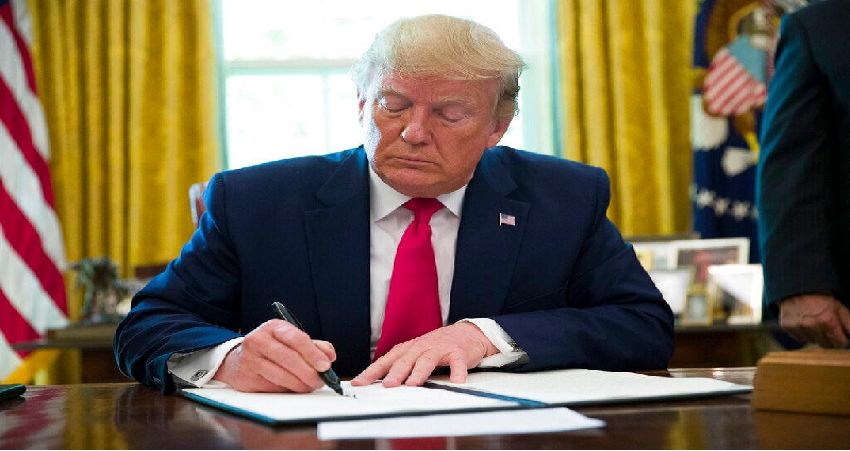

Donald Trump Pledges Pardons for Convicted Jan. 6 Insurrectionists

0

Donald Trump, the U.S. president-elect, has pledged to issue sweeping pardons for many of his supporters convicted or charged in connection with the January 6, 2021, attack on the Capitol.

In a striking declaration during an interview on NBC News’ Meet the Press, Trump painted those imprisoned as victims of a corrupt and broken judicial system, vowing swift action upon taking office. This decision, however, comes amidst a backdrop of heated political debates over presidential pardons, including President Joe Biden’s recent controversial pardon of his son, Hunter Biden, which has drawn sharp criticism from the Right Wing.

Trump confirmed his intent to pardon hundreds of individuals implicated in the Capitol riots on “day one” of his presidency, framing their incarceration as unjust and inhumane.

“They’ve been in there for years, and they’re in a filthy, disgusting place that shouldn’t even be allowed to be open,” Trump said, describing the conditions of their detention. He characterized the legal process as coercive, claiming many pleaded guilty under duress, fearing disproportionately harsh sentences.

“I know the system. The system’s a very corrupt system,” Trump said. “They say to a guy, ‘You’re going to go to jail for two years or for 30 years.’ And these guys are looking, their whole lives have been destroyed. For two years, they’ve been destroyed. But the system is a very nasty system.”

His proposed pardons would encompass a wide range of cases, including those who admitted to attacking law enforcement officers. Trump qualified, however, that he might exclude individuals who were “radical” or “crazy.”

As of now, over 1,500 people have been charged for their roles in the Capitol attack, leading to 1,250 convictions or guilty pleas. Among them, 645 individuals have been sentenced to prison terms ranging from a few days to 22 years. Prominent cases include members of the Proud Boys and Oath Keepers convicted of seditious conspiracy, among others involved in violent and destructive acts.

A Familiar Pattern of Pardons

Trump’s plan to pardon January 6 rioters is not unprecedented. During his first term, Trump exercised his clemency powers liberally, often to benefit allies and individuals with close political or personal ties.

  • Roger Stone, a longtime adviser, was convicted of lying to Congress, obstruction, and witness tampering during the Russia investigation. Trump commuted his sentence in July 2020 before issuing a full pardon later that year.
  • Paul Manafort, Trump’s former campaign chairman, was pardoned in 2020 after being convicted of financial fraud and witness tampering charges stemming from Special Counsel Robert Mueller’s investigation.
  • Michael Flynn, Trump’s former national security adviser, pleaded guilty to lying to the FBI about his contacts with Russia. Trump pardoned Flynn in November 2020.
  • Steve Bannon, a former Trump strategist, was pardoned in 2021 after being charged with defrauding donors in a fundraising campaign to build a U.S.-Mexico border wall.

Trump has been often accused of using the pardon power as a political weapon, rewarding allies and undermining the judiciary. His latest announcement to pardon the January 6 rioters appears consistent with his past use of clemency as a tool to bolster his political base.

Hunter Biden’s Pardon

Trump’s announcement also comes just days after President Joe Biden issued a pardon for his son, Hunter Biden, who had pleaded guilty to federal tax charges. The pardon has sparked significant backlash from Republican lawmakers and conservative commentators, who allege a double standard in the application of justice.

Hunter Biden’s legal troubles, including allegations of tax evasion and false statements regarding a firearm purchase, have been a lightning rod for Republican criticism. GOP leaders argue that the pardon undermines accountability and erodes public trust in the justice system.

“President Biden insisted many times he would never pardon his own son for his serious crimes,” Johnson said on X. “But last night he suddenly granted a ‘Full and Unconditional Pardon’ for any and all offenses that Hunter committed for more than a decade!”

He added, “trust in our justice system has been almost irreparably damaged by the Bidens.”

Right-wing media outlets have drawn parallels between Hunter Biden’s pardon and Trump’s plans, suggesting that both moves politicize the justice system but serve opposing ideological ends.

Trump’s proposed pardons have already drawn condemnation from various quarters. Legal experts warn that such actions could set a dangerous precedent, undermining accountability for acts of political violence.

Rep. Liz Cheney, a former member of the House committee investigating January 6, criticized Trump’s comments as baseless and harmful.

“There is no conceivably appropriate factual or constitutional basis for what Donald Trump is suggesting,” Cheney said. She added that his rhetoric risks further eroding the rule of law and emboldening extremism.

Cheney and other committee members have faced Trump’s ire. He accused them of “destroying evidence” and called for criminal investigations into their actions. Trump specifically singled out Cheney and Rep. Bennie Thompson, the committee’s former chair, alleging they committed “a major crime.”

Trump’s Vision for the DOJ

Trump’s approach to the Department of Justice under his new administration remains contentious. While he expressed grievances against FBI Director Christopher Wray for overseeing the Mar-a-Lago raid, Trump insisted he would allow his appointees—Attorney General pick Pam Bondi and potential FBI Director Kash Patel—to act independently.

Although Trump previously promised to investigate President Biden, he now claims he is “not looking to go back into the past” and will focus on “success” rather than retribution. However, his comments leave open the possibility of politically charged investigations should Bondi and Patel pursue them.

However, the announcement of mass pardons for January 6 rioters, coupled with his history of pardoning allies, suggests Trump is prepared to use executive clemency as a political tool once again. This approach, however, comes with significant risks, including the compounding national divisions, undermining judicial authority, and emboldening individuals who may view political violence as justified.

There Is No Inheritance Tax In Nigeria’s Tax Reform Bills – Taiwo Oyedele

0

Taiwo Oyedele, the Chairman of the Presidential Committee on Fiscal Policy and Tax Reform, has stepped forward to clarify another contentious issue surrounding the proposed tax reform bills being debated in Nigeria’s National Assembly and discussed widely across the nation.

In recent days, reports and speculations have circulated claiming that the tax reform bills include provisions for an inheritance tax—a levy imposed on the wealth or assets bequeathed by deceased individuals to their heirs. However, Oyedele has categorically dismissed these claims as false.

In a statement addressing the controversy, Oyedele emphasized that no provision for inheritance tax exists within the current bills under review. He explained that the misconception likely stems from misinterpretations of the legislative documents or deliberate misinformation aimed at undermining the reforms.

“There is no inheritance tax in the proposed tax reform bills,” Oyedele stated firmly. He added that the purpose of these reforms is to simplify Nigeria’s tax system, make it more equitable, and ensure the government collects revenue efficiently without overburdening individuals or businesses.

The uproar surrounding the alleged inheritance tax underlines a broader concern among Nigerians about the impact of fiscal reforms on personal and business finances. Many citizens and businesses fear that additional taxes could compound the existing economic pressures in a country grappling with inflation, unemployment, and rising living costs.

Many argue that introducing an inheritance tax—if it were true—would disincentivize wealth creation and disproportionately affect families already struggling with generational wealth gaps. However, Oyedele’s clarification seeks to allay these fears, reinforcing that the committee’s goal is to streamline tax policies rather than introduce punitive measures.

According to him, the guiding principles of the reforms include:

  • Simplification of tax laws to make compliance easier.
  • Elimination of multiple taxation.
  • Improving equity by ensuring the tax burden aligns with taxpayers’ ability to pay.
  • Enhancing transparency and accountability in revenue allocation and utilization.

He thus provided an explainer to clarify the issue of inheritance tax.

Question 1: Some people have expressed the view that the tax reform bills seek to impose a tax on inheritance. Is this true?

Answer No 1:  There is no such provision contained in the tax reform bills, either directly or indirectly. The inheritance tax was abolished in Nigeria in 1996 when the Capital Transfer Tax Decree was abrogated.

Question 2: What then is the essence of this provision under section 4(3) of the Nigeria Tax Bill – “Income of a family recognized under any law or custom in Nigeria as family income in which the several interests of individual members of the family cannot be separately determined.”

Answer 2: Inheritance is a one-time wealth transfer as a gift during the lifetime of the giver or at death. Unlike inheritance tax which is applicable once, the family income covered under the tax bills is expected to recur from time to time.

Section 4 of the Nigeria Tax Bill stipulates all incomes that are chargeable to tax. Section 4(3) covers taxable income earned by a family, not their inheritance. This is a standard provision under the imposition of income tax which has always been in our tax laws. Currently, it is provided for under section 2(5) of the Personal Income Tax Act LFN 2004 as amended, viz:

“In the case of income of a family recognized under any law or custom in Nigeria as families income, in which the several interests of individual members of the family are indeterminate or uncertain, tax may be imposed only by the territory in which the member of that family who customarily receives that income in the first instance in Nigeria usually resides.”

Question 3: Why is the provision necessary?

Answer 3: If an individual earns an income, they will be taxed accordingly. Where a group of individuals such as a partnership, community, or family jointly earn a taxable income, they cannot be exempted just because they operate as a group of persons. The income will therefore be taxed in the hands of individual members where their respective shares can be determined otherwise the group will be collectively taxed. This ensures equity and prevents a potential loophole in the tax law.

Visit our website http://fiscalreforms.ng and social media accounts for more information including copies of the tax reform bills.

Persistent Misinformation

This is not the first time Oyedele has had to address misinformation surrounding the reforms. Since the committee’s inception, he has actively used media platforms to clarify details, rebut inaccuracies, and engage with citizens on the committee’s objectives.

In a recent appearance before the National Assembly, Oyedele reiterated that the reforms are designed to promote fairness and simplicity, ensuring that Nigeria’s tax policies align with global best practices while addressing the unique challenges of the local economy.

The tax reform bills form part of a broader initiative by the Nigerian government to overhaul the country’s fiscal policies. These reforms aim to address inefficiencies in revenue collection, reduce tax evasion, and expand the tax net to include the informal sector.

N127 Gain in A Week: CPPE Explains Why the Naira IS Gaining

0

The Nigerian Naira has experienced a significant rebound against the U.S. dollar in recent weeks, a development attributed to improved external reserves and strategic interventions by the Central Bank of Nigeria (CBN).

The Naira appreciated by N127, closing at N1,535 per dollar on Friday, compared to N1,660 at the start of last week.

In a statement issued on Sunday, Muda Yusuf, Director of the Centre for Promotion of Private Enterprise (CPPE), emphasized that a combination of factors, including an increase in Nigeria’s external reserves and reforms in the FX market, has bolstered the currency’s performance.

Yusuf explained that Nigeria’s external reserves recently crossed the $40 billion threshold, which has given the CBN greater leverage to stabilize the market through targeted interventions.

“An improvement in our reserves, reaching $40 billion, implies that the CBN has more power to intervene in the market,” Yusuf said. “In truth, the CBN has been intervening to stabilize the currency.”

Beyond reserve strength, Yusuf noted that the Naira’s appreciation reflects enhanced investor confidence, fueled by the federal government’s fiscal and monetary reforms.

“Now, we are beginning to see a strengthening of the currency, so the level of our reserves has contributed to this as it elevates the confidence of foreign investors,” he added.

The role of the CBN’s recent introduction of the Electronic Foreign Exchange Matching System (EFEMS) has been lauded. Designed to bring transparency and efficiency to Nigeria’s FX market, EFEMS has been touted as a transformative tool for stabilizing the Naira. The initiative aims to eliminate market distortions that have historically plagued Nigeria’s FX ecosystem by matching buyers and sellers of foreign exchange in a more structured and transparent environment.

The system launched as part of the broader FX market reforms initiated in June 2023, has been described as a potential game-changer for Nigeria’s forex market. It represents a shift from the opaque processes that previously characterized the market, which were often criticized for enabling arbitrage and speculative trading.

Under EFEMS, transactions are conducted electronically, with market players gaining access to real-time pricing, fostering greater transparency and accountability.

The CBN has positioned EFEMS as a cornerstone of its efforts to attract autonomous inflows and boost market confidence. According to analysts, the system has already begun to bear fruit, with increased inflows from international money transfer operators and exporters adding to the market’s liquidity.

Yusuf observed that the recent success of the Naira is also linked to reforms in the foreign exchange market that have encouraged inflows from independent sources.

“In the last few months, as a result of reforms in the foreign exchange market, we are seeing a consistent improvement in autonomous foreign exchange inflow in the country, especially from the international money transfer operators,” he noted.

In addition to the rise in reserves and the implementation of EFEMS, Nigeria’s recent success in the international financial market has played a role in bolstering the Naira. Economic experts have highlighted the federal government’s Eurobond issuance, which raised $2.2 billion, as a key contributor to the Naira’s appreciation. This influx of foreign capital has reduced pressure on the FX market and provided a buffer for currency stabilization efforts.

However, other benefits of the naira’s gain are yet to be realized. A stronger currency is expected to alleviate inflationary pressures, particularly by reducing the cost of imported goods and services. It also enhances Nigeria’s attractiveness to foreign investors, who view currency stability as a critical factor in making investment decisions.

There is also concern about sustaining the momentum, which analysts say requires consistent policy implementation and further diversification of the country’s revenue sources. Yusuf cautioned that while the gains are encouraging, they must be built upon through continued reforms and measures to attract foreign exchange inflows.

He indicated that the CBN must continue with reforms and maintain a steady improvement in foreign exchange inflows to sustain this positive trend.

For now, the Naira’s resurgence offers a potential measure of relief for Nigerians facing economic pressures. However, the path to long-term stability will require sustained efforts to ensure that these gains are not only preserved but also amplified to support broader economic growth.

Nigeria’s USSD Transactions Reach N2.19tn in H1 2024, Despite Ongoing Debt Issues

0

According to data from the Central Bank of Nigeria (CBN), Unstructured Supplementary Service Data (USSD) transactions remain a cornerstone for the nation’s financial ecosystem as more Nigerians use the channel to send and receive money.

CBN’s recent electronic payment statistics reveal that between January and June 2024, 252.06 million USSD transactions were conducted, amounting to N2.19 trillion. This figure represents 45.3% of the total value of USSD transactions recorded in 2023 and 40% of the year’s transaction volume.

For context, USSD transactions in 2023 totaled N4.84 trillion across 630.6 million transactions. Also, in 2022, Nigerians processed 515 million USSD transactions. It serves both the financially underserved and served. Initially designed for telecom services like airtime purchases, USSD has become an indispensable tool in Nigeria’s banking sector.  Its offline capabilities make it particularly valuable in advancing financial inclusion by enabling quick, convenient transactions in areas with limited internet connectivity.

However, despite its growing adoption, the USSD payment channel is plagued by unresolved financial challenges. Deposit money banks (DMO) and telecom operators have been at loggerheads since 2019 over the non-remittance of USSD fees. In 2023, Telcos in Nigeria, threatened to withdraw service, stating that banks refused to pay the N200bn owed.

Gbenga Adebayo, Chairman of the Association of Licensed Telecommunications Operators of Nigeria (ALTON), recently criticized banks for profiting from USSD services while failing to settle debts owed to telecom operators. Reports reveal that telecom operators are owed N250 billion for USSD services, a debt that has lingered for six years.

While smaller banks have begun repaying their share, tier-one banks responsible for the bulk of the debt have yet to make significant payments. Adebayo noted that recent repayments, though a step forward, are far from adequate. The unresolved USSD debt remains a significant hurdle. Resolving these financial disputes is critical to maintaining the sustainability of USSD services and fostering the growth of Nigeria’s broader electronic payment landscape.

Notably, alongside the surge in the USSD payment channel, other electronic payment methods have seen remarkable growth in Nigeria. Automated Teller Machine (ATM) transactions reached N12.21 trillion from 496.44 million transactions in the first half of 2024, demonstrating their rising popularity. Similarly, point-of-sale (POS) transactions are gaining traction, underscoring the country’s ongoing transition to a cashless economy. In July 2024, PoS transactions surged to an unprecedented N1.01 trillion, as online transactions grew by 89% YoY.

The Nigerian payment landscape has witnessed a significant transformation in recent years, driven by technological advancements and changing consumer preferences. As electronic payment channels continue to evolve, addressing challenges that affect these systems is crucial to achieving a fully inclusive financial system in Nigeria.