DD
MM
YYYY

PAGES

DD
MM
YYYY

spot_img

PAGES

Home Blog Page 2617

Buying RCOF, PEPE, and BONK Below $1 to Set Investors Up for Generational Wealth Says Top DOGE Trader

0

A top DOGE trader has identified RCO Finance (RCOF), PEPE, and BONK as the best tokens under $1 for building generational wealth. RCOF stands out for its real-world utility and pivotal role in the RCO Finance ecosystem.

It is a strong contender for long-term growth. While PEPE and BONK have shown impressive short-term gains, their volatility makes RCOF the more stable and promising investment choice. Let’s dig deeper.

>>  BUY RCOF NOW <<<

RCO Finance Helps You Trade Smarter with AI Assistance

A top DOGE trader is recommending RCOF if you want to gain generational wealth. He insisted getting RCOF under $1 is the steal of the year as it has real-world utility and plays a vital role in the RCO Finance ecosystem.

RCO Finance allows RCOF holders access to its AI robo advisor and premium analytics only. When you join the RCO Finance platform, the AI robo advisor will create the best investment strategy for you.

If you are a beginner, this strategy will help you set up your portfolio with the assistance of an AI advisor. It also has access to live data from verified sources like Reuters and Bloomberg. Analyzing those data provides precise insights, which helps you make better trades.

RCO Finance has over 120,000 assets available for trading and investing. You can choose asset classes and start investing in its KYC-free platform according to your preference or expertise. You can skip extensive ID verification.

PEPE Chart Signals Breakout Toward $0.000041

PEPE is also the top choice of this DOGE trader. In mid-November, it was trading under $1 at $0.000018. PEPE has grown over 80% in the past month and has pulled back around 18% in the past week.

Analysts say the PEPE price chart has formed a bullish bull flag pattern. The pattern shows a consolidation phase before an upward breakout. Yet, it has resistance near $0.000023.

If a breakout occurs, PEPE will move toward $0.000041. However, increased selling pressure could lead to a decline below $0.000015. Consequently, this DOGE trader believes more in RCOF to generate more return than PEPE.

BONK Hits All-Time High on Upbit Listing

On November 20, BONK was listed on South Korea’s largest crypto exchange, Upbit. This news has pushed BONK to its all-time high of $0.000059. After hitting an all-time high, BONK dropped by 18% and traded around $0.000048 on November 21.

BONK is now one of the leading meme coins on the Solana network, and analysts question whether it can sustain this momentum. However, projections forecast a 252% price increase in the coming three months.

Thus, it is also one of the best coins under $1, which can grow your portfolio. This DOGE trader says that while BONK and PEPE can grow shortly, these meme coins have extreme volatility and advise caution.

RCOF: A Utility-Driven Token Under $1 with 100x Growth Potential

RCOF holds an advantage over BONK and PEPE due to its utility, setting it apart from those meme coins. In stage 3, RCOF is available at just $0.055 per token. It is expected to rise by 40% and reach $0.077 in stage 3.

Projections show that RCOF will be listed at $0.60 in different DEXs. This will offer a 10x to its new investors. Experts predict RCOF can offer up to 100x in the coming bull run. They are also offering a 50% buy bonus to new investors for a limited time.

In addition, its platform is one of the most secure in Web3 spaces, as verified by SolidProof audit. Buy RCOF now while it is still under $1!

For more information about the RCO Finance Presale:

Visit RCO Finance Presale
Join The RCO Finance Community

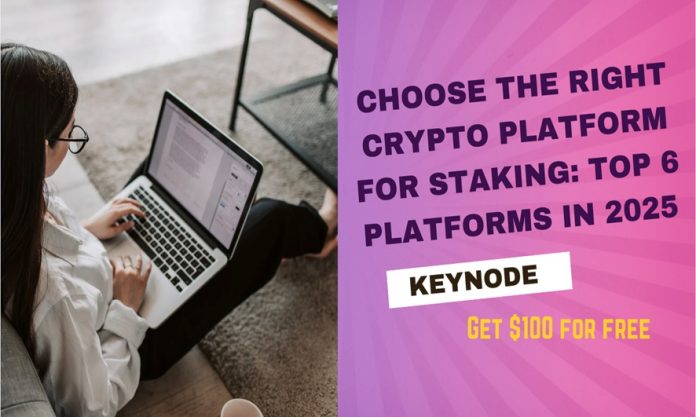
Choose the Right Crypto Platform for Staking: Top 6 Platforms in 2025

0

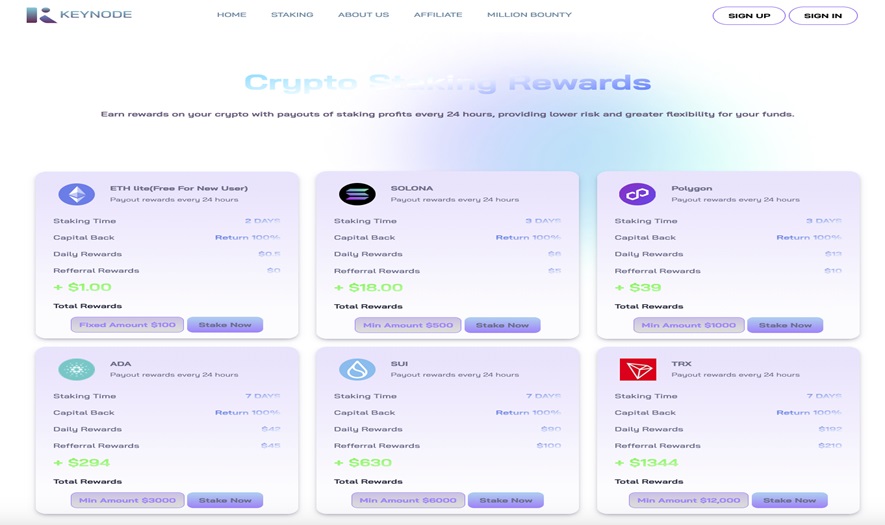
Staking has revolutionized how investors earn passive income in the crypto world. Whether you’re a seasoned investor or a curious beginner, choosing the right platform can make a difference in maximizing returns. We’ve ranked the six best crypto staking platforms in 2024 based on their rewards, security, and user experience. Here’s our list, with Keynode taking the top spot for its exceptional offerings.

  1. Keynode – The Staking Champion

Keynode has cemented its position as the best staking platform in 2024, offering unmatched benefits:

Earn up to 17% APY: Among the highest rates in the industry, perfect for growing your crypto holdings.

Welcome Bonus: New users can kickstart their journey with a $100 bonus upon registering for the ETH Lite Plan.

Why Choose Keynode.net?

Security and Flexibility

At Keynode, the safety of your assets is our top priority. We safeguard your investments by partnering with regulated entities and maintaining top-tier security standards to ensure your funds are always protected. With a wide range of staking plans, Keynode provides the flexibility to tailor your staking strategy to your personal investment goals—whether you’re looking for short-term growth or long-term gains.

Simplicity with 24/7 Support

Users who wish to Stake on Keynode can do so without much difficulty. The user-friendly interface assists in the management of investments with ease and assures returns in no time. And with 24/7 customer support, you’re never alone on your journey.

How to Get Started with Keynode: Simple Steps

Getting started with Keynode.net is easy, even if you have no prior experience with cryptocurrency. 

Step 1: Sign Up– Create your account on Keynode.net in just a few moments.

Step 2: Select an Asset to Stake– Once you’re signed up, browse through the various staking plans available on the platform.


Step 3: Earn Rewards– You will begin earning daily rewards from your staked assets.

Start Your Crypto Journey with a $100 Welcome Bonus at Keynode!

Want to begin your journey into the world of cryptocurrency with a great start? Join now and instantly receive a $100 welcome bonus added to your account! This exclusive offer is the perfect way to begin your crypto adventure, giving you a boost with our ETH Lite Plan.

Keynode Affiliate Program: Earn More by Referring Others

Here’s how our affiliate program works and why it’s a great option for generating extra crypto income:

  1. 4% Referral Commission + Active Users Bonus

When someone signs up using your referral link and makes a purchase, you’ll earn a 4% commission on their order.

  1. No Deposit Required

You can start earning with the Keynode affiliate program immediately no deposit is required to participate.

  1. High Payouts

Keynode offers competitive commissions, with up to 4% referral rewards for each order made by the users you bring in. This makes it a profitable way to leverage your network and earn without limits.

  1. Instant Payments in Crypto

One of the standout features of our affiliate program is instant payouts. As soon as a user you referred makes a purchase, the referral reward is immediately credited to your account in cryptocurrency.

How Does It Work?

Getting started with the Keynode.net affiliate program is simple.

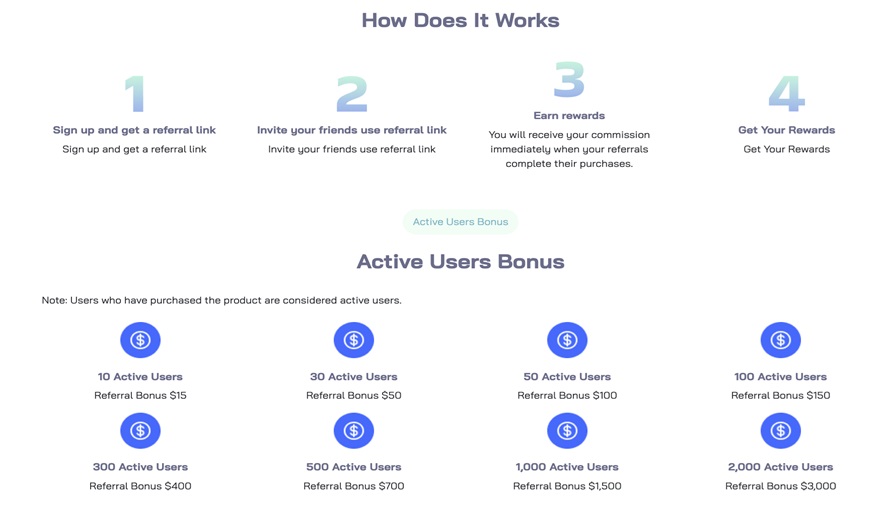
  1. Sign Up and Get a Referral Link- Sign up on Keynode.net and get your unique referral link.
  2. Invite Friends with Your Referral Link- Share your referral link with friends, family, and your network. The more people you invite, the more you can earn!
  3. Earn Rewards- Once your referrals complete their purchases, you’ll receive your 4% commission instantly in crypto. Every purchase will bring more rewards to your account.
  4. Get Your Rewards- Your rewards are paid out automatically without any hassle!

Keynode Active Users Bonus: Boost Your Earnings with Active Referrals

Keynode.net not only offers generous referral commissions through its affiliate program but also rewards you for maintaining a network of active users. The more active users you refer, the bigger your bonus.

  • 10 Active Users: Earn a $15 bonus
  • 30 Active Users: Earn a $50 bonus
  • 50 Active Users: Earn a $100 bonus
  • 100 Active Users: Earn a $150 bonus
  • 300 Active Users: Earn a $400 bonus
  • 500 Active Users: Earn a $700 bonus
  • 1,000 Active Users: Earn a $1,500 bonus
  • 2,000 Active Users: Earn a $3,000 bonus

How It Works

As soon as the users you referred purchase Keynode.net, they will be counted as active users in your affiliate dashboard. These bonuses are in addition to your regular referral commissions, giving you extra income as your network expands. The more users you bring in, the more your bonus increases, with no limits on how much you can earn.

Keynode Million Bounty Program

The Keynode Million Bounty Program offers a great chance for users to earn rewards by promoting the platform and interacting with the cryptocurrency community.

  1. Kraken – Best for Variety

Kraken is well-known for offering a wide range of staking choices:

Global Access: Operates in over 190 countries.

Competitive Rewards: Up to 21% APY for certain tokens.

Flexibility: Easily unstake at any time.

  1. Binance – Ideal for High Liquidity

As one of the most extensive exchanges, Binance provides:

High Liquidity: Instant trades and seamless withdrawals.

Staking Tiers: Get higher rewards for higher staking amounts.

DeFi Staking: Earn through decentralized finance integrations.

  1. Coinbase – Best for Beginners

Coinbase makes staking easy for first-timers:

Regulatory Compliance: Operates under strict U.S. regulations.

Lower Returns: APY ranges from 3–6%, but the platform emphasizes safety.

Automatic Rewards: Earnings are seamlessly credited to your account.

  1. Lido Finance – Leading Decentralized Option

Lido Finance is well-reputed in decentralized staking:

Supports ETH 2.0: A popular choice for Ethereum staking.

Community Driven Governance: Ensures transparency in the process.

  1. eToro – Best for Social Staking

eToro adds a social aspect to staking in cryptocurrencies:

Copy Trader Feature: Mimic strategies of top investors.

User-friendly App: Ideal for staking on the go.

Lower Returns: APY isn’t as high as competitors but remains steady.

Final Thoughts

Staking is more than just a way to earn passive income; it’s a way to actively participate in blockchain networks. That is a very “user friendly” site with great security and exceptional rewards, which makes it the best platform to stake in 2024 – laurels for Keynode.

Take your time in going over these platforms and pick the one that suits your investment objectives most. The right platform can help you make passive income through staking and it won’t be just a season’s wealth.

Nigeria Has Saved $20bn From Fuel Subsidy Removal, Other Reforms – Finance Minister

0

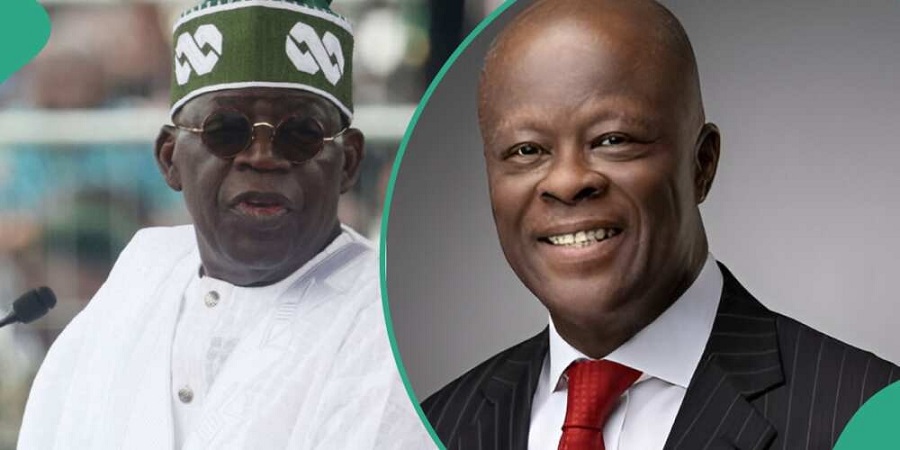
The Minister of Finance and Coordinating Minister of the Economy, Mr. Wale Edun, has disclosed that the Nigerian government has saved approximately $20 billion, equivalent to 5% of the nation’s GDP, due to the implementation of critical reforms in fuel and exchange rate policies.

This achievement resulted from efforts under President Bola Tinubu’s administration to transition to market-based pricing for Premium Motor Spirit (PMS) and the exchange rate. Edun made these remarks during the validation of federal civil service policies in Abuja, marking the first 100 days of Mrs. Esther Didi Walso-Jack as Head of Civil Service of the Federation.

According to him, the savings stemmed from the removal of fuel and foreign exchange subsidies, which previously drained government coffers. Edun highlighted that maintaining these subsidies had cost the country around $20 billion annually, funds that could have been redirected to critical sectors like infrastructure, health, education, and social services. He emphasized that the policy shift has freed up these resources that are now accessible for meaningful investments in national development.

“An amount of five percent of GDP is what those two subsidies were costing when there was a subsidy on PMS; when there was a petroleum product generally for a long time and when there was a subsidy of foreign exchange. Between them, they cost five percent of GDP.

“If you say GDP was on average, let’s say $400 billion. We all know what five percent of that is – $20 billion of funds that could be going into infrastructure, health, social services, and education.

“And that is what the flow is now coming back into government’s coffers to be able to be deployed in those areas,” he said.

End of Rent-Seeking Opportunities

Edun criticized past practices where individuals and entities exploited the subsidy regime and central bank policies for personal enrichment. These rent-seeking activities allowed individuals to profit without adding value to the economy. He commended the reforms for eliminating these avenues, fostering an environment where wealth creation depends on genuine enterprise and innovation.

“The real change that has happened with the measures of Mr. President is that nobody can wake up and their target for the day or for the week or the month or the year is to get access to cheap funding, cheap funding exchange from the central bank, which they can now flip.

“And overnight, they became wealthy from no value added for doing nothing virtually except you know the right people. Similarly, they can no longer try and be part of a new peak, market and very inefficient petrol subsidy regime as a way of making money overnight,” Edun said.

Economic Opportunities in Agriculture and Exports

The Finance Minister urged Nigerians to embrace new economic opportunities presented by the reforms. He pointed to agriculture and manufactured exports as avenues where individuals can thrive.

He said that the relatively weaker naira, while a challenge domestically, enhances competitiveness for exports such as cosmetics and hair extensions to markets like Kenya, Egypt, and South Africa.

Edun advocated for increased productivity, suggesting that heightened agricultural output could ease elevated food prices, while export-driven industries could create jobs and reduce poverty.

While the savings from the reforms and their long-term benefits are expected, the policy changes have brought immediate economic pain. Higher fuel prices and depreciated naira have increased living costs, raising concerns about the reforms’ social impact.

Critics argue that without robust social safety nets, the economic hardship could overshadow the potential gains.

However, Edun remains optimistic. He said, “The incentive framework has shifted from one of rent-seeking to one that rewards innovation, hard work, and enterprise. This change will create jobs, help reduce poverty, and build a resilient economy.”

If $20bn Was Saved, Why Is the Govt. Still Borrowing?

The statement by Edun that the government saved $20 billion from the removal of the fuel subsidy has raised significant questions about the country’s financial trajectory, particularly regarding its continued reliance on borrowing. Many are now questioning why, despite such substantial savings, the government still resorts to domestic and external loans to fund its expenditures.

The removal of the fuel subsidy hailed as a landmark policy by President Bola Tinubu’s administration, was expected to alleviate fiscal strain. The subsidy had long been criticized for benefiting a select few and contributing to economic distortions.

However, despite these proclaimed savings, the government continues to grapple with fiscal deficits that it has relied on borrowing to address. For instance, the Nigerian Senate, on Friday, approved President Bola Tinubu’s request for a fresh N1.77 trillion ($2.2 billion) external loan to partially finance the country’s N9.7 trillion budget deficit for the 2024 fiscal year.

This reliance on borrowing has raised doubts about whether the savings from the subsidy removal are being efficiently utilized or if they are sufficient to address the country’s pressing financial needs.

It is believed that so far, there is no evidence of the gains from the fuel subsidy removal in Nigeria’s economic and infrastructural development. Many are pointing at the country’s fiscal deficit and growing debt as evidence that the subsidy removal is not yielding the promised result.

Tinubu has borrowed $6.45 billion from the World Bank in just 16 months, according to a document on the global lender’s website. The resulting increase in Nigeria’s public debt profile has compounded the burden of debt servicing on the country’s finances.

The Central Bank of Nigeria (CBN) recently reported a staggering $3.58 billion spent on servicing foreign debts in the first nine months of 2024, a 39.77% increase from the $2.56 billion recorded during the same period in 2023.

NNPC Reportedly Directs Oil Marketers to Halt Petrol Import, Buy From Dangote Refinery

0

The Nigerian National Petroleum Company Limited (NNPC) has directed oil marketers to halt petrol imports, counting on the Dangote Refinery to meet the country’s fuel demands.

According to BusinessDay, this mandate was disclosed at a high-level meeting in Abuja, attended by NNPC Group CEO Mele Kyari, representatives of the Major Oil Marketers Association of Nigeria (MOMAN), Depot and Petroleum Products Marketers Association of Nigeria (DAPPMAN), and other key stakeholders.

NNPC declared that all petrol supplies would now hinge on clearance from the Dangote Refinery, which reportedly has the capacity to cater to Nigeria’s fuel needs. This refinery, operational since January 2024, has produced diesel, jet fuel, and other products mainly for international markets.

Recently, it began supplying petrol domestically, adhering to premium quality standards of 10ppm sulfur content, a significant improvement over the 50ppm standard previously dominant in Nigeria.

While the refinery’s capacity is significant, oil marketers have questioned its ability to handle Nigeria’s fluctuating fuel demand reliably. Additionally, marketers raised concerns about the refinery’s payment structure, which requires advance payment—unlike the traditional post-delivery settlement model. This shift could strain the liquidity of smaller players in the downstream sector.

BusinessDay quoted one marketer as saying, “Paying upfront significantly increases financial pressure, especially for businesses with limited capital.”

The quality of Dangote’s fuel has introduced a price differential compared to imported alternatives, which typically have a higher sulfur content (50 ppm). While Dangote’s product aligns with global standards, some marketers have reportedly undercut its prices by sourcing cheaper, lower-quality imports, exacerbating market challenges. Dangote Refinery has accused these activities of distorting the market and even threatened legal action against NNPC for continued fuel imports.

Mele Kyari recently stated that the NNPC had ceased fuel imports and was sourcing products exclusively from domestic refineries. However, this claim faced scrutiny as documents revealed significant fuel importation volumes between October and November 2024.

The NNPC clarified that Kyari’s statement was taken out of context, explaining that while it prioritizes local refineries, importation remains an option when economically viable.

However, the Independent Petroleum Marketers Association of Nigeria (IPMAN), announced earlier this week that it has reached an agreement with Dangote Refinery for fuel supply.

As part of this significant agreement, the refinery will supply 60 million liters of petrol each week to IPMAN. This partnership could see the association receiving up to 240 million liters of petrol monthly.

The Challenge of Crude Oil Supply

While the directive underscores the government’s reliance on the Dangote Refinery to stabilize Nigeria’s fuel supply, a giant obstacle stands in the way. Challenges surrounding crude oil supply to the refinery have cast doubt on the viability of this initiative.

The success of this policy hinges on uninterrupted crude oil supply to the Dangote Refinery. However, The NNPC has struggled to meet its obligations under its stock agreement with the refinery. Dangote Refinery recently disclosed that the NNPC is failing to fulfill its crude oil supply commitments, especially under the much-publicized naira-for-crude agreement.

This arrangement was designed to ensure that the NNPC supplies crude oil to the refinery in exchange for naira payments, a system projected to save Nigeria up to $8 trillion annually. Unfortunately, these supply disruptions have forced the Dangote Refinery to procure crude oil from international markets, including the United States, paying in dollars—a practice that undermines the purpose of the agreement.

The decision to prioritize Dangote Refinery is expected to bolster the naira in the foreign exchange market by reducing the demand for dollars typically needed by importers.

Curbing the dollar demand associated with petrol importation was touted as a way the naira’s performance in the FX market could stabilize. Analysts project that this directive could significantly lower Nigeria’s annual dollar outflows, allowing more resources to be channeled toward other economic priorities.

Stakeholders are expressing concern about the sustainability of the directive, given the refinery’s operational challenges. Market experts worry that inconsistent crude oil supply and the refinery’s financial pressures could disrupt the envisioned stability in Nigeria’s fuel market.

The failure of the naira-for-crude agreement not only threatens Nigeria’s FX goals but also risks destabilizing the refinery’s pricing and distribution plans. If crude oil procurement costs remain high, it may lead to higher petrol prices, further straining consumers already grappling with economic hardship.


Egypt to Launch Card Tokenisation in 2025, Enhancing Digital Payment Security

0

The Central Bank of Egypt (CBE) is set to implement card tokenisation by 2025, marking a pivotal advancement in securing the nation’s digital payment ecosystem.

The CBE has reportedly been actively working on building a robust digital infrastructure since 2016, which contributed to increasing financial inclusion from 27 per cent to 71.5 per cent. This was accompanied by a significant growth in digital payments, with over 65 million electronic payment cards and 47 million mobile wallets currently in circulation.

Tokenisation replaces sensitive card details with unique digital identifiers during transactions, significantly reducing fraud risks and safeguarding consumer data. As Egypt’s digital transactions are projected to surpass EGP 22 trillion by the end of 2024, up from EGP 7 trillion in 2021, the need for robust cybersecurity measures is more critical than ever.

By rendering card details inaccessible to unauthorised entities, tokenisation fosters greater trust in digital payment systems, enabling broader adoption. This initiative reflects global trends in fintech innovation and cybersecurity, where leading card networks such as Mastercard, have committed to implementing tokenisation for all online transactions by 2030, underscoring a global push to minimise fraud risks.

In 2021, there was a record of 1 billion transactions worth 7 trillion Egyptian pounds, and it is expected to reach 6 billion transactions worth 22 trillion pounds by 2024. In 2023, CBE issued regulations for payment card tokenisation to drive digital payments innovation and support the transition to a cashless society.

Regionally, African nations are also prioritising digital payment security. In early 2023, Nigeria’s Central Bank introduced AfriGo, a domestic card scheme aimed at enhancing financial inclusion and reducing reliance on international card networks. These efforts demonstrate a shared commitment across Africa to modernise financial infrastructures and secure the rapidly expanding digital economy. Tokenisation plays a crucial role in ensuring the safety of electronic payments, now a cornerstone of commerce on the continent.

By adopting tokenisation, Egypt is not only bolstering security but also building consumer confidence, vital for driving the adoption of digital payment systems.By
minimizing the risk of data breaches and fraud, tokenization fosters greater trust among consumers, encouraging wider adoption of digital payment methods.

This step aligns with the nation’s broader financial inclusion objectives, making secure and convenient payment options accessible to a larger population. Egypt’s commitment to a safer, more inclusive digital financial ecosystem serves as a model for other countries in the region.

Overall, the CBE’s initiative to implement card tokenization is a strategic move that will significantly bolster Egypt’s digital payment ecosystem, fostering greater security, convenience, and innovation in the country’s financial landscape.