DD
MM
YYYY

PAGES

DD
MM
YYYY

spot_img

PAGES

Home Blog Page 2651

Italy’s Crypto Tax Revision to 28%, A Strategic Move for Economic Growth

0

In a recent turn of events, Italy has made a significant adjustment to its proposed cryptocurrency tax policy. The initial proposal, which suggested a substantial 42% tax on crypto capital gains, has been revised down to a more moderate 28%. This move comes after intense debate and pushback from various stakeholders within the Italian political sphere and the broader crypto community.

The original 42% tax rate was met with widespread concern, as it represented a major increase from the existing 26% rate. Critics argued that such a steep hike could stifle innovation and investment in the burgeoning crypto sector, potentially driving businesses and investors to more tax-friendly jurisdictions. The proposed rate was also out of step with global trends, where many countries are exploring ways to integrate cryptocurrencies into their economies without imposing prohibitive taxes.

The decision to lower the proposed tax rate to 28% reflects a more nuanced approach to crypto taxation, one that seeks to balance the government’s need for revenue with the desire to foster a healthy digital asset market. By opting for a rate closer to the current one, Italy is positioning itself as a country that supports the growth of the crypto industry while ensuring that it contributes its fair share to the national economy.

This policy revision is likely influenced by the broader European Union’s regulatory framework for digital assets, known as the Markets in Crypto-Assets (MiCA). As Italy aligns its national policies with the EU’s standards, it is essential to create a tax environment that encourages innovation and attracts investment, thereby contributing to the overall competitiveness of the EU’s digital economy.

Moreover, the reduction in the proposed tax rate can be seen as a response to the dynamic nature of the crypto market. With the industry’s rapid growth and the increasing adoption of digital assets, governments worldwide are recognizing the need to develop regulatory and tax regimes that are flexible and responsive to market developments.

The Italian government’s willingness to reconsider its stance on crypto taxation after feedback from coalition partners and industry participants demonstrates a commitment to collaborative governance. Such an approach is crucial in navigating the complex and evolving landscape of digital asset regulation.

As the crypto market continues to mature, it is imperative for policymakers to engage with industry experts, businesses, and consumers to craft regulations that support economic growth, innovation, and consumer protection. Italy’s revised crypto tax proposal is a step in the right direction, signaling the country’s readiness to embrace the potential of digital assets while upholding its fiscal responsibilities.

The final details of Italy’s crypto tax policy are still being ironed out, and it remains to be seen how the new rate will be implemented. However, the move to reduce the proposed tax rate is a clear indication that Italy is listening to the voices of the crypto community and is open to adapting its policies to support the industry’s growth. This decision could set a precedent for other countries grappling with the challenge of taxing digital assets in a way that is fair, reasonable, and conducive to economic development.

Moniepoint Pursues Commercial Banking License to Expand Financial Footprint in Nigeria

1

Moniepoint, a leading Nigerian fintech unicorn, is reportedly in talks with the Central Bank of Nigeria (CBN) to secure a commercial banking license, according to sources close to the company.

A commercial banking license would represent a significant step for Moniepoint, underscoring its maturity and willingness to adapt to Nigeria’s evolving regulatory landscape. Given the CBN’s heightened regulatory scrutiny of fintech since December 2023, obtaining this license could position Moniepoint as a stable and compliant payer in Nigeria’s dynamic financial ecosystem

This move is poised to mark a significant milestone in the company’s journey since its inception, strengthening its retail banking operations and expanding its share of Nigeria’s financial services market.

A commercial banking license would enable Moniepoint to do the following:

Broaden its product suite: Offering services like foreign exchange transactions and treasury operations, which have proven to be profitable for established banks.

Expand its geographical reach: Opening physical branches across Nigeria, particularly in areas where traditional banks have limited presence.

Gain a competitive edge: Becoming the first Nigerian fintech to secure a commercial banking license, positioning itself ahead of rivals like OPay.

With a commercial banking license, Moniepoint would also become the first Nigerian fintech to enter this exclusive category, gaining a competitive advantage over other fintech firms like OPay, Palmpay, and Kuda, amongst others.

The company’s rapid growth, particularly in agency banking where other competitors such as Firstmonnie, Paga, and Opay operate, has positioned it as a major player in Nigeria’s fintech industry. Also, its focus on technology and a strong agent network has enabled it to attract a significant customer base, surpassing even some established commercial banks.

As it prepares for the licensing process, Moniepoint has significantly invested in compliance and fraud monitoring. In September 2024, the company introduced a Multi-Factor Authentication, MFA on its mobile and web applications, designed to simplify the payment experience, increase transaction success rates, and significantly enhance security for consumers and businesses. 

Notably, the company has continued to strengthen its board with the hiring of experienced professionals. Earlier this month, Moniepoint hired ex-Stanbic IBTC CFO Bayo Olujobi as CFO of the company.

Moniepoint recent application of commercial banking license if successful, could see the company disrupt the traditional banking landscape in Nigeria. By leveraging technology and a customer-centric approach, the company aims to offer innovative financial solutions and enhance the overall banking experience for Nigerians.

The capital requirement for a regional license is set at $30 million, which is well within Moniepoint’s reach, following its recent $110 million funding round that elevated it to unicorn status. In addition to the financial commitment, Moniepoint will need to meet regulatory infrastructure requirements, including setting up physical branches equipped with strong rooms, loading bays, and banking halls.

If granted, the commercial bank license would allow Moniepoint to bypass the geographical and operational restrictions of its current microfinance bank license, which limits its expansion outside Nigeria’s South-West region and restricts its range of services. 

Early Elections slated to Hold February 23 in Germany after Coalition Falls

0

Germany is poised for an early election on February 23, a significant event precipitated by the recent collapse of the ruling coalition. This development marks a pivotal moment in German politics, as the nation grapples with the implications of a fragmented government and the quest for stability and direction.

The early election, set nearly a month ahead of the initially proposed date, underscores the urgency felt by political leaders to resolve the governmental impasse and address the pressing issues facing the country. The decision, reached after intense negotiations among parliamentary leaders, reflects a consensus on the need for swift action to ensure continuity in governance.

Chancellor Olaf Scholz’s centre-left coalition, which included the Social Democrats (SPD), the Greens, and the Free Democratic Party (FDP), faced mounting challenges that culminated in its dissolution. The departure of the FDP, triggered by disagreements over fiscal policies, left the Chancellor without a majority in the Bundestag and unable to effectively govern.

The upcoming election presents an opportunity for political parties to engage with the electorate and articulate their visions for Germany’s future. It is a chance for the SPD to regain its footing and for the Greens to potentially elevate their influence. Meanwhile, the conservative Christian Democratic Union (CDU), currently leading in the polls, may seek to consolidate its position and steer the country towards a different path.

key issues that are likely to influence the electorate’s decision include:

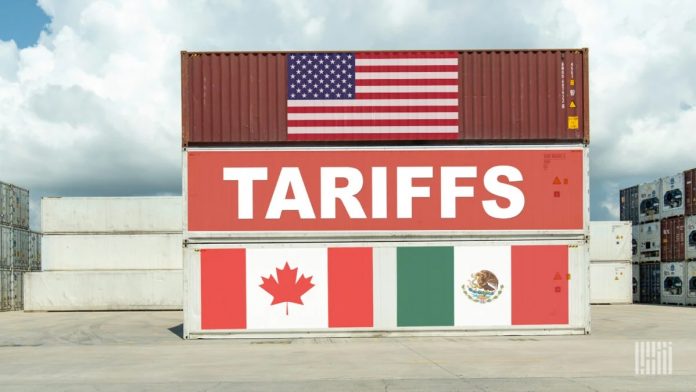
Economic Stability: Amidst manufacturing weaknesses, particularly in the automobile industry, and the looming threat of US tariffs, Germany’s economic resilience is a primary concern for voters.

Climate Policy: Environmental protection and climate change are pivotal issues, with a substantial portion of the electorate considering them crucial in their voting decisions. The debates over climate policy are expected to be intense, reflecting the public’s growing awareness and demand for sustainable action.

Political Integrity: The collapse of Chancellor Olaf Scholz’s coalition has raised questions about political stability and governance. Voters will be looking for a government that can provide both integrity and effective leadership.

EU Relations: Germany’s role within the European Union and its stance on future EU functioning are also significant considerations, especially in light of recent human rights and democracy concerns.

Social Issues: With the world facing numerous social challenges, German voters will be attentive to how the candidates address topics such as healthcare, education, and social security. These issues, among others, will shape the discourse and potentially the outcome of the elections, as Germany seeks a path forward in these complex times.

As Germany navigates this period of political uncertainty, the early election is more than just a procedural necessity; it is a democratic exercise that will shape the nation’s trajectory in the years to come. The outcome will determine Germany’s approach to domestic challenges, its role in the European Union, and its stance on global issues.

The world will be watching as Germany takes to the polls on February 23, anticipating the emergence of a government capable of leading with conviction and foresight. The stakes are high, and the decisions made by German voters will resonate beyond their borders, influencing the course of European politics and international relations.

‘Dinosaur’ thinking in the Blockchain Hospital

0

If you are in web 3 and you find yourself saying ‘people don’t care’, it’s important to be intentional about dropping it from your lexicon

Ethical building helps educate users and ‘shape’ the tech of the future.
This involves developing rational understanding among users about what to care about.
If you think ‘people don’t care’ about something, then it’s important to examine firstly, who is saying ‘people don’t care’ ? and why they are saying it?
What is their dependency on products related to web3? What are they trying to ‘sell’?

All people want the best possible product, but collectively those who ideate, build, and market products, are those who translate qualities like decentralization, security, privacy, speed, endurance and cost, into what ‘best’ is

Saying ‘people don’t care’ , sounds like some folks wanting to get a paycheck for doing stuff that doesn’t even attempt to envision what ‘best’ could be, and is trying to blame an uninformed public for perspectives where they have an ethical duty of shining the ‘light’

In essence, declaring ‘people don’t care’ is an advertisement of self inadequacy, uselessness and failure

Stop saying ‘people don’t care’ as if it is a function of ‘other people’

To be ‘in web3’ is to accept it is a function of YOU and to take the responsibility to be on the positive side of doing something about it

If you are not part of the solution, then you are part of the problem

Remember that data analysis tools are getting stronger all the time, and AI is putting them on steroids

We will all soon be able to analyse online content and see who has been repetitive with such rhetoric

As an advocate of Web3, growing awareness of  qualities like decentralization, security, privacy, and endurance, in addition to speed and cost, is your job. Own it, or find another profession

9ja Cosmos won’t ever hire people that serially pushed the ‘people don’t care’ thesis; They are obstacles to product at its ‘best’. We will probably not be alone

Preview our Sino Amazon/Sinosignia releases (Ente)

Preview our Sino Amazon/Sinosignia releases (Pinterest)

Visit 9ja Cosmos LinkedIn Page

Visit 9ja Cosmos Website

PayPal’s Integration with Layer Zero, Offers New Era for Cryptocurrency Transfers

0

The financial technology landscape is witnessing a significant transformation with PayPal’s recent integration with Layer Zero, enabling seamless transfers between Ethereum and Solana blockchains. This groundbreaking development is set to revolutionize the way users interact with PayPal’s stablecoin, PYUSD, offering unprecedented flexibility and convenience.

PayPal’s USD-pegged stablecoin, PYUSD, has been integrated with Layer Zero’s cross-blockchain bridging protocol, allowing for effortless transfers across the Ethereum and Solana networks. This integration utilizes the Omnichain Fungible Token (OFT) Standard, which empowers users who self-custody their tokens to move assets across blockchains without the need for centralized platforms like PayPal or Venmo.

The move by PayPal is a response to the growing demand for interoperability in the cryptocurrency space. As digital assets continue to gain mainstream acceptance, the need for a seamless transfer mechanism that can operate across different blockchain ecosystems has become increasingly apparent. Layer Zero’s protocol addresses this need by providing a solution that eliminates liquidity fragmentation and ensures fast, secure, and cost-effective transactions.

The integration of PYUSD with Layer Zero is a testament to PayPal’s commitment to expanding the accessibility and functionality of its stablecoin. In August, PYUSD achieved a record market capitalization of $1 billion, with significant circulation on both Solana and Ethereum. However, recent data indicates a decline in PYUSD’s market cap, which this new initiative aims to counteract by enhancing the user experience and boosting overall adoption.

Layer Zero enables secure cross-chain communication without relying on centralized bridges. This reduces the risk of single points of failure, making the system more resilient against attacks and outages. The protocol’s use of Ultra-Light Nodes (ULNs) minimizes resource consumption. This design choice allows Layer Zero to handle high volumes of cross-chain transactions efficiently, making it a scalable solution for growing blockchain ecosystems.

By facilitating cross-chain communication through a decentralized protocol, Layer Zero maintains the ethos of blockchain technology, which is to avoid centralization and retain control within the network of users. Developers can benefit from Layer Zero’s ability to support multiple blockchain communications, which simplifies the process of creating decentralized applications (dApps) that operate across various networks. This eliminates the need for separate integrations for each blockchain, streamlining the development process.

This strategic move is not only a win for PayPal but also for the broader cryptocurrency community. It signifies a step towards a more interconnected and efficient blockchain ecosystem. Users can now enjoy the flexibility of transferring their stablecoin holdings between two of the most prominent blockchains, tapping into the unique advantages each network offers.

For Ethereum, known for its robust smart contract capabilities and widespread adoption, this means an influx of new users and potential use cases. On the other hand, Solana, recognized for its high throughput and low transaction costs, could see increased liquidity and broader utility of its platform.

The implications of this integration extend beyond the technical realm. It represents a shift in the financial paradigm, where traditional financial institutions are increasingly embracing the potential of blockchain technology. By leveraging Layer Zero’s protocol, PayPal is positioning itself at the forefront of this shift, ready to cater to a new generation of users who demand greater control and flexibility over their digital assets.