DD
MM
YYYY

PAGES

DD
MM
YYYY

spot_img

PAGES

Home Blog Page 2653

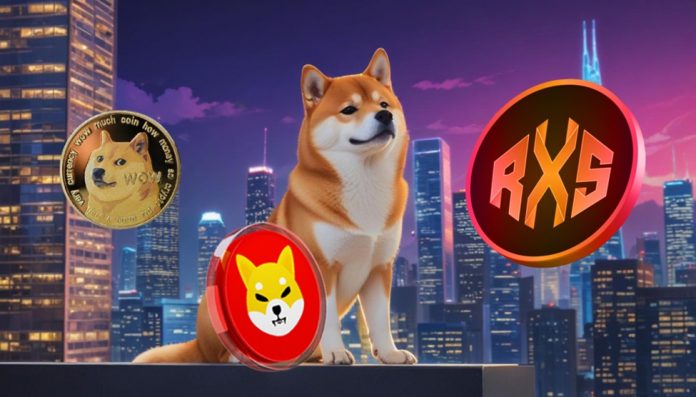
Certik-Audited Rexas Finance (RXS) Looks Ripe for a 37X Run, Shiba Inu (SHIB) and Dogecoin (DOGE) Also Bullish with a 7-10X Rally in the Cards

0

Certik-audited Rexas Finance (RXS) is catching significant attention as analysts forecast a potential 37X surge, making it a standout in the altcoin landscape. Positioned as a leader in tokenizing real-world assets, RXS is gaining traction, fueled by its strong fundamentals and growing community. Meanwhile, popular meme coins like Shiba Inu (SHIB) and Dogecoin (DOGE) are also entering a bullish phase, with projected rallies of 7-10X on the horizon. This dynamic sets the stage for a compelling market cycle, as both established and emerging tokens vie for impressive gains.

Certik-Audited Rexas Finance (RXS) Looks Ripe for a 37X Run

Certain-audited Rexas Finance (RXS) is a blockchain-based project developed to facilitate the tokenization of real-world assets. The Rexas ecosystem provides tools to tokenize, invest, and manage assets like real estate, and other valuable assets, providing blockchain tech for transparency and efficiency.

Rexas Token Builder enables crypto users to tokenize their real-world assets, making it convenient for any crypto users to digitize their property or other valuable assets. In addition, Rexas Finance enables access to crypto investors around the globe, providing new opportunities in markets that have been difficult to step in

Rexas Launchpad helps asset owners to raise funds to tokenize their assets. In addition, it provides a new source of liquidity and funding, specifically in industries such as real estate and commodities, which are mainly capital-intensive.

Rexas Estate: Crypto investors can co-own real estate properties via tokenization and earn passive income in stablecoins, making real estate investment accessible to a huge range of audiences.

Rexas GenAI & DeFi: Rexas GenAI enables artists to create unique digital art and tokenize it as NFTs, while Rexas DeFi provides decentralized crypto trading and swapping over many networks, making the platform versatile for different user needs.

Even more, the RXS token is an ERC-20 token on the Ethereum network which governs the Rexas Finance ecosystem. With a total supply of 1B RXS tokens, RXS users will have a say in platform governance, enabling a key development. Rexas Finance began the presale of the native token RXS on September 8, 2024. Rexas project has raised over $6.5M until now, with 80% of the fifth stage of presale over. This presale event is important for the platform as it allows early investors to engage in what might turn into a revolutionary solution for RWA tokenization.

About Rexas Finance (RXS)

Rexas Finance is the user’s gateway to the future of asset management. Rexas allows users to own or tokenize virtually any real-world asset, from real estate and art to commodities and intellectual property worldwide. With Rexas, users gain access to a world where asset liquidity and investment choices are boundless.

For more information about Rexas Finance (RXS) visit the links below:

Website: https://rexas.com

Win $1 Million Giveaway: https://bit.ly/Rexas1M

Whitepaper: https://rexas.com/rexas-whitepaper.pdf

Twitter/X: https://x.com/rexasfinance

Telegram: https://t.me/rexasfinance

Phantom Wallet Enters Top 10 Utility Apps on iOS App Store

0

Phantom Wallet, a crypto wallet application, has recently made headlines by entering the top 10 utility apps in the iOS App Store, marking a significant milestone in the adoption of cryptocurrency by mainstream users. Phantom Wallet’s ascent to the top charts is not just a testament to its growing popularity but also reflects the increasing interest in cryptocurrencies and decentralized finance (DeFi). The app’s user-friendly interface, coupled with robust security measures, has resonated with iPhone users, propelling it to become one of the most downloaded utility apps.

The wallet’s success can be attributed to several key features that cater to the needs of both novice and experienced crypto enthusiasts. Phantom Wallet offers instant transactions with super low fees, a sleek interface for managing NFTs and tokens, and a built-in browser to access various DeFi platforms. These features have not only simplified the crypto experience but have also enhanced the overall utility of the wallet.

Phantom Wallet prioritizes user security by offering a self-custodial setup, ensuring that users have complete control over their funds without compromising privacy. No personal information such as name, email, or phone number is required to use the wallet. The wallet is equipped with scam detection capabilities that flag potentially malicious transactions instantly, adding an extra layer of protection for users.

For those seeking an additional security measure, Phantom Wallet allows users to connect their Ledger hardware wallets, providing an extra safeguard for their crypto assets. A notable innovation is the seedless wallet feature, which simplifies the process of setting up a new wallet. Users can create a wallet using their Google or Apple account and secure it with a 4-digit PIN, eliminating the need for a Secret Recovery Phrase.

Phantom Wallet facilitates in-app token swaps and provides a fiat on-ramp, making it easier for users to exchange tokens and purchase cryptocurrencies directly within the app. The wallet offers a sleek interface for managing Non-Fungible Tokens (NFTs), allowing users to view and transact NFTs with ease. Users can actively participate in the Solana network by staking their SOL tokens through Phantom Wallet, contributing to the network’s security and earning rewards in the process.

Moreover, Phantom Wallet’s rise in the App Store rankings coincides with the growing adoption of the Solana blockchain, on which the wallet is based. Solana’s increasing popularity due to its high throughput and low transaction costs has undoubtedly contributed to Phantom Wallet’s success. The wallet’s integration with Solana allows users to seamlessly interact with the blockchain’s ecosystem, further driving its appeal.

The significance of Phantom Wallet’s achievement extends beyond the crypto community. It signals a shift in the public’s perception of cryptocurrency, indicating a readiness to embrace digital assets as a part of everyday life. As more users download and engage with the app, it fosters a more inclusive and accessible crypto environment.

Phantom Wallet’s entry into the top 10 utility apps is a bullish sign for the crypto market. It demonstrates the potential for crypto wallets to become as commonplace as traditional banking apps, bridging the gap between the traditional financial system and the burgeoning world of digital currencies. As the crypto landscape continues to evolve, the success of apps like Phantom Wallet will likely play a pivotal role in shaping the future of finance. With its user-centric design and commitment to security, Phantom Wallet is well-positioned to lead the charge in the mass adoption of cryptocurrencies.

South Korea Opens an Investigation into Upbit for KYC Violations

0

South Korea has intensified its regulatory oversight, particularly concerning Know Your Customer (KYC) compliance. Recent reports have emerged that Upbit, South Korea’s largest crypto exchange, is currently under investigation for potential KYC violations. This scrutiny comes at a critical juncture as the exchange seeks to renew its operating license.

KYC regulations are a cornerstone of the financial sector, designed to prevent money laundering and other illicit activities by verifying the identity of customers. The importance of these regulations cannot be overstated, especially in the burgeoning and often volatile crypto market. The South Korean Financial Intelligence Unit (FIU) has identified a substantial number of accounts on Upbit that were allegedly approved without proper identification verification, with estimates ranging between 500,000 to 600,000 potential violations.

The implications of these alleged violations are far-reaching. Not only could Upbit face significant fines—potentially up to 100 million won (approximately $71,740) per violation—but the exchange’s efforts to renew its operating license could also be jeopardized. The scale of the suspected breaches has raised concerns about the potential for money laundering and the integrity of the exchange’s verification processes.

The current investigation underscores the South Korean government’s commitment to enforcing stringent regulatory standards within its financial ecosystem. It also highlights the challenges that crypto exchanges face in balancing the need for rapid growth and customer acquisition with the imperative of adhering to compliance protocols.

As the fifth-ranked exchange on CoinMarketCap, Upbit’s trading activity is substantial, with over $7.7 billion processed in trades within the last 24 hours and exceeding $48.2 billion in total transactions for October alone. This level of activity places a spotlight on the exchange’s operational practices and the necessity for robust compliance measures.

The potential consequences for Upbit in the wake of the investigation into KYC violations could be significant and multifaceted. Firstly, the exchange could face substantial financial penalties. South Korean regulations allow for fines up to 100 million won per violation, which could amount to a hefty sum given the reported number of accounts involved.

Secondly, there’s the matter of Upbit’s operating license. The investigation’s findings could influence the decision on whether to renew this license, which is crucial for the exchange’s continued operation in South Korea. A non-renewal or revocation of the license would have serious implications for Upbit’s business in one of its key markets.

Thirdly, the exchange’s reputation could suffer. Trust is a critical component in the financial sector, and allegations of KYC violations could lead to a loss of confidence among users and partners. This could result in a decrease in the number of active users and a reduction in trading volume, ultimately affecting Upbit’s market position.

Lastly, there could be broader implications for the cryptocurrency industry, especially in South Korea. This investigation might prompt tighter regulations and increased scrutiny on other exchanges, potentially leading to a more restrictive environment for crypto trading in the country.

The outcome of this investigation will not only affect Upbit’s future but could also set a precedent for regulatory expectations within the crypto industry. It serves as a reminder to all digital asset operators of the critical importance of KYC compliance and the potential consequences of lapses in this area.

For the broader crypto community and stakeholders, this situation is a pivotal moment that could influence the trajectory of regulatory policies and the operational standards of crypto exchanges globally. As the industry continues to evolve, the balance between innovation and regulation remains a key factor in shaping its sustainable growth and public trust.

The Resurgence of the Crypto Market to $3 Trillion 

0

The cryptocurrency market has once again reached a significant milestone, surpassing the $3 trillion market cap, a feat last achieved in 2021. This resurgence in value can be attributed to a confluence of factors, including macroeconomic decisions, institutional interest, and significant political events.

One of the most notable political events that have had a profound impact on the market is the recent U.S. presidential election, where Donald Trump’s victory has been associated with a positive sentiment in the crypto space. The market responded swiftly to the election results, with Bitcoin’s price surging to $88,904 and Ethereum’s to $3,340, reflecting a broader market optimism.

The “Trump Effect” on the crypto market is not just about the immediate price surge; it’s also about the potential long-term implications for the industry. Trump’s previous tenure as president was marked by a regulatory environment that many considered unfriendly to cryptocurrencies. However, his re-election has sparked speculation about a more favorable stance towards digital assets, possibly influenced by pro-crypto candidates in the House of Representatives.

Institutional FOMO (Fear of Missing Out) has also played a significant role in the market’s growth. With interest rate cuts in the US and the UK, institutions are increasingly looking at cryptocurrencies as a viable investment option. This shift in perception is evident in the trading volumes, which saw a significant boost, climbing to $329 billion.

This week, the cryptocurrency market witnessed a significant surge as Bitcoin soared by 16%, reaching a high of $93.4k. This remarkable performance has not only turned heads but also sparked a wave of optimism among investors and enthusiasts alike, but Ethereum’s recent performance has showcased a remarkable level of resilience. Overcoming significant barriers, Ethereum has not only surpassed the $3000 threshold but has also sustained its position above this level, indicating a strong market confidence in its long-term value and stability.

Bitcoin, in particular, has shown an impressive resilience and an ability to bounce back, even when the market trends suggest otherwise. This week’s gain is a testament to the growing confidence in Bitcoin’s long-term value and its acceptance as a legitimate asset class. The reasons behind this surge could be manifold, ranging from geopolitical shifts to institutional investments or even technological advancements within the blockchain ecosystem. Whatever the cause, the outcome is undeniable: Bitcoin continues to cement its position as the leading cryptocurrency, with a market behavior that keeps investors on their toes.

The recent market behavior suggests that investors are looking at Ethereum as a long-term investment rather than a short-term speculative asset. This shift in perception is crucial for the overall stability and growth of the cryptocurrency market. Ethereum’s resilience is paving the way for a new era in digital finance, where cryptocurrencies are not just seen as an investment but also as a foundational technology for future innovations.

The crypto market’s growth is not solely reliant on Bitcoin and Ethereum. Other major cryptocurrencies, such as Dogecoin, Ripple XRP, Binance Coin (BNB), and Solana, have also shown strong performances. This diversified growth indicates a maturing market that is less dependent on a single asset and more resilient to volatility. The current bullish trend in the crypto market is a testament to the industry’s resilience and its ability to capitalize on global events. As the market continues to evolve, it will be interesting to see how political developments and economic policies further shape its trajectory.

ESC 2024: Engr Wole Ogunsanya Advocates Localization and Sustainability in Africa’s Energy Sector

0

The Energy Sustainability Conference (ESC) 2024 held at Eko Hotel, Lagos on the 14th and 15th of November 2024 concluded with a resounding call for a balanced approach to energy security and sustainability. Organized by the Energy Institute in partnership with the Nigerian Association of Petroleum Explorationists (NAPE) and sponsored by Geoplex Drillteq Limited, the two-day event brought together experts, investors, and enthusiasts to deliberate on the critical theme; ”Balancing energy security with sustainability in Africa”.

On the second day, Engineer Wole Ogunsanya, Chairman of the Petroleum Technology Association of Nigeria (PETAN) and CEO of Geoplex Drillteq Limited, delivered an impassioned keynote address emphasizing the pivotal role of localizing the energy value chain to drive economic growth and innovation in Nigeria.

A Vision for Localized Value Chains and Public-Private Partnerships

Engr. Ogunsanya highlighted PETAN’s groundbreaking partnership with the Abia State Government as a model for public-private collaboration. This initiative, he explained, involves establishing a marginal field with the state as a minority stakeholder. PETAN has structured the project to maximize value for local communities while ensuring cost-efficiency. “We own the equipment, which allows us to subsidize costs and maximize cash flow,” Ogunsanya remarked. The project aims to stimulate local economies by allocating 75% ownership to the state and its indigenes.

Ogunsanya underlined the transformative potential of these partnerships, noting that localized stakes in oil production can inspire community ownership, reduce pipeline vandalism, and improve security. “When communities directly benefit from the resources flowing through their lands, they become the first line of defense against disruptions,” he added.

PETAN Seal of Quality: Driving Local Excellence

PETAN’s efforts to enhance local content extend beyond oil production. Ogunsanya announced the establishment of the PETAN Seal of Quality, developed in collaboration with NCDMB and Bureau Veritas. This initiative aims to equip local service providers with the tools and expertise needed to meet global standards. “We are training and supporting local companies to maintain their equipment and manage their operations efficiently,” he said.

Such capacity-building measures, Ogunsanya emphasized, are crucial for fostering innovation and ensuring the sustainability of Nigeria’s oil and gas industry. He pointed out that local startups and MSMEs are poised to play a significant role in energy decentralization, particularly through modular refineries, mini-grids, and solar home systems.

Financing the Transition to Sustainability

Ogunsanya’s address also touched on innovative financing mechanisms essential for the energy transition. He called for green finance initiatives, such as low-interest loans and subsidies, to reduce capital costs for renewable energy projects. He also advocated for leveraging African energy banks to mobilize the capital required for local infrastructure development.

“The oil and gas sector remains a stimulant for Nigeria’s economy,” Ogunsanya noted, “but we must integrate local companies across exploration, extraction, refining, and ancillary services like logistics and safety.” This approach, he argued, will create a self-reliant and sustainable energy ecosystem.

Decentralization and Energy Access

Decentralizing energy production emerged as a key theme in Ogunsanya’s address. He championed localized power generation and distribution networks, which can alleviate pressure on the national grid and reduce transmission losses. He cited examples such as small-scale distribution companies dedicated to specific regions, which can improve service delivery and reliability.

A Sustainable Future Built on Local Content

In his closing remarks, Ogunsanya emphasized the need for Nigeria to harness its oil and gas resources as a catalyst for broader economic diversification and energy transition. He urged stakeholders to focus on keeping value within the country, which he argued would double Nigeria’s GDP within five years. “The multiplier effect of localizing our energy value chain cannot be overstated,” he said. “It creates jobs, empowers our economy, and sets the foundation for a sustainable future.”

Ogunsanya concluded by reaffirming PETAN’s commitment to supporting Nigeria’s journey toward an energy mix that balances traditional oil and gas with renewables. “The future of Nigeria’s energy sector lies in our ability to innovate, localize, and transition sustainably. Together, we can achieve this vision.”