DD
MM
YYYY

PAGES

DD
MM
YYYY

spot_img

PAGES

Home Blog Page 2680

ESC 2024: Engr Wole Ogunsanya Advocates Localization and Sustainability in Africa’s Energy Sector

0

The Energy Sustainability Conference (ESC) 2024 held at Eko Hotel, Lagos on the 14th and 15th of November 2024 concluded with a resounding call for a balanced approach to energy security and sustainability. Organized by the Energy Institute in partnership with the Nigerian Association of Petroleum Explorationists (NAPE) and sponsored by Geoplex Drillteq Limited, the two-day event brought together experts, investors, and enthusiasts to deliberate on the critical theme; ”Balancing energy security with sustainability in Africa”.

On the second day, Engineer Wole Ogunsanya, Chairman of the Petroleum Technology Association of Nigeria (PETAN) and CEO of Geoplex Drillteq Limited, delivered an impassioned keynote address emphasizing the pivotal role of localizing the energy value chain to drive economic growth and innovation in Nigeria.

A Vision for Localized Value Chains and Public-Private Partnerships

Engr. Ogunsanya highlighted PETAN’s groundbreaking partnership with the Abia State Government as a model for public-private collaboration. This initiative, he explained, involves establishing a marginal field with the state as a minority stakeholder. PETAN has structured the project to maximize value for local communities while ensuring cost-efficiency. “We own the equipment, which allows us to subsidize costs and maximize cash flow,” Ogunsanya remarked. The project aims to stimulate local economies by allocating 75% ownership to the state and its indigenes.

Ogunsanya underlined the transformative potential of these partnerships, noting that localized stakes in oil production can inspire community ownership, reduce pipeline vandalism, and improve security. “When communities directly benefit from the resources flowing through their lands, they become the first line of defense against disruptions,” he added.

PETAN Seal of Quality: Driving Local Excellence

PETAN’s efforts to enhance local content extend beyond oil production. Ogunsanya announced the establishment of the PETAN Seal of Quality, developed in collaboration with NCDMB and Bureau Veritas. This initiative aims to equip local service providers with the tools and expertise needed to meet global standards. “We are training and supporting local companies to maintain their equipment and manage their operations efficiently,” he said.

Such capacity-building measures, Ogunsanya emphasized, are crucial for fostering innovation and ensuring the sustainability of Nigeria’s oil and gas industry. He pointed out that local startups and MSMEs are poised to play a significant role in energy decentralization, particularly through modular refineries, mini-grids, and solar home systems.

Financing the Transition to Sustainability

Ogunsanya’s address also touched on innovative financing mechanisms essential for the energy transition. He called for green finance initiatives, such as low-interest loans and subsidies, to reduce capital costs for renewable energy projects. He also advocated for leveraging African energy banks to mobilize the capital required for local infrastructure development.

“The oil and gas sector remains a stimulant for Nigeria’s economy,” Ogunsanya noted, “but we must integrate local companies across exploration, extraction, refining, and ancillary services like logistics and safety.” This approach, he argued, will create a self-reliant and sustainable energy ecosystem.

Decentralization and Energy Access

Decentralizing energy production emerged as a key theme in Ogunsanya’s address. He championed localized power generation and distribution networks, which can alleviate pressure on the national grid and reduce transmission losses. He cited examples such as small-scale distribution companies dedicated to specific regions, which can improve service delivery and reliability.

A Sustainable Future Built on Local Content

In his closing remarks, Ogunsanya emphasized the need for Nigeria to harness its oil and gas resources as a catalyst for broader economic diversification and energy transition. He urged stakeholders to focus on keeping value within the country, which he argued would double Nigeria’s GDP within five years. “The multiplier effect of localizing our energy value chain cannot be overstated,” he said. “It creates jobs, empowers our economy, and sets the foundation for a sustainable future.”

Ogunsanya concluded by reaffirming PETAN’s commitment to supporting Nigeria’s journey toward an energy mix that balances traditional oil and gas with renewables. “The future of Nigeria’s energy sector lies in our ability to innovate, localize, and transition sustainably. Together, we can achieve this vision.”
GTBank’s Tech Upgrade Crisis: Digital Divide or Class Struggle?

0

In a world increasingly driven by digital technology, the banking sector has emerged as a critical player in shaping economic access and mobility. The recent saga involving GTBank’s prolonged system upgrade offers a fascinating lens into the underlying dynamics of digital transformation, particularly through the framework of political economy and class struggle. It exposes how technological disruptions, far from being mere technical glitches, often exacerbate existing socio-economic inequalities and reflect deeper systemic issues.

The promise of digital banking and the reality of disruption

GTBank, a leading financial institution in Nigeria, embarked on a comprehensive system upgrade with the promise of enhanced service delivery, seamless transactions, and improved user experience. Yet, instead of a smooth transition, the upgrade led to widespread service disruptions. For weeks, customers struggled with failed transactions, prolonged downtimes, and unreliable digital services. Headlines such as “GTBank Delays Reopening as Core Banking System Upgrade Takes Longer Than Expected” and “Customers on Edge as GTBank’s Transaction Glitch Enters Second Week” encapsulate the frustrations of millions of Nigerians dependent on the bank’s services.

The impact of these disruptions went beyond mere inconvenience; it highlighted a fundamental class divide. For the financially privileged, these issues may have been a temporary stumbling block, easily navigable with alternative banking options and multiple accounts. However, for the vast majority of working-class and less-privileged Nigerians, GTBank’s system failure meant being cut off from their only source of financial access, unable to make payments, withdraw cash, or conduct essential transactions. This digital divide points out how technology when poorly implemented, can deepen existing class disparities.

Who bears the cost?

In examining this crisis through a political economy lens, it is essential to ask: Who truly benefits from these digital transformations, and who pays the price when things go wrong?

GTBank’s core banking system upgrade was likely driven by a desire to enhance operational efficiency and reduce long-term costs. Such technological investments are typically framed as necessary for staying competitive in an increasingly digital economy. However, these upgrades often prioritize the interests of the bank’s shareholders and executives—those at the top of the economic hierarchy—over the needs of the everyday customers who depend on reliable financial services for their livelihood.

The narrative of digital transformation as a panacea for service delivery problems masks the reality that these upgrades frequently come at the expense of ordinary users. The working class, who form the bulk of GTBank’s customer base, bore the brunt of the disruption. Small business owners, market traders, and low-income earners who rely on digital payments for daily operations found themselves stranded. The inability to access their funds revealed a broader issue: the lack of contingency planning that takes into account the vulnerabilities of this demographic.

Financial exclusion and structural inequality

The disruptions also exposed the power imbalance between financial institutions and their customers. GTBank’s persistent issues led to calls for intervention, with headlines like “Bank Customers Call for Urgent Intervention in Consistent Network Failures.” The Central Bank of Nigeria (CBN) eventually stepped in, suggesting measures to address the ongoing problems. Yet, the slow response highlights the lack of regulatory mechanisms that prioritize the needs of ordinary citizens over the interests of powerful banking institutions.

The political economy perspective reveals that the digital transformation agenda, as pursued by GTBank, aligns with a broader neoliberal economic strategy that emphasizes market efficiency and profit maximization. This strategy often sidelines the concerns of the working class and less privileged Nigerians, who become collateral damage in the pursuit of technological innovation. The digital divide, exacerbated by network failures, becomes a site of class struggle where the economically disadvantaged are left to fend for themselves while the financial elite, insulated from the fallout, continue to reap the benefits.

Telecom providers and the politics of blame

The crisis also brought to the fore the interplay between the financial and telecom sectors, both crucial players in Nigeria’s digital economy. In an unusual move, service providers like Swift Networks and Spectranet issued warnings against using GTBank’s digital platforms for payments, citing the persistent issues as a major risk for their customers. This public distancing indicates the fragility of the interconnected digital ecosystem and the reluctance of corporate entities to assume responsibility when failures occur.

The political economy framework helps us understand this as a strategic move within a broader class struggle. Telecom companies, operating within the same market-driven paradigm, are quick to deflect blame to safeguard their reputations and maintain customer trust. This deflection shifts the burden back onto the consumer, who is left navigating a fractured digital landscape with limited recourse.

 Digital transformation as a double-edged sword

GTBank’s system upgrade and its subsequent fallout serve as a microcosm of the broader challenges facing digital transformation in developing economies. On the one hand, technological advancements promise increased access, efficiency, and financial inclusion. On the other hand, when these projects are implemented without robust contingency planning and a clear understanding of the socio-economic landscape, they risk entrenching existing inequalities.

For financial institutions, the lesson is clear: Digital transformation cannot be pursued solely as a cost-saving or efficiency-enhancing measure. It must be grounded in an inclusive framework that considers the needs of all stakeholders, particularly those at the margins of the economy. This requires a shift from the current profit-driven model to one that places equal emphasis on social responsibility and equitable access.

From a regulatory perspective, the Central Bank of Nigeria and other financial oversight bodies must adopt a proactive stance. They need to ensure that banks like GTBank implement robust risk management strategies that protect the interests of customers, who are most vulnerable to service disruptions. Regulatory interventions should prioritize consumer protection and enforce stricter guidelines for digital banking rollouts to prevent future crises.

Towards an inclusive digital economy

As Nigeria continues to embrace technological innovation, policymakers and financial institutions must be mindful of the underlying socio-economic dynamics. Digital upgrades should not become tools of exclusion but rather enablers of broad-based growth that uplift the entire populace. Achieving this requires a fundamental rethinking of the political economy of digital transformation, centering the voices of the marginalized and ensuring that progress benefits all, not just the privileged few.

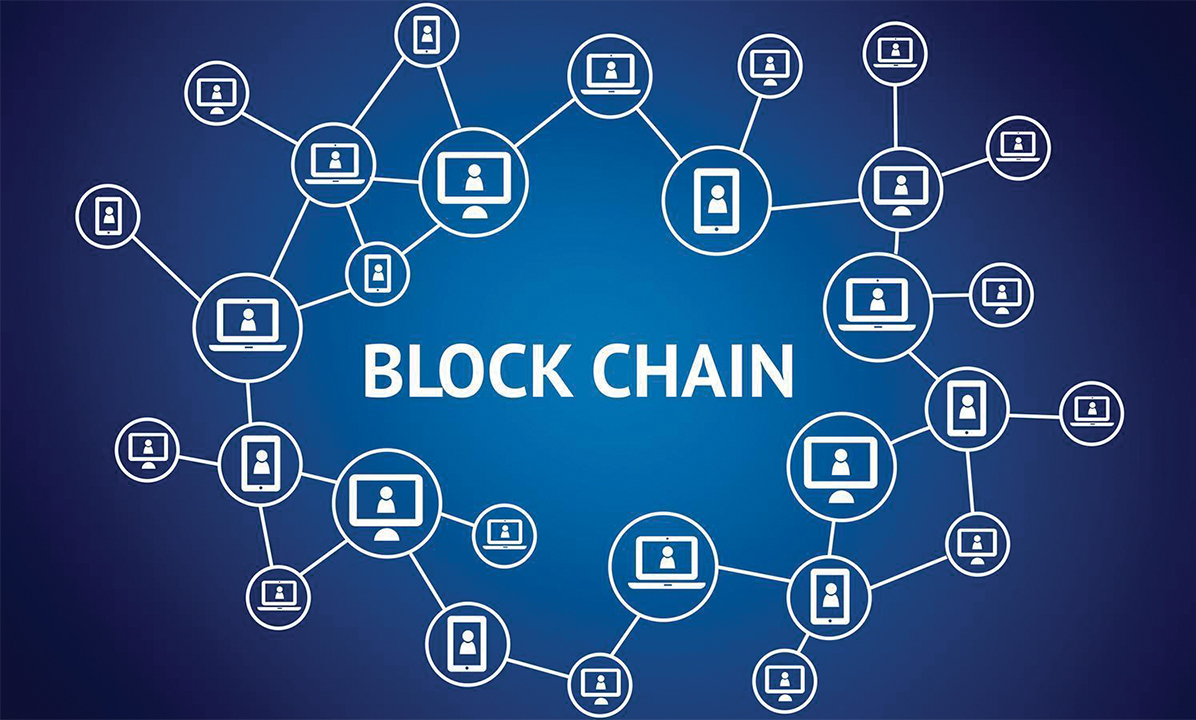
Tekedia Weekend Blockchain Summary

0

Goldman Sachs, the venerable investment banking giant, has disclosed a substantial $710 million investment in Bitcoin ETFs. This revelation, detailed in a recent SEC filing, marks a significant shift in the bank’s approach to cryptocurrency, an asset class it once regarded with skepticism.

The investment bank’s foray into Bitcoin ETFs is not just a mere financial maneuver but a strong signal of the evolving perspective within the traditional financial institutions towards digital assets. The disclosed amount is spread across various Bitcoin ETFs, with a notable $461 million invested in BlackRock’s iShares Bitcoin Trust ETF (IBIT). This strategic allocation represents a 71% increase from their previous quarter, highlighting a growing confidence in the potential of Bitcoin as an investment vehicle.

Goldman Sachs’ journey into the realm of cryptocurrency ETFs began in the second quarter of 2024, with an initial purchase worth $418 million. Since then, the bank has diversified its portfolio, which now includes significant holdings in Fidelity’s Wise Origin Bitcoin Fund and the Grayscale Bitcoin Trust ETF, among others.

The bank’s pivot towards Bitcoin ETFs is particularly noteworthy given its historical stance on cryptocurrencies. As recently as 2020, Goldman Sachs dismissed Bitcoin and its counterparts as “not a suitable investment” for its clients. However, the recent bull market and the burgeoning interest in digital assets seem to have altered the bank’s investment strategy.

This change of heart from Goldman Sachs could potentially influence other financial institutions to reevaluate their positions on cryptocurrency investments. It also underscores the growing acceptance of Bitcoin and other digital currencies as legitimate components of a diversified investment portfolio.

Interestingly, 18 states in the USA have united to file a lawsuit against the Securities and Exchange Commission (SEC) and its Chair, Gary Gensler. The crux of the lawsuit is an accusation of unconstitutional overreach and unfair prosecution within the burgeoning crypto industry. This collective action by the states represents a significant pushback against what they perceive as the SEC’s expansive interpretation of its regulatory authority.

The states argue that the SEC’s enforcement actions against crypto firms lack clear and consistent rules, creating a climate of uncertainty and stifling innovation. The lawsuit contends that such actions violate fundamental principles of federalism, which dictate that government agencies must operate within their constitutionally defined roles.

At the heart of the dispute is the SEC’s stance that the majority of cryptocurrencies, with the exception of Bitcoin and Ether, are securities and therefore fall under its jurisdiction. This broad interpretation has led to numerous lawsuits against major industry players for allegedly selling unregistered securities.

The legal battle underscores the tension between the need for consumer protection and the desire to foster a thriving, innovative crypto market. It also highlights the broader debate over the appropriate level of government intervention in the rapidly evolving digital asset space.

The implications of such a substantial investment by a leading investment bank are manifold. It could lead to increased institutional adoption of Bitcoin, provide a semblance of stability to the notoriously volatile cryptocurrency market, and possibly pave the way for more traditional financial products and services centered around digital assets.

Binance, one of the leading cryptocurrency exchanges, has recently made a significant move by listing DEGEN, a base memecoin, for perpetual futures trading. This decision has had a notable impact on DEGEN’s market performance, with a reported 55% increase in its price following the announcement. Perpetual futures are a type of derivatives product that allows traders to speculate on the future price of an asset without an expiry date. This listing on Binance provides traders with more opportunities to engage with DEGEN, which has been gaining attention in the crypto community.

The surge in DEGEN’s price reflects the market’s response to Binance’s listing, which is often seen as an endorsement of a cryptocurrency’s potential and liquidity. It’s not uncommon for tokens to experience significant price movements upon being listed on major exchanges, and DEGEN’s case is a prime example of this phenomenon.

The listing of DEGEN for perpetual futures trading is a testament to the dynamic nature of the cryptocurrency market, where new assets can quickly gain traction and become a focus for traders. As the market continues to mature, the integration of memecoins like DEGEN into mainstream trading platforms could become more commonplace, reflecting the diverse interests of the crypto community.

CryptoPunks have seen a remarkable $10 million in trading volume, marking a 15% increase and elevating the floor price to 38 ETH. This uptick in activity signals a robust interest in the collection, which remains one of the pioneering projects in the NFT space.

CryptoPunks, known for their unique pixel art characters, have been a cornerstone in the NFT community since their inception. The collection consists of 10,000 algorithmically generated characters, each with distinct attributes that contribute to their rarity and value. The recent boost in trading volume and floor price is a testament to the enduring appeal and perceived value of these digital assets.

The collection’s floor price—the lowest price at which a CryptoPunk can be purchased—has become a critical metric for gauging market sentiment. A higher floor price often reflects a bullish outlook among collectors and investors, suggesting confidence in the long-term value of these assets.

Builders, Thanks For Joining Us Today

0

Good People, thank you for joining us today at Interswitch Group Verve International Business Masterclass. For 3 hours, we discussed the mechanics of business and how to expand operations beyond our shores.

Innovators, there is abundance in the future, and the best companies in Nigeria and Africa are yet to be established. Develop your playbook and win, not just locally, but also internationally. Africa’s largest card network, Verve, is also available to support your mission. Thank you for joining yours truly.

I am also starting something new in Nigeria. We plan to add 40 team members in a PLC (public liability company) classified organization  which we expect to be ready with the Corporate Affairs Commission next week. I am bullish on Nigeria and Africa because abundance remains in the future. Our job is to figure out the best business model that will enable us to capture value as we fix frictions in the market. I wish all #builders open markets and #wins as your build and scale.

Northern Nigeria: The Ripple Effects of Neglect and Blame

0
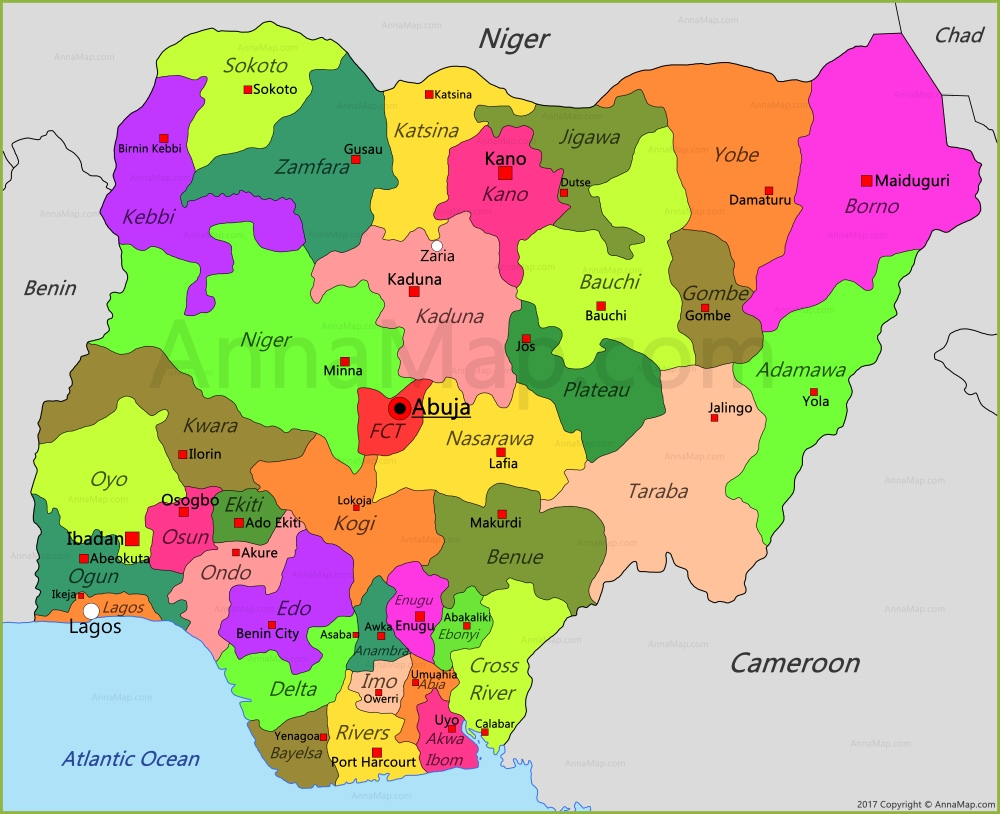
Map of Nigeria (source: World Map)

In the wake of the unprecedented blackout that left 17 northern states in darkness for weeks, the public outcry in Northern Nigeria has been loud and damning. The incident has reignited a longstanding debate about the region’s underdevelopment and the accountability of its political elites. As Northerners took to social media, a consistent theme emerged: a deep-seated frustration with past and present leaders who, despite holding significant power at the national level, failed to prioritize sustainable development for the North.

Mismanagement and missed opportunities

One of the most striking aspects of the online discourse was the prevailing sense of betrayal. Northerners overwhelmingly criticized their political elites, accusing them of prioritizing self-enrichment over regional advancement. This sentiment was echoed by Shehu Sani, a former senator, who publicly chastised Northern leaders for their shortsighted policies. He highlighted the disparity in infrastructure investments, noting, “If Lagos has 8 power stations and the North has only 3, the blame lies with the Northerners who were in power but chose not to build the necessary infrastructure for their region.”

This comparison points out a broader issue of mismanagement. Historically, Northern leaders have wielded considerable influence in Nigeria’s political landscape. Yet, rather than leveraging this power to address the pressing needs of their constituencies, many chose instead to placate other interests, neglecting the foundational investments required for long-term regional growth. As a result, the North remains heavily underdeveloped, with inadequate infrastructure and limited access to essential services.

Accountability in a crisis of leadership

The blackout brought to light a deeper crisis of leadership in Northern Nigeria. Many commentators pointed out that while the region’s elites enjoyed unparalleled access to political power, they often squandered opportunities for impactful governance. According to one commenter, “Northern leaders had the golden opportunity to develop the region, but instead, they ended up looting it.”

This sentiment was further amplified by Abdullahi Adamu Faggo, who called for a re-evaluation of electoral choices, urging the masses to vote more wisely in future elections. “The masses need to re-strategize and vote wisely. That might be the panacea, provided we all seek God’s intervention and walk the talk,” he noted.

The prevailing discourse suggests a desire for a new leadership model—one that emphasizes accountability, transparency, and a genuine commitment to the region’s development. The question remains: Will the electorate heed this call for change, or will the cycle of political patronage continue unabated?

The insecurity conundrum

A significant portion of the blame for the region’s underdevelopment has also been attributed to its persistent insecurity. For over a decade, Northern Nigeria has been a hotspot for terrorism and banditry, making it a risky investment destination. As one commenter succinctly put it, “If those power stations were built in the North, would bandits and insurgents allow them to function?”

The interplay between insecurity and underdevelopment forms a vicious cycle: the lack of infrastructure exacerbates poverty, which in turn fuels discontent and makes the region more susceptible to extremist ideologies. Despite efforts to address the security challenges, the failure to stem the tide of violence has deterred potential investments and stymied the implementation of critical projects.

The role of cultural and religious conservatism

Beyond issues of leadership and insecurity, cultural and religious conservatism has also been identified as a stumbling block to progress in the North. Some voices in the discussion highlighted the need for a shift towards modernity, arguing that the region’s rigid adherence to conservative values has hindered its development.

Usamatu Muhammad Longkwang, a prominent voice in the online conversation, pointed out that the North needs to set aside religious and regional sentiments if it hopes to advance. He stated, “The North will progress only when we set aside religious and regional sentiments and prioritize competency in our voting choices.”

Others drew comparisons with Arab countries like Qatar and the UAE, which have managed to strike a balance between tradition and modernity, embracing certain aspects of Western development models without abandoning their cultural roots.

Economic ramifications and historical context

The decision to concentrate power infrastructure in the southern part of Nigeria, particularly in Lagos, was not arbitrary. As some commenters noted, Lagos was once the capital of Nigeria and remains the country’s economic hub due to its strategic coastal location. The choice to develop power stations there was influenced by its role as a commercial center, driving significant revenue generation for the nation.

Abba Shuaib, one of the commenters, reflected on this historical context: “The power stations in Lagos were built to support the Nigerian economy at that time, not only Lagos. Lagos was once the capital and the most industrial state, hence more power to run the industries.”

While the economic rationale is understandable, it does not absolve the Northern leaders who had the authority but failed to advocate for similar investments in their region. The economic disparity resulting from these decisions continues to widen the development gap between the North and the South.

Rethinking leadership and development strategies

The diverse perspectives shared online paint a complex picture of the challenges facing Northern Nigeria. From accusations of neglect by past leaders to the implications of insecurity and cultural conservatism, the root causes of the region’s underdevelopment are multiple. However, there are clear calls for a new approach—one that prioritizes regional needs, embraces modernity, and addresses the security issues head-on.

As Nigeria moves towards another election cycle, the Northern electorate must demand more from their leaders. The time for empty promises has passed; what is needed now are actionable plans that can transform the region’s fortunes. By addressing the systemic issues of corruption, insecurity, and outdated cultural practices, the North can chart a new path towards sustainable development.

On a final note, the blackout may have been the immediate trigger for the latest wave of discontent, but the underlying grievances have been simmering for decades. It is a wake-up call not just for the region’s political elites but for all stakeholders invested in the future of Northern Nigeria. The challenge lies in translating this outcry into concrete political and social action that can bring about real, lasting change.

Additional reports by Salahudeen Gbolahan