DD
MM
YYYY

PAGES

DD
MM
YYYY

spot_img

PAGES

Home Blog Page 2685

What Balthasar’s Video Reveals About Digital Privacy for Equatoguinean Women

0
Employees use a knowledge management tool to streamline decision-making by quickly accessing relevant data and resources.

The Balthasar video has sparked significant discourse surrounding the privacy of Equatoguinean women in the digital age, highlighting critical issues related to consent, public scrutiny, and the societal implications of leaked content. As this video gained traction online, it not only raised questions about individual privacy but also illuminated broader themes concerning gender dynamics and the treatment of women within Equatorial Guinea.

The Breach of Privacy

At its core, the Balthasar video represents a profound invasion of privacy. The leak involved intimate moments that were never intended for public consumption, thrusting the individuals featured into an unforgiving spotlight. This incident points out a troubling reality in the digital age: once private content is shared online, control over that narrative is lost. For women in particular, this loss can have devastating consequences. The public nature of such leaks often leads to harassment, judgment, and ridicule, amplifying feelings of shame and vulnerability.

In Equatorial Guinea, where societal norms and expectations regarding women’s behaviour can be particularly stringent, the implications of such a breach are magnified. Women may find themselves facing not only social ostracism but also potential repercussions from their families and communities. The Balthasar video serves as a reminder that digital platforms can become arenas for public shaming, where the personal lives of women are scrutinized without regard for their dignity or well-being.

The Role of Social Media

Social media has an important role in forming narratives surrounding occurrences such as the Balthasar video. Platforms that enable quick sharing and participation can promote dangerous content while also jeopardizing individual privacy. The viral nature of such recordings frequently fosters a culture in which negative behaviour—such as making jokes or disparaging comments about people featured—is acceptable.

In this scenario, social media users may interact with the content without fully contemplating its repercussions for the people concerned. This disconnection from the human element might prolong a cycle of victimization for women whose private moments are exposed to the public light. The Balthazar video is a case study of how internet platforms can exacerbate existing inequities and contribute to a society that undervalues women’s experiences.

Societal Reactions and Gender Dynamics

The societal reaction to the Balthasar video further establishes the gendered nature of privacy violations. While discussions surrounding the video have included concerns about accountability and misconduct among male officials, they often overlook the impact on the women involved. The focus tends to shift towards the actions of men in power rather than addressing how women are objectified and victimized in these scenarios.

This dynamic reflects broader societal attitudes towards women in Equatorial Guinea, where patriarchal norms can dictate perceptions of female behaviour. Women are often held to higher standards than their male counterparts, leading to a double standard when it comes to issues of morality and public conduct. The Balthasar video exemplifies how women can be unfairly vilified in public discourse while men may evade similar scrutiny.

Legal and Ethical Considerations

The legal landscape surrounding privacy violations in Equatorial Guinea remains complex. While there are laws against non-consensual sharing of intimate content—often referred to as “revenge porn”—enforcement can be inconsistent. This inconsistency leaves victims vulnerable and without recourse when their privacy is violated. Ethical considerations regarding consent are paramount in discussions about leaked content. In many cases, individuals featured in such videos did not consent to their distribution or public exposure. The Balthazar video raises critical questions about accountability for those who share or promote such content without regard for its impact on individuals’ lives.

Foresight

As the video continues to spread, there is a need for discussions about women’s privacy rights in the internet era. As technology advances, so does our concept of consent, accountability, and respect for individual dignity.

To navigate this context, Equatoguinean women must be resilient in the face of cultural pressures and committed to pushing for their rights. It is critical that communities create a climate in which women’s experiences are recognized and protected, rather than exploited for sensationalism.

On a final note, tackling these concerns requires a collaborative effort from individuals, communities, and policymakers. We can fight toward a society that values women’s autonomy and dignity both online and offline by prioritizing talks about privacy rights and gender equality.


Dogecoin (DOGE), Rexas Finance (RXS), Ripple (XRP): 3 Must-Have Cryptos for The Next Bull Run, Here’s Why?

0

With distinct skill sets, Dogecoin (DOGE), Rexas Finance (RXS), and Ripple (XRP) are emerging as new challengers for the top spots. Amid the gasps of the history of Dogecoin, the first-ever meme coin, it has come a long way from a fun token to a remarkable community-driven success story. Rexas Finance’s multiple rates of success in presale and its remarkable achievement in pioneering asset tokenization, converting real-world assets into tradeable blockchain assets, and garnering significant attention for its novel approach. Ripple expands its cross-border transaction capabilities and alters the landscape of worldwide payments even with legal issues behind them. The combination of these three cryptocurrencies is supported by whichever community is assisted through advanced technology and robustness needed in the market, making them very attractive investments in anticipation of the forthcoming rally.

Rexas Finance (RXS): Why You Should Not Look Away

Rexas Finance (RXS) has the potential to be a prominent disruptor in the blockchain ecosystem, particularly concerning the Real World Assets (RWA) tokenization. This groundbreaking platform is not limited to the common use cases of cryptocurrency as it utilizes blockchain technology to revolutionize the perception of and the control over, real-life assets such as real estate, artworks, and high-end goods Rexas Finance, however, impresses with its minimalistic, intuitive interface designed for the masses; hence, it is even possible for end users without any technical skills to create, handle and trade tokenized assets within a short period. This accessibility broadens its appeal, attracting both experienced investors and beginners who may have been put off by the complexities of traditional asset management.

With each RXS token currently valued at $0.07 in its fifth presale round with $5,587,885 million raised selling over 111 million of its available 155 million RXS tokens for stage 5, the project has sparked strong early interest, indicating a high potential for returns. Investors who buy at the presale price might earn a 233% return with a listing price of $0.20, while expert forecasts suggest a massive rise by the end of 2025. Influencing the speed growth that has been attained by Rexas Finance is the ongoing $1 million giveaway that is set to give 20 lucky winners $50,000 worth of RXS tokens for participating in the basic tasks of accumulating RXS tokens and making referrals on the platforms. Similarly, the growth of Rexas Finance has undeniably become accelerated due to its listing on CoinMarketCap and CoinGecko.

This listing added to the audience of the token as investors can monitor the token’s market status and growth trajectory.  These astounding feats make Rexas Finance an appealing alternative for anyone hoping to profit from the next bull run. Rexas Finance’s rich use case and potential for exponential gains make it an appealing alternative to traditional assets and other crypto initiatives, putting it in a strong position to succeed in the expanding digital asset market.

Dogecoin (DOGE): A Memecoin You Can Stake On

Dogecoin (DOGE) is poised for a stunning climb, with many forecasting a bullish breakout soon. Crypto Daily, a famous cryptocurrency expert, predicts a price increase of $0.22, adding that Dogecoin has created a significant cup-and-handle pattern since June 2024. This technical setup, together with $0.15 as a major support level, suggests that DOGE may rebound strongly and reach new highs.

Analyst Ali Martinez has predicted that if DOGE breaks above the $0.169 resistance, it might see a 27% rebound, pushing it to around $0.209.  Martinez also referenced DOGE’s past tendencies, implying that November might bring an explosive parabolic run. Analyst Kevin Capital believes DOGE might hit $0.50 if Donald Trump wins the 2018 US presidential election. With these positive expectations and a strong support base, Dogecoin appears to be a must-have for anyone ready for the next bull market.

Ripple (XRP): Standing Chance of Gains Despite Troubles

XRP is currently facing the most crucial point in its recent history as it prepares for the next market bull run. Ripple, currently trading at around $0.52 while testing an important support level, has plenty of room to either decline or consolidate before the next upside trajectory. With its 4-hour chart indicating lower highs, analysts warn that a break below the 0.618 Fibonacci threshold at $0.49 could result in more losses. Nonetheless, should XRP view $0.5 as its support level, the altcoin could go into consolidation and recover subsequently.   Even now, investors have high hopes. They think this could initiate a bullish breakout as XRP managed to hold on to this support level for this long. Long-term bulls, however, may view Ripple’s ability to vary as supportive without any significant change to market dynamics as a good buying opportunity before its next crucial bounce.

Conclusion

Key cryptocurrencies to monitor as the market prepares for the next bull run are Dogecoin (DOGE), Rexas Finance (RXS), and Ripple (XRP). Dogecoin’s high community support and bullish patterns point to possible price increases, while Rexas Finance’s novel asset tokenization strategy provides one-of-a-kind investment options.  Ripple’s strength in cross-border transactions positions it well for recovery and expansion. Together, these coins provide excellent opportunities for investors looking to profit from the next market rise.


For more information about Rexas Finance (RXS) visit the links below:

Website: https://rexas.com

Win $1 Million Giveaway: https://bit.ly/Rexas1M

Whitepaper: https://rexas.com/rexas-whitepaper.pdf

Twitter/X: https://x.com/rexasfinance

Telegram: https://t.me/rexasfinance

Current Investment Cycle of Tekedia Capital Syndicate Ends on Nov 15

0

Next week, we will conclude the current Tekedia Capital syndicate investment cycle and 15 new startups will join our community.  Please check the overview of the companies which represent 4 continents and many industries here  .

You can still participate by clicking here.


MicroStrategy’s Strategic Embrace of Bitcoin as a Treasury Reserve Asset

0

MicroStrategy Incorporated, a business intelligence company, has taken a pioneering stance in the corporate world by adopting Bitcoin as its primary treasury reserve asset. This bold move positions MicroStrategy as the world’s first and largest Bitcoin Treasury Company, reflecting a strategic shift in corporate asset management towards digital currencies.

Founded in 1989, MicroStrategy is a provider of business intelligence, mobile software, and cloud-based services. However, it has gained recent prominence for its substantial investments in Bitcoin, earning the title of the world’s first and largest Bitcoin Treasury Company. With a bold approach to its treasury, MicroStrategy has adopted Bitcoin as a hedge against inflation and a means to enhance the potential for higher returns on its reserves.

The company’s recent announcement of its third-quarter financial results for 2024 revealed a significant capital plan, dubbed the “21/21 Plan,” which aims to raise $42 billion over the next three years. This plan is split evenly between equity and fixed-income securities, with the intention of using this capital to further increase its Bitcoin holdings.

MicroStrategy’s approach is not merely about holding Bitcoin; it’s about leveraging the digital transformation of capital to generate value for shareholders. The company has achieved a “BTC Yield” Key Performance Indicator (KPI) of 5.1% in the third quarter of 2024 and has set an ambitious target to raise its annual BTC Yield to between 6% and 10% for the years 2025 through 2027.

The company’s aggressive acquisition strategy has been met with a mix of skepticism and optimism. Some analysts believe that MicroStrategy’s increasing dominance in Bitcoin could positively influence the cryptocurrency’s market performance, especially as institutional interest in Bitcoin as a long-term asset grows. The company’s large-scale purchases could potentially drive further interest and price increases in Bitcoin, suggesting that MicroStrategy’s commitment to Bitcoin could see them benefit from the growing demand for cryptocurrencies.

As of September 30, 2024, MicroStrategy’s digital assets, comprised of approximately 252,220 bitcoins, had a carrying value of $6.851 billion. The original cost basis and market value of the company’s Bitcoin were $9.904 billion and $16.007 billion, respectively, reflecting an average cost per bitcoin of approximately $39,266 and a market price per bitcoin of $63,463.

MicroStrategy’s strategy is a testament to the evolving landscape of corporate finance, where traditional asset management is being challenged by the rise of digital assets. The company’s decision to back its treasury with Bitcoin reserves is a clear indication of its belief in the potential of cryptocurrencies to act as a stable reserve asset, despite the inherent volatility associated with digital currencies.

The implications of MicroStrategy’s strategy extend beyond its own financial performance. It sets a precedent for other companies considering the integration of digital assets into their treasury management. The company’s strategy has not been without its risks. The volatile nature of Bitcoin’s price can lead to significant fluctuations in the value of MicroStrategy’s reserves.

However, the company’s leadership believes that the long-term benefits outweigh the short-term risks. With a revised annual BTC Yield target of 6% to 10% for 2025 through 2027, MicroStrategy is confident in its ability to generate value for its shareholders through intelligent leverage and strategic acquisitions. As the world continues to embrace digital transformation, MicroStrategy’s pioneering role as a Bitcoin Treasury Company may well become a model for others to follow.

Tapping Regional Search Trends for Smarter Business in Nigeria

0
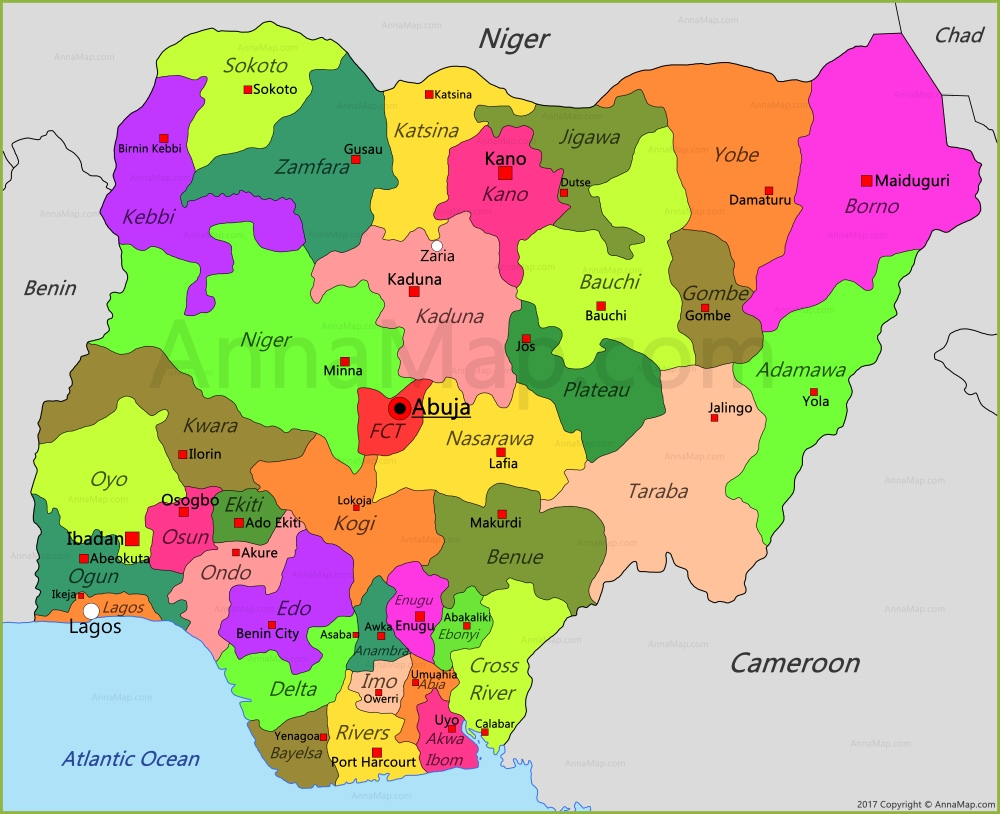
Map of Nigeria (source: World Map)

In the evolving digital landscape of Nigeria, the internet has become a barometer of public sentiment and a vital tool for gauging consumer behaviour. As Google Trends data reveals, the online search preferences of Nigerians provide a window into the diverse needs of the population. A recent analysis of search interest by our analyst across the country over the past 30 days (October 8 to November 8, 2024) showcases a clear divergence in regional focus: while southern states exhibit a strong inclination towards product searches, the northern and central regions show a dominant preference for service-related queries. Understanding this divide is key to crafting informed business strategies and addressing the nuances of Nigeria’s market.

The Digital Footprint of a Diverse Nation

Nigeria’s vast and heterogeneous landscape is home to over 200 million people, representing diverse cultures, economic activities, and consumer behaviors. These distinctions manifest clearly in online search trends, revealing insights that can guide businesses, policymakers, and development practitioners in tailoring their approaches to meet localized needs.

According to the data, search interest in products (depicted in blue) dominates in the southern and eastern parts of the country, while services (highlighted in red) capture the attention of users in the northern and central regions. This regional split is not merely a digital phenomenon—it reflects deep-rooted economic, cultural, and infrastructural factors that influence how Nigerians engage with online platforms.

Urbanization and the Product-Driven Demand in Southern Nigeria

The southern states, particularly Lagos, Ogun, Oyo, and Edo, have emerged as hotbeds of product searches. This trend is consistent with the urbanized and economically vibrant nature of these regions. Cities like Lagos are not only commercial powerhouses but also hubs of innovation, home to a burgeoning e-commerce sector that has transformed consumer shopping habits.

In these areas, a culture of consumerism is intertwined with digital adoption, where people increasingly rely on online platforms for a wide array of products—from electronics and fashion to groceries and household items. The rising penetration of smartphones and access to fast internet have further fueled this trend, making e-commerce a staple in the daily lives of many Nigerians.

For businesses, this signals an opportunity to double down on product offerings tailored to the urban consumer. Retailers and e-commerce platforms should focus on optimizing their digital storefronts, enhancing product availability, and improving delivery logistics in these high-demand areas. Additionally, personalized marketing campaigns that leverage data analytics can help capture the preferences and purchasing power of southern consumers, driving higher engagement and sales.

The Service-Centric Demand of Northern and Central Nigeria

In contrast, the dominance of service-related searches in the northern and central regions paints a different picture of consumer needs. Here, users show a marked interest in services such as healthcare, education, job opportunities, and financial services. This preference reflects the socioeconomic dynamics of these regions, where infrastructure for retail and consumer goods may be less developed, and there is a greater reliance on essential services.

The northern states, including Kano, Kaduna, and parts of the northeast, have historically faced challenges related to economic disparities, lower levels of industrialization, and limited access to consumer markets. As a result, there is a stronger emphasis on service delivery—whether it is seeking medical advice, accessing educational resources, or exploring job opportunities.

For service providers, this trend highlights the need for tailored solutions that address the specific needs of these communities. Healthcare companies, for example, could consider expanding telemedicine services to bridge the gap in medical access, while educational institutions might explore online learning platforms to cater to the growing demand for remote education. Financial service providers, particularly in the fintech space, can capitalize on the increasing interest in digital banking and mobile payments to offer solutions that enhance financial inclusion.

Bridging the Regional Divide: Strategic Implications for Businesses

The diverging search trends across Nigeria establish the importance of a localized approach to business strategy. Companies looking to tap into the Nigerian market must go beyond a one-size-fits-all model and instead tailor their offerings to reflect regional preferences and needs.

  1. Localized Marketing Strategies:
    • For product-focused companies, marketing campaigns should be heavily targeted towards the southern states, where interest in consumer goods is high. Using data-driven insights, businesses can segment their audience and craft personalized advertisements that resonate with the shopping behaviors of urban consumers.
    • Service-based companies, on the other hand, should focus their efforts on building trust and visibility in the northern and central regions. This could involve collaborating with local influencers, engaging in community outreach, and offering localized content that addresses the specific challenges faced by these communities.
  2. Infrastructure Investments:
    • The disparity in search interests also points to underlying infrastructural gaps. In the south, where product searches are prevalent, there may be a need for improved logistics, warehousing, and last-mile delivery services to meet the growing demand for e-commerce. Businesses that can streamline their supply chain operations will gain a competitive edge.
    • In the north, the focus should be on expanding access to essential services. Investments in digital infrastructure, such as reliable internet connectivity and mobile service coverage, will be crucial in enabling greater access to healthcare, education, and financial services.
  3. Collaboration with Policymakers:
    • Policymakers and development organizations have a role to play in addressing the regional disparities highlighted by these search trends. By working closely with businesses, they can help create an enabling environment that supports both consumer goods markets in the south and service delivery in the north.

The Path to Inclusive Growth

Nigeria’s search trends reveal more than just consumer interests—they offer a roadmap for driving economic growth and improving service delivery across the country. By harnessing the power of data analytics and adopting a region-specific approach, businesses can better serve the diverse needs of Nigeria’s population.

Ultimately, the insights drawn from these search trends should inspire companies to think creatively about their product and service offerings, adapt to regional preferences, and invest in the necessary infrastructure to bridge gaps. With a strategic, data-driven mindset, businesses can not only capture market share but also contribute to building a more inclusive and resilient economy in Nigeria.

This new playbook for understanding Nigeria’s digital footprint can pave the way for a future where consumer needs are met with precision, fostering growth and prosperity across all regions.