DD
MM
YYYY

PAGES

DD
MM
YYYY

spot_img

PAGES

Home Blog Page 27

With On-Chain Activity Spiking, Researchers Believe Ozak AI Could See a High-Demand Exchange Launch in Early 2026, Potentially Triggering a Multi-Phase Price Expansion

0

Ozak AI’s increased on-chain activity indicates a significant shift, with researchers now predicting a high-demand exchange launch in early 2026. The project’s growing transaction volume, more user participation, and consistent network engagement are raising the prospect of a multi-phase price increase once listings go online. As Ozak AI’s ecosystem evolves, researchers believe the momentum building around the token might pave the way for one of 2026’s most anticipated market launches.

Ozak AI: Next-Gen AI Platform for Practical Use

Ozak AI combines artificial intelligence with blockchain infrastructure, allowing for advanced automation, intelligent analytics, and next-generation smart contract capabilities across many chains.?

The Ozak Stream Network (OSN) is the ecosystem’s central component, a high-speed data engine built for ultra-fast processing. Its combination with DePIN technology guarantees that all data is safely stored and dispersed across decentralized nodes. Users can also benefit from Ozak Data Vaults, which provide secure wallet connections and controlled access.?

The platform allows customers to create custom Prediction Agents (PAs) without requiring any coding knowledge. These agents can be adjusted to specific requirements, and users can even share their insights and acquire $OZ tokens for each subscription.

?$OZ provides users with access to exclusive AI agents capable of monitoring different financial markets, as well as premium data streams from OSN. Staking, governance involvement, referral prizes, and fee reductions are among the many utilities offered by Ozak AI, all of which contribute to the growing AI-powered ecosystem.

On-Chain Growth Fuels $0.014 Presale Momentum

Ozak AI’s rising on-chain interactions, including wallet activity, presale contract engagement, and early ecosystem participation , are boosting confidence among investors as the token remains priced at just $0.014, (Phase 7), considered as last presale phase, and the next phase is planned for listing at $1, when it reaches this projection current phase holders could get around 71x gains.?

Since phase 1 to now, over 1 billion tokens have been sold and generated over $5.70 million. This steady on-chain growth signals increasing interest in the project even before its full platform launch and upcoming exchange listings.

Analysts Expect Strong 2026 Listings and Multi-Phase Price Growth

Analysts predict that Ozak AI would see substantial market demand after its main exchange listings commence in 2026, owing to the project’s growing utility and persistent on-chain interaction. According to the researchers, Ozak AI’s growing AI ecosystem, more user participation, and expanding cross-chain capabilities position it for substantial attention in larger markets.?

Additionally, the project’s rising number of partnerships, the most recent of which is Meganet’s use of decentralized edge computing to scale operations and receive real-time data streams with less delay, are improving its technical base and market reach. As additional features are released and the ecosystem evolves, analysts foresee a multi-phase price growth cycle following listing.

Conclusion

Ozak AI’s rapid development and expanding ecosystem indicate a great potential for long-term relevance in the AI-crypto field. The project’s technology stack and growing community interest put it in a strong position ahead of future listings. If progress continues, Ozak AI has the potential to become an influential project.

?

For more details about Ozak AI, visit the links below:

?Website: https://ozak.ai/

Twitter/X: https://x.com/OzakAGI

Telegram: https://t.me/OzakAGI

Nigeria SEC Unveils New Capital Standards For Brokers, Fintechs And Digital Asset Firms

0

The Nigeria Securities and Exchange Commission (SEC) has recently issued a circular revising the minimum capital requirements for various regulated entities in the capital market.

Issued pursuant to the Commission’s statutory mandate under the Investments and Securities Act, 2025, the revised MC framework seeks to:

  • Enhance the financial soundness and operational resilience of market operators.
  • Align capital requirements with the scope, complexity, and risk exposure of regulated activities.
  • Promote market stability and systemic risk mitigation.
  • Support innovation and orderly development of new market segments, including digital assets and commodities markets.

The revised requirements also reflect the rapid transformation of the capital market, particularly with the rise of digital assets, fintech-driven services, and commodity-based platforms.

According to the SEC, the revised capital thresholds aim to improve the financial soundness and operational resilience of regulated entities. By aligning capital requirements with the scope, complexity, and risk exposure of each category of operator, the commission seeks to promote a more stable, transparent, and well-capitalized market.

The new framework is also intended to mitigate systemic risks while supporting innovation and the orderly development of emerging market segments, including virtual assets and commodities trading.

The revised minimum capital regime applies to all entities regulated by the SEC. This includes core and non-core capital market operators, market infrastructure institutions, capital market consultants, fintech operators, Virtual Asset Service Providers (VASPs), and commodity market intermediaries.

Entities affected by the new requirements range from brokerage firms, fund and portfolio managers, and issuing houses to exchanges, clearing and settlement companies, robo-advisers, crowdfunding platforms, and digital asset exchanges.

Major Adjustments

Under the new framework, most categories of operators will see significant increases in their capital thresholds compared to the 2015 benchmarks. For example, brokers, dealers, registrars, trustees, and underwriters are now required to maintain substantially higher capital buffers. The minimum capital requirement for brokers (client execution only) has been raised from N200 million to N600 million, while dealers engaged in proprietary trading will now be required to maintain N1 billion, up from N100 million.

Similarly, broker-dealers, who combine client execution, proprietary trading, margin lending, and advisory services, will now need N2 billion, a sharp increase from the previous N300 million. Notably, market infrastructure institutions such as central counterparties, clearing houses, and exchanges also face major increases, reflecting their systemic importance.

The revised framework further introduces specific capital requirements for newer segments of the market, including digital asset platforms, tokenization services, and ancillary virtual asset service providers, areas that previously had no clearly defined thresholds. Digital Asset Exchanges (DAXs) and Digital Asset Custodians must now maintain N2 billion each, compared to the previous N500 million. Also, Real-world asset tokenization platforms will require N1 billion, while ancillary virtual asset service providers must hold at least N300 million.

All affected entities are expected to comply with the revised minimum capital requirements on or before June 30, 2027. The Commission has made it clear that failure to meet the new standards within the stipulated timeframe could attract regulatory sanctions, including suspension or outright withdrawal of registration.

To ease the transition, the SEC has stated that it may consider transitional arrangements on a case-by-case basis, provided there is sufficient justification. Detailed guidance on compliance procedures and capital verification processes will be released separately.

A New Era for Nigeria’s Capital Market

With this move, the SEC is signaling a shift toward a more robust, well-capitalized, and future-ready capital market. The new rules are expected to improve investor confidence, strengthen institutional capacity, and align Nigeria’s market structure with global best practices.

By setting higher entry and operating thresholds, the Commission aims to ensure that only financially sound and operationally capable institutions participate in the market, laying the foundation for long-term stability and sustainable growth.

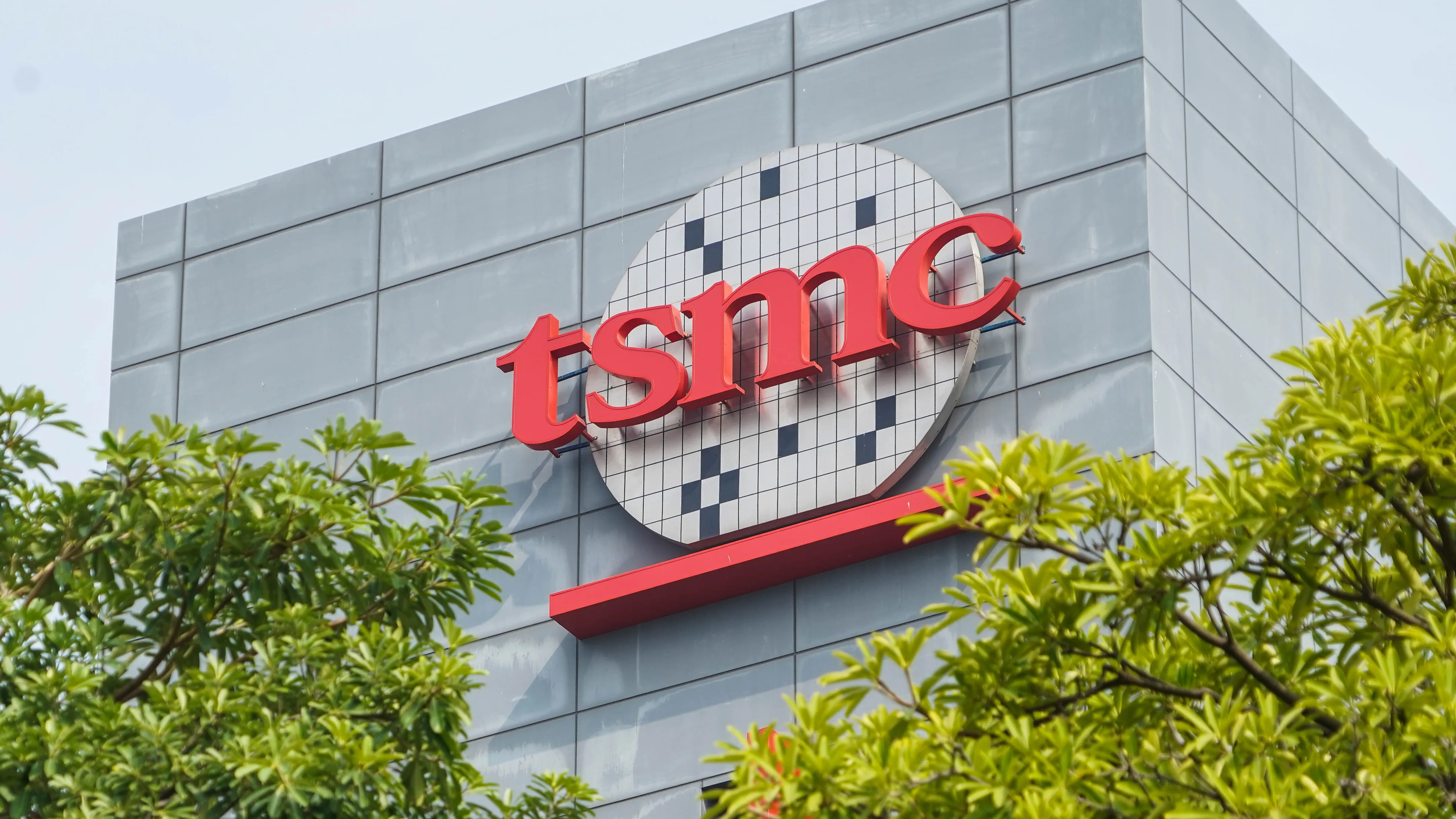
TSMC to Invest $250bn in the U.S., Boosting Trump’s Semiconductor Industrial Policy Push

0

The Trump administration has announced a multibillion-dollar trade and investment pact with Taiwan, marking one of the most ambitious attempts yet to reconfigure global semiconductor supply chains.

Under the deal announced Thursday by the U.S. Department of Commerce, Taiwanese semiconductor and technology companies will invest $250 billion directly into the U.S. semiconductor ecosystem. The investments are expected to span advanced chip manufacturing, supporting energy infrastructure, and artificial intelligence production and innovation.

In addition, Taiwan will provide another $250 billion in credit guarantees to back further U.S.-based investments by these firms, effectively doubling the headline figure tied to the agreement, though the precise timetable for deploying the capital remains undefined.

Taiwan’s role in the global chip industry gives the deal outsized significance. The island produces more than half of the world’s semiconductors and an even larger share of the most advanced chips used in AI systems, defense technologies, and high-end consumer electronics. By anchoring large-scale Taiwanese investment in the United States, the Trump administration is seeking to reduce America’s exposure to concentrated overseas production, while also drawing some of the world’s most sophisticated manufacturing know-how closer to home.

In return, Washington has pledged to invest in Taiwan’s semiconductor, defense, artificial intelligence, telecommunications, and biotechnology sectors. While no dollar amount was disclosed for the U.S. side of the arrangement, the breadth of industries involved points to a deepening of economic and strategic cooperation that goes beyond a simple trade agreement.

The timing of the announcement is closely linked to a broader policy shift laid out by the administration just a day earlier. In a proclamation reiterating the White House’s goal of restoring domestic semiconductor manufacturing, the administration acknowledged that the United States currently produces only about 10% of global chip supply, a figure it views as untenable given the central role semiconductors play in both the civilian economy and military systems.

“This dependence on foreign supply chains is a significant economic and national security risk,” the proclamation stated, warning that disruptions to import-reliant chip supplies could strain U.S. industrial output and military readiness.

Alongside that warning, the administration announced a 25% tariff on certain advanced AI chips and signaled that further semiconductor tariffs could follow once ongoing trade talks with other countries are concluded. The Taiwan agreement, in that context, appears designed to pair trade pressure with incentives, encouraging allied producers to shift more capacity to the United States while discouraging reliance on adversarial or unstable supply routes.

The strategy echoes earlier efforts to revive U.S. chipmaking through partnerships with domestic and foreign firms. Intel has been a prominent example, receiving policy backing as Washington seeks to rebuild an American manufacturing base that has steadily eroded over decades of globalization. The Taiwan deal expands that approach, leveraging the scale and technical dominance of Taiwanese firms to accelerate the process.

Economically, the agreement underscores a shift from short-term experimentation toward long-term industrial planning. Semiconductor fabs take years to build, cost tens of billions of dollars each, and require stable policy support to be viable. By combining direct investment commitments with credit guarantees, the deal aims to lower financial risk and encourage sustained capital deployment rather than one-off projects.

Geopolitically, the pact strengthens ties between the United States and a critical partner at a time when technology supply chains are increasingly shaped by strategic competition. While the Commerce Department’s announcement focused on economic benefits, the alignment of chip production, defense cooperation, and AI development highlights the security dimensions of the relationship.

The agreement offers both opportunity and insurance for Taiwan. Expanding production and investment in the United States allows Taiwanese companies to diversify geographically, reducing their exposure to regional risks while maintaining access to the world’s largest technology market. At the same time, continued U.S. investment in Taiwan’s own high-tech sectors helps preserve the island’s central role in global innovation.

Despite the scale of the commitments, administration officials have been clear that reshoring semiconductor production will not produce instant results. Building advanced fabs, training skilled workers, and integrating supply chains will take years. Even so, the deal represents a decisive step in what the Trump administration sees as a necessary realignment of the global semiconductor industry.

Microsoft Reaches Carbon Deal with Indian Varaha, But It Exposes the Growing Gap Between Big Tech’s Climate Promises and the AI Emissions Reality

0

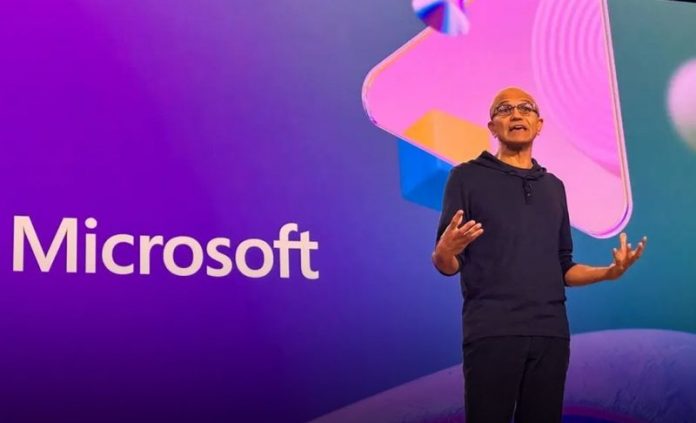
Microsoft has reached an agreement to buy more than 100,000 tons of carbon dioxide removal credits from Indian climate startup Varaha, a deal believed to signal how the global race to scale artificial intelligence is reshaping climate strategies, carbon markets, and even rural farming systems far from Silicon Valley.

At its core, the deal, which is best understood not as a standalone sustainability move, links two very different pressures. On one side is Microsoft’s rapidly expanding cloud and AI business, which has pushed energy demand and emissions sharply higher. On the other hand, India’s long-running struggle with agricultural waste burning is an environmental and public health issue rooted in how millions of smallholder farmers manage crop residues after harvest.

According to TechCrunch, Varaha’s project seeks to connect those worlds by turning cotton stalk waste into biochar, a charcoal-like material that stores carbon in soils for long periods. Instead of being burned in open fields, releasing carbon dioxide and particulate matter into the atmosphere, the waste is processed in industrial reactors. The resulting biochar is then returned to farms, where it can improve soil quality and reduce the need for chemical fertilizers.

Microsoft will purchase the carbon removal credits generated by this process over the next three years, through 2029. The initial phase will focus on Maharashtra, one of India’s major cotton-producing states, and involve roughly 40,000 to 45,000 smallholder farmers. Over time, the project will expand across India’s cotton belt, supported by 18 industrial biochar reactors expected to operate for 15 years.

For Microsoft, the deal fits into a broader effort to reconcile ambitious climate targets with the operational reality of AI growth. The company has pledged to become carbon-negative by 2030. Yet its own disclosures show the challenge is intensifying. In fiscal year 2024, Microsoft reported total greenhouse gas emissions of 15.5 million metric tons of carbon dioxide equivalent, up 23.4% from its 2020 baseline. The increase was driven largely by value-chain emissions tied to data centers, cloud infrastructure, and AI workloads. The company has not yet published its emissions figures for 2025.

That rise helps explain why Microsoft is aggressively contracting for carbon removal rather than relying solely on efficiency gains or renewable energy procurement. In fiscal year 2024 alone, it signed agreements covering about 22 million metric tons of carbon removals. Recent deals include backing AtmosClear’s project in Louisiana, which aims to remove 6.75 million metric tons of carbon dioxide over 15 years, and an agreement to buy 3.6 million removal credits from a biofuels facility owned by C2X.

The Varaha agreement adds a different dimension to that portfolio. While many carbon removal projects are based in the United States or Europe and rely on centralized industrial waste streams, India offers scale through agriculture. The country produces vast amounts of crop residue every year, and much of it is burned because farmers lack affordable alternatives. That makes India an attractive market for carbon removal developers, especially as companies search globally for projects that can physically pull carbon dioxide out of the atmosphere.

Yet operating at that scale introduces complexity that goes beyond building reactors. One of the biggest bottlenecks in carbon removal markets is not technology, but execution. Credits are only issued after projects meet strict measurement, reporting, and verification standards. Ensuring consistent feedstock supply, tracking material flows, and documenting outcomes becomes far harder when operations involve tens of thousands of farmers rather than a single industrial site.

Varaha’s co-founder and CEO, Madhur Jain, said Microsoft’s digital monitoring requirements forced the company to develop bespoke systems in-house. He noted that working with dispersed smallholders makes logistics and verification significantly more demanding than biochar projects in wealthier markets.

“More than 30% of our team has worked in agriculture,” Jain said, pointing to that experience as critical in designing systems that function on farms rather than only on paper.

The first reactor under the Microsoft deal will be located next to Varaha’s 52-acre cotton research farm in Maharashtra. There, the company already tests how biochar performs under real farming conditions, including its impact on soil health and yields. From that base, Varaha plans to scale to 18 reactors nationwide, with a total projected carbon removal volume exceeding 2 million tons over the project’s lifetime.

The company’s recent growth trajectory suggests it is racing to meet rising demand from corporate buyers. In 2025, Varaha processed about 240,000 tons of biomass, producing roughly 55,000 to 56,000 tons of biochar and generating around 115,000 carbon removal credits. A year earlier, annual credit generation stood closer to 15,000 to 18,000. Jain said the company aims to at least double its biomass throughput in 2026 to around 500,000 tons, with close to 250,000 tons of carbon sequestered.

Beyond biochar, Varaha operates 20 projects across India, Nepal, and Bangladesh, covering regenerative agriculture, agroforestry, and enhanced rock weathering. Fourteen of those projects are in advanced stages, with another six earlier in development. Together, they involve around 150,000 farmers and have the potential to sequester about 1 billion tons of carbon dioxide over lifetimes ranging from 15 to 40 years, according to the company.

For Microsoft, the strategic value of such projects lies in durability. Biochar is considered a long-lived form of carbon storage, which is increasingly favored by corporate buyers seeking higher-quality credits.

“This offtake agreement broadens the diversity of Microsoft’s carbon removal portfolio with Varaha’s biochar project design that is both scalable and durable,” said Phil Goodman, Microsoft’s carbon dioxide removal program director.

Even so, the numbers underline a structural tension. The volumes involved in individual carbon removal projects remain small relative to Microsoft’s overall emissions footprint, particularly as AI-driven demand continues to rise. Carbon removal is becoming less of a supplementary measure and more of a core pillar of corporate climate strategies, yet it is still playing catch-up with the pace of emissions growth.

Google is following a similar path. In January 2025, the company agreed to buy 100,000 tons of carbon removal credits from Varaha, marking its largest biochar deal to date. The parallel moves by two of the world’s largest technology firms show how competition in AI is spilling into competition for scarce, high-quality carbon removal capacity.

For India, the implications extend beyond corporate balance sheets. If projects like Varaha’s scale successfully, they could help reduce open-field burning, improve soil health, and create new revenue streams for farmers. Biochar application has the potential to lower dependence on chemical fertilizers, a significant cost for smallholders, while also addressing air pollution linked to residue burning.

Still, the broader question remains unresolved. Carbon removal projects take years to build, operate, and verify, while AI infrastructure is expanding at a much faster pace.

Treasury Yields Climb as Labor Strength and Political Risk Reprice the Fed Path

0

U.S. Treasury yields pushed higher on Thursday as investors digested a combination of firmer-than-expected labor market data and a dense overlay of political and geopolitical risks that are reshaping expectations for U.S. monetary policy in 2026.

The move was led by the front end of the curve, a signal that markets are recalibrating the timing and pace of Federal Reserve easing. The 2-year Treasury yield climbed to about 3.55%, rising more than 3 basis points, while the benchmark 10-year yield edged above 4.15%. Long-dated debt was steadier, with the 30-year yield hovering near 4.79%, underscoring a modest steepening pressure driven by policy repricing rather than inflation fears.

At the center of the shift was fresh evidence that the U.S. labor market remains sturdier than many investors expected at this stage of the cycle. Initial jobless claims fell to 198,000 for the week ended January 10, well below consensus expectations of 215,000. The data added to a growing body of evidence that layoffs remain limited, even as hiring slows and corporate cost-cutting continues in selective sectors such as technology and finance.

For the Federal Reserve, a resilient labor market complicates the argument for early or aggressive rate cuts. Policymakers have repeatedly emphasized that sustained progress on inflation must be accompanied by a cooling in labor conditions. Claims below the 200,000 mark suggest that demand for workers remains strong enough to keep wage pressures from easing quickly.

That reassessment showed up immediately in derivatives markets. According to the CME FedWatch Tool, the probability of an April rate cut slipped to just over 30%, down from the mid-30% range a day earlier. Markets are now broadly aligned around a slower easing path, with expectations centered on two quarter-point cuts in 2026, rather than a front-loaded cycle.

The bond market reaction also reflects caution about the broader economic narrative. While growth has moderated, the U.S. economy has so far avoided the sharp deterioration many predicted amid higher borrowing costs. Consumer spending has softened but not collapsed, and corporate earnings have generally held up, reinforcing the view that the Fed can afford to remain patient.

Beyond the data, political and geopolitical uncertainty is adding another layer of complexity to bond pricing. Investors are closely watching tensions involving U.S. foreign policy, which have intensified in recent days. President Donald Trump’s insistence that U.S. ownership of Greenland is essential to national security has rattled relations with Denmark and raised concerns in European capitals about Washington’s long-term strategic intentions.

A meeting this week between U.S., Danish, and Greenlandic officials ended without agreement, with a Danish official describing “fundamental disagreement” over the island’s future. While the immediate market impact has been muted, investors are increasingly sensitive to geopolitical disputes that could influence defense spending, trade relations, and fiscal priorities.

Tensions with Iran are also weighing on sentiment. Speculation earlier in the week that the U.S. might respond militarily to Tehran’s crackdown on protests pushed investors toward safe assets. Trump’s comments on Wednesday, suggesting that executions had stopped and that there was no immediate plan for military action, eased some of those concerns, but uncertainty remains high, particularly given the risk of disruptions to global energy markets.

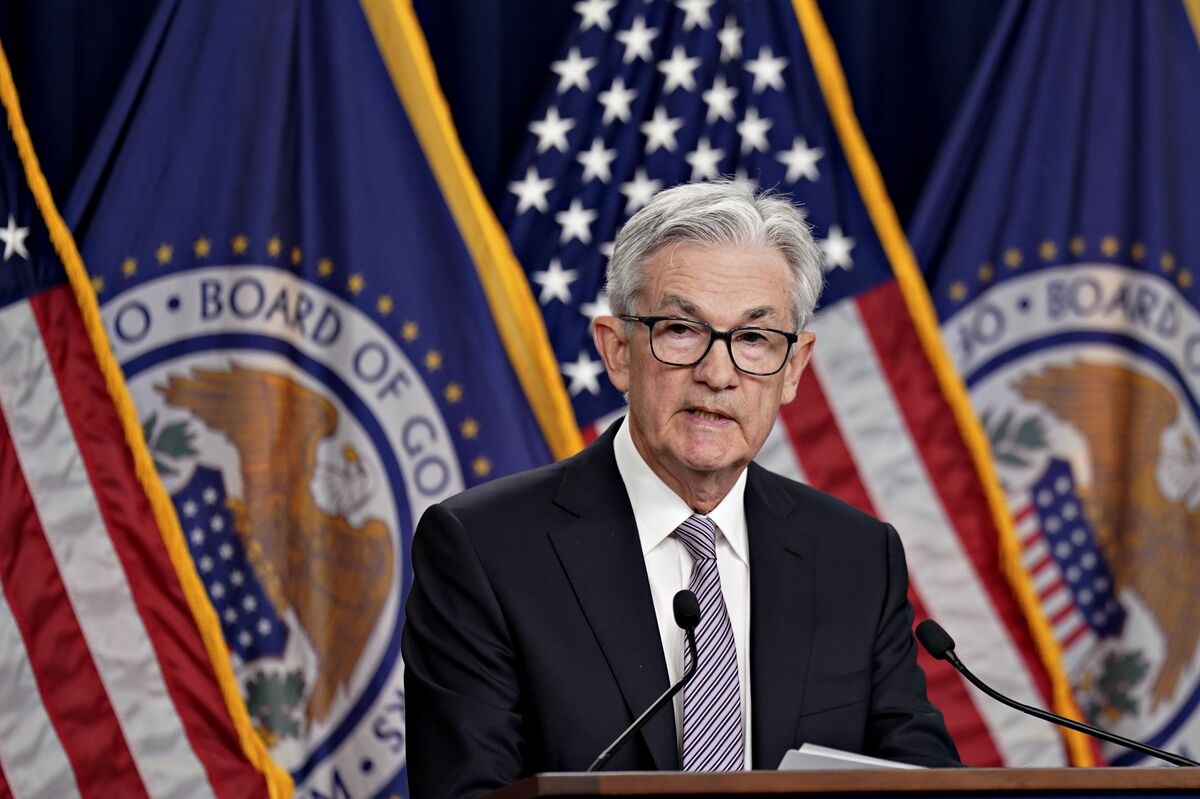
Compounding these risks is renewed anxiety about the independence of the Federal Reserve. Reports of an ongoing criminal investigation involving Fed Chair Jerome Powell have unsettled investors, especially amid heightened political pressure from the White House. Any perception that monetary policy could be influenced by political considerations risks undermining confidence in the Fed’s ability to anchor inflation expectations.

Global central bankers moved quickly to push back against such concerns, issuing statements defending Powell and stressing that central bank independence is essential for price stability, financial stability and long-term economic health. Their intervention highlights how sensitive markets are to even the suggestion of political interference in monetary policy.

Taken together, Thursday’s rise in Treasury yields reflects more than a single data point. It signals a market grappling with a stubbornly resilient labor market, fading hopes for quick rate cuts, and an increasingly charged political environment at home and abroad. The message for investors is that the path to lower rates is likely to be slower and more uneven, with bond markets continuing to react sharply to any data or developments that challenge assumptions about when the Fed can finally ease.