
DD
MM
YYYY

PAGES

DD
MM
YYYY

spot_img

PAGES

Home Blog Page 27

Why Apple Is Outperforming the Smartphone Market in 2026

0

Apple’s ascent to a new all-time high has become one of the most remarkable stories in global markets. On July 13, the technology giant closed at $317.31 per share, lifting its market capitalization to roughly $4.7 trillion.

The achievement is particularly striking because it comes at a time when the broader smartphone industry is struggling. Global smartphone shipments declined by 6.7% during the last quarter, yet Apple managed to expand its own shipments by an impressive 15.3%.

This divergence highlights a fundamental shift in the technology industry. Apple’s recent surge is no longer being driven solely by iPhone sales or consumer hardware demand.

Instead, investors are increasingly valuing the company as a critical player in the artificial intelligence era, where control over computing infrastructure and component supply chains has become a strategic advantage.

At the center of this transformation lies an unexpected factor: memory chips. According to market research firm IDC, memory costs have risen nearly 300% over the past year. The primary reason is the explosive growth of AI data centers.

Companies such as OpenAI, Microsoft, Meta, Amazon, and Google are aggressively building massive computing clusters to train and deploy increasingly sophisticated AI models.

These data centers require enormous quantities of high-bandwidth memory (HBM) and advanced DRAM modules, creating unprecedented demand across the semiconductor industry.

As AI companies race to secure chip supplies, memory manufacturers have shifted production priorities toward higher-margin AI components. This has significantly reduced the availability of memory for traditional consumer electronics, including smartphones, tablets, and personal computers.

The resulting supply imbalance has pushed prices sharply higher and created challenges for many device manufacturers. Ironically, this environment has benefited Apple. Unlike smaller competitors, Apple possesses extraordinary purchasing power and one of the most sophisticated supply-chain operations in the world.

Through long-term contracts, strategic supplier relationships, and enormous cash reserves, the company has been able to secure critical components despite tightening market conditions. Competitors with weaker negotiating positions are facing higher production costs and reduced margins.

While Apple continues to maintain supply stability and capture additional market share. Furthermore, investors increasingly believe that Apple is uniquely positioned to integrate artificial intelligence into its ecosystem.

The company’s growing focus on on-device AI, personalized digital assistants, and AI-powered software features could stimulate future upgrade cycles among its massive installed base of users. Even if the global smartphone market remains sluggish, Apple may continue to generate growth by monetizing AI capabilities across its hardware and services ecosystem.

The memory shortage also illustrates a broader economic reality: AI is reshaping global supply chains in ways few anticipated. Just as the electric vehicle revolution increased demand for lithium and rare earth metals.

The AI revolution is creating intense competition for semiconductors, advanced memory, electricity, and data-center infrastructure. Components that once seemed abundant are now becoming strategic assets.

Apple’s record valuation therefore reflects more than optimism about future iPhone sales. It represents investor confidence that the company can navigate supply disruptions, leverage its ecosystem advantages, and capitalize on the emerging AI economy.

The fact that Apple’s shipments are growing while the overall smartphone market contracts underscores the company’s exceptional resilience. As artificial intelligence continues to dominate technology investment, memory chips may become one of the most valuable resources in the digital economy.

Apple’s latest milestone demonstrates that in the AI era, control over supply chains and access to critical components can be just as important as innovation itself.
Why Investors Are Betting on Crypto Infrastructure Stocks in 2026

0

The latest developments in entertainment and financial markets highlight two very different but equally significant trends shaping global industries. On one hand, the animated universe of Claynosaurz is expanding into mainstream media with the release of its first season on Amazon Prime.

On the other, investors are closely monitoring companies tied to Bitcoin and the intensifying competition in the stablecoin sector, both of which are influencing stock market dynamics this quarter.

The launch of Claynosaurz Season 1 on Amazon Prime marks an important milestone for the Web3 entertainment ecosystem. Originally introduced as a blockchain-based intellectual property project featuring dinosaur-themed digital collectibles.

Claynosaurz has steadily built a dedicated community around its unique storytelling and artistic identity.

By securing distribution on one of the world’s largest streaming platforms, the project demonstrates how blockchain-native brands are beginning to bridge the gap between decentralized communities and traditional entertainment channels.

This move is particularly significant because it validates the potential for NFT and Web3 projects to evolve beyond speculative digital assets into full-fledged media franchises. Similar to how major entertainment brands have leveraged merchandise, games, and television series to build lasting ecosystems.

Claynosaurz is attempting to create a multi-platform brand that combines digital ownership with mainstream storytelling. The Amazon Prime debut may also encourage other blockchain projects to pursue partnerships with traditional media companies, potentially accelerating the integration of Web3 concepts into popular culture.

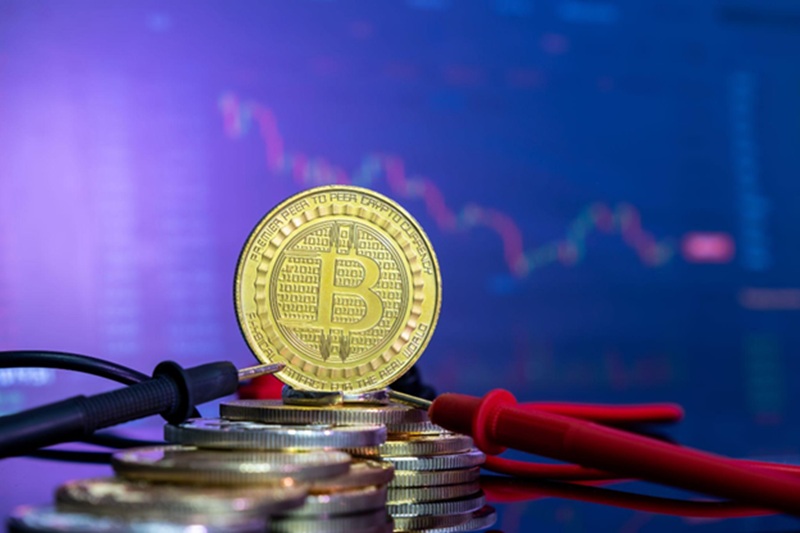
At the same time, financial markets are witnessing another transformative trend: the growing influence of Bitcoin-related activities and stablecoin competition on publicly traded companies.

Bitcoin sales by corporations and investment funds have become a major factor in market sentiment, especially as institutional participation in digital assets continues to expand. Companies holding significant Bitcoin reserves are increasingly exposed to fluctuations in cryptocurrency prices, making their stock performance closely tied to developments in the digital asset market.

Investors are also paying close attention to the emerging stablecoin battle.

Stablecoins, which are cryptocurrencies designed to maintain a stable value relative to fiat currencies such as the US dollar, have become a crucial component of the global digital economy. The sector is experiencing heightened competition as new entrants challenge established players and traditional financial institutions seek to launch their own digital payment solutions.

This competition is creating significant opportunities and risks for listed companies. Firms involved in digital payments, blockchain infrastructure, and financial technology could benefit from increased adoption of stablecoins, while companies heavily dependent on existing payment systems may face competitive pressure.

Regulatory developments surrounding stablecoins are expected to play a decisive role in determining market leaders and influencing investor confidence. The intersection of Bitcoin adoption and stablecoin innovation is therefore becoming one of the defining investment themes of the quarter.

Investors are increasingly evaluating companies based on their exposure to digital assets, blockchain infrastructure, and their ability to adapt to rapidly evolving financial technologies. Stocks linked to cryptocurrency exchanges, payment processors, mining firms, and digital asset custodians are likely to remain under close scrutiny.

Both the launch of Claynosaurz Season 1 and the ongoing stablecoin rivalry illustrate a broader trend: the convergence of blockchain technology with mainstream industries. Whether in entertainment or finance, digital assets are moving beyond niche communities and becoming increasingly integrated into global markets.

As this transformation continues, both consumers and investors will be watching closely to see which projects and companies emerge as the long-term winners in this new digital era.

Japan Reclassifies Cryptos as Financial Assets, Tightening Oversight and Opening the Door to Wider Institutional Adoption

0

Japan has approved one of its most significant cryptocurrency regulatory overhauls in years, passing legislation that will formally classify digital assets as financial assets rather than payment instruments.

The move tightens oversight of the rapidly growing sector, extends insider trading rules to crypto markets and further integrates digital assets into Japan’s mainstream financial system.

The amendment, passed by Japan’s parliament and reported by public broadcaster NHK on Wednesday, removes cryptocurrencies from the country’s Payment Services Act framework and places them under a financial asset classification. The new regime is expected to come into force within a year, giving regulators, exchanges and market participants time to adapt to the tougher compliance requirements.

The reform marks an important shift in how Japan views cryptocurrencies. When the country first introduced comprehensive crypto regulations after the 2014 collapse of Mt. Gox, lawmakers primarily treated digital assets as a means of payment. More than a decade later, cryptocurrencies have evolved into investment products held by millions of retail and institutional investors, prompting regulators to align the legal framework with how the assets are actually used.

Under the revised rules, cryptocurrencies will become subject to stricter financial market regulations, including insider trading laws that prohibit trading based on material non-public information. The legislation also imposes tougher penalties on firms conducting unregistered cryptocurrency trading, strengthening enforcement against unauthorized operators and reinforcing Japan’s licensing regime.

The expansion of insider trading rules addresses one of the crypto industry’s longstanding regulatory gaps. Unlike traditional stock markets, cryptocurrency markets have historically operated with limited restrictions on the use of confidential information, creating concerns about market integrity and investor protection. Bringing digital assets under financial market rules is expected to improve transparency and align crypto trading more closely with established securities markets.

The reform comes as cryptocurrency adoption continues to accelerate in Japan. The number of user accounts on domestic cryptocurrency exchanges has risen steadily over recent years, supported by growing retail participation, improving market infrastructure and broader public acceptance of digital assets. Domestic exchanges and global crypto companies have also been expanding their products and services as competition intensifies for Japanese investors.

Institutional participation in cryptocurrencies has increased significantly following the launch of regulated crypto investment products in several major markets, while governments worldwide have been strengthening oversight through licensing requirements, anti-money laundering rules and tougher market conduct standards.

Japan has long been regarded as one of the world’s most mature cryptocurrency regulatory jurisdictions. Following the failure of Tokyo-based Mt. Gox, which at the time handled the majority of global Bitcoin trading, Japan became one of the first countries to introduce mandatory licensing for cryptocurrency exchanges. Operators were required to register with regulators, maintain customer asset segregation, strengthen cybersecurity, and comply with stringent anti-money laundering standards.

The latest amendment builds on that regulatory foundation by treating cryptocurrencies less as payment tools and more as financial investment assets. The change reflects the growing role digital assets play in investment portfolios rather than day-to-day commerce.

Analysts believe the tighter regulatory framework could also encourage greater institutional participation. Pension funds, asset managers and other professional investors have generally preferred markets with clear legal definitions, robust investor protections and established market conduct rules. By placing cryptocurrencies within a financial asset framework, Japan may make its digital asset market more attractive to institutional capital while enhancing confidence among retail investors.

The changes are also likely to raise compliance costs for cryptocurrency exchanges and trading platforms. Companies will need to strengthen surveillance systems, enhance internal controls and ensure they meet stricter reporting and governance standards. Smaller operators could face greater regulatory burdens, while larger, licensed exchanges may benefit from higher barriers to entry and increased investor trust.

The legislation also underscores Japan’s broader strategy of encouraging financial innovation while maintaining regulatory discipline. Rather than imposing sweeping restrictions on digital assets, policymakers have generally opted for a framework that allows the industry to grow under close supervision, balancing technological innovation with financial stability and consumer protection.

The amendment comes as countries around the world are revisiting their cryptocurrency regulations amid rapid growth in digital asset markets. Authorities in the United States, the European Union, Singapore and Hong Kong have all moved to strengthen oversight of crypto trading, custody and market conduct as digital assets become increasingly integrated into the global financial system.

The Impact of DeepSeek’s IPO on Global Tech Investors

0

Chinese artificial intelligence startup DeepSeek is reportedly preparing for an initial public offering (IPO) as early as this year, a move that could become one of the most significant events in the global AI industry.

The potential listing comes amid growing investor enthusiasm for artificial intelligence companies and intensifying competition between Chinese and American technology firms seeking leadership in next-generation AI development.

DeepSeek gained international recognition after the release of its advanced large language models, which demonstrated performance levels comparable to leading Western AI systems while reportedly operating at significantly lower costs.

The company’s rapid rise challenged the widespread assumption that only technology giants with enormous computing resources and multi-billion-dollar budgets could build competitive frontier AI models.

An IPO would provide DeepSeek with access to substantial capital at a crucial moment. AI development has become increasingly expensive due to rising demand for computing infrastructure, semiconductor chips, data acquisition, and top engineering talent.

Listing on public markets would enable DeepSeek to strengthen its balance sheet, expand research initiatives, and accelerate investments in AI infrastructure, cloud services, and enterprise applications. The timing of the potential IPO is particularly noteworthy.

Global investors have shown extraordinary appetite for AI-related companies following the success of firms such as Nvidia and the growing valuations of companies like OpenAI and Anthropic in private markets.

The AI sector has become one of the primary drivers of equity market optimism, with investors eager to identify the next major beneficiary of the artificial intelligence revolution.

DeepSeek’s public offering would represent more than a corporate milestone. It would symbolize the country’s determination to establish technological independence and strengthen its position in the global AI ecosystem despite increasing geopolitical tensions and export restrictions on advanced semiconductor technologies.

Chinese policymakers have consistently emphasized the importance of achieving self-sufficiency in critical technologies, and DeepSeek’s emergence aligns with these broader national objectives. A successful IPO could also reshape perceptions of China’s technology sector.

Over recent years, regulatory uncertainties and economic challenges have dampened investor sentiment toward many Chinese technology companies. DeepSeek’s listing could reignite global interest in Chinese innovation by demonstrating that the country remains capable of producing globally competitive technology firms in strategically important industries.

However, the company also faces significant challenges. Competition within the AI sector is becoming increasingly intense as established technology giants and emerging startups race to develop more powerful models and applications.

DeepSeek must continue to innovate while navigating concerns related to regulation, data governance, monetization strategies, and access to advanced computing resources. Public market investors may scrutinize the company’s revenue generation capabilities and long-term business model.

While AI technologies have attracted enormous valuations, questions remain regarding how quickly companies can convert technological leadership into sustainable profits. Investors will likely seek clarity on DeepSeek’s enterprise partnerships, commercial applications, and roadmap for achieving long-term profitability.

If DeepSeek proceeds with an IPO this year, the event could mark a pivotal moment in the global artificial intelligence landscape. The listing would not only provide the company with the resources needed to expand its ambitions but could also signal the emergence of a new generation of publicly traded AI champions outside the United States.

DeepSeek’s potential IPO highlights the accelerating pace of the global AI race. As artificial intelligence increasingly becomes a defining technology of the twenty-first century, companies capable of combining innovation, scalability, and commercial success are likely to become some of the most influential enterprises in the world economy.

Lookonchain Data Reveals Major ETH Accumulation Amid Fears of Government Bitcoin Selling

0

The cryptocurrency market is once again being shaped by the movements of large holders and institutional wallets, with recent blockchain data suggesting a growing divergence between bullish Ethereum sentiment and renewed concerns over potential Bitcoin selling pressure.

On-chain analytics platform Lookonchain has highlighted significant whale activity in Ethereum, while a long-dormant Bitcoin wallet linked to the United States government has reignited fears of official liquidations.

Ethereum, the world’s second-largest cryptocurrency, appears to be attracting renewed confidence from deep-pocketed investors. According to Lookonchain data, wallet address 0xf31d recently withdrew 8,239 ETH, valued at approximately $14.5 million, from exchanges.

At nearly the same time, another whale wallet, identified as 0x363A, accumulated an additional 11,843 ETH worth around $20.8 million. Large withdrawals from centralized exchanges are often interpreted as bullish signals in the cryptocurrency market.

Investors typically move assets off exchanges when they intend to hold them for extended periods rather than sell them immediately. The combined accumulation of more than 20,000 ETH by these two wallets suggests that sophisticated investors may be positioning themselves for a potential upside move in Ethereum.

The timing is particularly notable. Ethereum has recently benefited from growing institutional interest, increased adoption of tokenized assets, and renewed optimism surrounding decentralized finance and layer-two scaling solutions.

Additionally, expectations of further inflows into Ethereum investment products and exchange-traded funds have strengthened the bullish narrative surrounding the asset. Whale accumulation has historically preceded significant market rallies.

During previous market cycles, large holders often accumulated positions during periods of uncertainty before major price expansions occurred. The recent transactions therefore add to the perception that smart money investors expect Ethereum to outperform in the coming months.

While Ethereum whales are signaling confidence, Bitcoin investors are confronting a different development.

Blockchain trackers identified a wallet associated with the U.S. government moving 140.214 BTC, valued at approximately $8.79 million, to Coinbase Prime after remaining inactive for nearly four years.

Government-linked Bitcoin transfers tend to attract immediate attention because they often involve assets seized through criminal investigations or enforcement actions.

The U.S. government remains one of the world’s largest holders of Bitcoin, having accumulated substantial reserves through seizures connected to darknet marketplaces, cybercrime operations, and other legal proceedings.

Whenever government-held Bitcoin is moved to custodial platforms such as Coinbase Prime, speculation quickly emerges that the assets may be preparing for sale. Previous government sales have occasionally contributed to short-term market volatility, as traders fear increased supply entering the market.

Yet the actual market impact of this transfer may be limited. At less than $9 million, the amount represents only a tiny fraction of Bitcoin’s daily trading volume, which frequently exceeds tens of billions of dollars. Transfers to custodial services do not automatically imply immediate liquidation.

Such movements can also reflect administrative restructuring, asset management procedures, or preparations for future auctions. The contrasting developments underscore the increasingly complex dynamics driving digital asset markets.

On one side, Ethereum whales are demonstrating confidence through aggressive accumulation, reinforcing the narrative of institutional interest and long-term growth potential. On the other, Bitcoin faces periodic uncertainty stemming from government-held reserves and the possibility of future sales.

Investor sentiment remains highly sensitive to on-chain signals. Whale accumulation and government wallet movements have become important indicators for traders seeking clues about market direction.

As institutional participation in cryptocurrencies continues to expand, blockchain transparency ensures that every major transaction can rapidly influence narratives, expectations, and market behavior across the digital asset ecosystem.