DD
MM
YYYY

PAGES

DD
MM
YYYY

spot_img

PAGES

Home Blog Page 2716

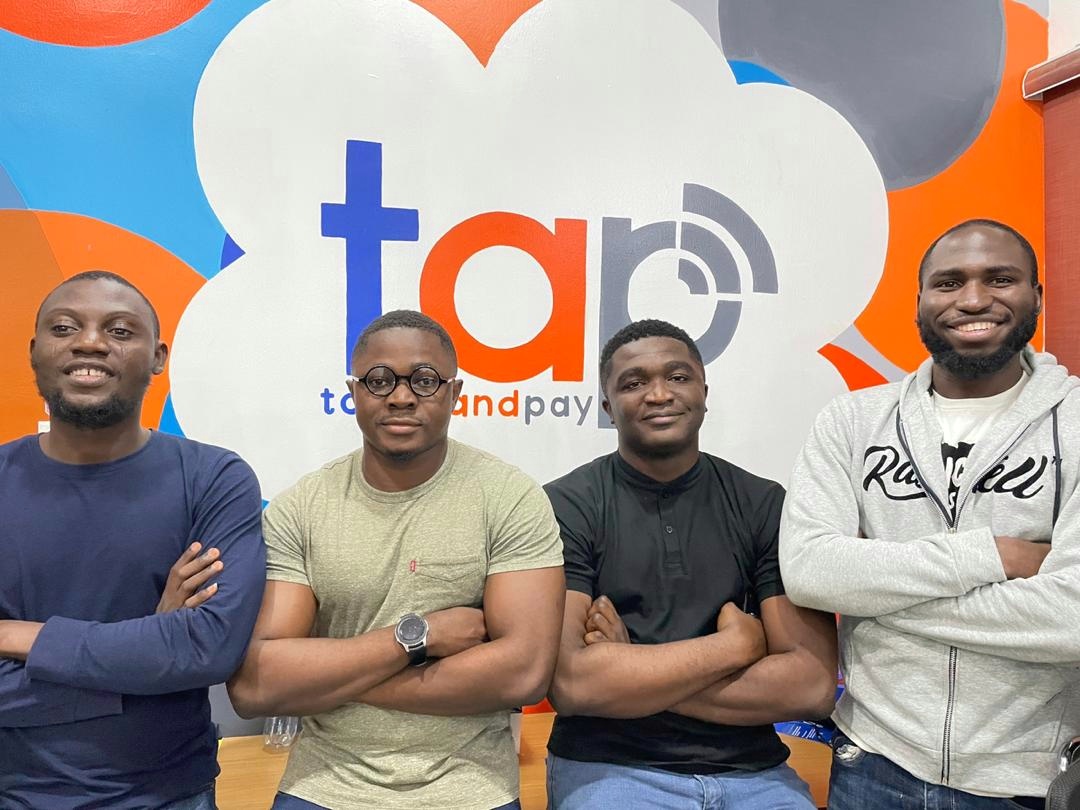
Tekedia Capital Congratulates Touch and Pay for Launch of “dollar top-ups”

0

Tekedia Capital is super excited to congratulate our portfolio company, Touch & Pay, for launching the  “dollar top-ups”  as it continues to improve transportation in Nigeria and beyond: “We’re not handling remittances directly- we don’t have the license. We just want people to send money home and pay for the Bus Rapid Transit (BRT) and the train”. Good People, the Cowry card, from TAP, can also do the same for grocery, medical bills, etc.

He further explained that with a $20 transfer from someone abroad, which is approximately N30,000 according to the current dollar/Naira exchange rate, it could be loaded into the recipient’s Cowry wallet, covering transport expenses for a month.

Amid Nigeria’s current rising inflation, which has seen the price of fuel surge as well as increase in food prices, creating financial strain for many Nigerians, this has pushed many to seek more affordable transportation options.

TAP’s newly launched “dollar top-ups” feature is timely, which can help alleviate the exorbitant price of transportation for Nigerians. Notably, this feature, marks a strategic expansion for TAP, moving into cross-border payments while leveraging its robust technology infrastructure and loyal customer base.

TAP supports at least 5 million citizens yearly and is the largest micropayment company in Africa.

Tekedia- and YC-Backed Touch And Pay Introduces “Dollar Top-Ups” For Transport Support in Nigeria

Tekedia- and YC-Backed Touch And Pay Introduces “Dollar Top-Ups” For Transport Support in Nigeria

0

Nigerian Tekedia-backed tech startup, Touch and Pay Technologies (TAP), the new-age IT service company behind the popular Cowry card, has rolled out a new feature called “dollar top-ups” for transport support in Nigeria.

The feature enables Nigerians to receive small-dollar remittances from the diaspora for transportation, enabling them to receive up to $20, which can be used for public transport payments, covering bus and train fares.

The tech startup has partnered with New York-based remittance company Lipaworld, a marketplace for digital vouchers that allows folks in the diaspora to send value to their loved ones back home in Africa, to facilitate these transactions. Touch and Pay technologies CEO Olamide Afolabi in a chat with Condia (formerly BenDada), highlighted the initiative’s focus on transportation support.

“We’re simply providing a way for people abroad to support loved ones back home, specifically for transport”, he said.

He further explained that with a $20 transfer from someone abroad, which is approximately N30,000 according to the current dollar/Naira exchange rate, it could be loaded into the recipient’s Cowry wallet, covering transport expenses for a month.

Amid Nigeria’s current rising inflation, which has seen the price of fuel surge as well as increase in food prices, creating financial strain for many Nigerians, this has pushed many to seek more affordable transportation options.

TAP’s newly launched “dollar top-ups” feature is timely, which can help alleviate the exorbitant price of transportation for Nigerians. Notably, this feature, marks a strategic expansion for TAP, moving into cross-border payments while leveraging its robust technology infrastructure and loyal customer base.

However, the company’s CEO Afolabi, clarified that TAP is not engaging in remittance services but rather in a targeted solution for transport needs. “We’re not handling remittances directly- we don’t have the license. We just want people to send money home and pay for the Bus Rapid Transit (BRT) and the train”.

The dollar top-up service is only the beginning. TAP plans to launch a global card that will allow users to receive funds from abroad for broader spending needs within Nigeria, potentially enhancing Cowry Card’s influence as a top fintech player in Africa.

Founded in 2019 by Olamide Afolabi and Michael Oluwole, TAP was the first payment company in Nigeria to provide payment infrastructure for contactless payment cards to be used on buses and ferries and now trains. The company is helping to advance financial inclusion among Nigeria’s mostly unbanked population with its processing of micro-transactions ranging from 10 cents to $10.

Its flagship product which simplifies transport payments, Cowry Card, has continued to surge in usage, with over five million users and N20 billion in transaction volume processed in 2024, solidifying TAP’s profitability and shifting its focus from fundraising to new revenue sources. The tech startup created the Cowry card to solve the problem of 64 million adults in Nigeria who don’t have access to banks, which limits their ability to withdraw cash for use on public transportation.

With plans of expanding into the rest of the African continent, the company’s services have ventured into all systems that can benefit from cashless infrastructure, such as transport, utility payments, and grocery shopping, among others. TAP is changing the African narrative by processing micro-transactions for revenue assurance.

Copper-Gold Ratio Decline to Levels seen in Late 2020

0

The copper-gold ratio is a significant economic indicator that financial analysts and investors closely monitor. This ratio measures the number of ounces of gold it takes to purchase one pound of copper. A lower ratio suggests that gold is expensive relative to copper, which can be an indicator of economic uncertainty and a potential flight to safety by investors who prefer the stability of gold during such times.

The recent dip in the copper-gold ratio to levels last seen in late 2020 could be signaling several underlying economic trends. For instance, it may reflect a decrease in industrial demand for copper, which is widely used in construction and electrical applications and is often seen as a barometer for global economic health. Conversely, it may indicate an increase in the demand for gold, which is traditionally viewed as a safe-haven asset during periods of economic turmoil.

The decline in the copper-gold ratio aligns with historical patterns observed during times of economic stress, where investors tend to move away from riskier assets like industrial metals and seek refuge in more stable investments like gold. This behavior is often driven by concerns over economic growth, inflation, and geopolitical tensions.

It’s also worth noting that the copper-gold ratio has implications beyond commodity markets. It has been observed to correlate with long-term interest rates, particularly the U.S. 10-year Treasury yield. A lower copper-gold ratio has historically been associated with lower yields, suggesting that investors are willing to accept lower returns in exchange for the perceived safety of government bonds.

The current state of the copper-gold ratio could be reflecting broader economic concerns, possibly related to the pace of global economic recovery post-pandemic, inflationary pressures, or other macroeconomic factors. Investors and policymakers will likely keep a close eye on this ratio and other economic indicators to gauge the health of the economy and make informed decisions.

key economic indicators that investors should monitor:

Gross Domestic Product (GDP): GDP measures the total economic output of a country and is a primary indicator of economic health. It reflects the value of all goods and services produced over a specific time period.

Employment Figures: The unemployment rate and job creation numbers offer insights into the labor market’s strength. Low unemployment typically suggests a robust economy, while high unemployment may indicate economic distress.

Industrial Production: This metric gauges the output of the manufacturing sector, including consumer goods and business equipment. It can signal changes in business conditions and consumer demand.

Consumer Price Index (CPI): CPI measures the average change over time in the prices paid by consumers for a basket of goods and services. It is a key indicator of inflation and purchasing power.

Purchasing Managers’ Index (PMI): PMI is an indicator of the economic health of the manufacturing sector. A PMI above 50 indicates expansion, while below 50 suggests contraction.

Personal Consumption Expenditures (PCE): This measures the changes in the prices of goods and services consumed by households and is the Federal Reserve’s preferred inflation gauge. This index reflects consumers’ confidence in the economic outlook, which can influence their spending and saving behaviors.

The copper-gold ratio’s recent decline to levels seen in late 2020 is a noteworthy development for market observers. It serves as a reminder of the interconnectedness of commodity prices, investor sentiment, and economic indicators. As the global economy continues to navigate the post-pandemic landscape, the movements of the copper-gold ratio will remain a key point of interest for those looking to understand the evolving economic environment.

MicroStrategy’s Bitcoin Premium is Unsustainable – Steno Research

0

MicroStrategy, a company that has become synonymous with corporate investment in Bitcoin, is currently facing scrutiny over the sustainability of its Bitcoin premium. According to Steno Research, the premium that MicroStrategy’s stock (MSTR) holds over its Bitcoin holdings is deemed ‘unsustainable’. This sentiment arises amidst the evolving landscape of cryptocurrency investment vehicles, particularly with the introduction of spot Bitcoin exchange-traded funds (ETFs) and options trading on these ETFs.

The premium in question refers to the market value of MicroStrategy’s shares significantly exceeding the value of its Bitcoin holdings. Historically, investors have treated MSTR stock as a proxy to gain exposure to Bitcoin’s price movements. However, this strategy has led to a premium that, at times, has reached upwards of 300% over the actual value of the Bitcoin held by the company.

Steno Research points out that the launch of options on spot Bitcoin ETFs in the U.S. is likely to alter investor behavior. These ETFs provide a more direct and regulated means of investing in Bitcoin, potentially reducing the allure of MicroStrategy’s stock as a proxy investment. The report suggests that as investors have more straightforward avenues to invest in Bitcoin, the demand for MSTR stock could wane, leading to a correction in the premium.

Moreover, the report highlights that sustaining such a premium would require significant demand, especially as MicroStrategy’s valuation increasingly diverges from traditional asset fundamentals. The company’s recent stock split, while initially boosting confidence, may not be enough to maintain the inflated premium in the long run.

The trend of corporate investment in Bitcoin has been gaining momentum, with several notable companies allocating a portion of their treasury reserves to this digital asset. MicroStrategy has been at the forefront of this movement, but it is far from the only company that has ventured into the realm of cryptocurrency investment.

Marathon Digital Holdings, a company focused on mining Bitcoin, has also made significant investments in the cryptocurrency. Tesla, the electric vehicle and clean energy company led by Elon Musk, made headlines with its substantial Bitcoin purchase, reflecting a belief in the long-term value of the asset. Similarly, Galaxy Digital Holdings, a diversified financial services and investment management company in the digital asset sector, has a considerable Bitcoin portfolio.

Other companies that have invested in Bitcoin include Coinbase Global, a platform that allows users to buy, sell, and store cryptocurrencies, and Hut 8 Mining Corp, one of North America’s oldest and largest innovation-focused digital asset miners. Riot Platforms, which focuses on Bitcoin mining, and Block Inc., formerly known as Square, led by Twitter co-founder Jack Dorsey, are also part of this growing list.

These investments signify a broader acceptance of Bitcoin as a legitimate asset class by various sectors, including technology, finance, and energy. As the cryptocurrency market continues to evolve, it will be interesting to see how these investments impact the financial strategies of these companies and the market at large.

The implications of this potential premium correction are far-reaching. Investors who have enjoyed substantial returns from MicroStrategy’s stock may need to reassess their positions. The company itself may face a reevaluation of its investment strategy and corporate identity, which has been heavily tied to Bitcoin.

As the cryptocurrency market matures and regulatory landscapes evolve, the case of MicroStrategy’s Bitcoin premium serves as a cautionary tale. It underscores the importance of adapting to market changes and the risks associated with unconventional investment strategies.

Technology’s Contribution to Strengthening Gamification in Educational Development

0
Nigeria needs stronger education systems

Technology has revolutionised gamification in education by infusing learning with engaging game elements, points, levels, and rewards that increase participation and motivate students. This approach taps into natural competitive instincts and rewards progress, creating a dynamic environment that helps learners stay focused. By turning learning into an interactive experience, gamification fosters a stronger connection to educational material.

Personalising Learning with Advanced Technology

With tools like artificial intelligence (AI) and data analytics, educational gamification can be personalised to individual learning preferences. AI helps analyse each student’s progress, identifying strengths and areas for improvement. Data tracking allows educators to customise challenges to match the learner’s pace, keeping them engaged and boosting their confidence. Through tailored gamified learning paths, students feel more supported, as content aligns with their unique progress and learning speed, creating a more effective and engaging educational experience overall.

Real-time Feedback: Enhancing Engagement through Technology

Real-time feedback is essential to engaging learners in gamified education. By immediately letting students know how they performed on quizzes or exercises, real-time feedback strengthens understanding and enables faster improvement. Use gamification in online casinos as an example of how well it works in other sectors. Every online casino that has aspirations of being consistently successful will integrate instant feedback to keep players engaged, with real-time updates on points, levels, and rewards.

This approach directly boosts motivation, maintaining active participation. In education, this feedback loop allows students to track their progress and feel a sense of achievement as they advance. For educators, real-time feedback highlights students’ comprehension, enabling them to adjust their approach and offer targeted support. This instant-response model, effective in both casinos and classrooms, ensures that users feel both challenged and accomplished as they move forward.

Mobile and Immersive Learning Tools

Mobile applications bring gamified learning directly to students, allowing them to engage with interactive tasks beyond the classroom. By using challenges, quizzes, and reward-based activities, mobile platforms make learning flexible and easy to access. Furthermore, mobile gamified learning fosters independent study habits, as students can work at their own pace, reinforcing concepts outside of traditional classroom hours.

Emerging technologies like virtual and augmented reality (VR/AR) also provide immersive experiences, allowing students to “experience” lessons in a vivid way. For instance, VR can bring history lessons to life by “transporting” learners to ancient sites, making education both engaging and memorable, and helping students retain information through firsthand interaction with the subject matter.

Conclusion

Technology-driven gamification has enhanced educational experiences by creating interactive, personalised, and accessible learning paths. Real-time feedback and immersive tools make learning adaptable and supportive, while mobile access ensures engagement remains strong, whether in or outside the classroom. As new technologies continue to develop, the potential for even more innovative gamified education tools grows, promising to transform how students learn and interact with material. By blending engagement with flexibility, technology enables education to be both effective and inspiring for students of all ages.