DD
MM
YYYY

PAGES

DD
MM
YYYY

spot_img

PAGES

Home Blog Page 2810

Nigeria Reduces The Thickness of Its Chequebook In Marginal Cabinet Reshuffle

0

Hello…Nigeria reduces the thickness of its chequebook: “Nigeria’s Federal Executive Council (FEC) in a meeting in Abuja, on Wednesday, announced the abolition of the Niger Delta Ministry and the Ministry of Sports Development, …”

. Of course, to balance your books, asking your bank to make a thinner chequebook is not the solution. You know what you have to do: you change your spending habits. South Africa uses less than 20% of our federal workforce to earn EXTRA $100 billion more yearly. So when ministries are closed, you need to get an idea how far we are.

The US runs with 15 executive departments (they call them secretaries, in Nigeria, we go with ministers) in an economy that is about 90x the Nigerian economy.  Today, even after the thinning of the chequebook, we will still have close to 40 ministers from tomorrow.

Someone needs to get a big plough and cut down the government. Get this down to 6 people from each region and marginally expand the offices of Director Generals to head the departments. Already, DGs are political appointees which work well for any government to have the capacity to execute its vision. We need more cuts…to save Nigeria.

The ministers affected.

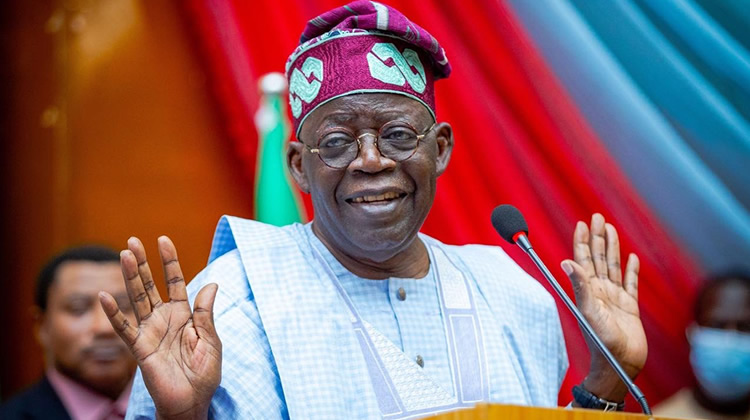
BREAKING: President Tinubu Sacks Five Ministers.

  1. Barr. Uju-Ken Ohanenye, Minister of Women Affairs
  1. Lola Ade-John, Minister of Tourism
  1. Prof Tahir Mamman,  Minister of Education
  1. Abdullahi Muhammad Gwarzo, Minister of State, Housing and Urban Development
  1. Dr. Jamila Bio Ibrahim, Minister of Youth Development.

Nigeria Abolishes Niger Delta, Sports Development Ministries, to Establish Regional Dev. Ministry

Nigeria Abolishes Niger Delta, Sports Development Ministries, to Establish Regional Dev. Ministry

1

President Bola Tinubu, during a Federal Executive Council (FEC) meeting in Abuja on Wednesday, announced the abolition of the Niger Delta Ministry and the Ministry of Sports Development, marking an attempt to implement the Oronsaye’s report.

The presidency revealed that the responsibilities of these ministries would be absorbed by other entities as part of a broader restructuring effort aimed at streamlining government operations.

Bayo Onanuga, the presidential spokesperson, stated that a new Ministry of Regional Development would be established to oversee all regional development commissions across Nigeria. This new ministry will consolidate the functions of the Niger Delta Development Commission (NDDC) and other regional bodies, including the North West Development Commission, South West Development Commission, and North East Development Commission.

This restructuring is seen as an effort to centralize the management of regional development and reduce administrative redundancies.

In addition to the changes affecting the regional commissions, the FEC approved the merger of the Ministry of Tourism with the Ministry of Culture and Creative Economy. This decision reflects the government’s drive to simplify its structure and consolidate overlapping responsibilities within the federal administration.

With the dissolution of the Ministry of Sports Development, the government announced that the National Sports Commission would now assume its functions. The commission, previously a parastatal under the sports ministry, will be responsible for overseeing the administration and development of sports in Nigeria.

“The National Sports Commission will take over the role of the Ministry of Sports. The FEC also approved the merger of the Ministry of Tourism with the Ministry of Culture and Creative Economy. The decisions were taken today at the meeting of Federal Executive Council in Abuja,” the statement said.

Short of the Oronsaye Report’s Recommendations

While the recent changes mark a significant step in the reorganization of Nigeria’s federal structure, they fall short of fully implementing the Oronsaye report, a comprehensive public sector reform proposal submitted in 2012.

The Oronsaye report, spearheaded by former Head of the Civil Service of the Federation, Stephen Oronsaye, aimed to overhaul Nigeria’s bloated public sector to improve efficiency and reduce government spending. The 800-page document recommended slashing the number of statutory agencies from 263 to 161, merging 52 agencies, scrapping 38, and converting 14 into departments within existing ministries.

Among its key proposals was the elimination of the National Salaries and Wages Commission, whose functions were to be absorbed by the Revenue Mobilization and Fiscal Responsibility Commission. The report also advocated for merging Nigeria’s leading anti-corruption agencies—the Economic and Financial Crimes Commission (EFCC), the Independent Corrupt Practices and Other Related Offences Commission (ICPC), and the Code of Conduct Bureau (CCB)—to create a unified entity for combating corruption.

If fully implemented, the Oronsaye report was estimated to save the Nigerian government over N241 billion annually. The restructuring efforts announced by Tinubu, however, cover only a fraction of the recommendations, signaling a lack of political will toward comprehensive public sector reform.

In February, Tinubu’s administration declared its intention to implement all aspects of the Oronsaye report, including merging, scrapping, and relocating about 32 government agencies. Mrs. Hadiza Bala-Usman, Special Adviser to the President on Policy Coordination, disclosed that a committee had been set up to oversee these changes within 12 weeks. However, the implementation has stalled, with Wednesday’s decisions representing baby steps rather than a sweeping overhaul.

Implications for the Niger Delta and Other Regions

The abolition of the Niger Delta Ministry raises questions about the future of development efforts in the oil-rich region, where issues like environmental degradation, resource mismanagement, and underdevelopment have long been a concern. The Niger Delta Development Commission (NDDC), a regional body created to address the developmental challenges of the area, will now operate under the newly established Ministry of Regional Development.

Many argue that scrapping the Niger Delta Ministry could dilute focus on the region’s unique challenges, potentially leading to decreased funding and slower development. Conversely, supporters of the move believe it could lead to better coordination across regional development commissions and address criticisms of mismanagement and corruption that have plagued agencies like the NDDC.

India and China Reaches New Border Agreement in 2024

0

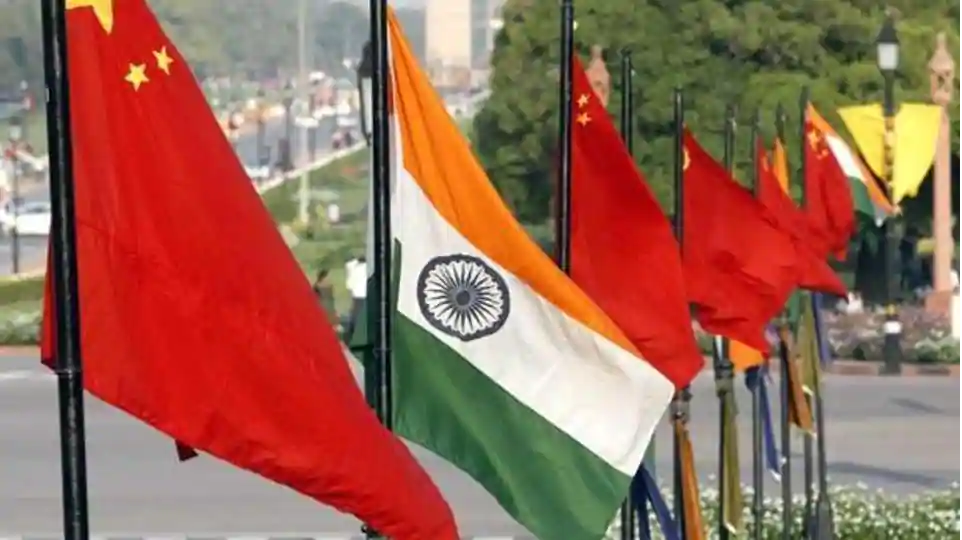
In a landmark move that promises to reshape the geopolitical landscape of Asia, India and China have reached a consensus on the long-standing border disputes that have marred their relations for decades. This agreement, coming after years of negotiations and intermittent stand-offs, marks a significant step towards peace and cooperation between the two nuclear-armed neighbors.

The agreement, announced amidst the backdrop of the BRICS summit in Russia, entails a detailed patrolling arrangement along the Line of Actual Control (LAC), the de facto border between the two countries. This arrangement is aimed at preventing the kind of confrontations that have previously escalated into deadly clashes, such as the Galwan Valley incident in 2020.

The diplomatic breakthrough is a result of persistent dialogue and reflects a mutual understanding of the benefits that stability brings to both nations. It is expected to lead to a de-escalation of military presence along the border, which had seen an alarming build-up of troops and infrastructure in recent years. The agreement also paves the way for renewed economic ties and political engagement, which had suffered in the wake of the border tensions.

Here are the key elements of the agreement:

Patrolling Arrangements: Both countries have agreed on structured patrolling arrangements along the Line of Actual Control (LAC) to prevent the kind of confrontations that have escalated into deadly clashes in the past.

Disengagement and Resolution: The agreement includes a commitment to disengagement and resolution of issues in the border areas that arose in 2020, marking a significant step towards de-escalation.

Reversion to Pre-2020 Patrolling Norms: The patrolling arrangement allows Indian and Chinese soldiers to patrol the border area as they did before the May 2020 face-off, reducing the chances of skirmishes or escalation due to close military encounters.

Stabilization of the Situation: By potentially reducing confrontations at friction points, the agreement helps stabilize the situation along the LAC, fostering a better environment for broader negotiations on boundary issues.

Confidence-Building Measures: The resumption of patrolling as per pre-2020 terms are a confidence-building measure, indicating a mutual willingness on both sides to return to a status quo that they found acceptable before the recent tensions.

Political Implications: The agreement might facilitate higher-level diplomatic interactions and enhance bilateral relations outside military confrontations. For India, this could mean better management of its border infrastructure development without an immediate threat of conflict. For China, it may reflect a strategic choice to stabilize its border with India amid other global tensions.

The significance of this agreement cannot be overstated. It not only serves as a model for resolving territorial disputes through peaceful means but also enhances the prospects for regional stability. The Himalayan border, characterized by its harsh terrain and strategic importance, has been a point of contention since the mid-20th century, with both India and China asserting territorial claims over various sectors.

The resolution of the border issue holds the promise of a new era in India-China relations, one that is based on mutual respect, non-aggression, and partnership. It is a testament to the power of diplomacy and the potential for constructive dialogue to overcome even the most entrenched conflicts.

As the world watches, the successful implementation of this agreement will be crucial. It requires continued commitment from both sides to adhere to the terms and the spirit of the accord. The international community has welcomed this development, hoping it will contribute to broader peace and cooperation in the region.

The India-China border agreement of 2024 is a beacon of hope, signaling that even the most complex and sensitive of international disputes can find a resolution when there is a will to seek peace and understanding. This historic moment is a reminder that through perseverance and dialogue, harmony can be achieved, and a new chapter of collaboration can begin.

The Baltic Sea’s Strategic Significance in NATO’s Defense Posture

0

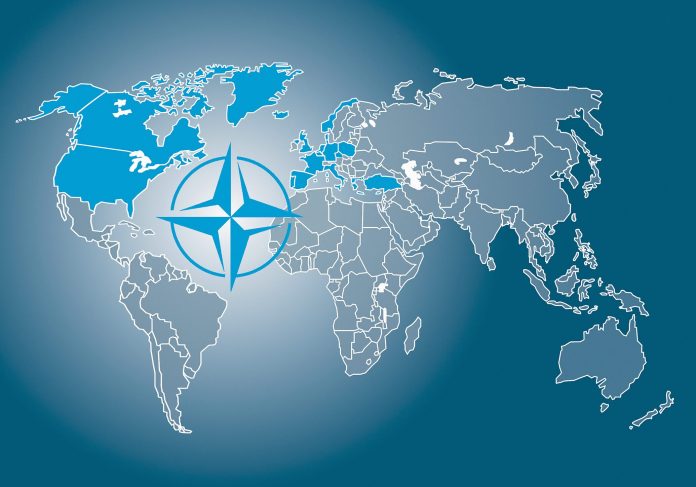
The recent statement by German Defense Minister Boris Pistorius underscores the growing strategic importance of the Baltic Sea in the context of European security and NATO’s defense readiness. The inauguration of a new tactical naval headquarters in the port city of Rostock not only marks a significant development in NATO’s military infrastructure but also reflects the shifting geopolitical landscape in the region.

The Baltic Sea has long been a focal point for maritime strategy, given its proximity to several NATO member states and Russia. The full-scale invasion of Ukraine by Russia in 2022 has heightened tensions and brought renewed attention to the security of this area. The sea serves as a crucial route for trade and energy supply, making its protection a priority for the economic and military interests of the alliance.

Germany’s role in this evolving maritime strategy is pivotal. By assuming leadership and hosting the new Command Task Force Baltic, Germany is taking a proactive stance in enhancing NATO’s collective defense capabilities. The task force, staffed by personnel from 11 allied nations, is responsible for planning maritime operations and drills, and leading naval forces during times of peace, crisis, and conflict.

Firstly, the Baltic Sea is bordered by numerous countries, including several NATO member states, which makes it a critical area for alliance defense strategies. The naval presence here helps to ensure the security of these countries against potential threats. It acts as a deterrent against aggressive actions by demonstrating the readiness and commitment of the alliance to defend its members.

Secondly, the Baltic Sea is a significant commercial hub, with busy shipping routes that are vital for international trade. Naval forces play a crucial role in safeguarding these routes, ensuring the free flow of commerce and securing economic interests. They also protect critical infrastructure, such as undersea cables and pipelines, which are essential for communication and energy supply.

Thirdly, the environmental aspect cannot be overlooked. The Baltic Sea is a unique and sensitive ecosystem, and naval forces contribute to monitoring and protecting this environment from potential hazards, including pollution and illegal fishing activities.

Lastly, the naval presence in the Baltic Sea provides opportunities for joint exercises and cooperation among allied nations, enhancing interoperability and strengthening diplomatic ties. These joint efforts are essential for maintaining a unified front in response to any potential crises or conflicts in the region.

The strategic importance of the Baltic Sea has evolved significantly since the end of the Cold War. With the accession of the Baltic states and the recent addition of Sweden and Finland to NATO, the alliance must ensure that sea routes remain open and secure. This is especially critical as the narrow land corridor connecting the Baltic states to Poland could become a potential flashpoint in any conflict with Russia.

The establishment of the new naval headquarters is a clear message to both allies and adversaries: NATO is committed to defending its members and maintaining stability in the region. It also serves as a deterrent to potential aggression, ensuring that the Baltic Sea remains a zone of peace and cooperation rather than conflict.

As the geopolitical dynamics continue to evolve, the Baltic Sea will undoubtedly remain a key theater for NATO’s strategic considerations. The alliance’s ability to adapt and respond to emerging threats will be crucial in upholding the security and prosperity of its member states in this vital region.

Trump Files Complaint With FEC Accusing British PM and The Labour Party of Election Interference

0

Donald Trump’s campaign has filed a formal complaint with the Federal Election Commission (FEC), accusing British Prime Minister Keir Starmer’s Labour Party of “blatant foreign interference” in the upcoming U.S. presidential election.

The complaint, lodged in Washington, alleges that Labour volunteers traveled to the United States to assist Vice President Kamala Harris’s campaign, constituting what it describes as “apparent illegal foreign national contributions.”

The complaint from Trump’s campaign is based on reports suggesting that nearly 100 current and former staff members from Britain’s Labour Party would be traveling to the United States in the coming weeks to support Harris, the Democratic vice-presidential candidate. The campaign specifically cited a now-deleted LinkedIn post from Sofia Patel, head of operations at the Labour Party, where she mentioned the number of volunteers involved.

The post has since been removed, but not before attracting attention for potentially breaching U.S. electoral laws regarding foreign involvement.

“Those searching for foreign interference in our elections need to look no further than [the] LinkedIn post,” read the letter accompanying the complaint. “The interference is occurring in plain sight.”

The campaign is calling for an immediate investigation by the FEC to determine if the alleged actions violated U.S. election laws, which prohibit foreign nationals from making contributions, donations, or other expenditures in connection with any federal, state, or local election.

The Response from the Labour Party and Starmer

In response to the accusations, British Prime Minister Keir Starmer, who was traveling to Samoa at the time, sought to downplay the significance of the complaint. Speaking to reporters onboard his flight, Starmer asserted that Labour’s involvement in U.S. elections was not a new phenomenon.

He explained that Labour volunteers had previously participated in U.S. elections, and in this case, the volunteers were operating in a private capacity.

“They’re doing it in their spare time, they’re doing it as volunteers, they’re staying, I think, with other volunteers over there,” Starmer said. “That’s what they’ve done in previous elections, that’s what they’re doing in this election, and that’s really straightforward.”

He added that he did not foresee the complaint straining relations with Trump if the former president were to win the election on November 5.

The Context of Labour’s Involvement in U.S. Elections

The British Labour Party has a longstanding history of informal involvement in U.S. elections, often sending volunteers to assist the campaigns of the Democratic Party, which it views as a political counterpart. This shared ideological affinity is grounded in the center-left policies that both parties advocate for, and collaboration between the two is not uncommon.

Labour’s informal support for U.S. Democratic candidates has been observed in previous elections, including during the campaigns of Barack Obama and Hillary Clinton.

The Question of “Foreign Interference”

The complaint raises the question of whether the involvement of Labour volunteers in U.S. elections could be considered foreign interference under U.S. law. Federal election regulations prohibit foreign nationals from participating in the electoral process by making direct contributions or engaging in activities deemed to influence the outcome of an election.

However, legal experts suggest that the line is not always clear-cut, especially when foreign nationals volunteer without being compensated and participate in election-related activities on their own initiative.

Larry Noble, a former general counsel at the FEC, noted that while U.S. election laws are stringent in preventing foreign nationals from directly influencing elections, volunteer work in a private capacity may not automatically constitute a violation.

“The law does not necessarily bar foreign nationals from engaging in volunteer work, provided they are not being paid for their services or making contributions in kind,” he explained.

However, the situation could become problematic if Labour Party resources, such as funding or official support, were used to facilitate the volunteers’ travel or participation. In that case, it could be construed as an in-kind contribution from a foreign political entity, which would contravene U.S. election laws.

Starmer’s Outreach to Trump
Interestingly, Keir Starmer has also made efforts to establish a rapport with Donald Trump despite his party’s traditional alignment with the U.S. Democrats. In September, Starmer met with Trump at Trump Tower during a visit to New York, a move viewed by some as an attempt to maintain diplomatic ties across the political spectrum.

This outreach has raised eyebrows given the allegations of Labour’s support for Harris’s campaign and has sparked speculation about Starmer’s strategic positioning ahead of the U.S. election.

Previous Accusations of Foreign Interference

The allegations come amid heightened sensitivity to foreign interference in U.S. elections, particularly following investigations into Russian influence in the 2016 presidential race. Both major parties in the United States have been accused at various times of benefitting from foreign interference, making the issue a contentious point in American politics.

While the Trump campaign’s complaint focuses on Labour’s alleged involvement, it also serves to reignite broader concerns over foreign influence. The notion that foreign nationals could affect the outcome of a U.S. election, even through ostensibly benign actions like volunteer work, remains a deeply divisive issue.