DD
MM
YYYY

PAGES

DD
MM
YYYY

spot_img

PAGES

Home Blog Page 2814

The Satoshi Nakamoto Mystery Resumes with HBO New Documentary ‘Money Electric’

0

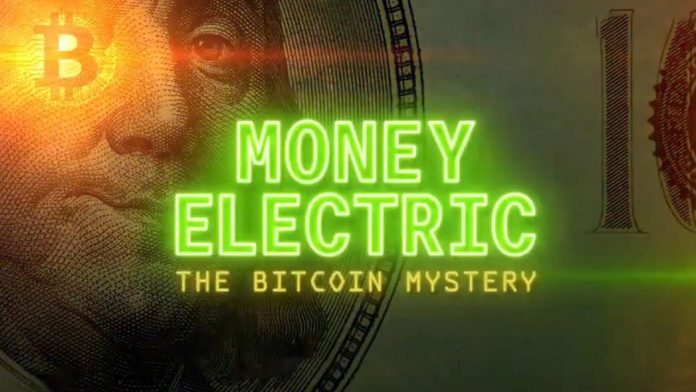
The world of cryptocurrency has been abuzz with the enigmatic figure known as Satoshi Nakamoto, the pseudonymous creator of Bitcoin. For over a decade, the identity of this individual or group has remained one of the most tantalizing mysteries in the financial world. Now, HBO is set to reignite the global curiosity with its new documentary, ‘Money Electric,’ which promises to delve deeper into the Satoshi Nakamoto enigma.

The identity of Satoshi Nakamoto, the pseudonymous creator of Bitcoin, has been a subject of intense speculation and investigation since the inception of the cryptocurrency. Various theories have emerged over the years, each presenting compelling arguments and evidence.

‘Money Electric’ is not just another documentary; it is a testament to the relentless pursuit of truth in the digital age. Directed by Cullen Hoback, known for his work on ‘Q: Into the Storm,’ the film is a result of years of meticulous research, interviews, and exploration across the globe. The documentary is poised to offer unprecedented insights into the origins of Bitcoin and, potentially, the identity of its creator.

The anticipation for ‘Money Electric’ is palpable, as it could potentially impact not just the crypto community but also financial markets and political landscapes. The stakes are high, as the unmasking of Satoshi could have far-reaching implications. Satoshi’s early Bitcoin wallets hold a staggering amount of the cryptocurrency, which, if moved, could significantly influence Bitcoin’s value.

Here are some of the most prominent theories that have captured the attention of the crypto community:

One of the prevailing theories suggests that Satoshi Nakamoto is not an individual but a group of people who collaborated to create Bitcoin. This theory is supported by the breadth of knowledge evident in Bitcoin’s original white paper, which spans several disciplines.

Some researchers have conducted linguistic analyses of Satoshi’s writings, including the Bitcoin white paper, and found patterns that suggest the involvement of multiple individuals. Variations in writing style and the timing of online posts have led some to believe that Satoshi represents a collective effort across different time zones.

Satoshi Nakamoto is believed to have ties to the cypherpunk community, a group that advocates for the use of cryptography to bring about social and political change. This connection is based on the principles of decentralization and privacy that are central to Bitcoin’s design.

Hal Finney, a renowned cryptographer and one of the first contributors to Bitcoin, received the first Bitcoin transaction from Satoshi Nakamoto. Some speculate that he may have been more deeply involved in the creation of Bitcoin, possibly even being Satoshi himself. However, Finney denied these claims until his death in 2014.

Another theory posits that Len Sassaman, an American cryptographer and privacy advocate, could be Satoshi Nakamoto. Sassaman was active in the same circles as other potential candidates and had the requisite skills and beliefs that align with Bitcoin’s creation. However, Sassaman passed away in 2011, and this theory remains unconfirmed.

Despite the numerous theories and investigations, the true identity of Satoshi Nakamoto remains shrouded in mystery. The anonymity of Bitcoin’s creator has become a part of its legend, and whether Satoshi’s identity will ever be revealed is uncertain. What is clear, however, is that the creation of Bitcoin has sparked a financial revolution that continues to evolve and influence the world.

HBO’s ‘Money Electric’ is more than a film; it’s a cultural event that encapsulates the intrigue and innovation of our time. It reflects the human desire to solve puzzles and the importance of identity in the digital era. Whether ‘Money Electric’ will finally unveil the person or people behind Satoshi Nakamoto remains to be seen, but one thing is certain: the documentary will add a new chapter to the Bitcoin saga.

The documentary is set to premiere on October 8 at 9 PM, promising a thrilling investigation into one of the modern world’s most compelling mysteries. Will ‘Money Electric’ provide the answers we’ve been seeking, or will Satoshi Nakamoto continue to be an enigma wrapped in digital code? Only time will tell, but the countdown to revelation—or perhaps further mystery—has begun.
Nigeria’s Central Bank Introduces Electronic FX Matching System (EFEMS), For All FX Transactions

0

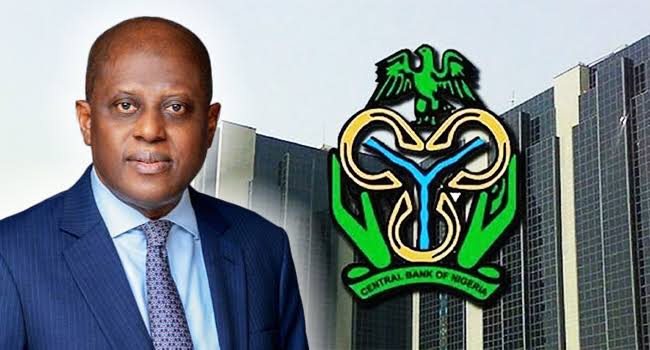
In a move aimed at transforming the foreign exchange market in Nigeria, the Central Bank of Nigeria (CBN) has unveiled its newest tool: the Electronic Foreign Exchange Matching System (EFEMS), an innovative platform set to roll out on December 1, 2024, with a two-week trial phase scheduled for November.

According to the CBN, EFEMS promises to be a game-changer, ushering in a new era of transparency and efficiency in Nigeria’s foreign exchange (FX) market, a space historically fraught with speculation, inefficiencies, and market distortions.

“The Central Bank of Nigeria (CBN) hereby announces the introduction of the Electronic Foreign Exchange Matching System (EFEMS), for Foreign Exchange (FX) transactions in the Nigerian Foreign Exchange Market (NFEM) to be implemented no later than December 01, 2024,” said Omolara Duke, the CBN’s Director of Financial Markets, in an official circular.

The full-scale reform aims to ensure fair play and accountability in a market that has often been opaque. EFEMS works like a transparent marketplace for foreign currency, where real-time data will be available for all players—importers, exporters, banks, and the CBN itself. Authorized dealers will be required to use EFEMS for all transactions, which will be reflected immediately, eliminating any chance for manipulation or speculation.

So, How Does EFEMS Work?

In simple terms, EFEMS aims to demystify the process of foreign exchange in Nigeria. For too long, the FX market has operated in a way that allowed certain actors to exploit inefficiencies for personal gain, distorting prices and creating an uneven playing field.

Here’s what EFEMS will bring to the table

Clear Prices: Everyone in the market will have access to real-time price information, making the FX rates transparent to all parties involved.

Fair Play: By creating a level playing field, EFEMS will prevent any party from manipulating prices or engaging in speculative trading that could drive up volatility.

Efficiency: Transactions will be faster and more seamless, reducing the delays and bottlenecks that previously plagued the system.

EFEMS represents a shift towards a market-driven exchange rate system, one that mirrors genuine demand and supply forces, rather than being influenced by underhanded deals or opaque practices.

A Long-Awaited Reform

For market participants, this system couldn’t have come at a better time. The FX market in Nigeria has been under immense pressure, with currency devaluation, scarcity of foreign currency, and rampant speculation pushing the naira to dangerous lows. Following the forex market liberalization in June 2023, the CBN has been actively pursuing reforms to stabilize the market, reduce volatility, and enhance transparency. EFEMS is a critical part of this effort.

“Authorized Dealers would subsequently conduct all foreign exchange transactions in the interbank FX market on the Electronic Foreign Exchange Matching System approved by the CBN where transactions will be reflected immediately,” the CBN circular read.

This new approach is expected to eliminate delayed and obscure FX pricing. With EFEMS, real-time pricing will be published, alongside buy and sell orders, providing all market participants with clear and accurate data. This, the CBN believes, will drastically reduce the speculative activities that have long skewed the market, providing stability and consistency in the process.

The CBN said it will work closely with the Financial Markets Dealers Association (FMDA) to establish the operational rules for EFEMS and ensure all participants adhere to the guidelines. The Nigerian FX Code and revised Market Operating Guidelines will also provide a framework for this new era of FX trading in Nigeria.

What Does This Mean for the Economy?

EFEMS is more than just a technological upgrade—it’s a structural reform that seeks to address the deep-rooted challenges in Nigeria’s FX market. This approach has drawn praise from financial experts and market analysts.

According to Omolara Duke, “The system is designed to bring transparency to the market, reduce speculation, and ensure that exchange rates are driven by genuine supply and demand.”

The goal is not just to stabilize the naira, but also to provide businesses and investors with the confidence they need to operate in Nigeria’s often unpredictable economic environment.

The success of EFEMS could mark a turning point in Nigeria’s economic trajectory. If it works as intended, the CBN would not only bring transparency to the FX market but also restore confidence in Nigeria’s broader financial ecosystem. Many businesses and individuals have long lamented the volatility and unpredictability of Nigeria’s FX rates, which allegedly have been driven by speculative trading and inefficiencies.

The EFEMS introduction follows other efforts by the CBN to strengthen and regulate Nigeria’s forex market. Notably, the revised guidelines for Bureau De Change (BDC) operations, which increased the capital requirement from N35 million for tier-1 BDCs to N2 billion, was another step to eliminate distortions caused by smaller operators who manipulated the market. However, EFEMS is seen as the most significant reform to date, with its potential to completely overhaul the foreign exchange market.

“This credit system isn’t just about tightening regulation, it’s about reshaping the fundamentals of how our foreign exchange market works,” said an economist familiar with the CBN’s reforms. “We’ve seen too many industries collapse in Nigeria due to misaligned policies. This feels like a step in the right direction.”

This is a far-reaching shift for Nigeria. From the days of ad hoc bans and temporary measures aimed at fixing the FX market to the introduction of EFEMS, the country is taking bold strides to create a more resilient, transparent financial system. Only time will tell whether EFEMS will live up to its promise, but if it does, it could very well be the key to unlocking stability in Nigeria’s foreign exchange market for the long term.

Germany’s Deutsche Bahn Approves Freight Subsidy Sale as the Country plans tighter rules for Social Welfare Benefit

0

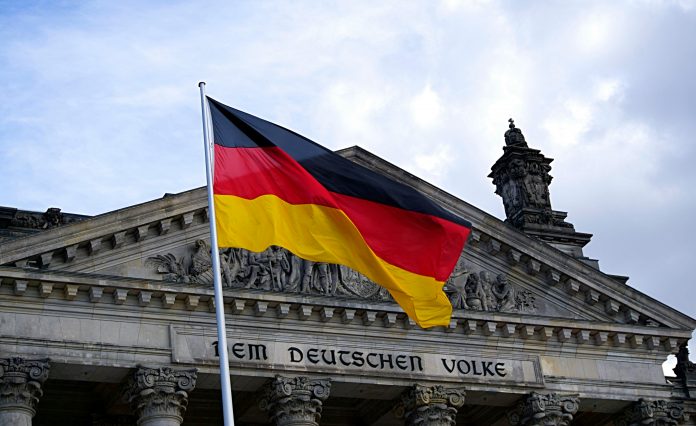
In a landmark decision that marks a significant shift in strategy, Deutsche Bahn AG, the German railway company, has approved the sale of its logistics subsidiary, DB Schenker, to the Danish transport and logistics group DSV. This move, valued at an enterprise value of 14.3 billion euros, is not just a financial transaction but a strategic realignment towards enhancing the core operations of Deutsche Bahn.

The sale, which is expected to be completed by 2025 pending regulatory approvals, represents a pivotal moment for Deutsche Bahn. The company is refocusing its efforts on the modernization of rail infrastructure and the promotion of climate-friendly passenger and freight transport within Germany and across Europe. This decision aligns with the broader European commitment to sustainable development and the reduction of carbon emissions.

The Integrated Rail System is the backbone of Deutsche Bahn, encompassing passenger transport activities within Germany, rail freight transport, and the rail infrastructure companies. This system ensures the smooth operation of both passenger and cargo services across the nation’s extensive rail network.

Additionally, Deutsche Bahn operates various service units that provide internal support and services. These include DB Systel GmbH, focusing on IT solutions; DB Sicherheit GmbH, responsible for security; DB Services GmbH, handling facility management; and DB Kommunikationstechnik GmbH, which specializes in communication technologies.

Moreover, the group’s train operating companies, such as DB Fernverkehr and DB Regio, manage long-distance and local passenger services, respectively. DB Cargo takes charge of rail freight, and DB Netz operates a significant portion of the German railway infrastructure, contributing to the largest rail network in Europe.

DB Schenker, a global logistics service provider, has been a profitable arm of Deutsche Bahn, contributing significantly to the company’s financial health. However, the sale to DSV is seen as a strategic move to reduce Deutsche Bahn’s debt, which stood at around 33 billion euros in the first half of the year prior to the sale. By divesting from DB Schenker, Deutsche Bahn can concentrate on its primary mission of providing efficient and eco-friendly rail transportation, which is increasingly important in the face of climate change and the need for sustainable mobility solutions.

The transaction also signifies a commitment to the workforce and the preservation of collective agreements. DSV has expressed its dedication to maintaining German co-determination and existing labor agreements, ensuring that employees’ rights and benefits are safeguarded during this transition.

The sale has been met with mixed reactions, with some labor representatives expressing concerns over potential job losses. Nonetheless, the approval by the federal government under the Federal Budget Code (BHO) indicates a recognition of the necessity of this strategic move for the future of Deutsche Bahn and the logistics industry at large.

As Deutsche Bahn embarks on this new chapter, the focus on its core rail business is expected to foster innovation in sustainable transportation and infrastructure development. The proceeds from the sale will not only alleviate the company’s debt but also enable investments in modernizing operations and enhancing profitability.

The logistics market remains highly fragmented, and even after the merger, Schenker and DSV will hold a global market share of approximately 7%. This indicates that there is still ample room for competition and growth within the industry.

In conclusion, the approval of the sale of DB Schenker to DSV is a strategic step for Deutsche Bahn, reflecting a commitment to its core rail operations and the broader goal of a sustainable future for transportation. It is a move that underscores the importance of adaptability and strategic planning in today’s rapidly evolving business and environmental landscape. As Deutsche Bahn streamlines its focus, it sets an example for other companies in the transportation sector to prioritize sustainability and core competencies for long-term success and resilience.

Germany plans tighter rules for Social Welfare Benefit

The German government has recently approved a plan to implement stricter regulations for social welfare benefits. This move is aimed at encouraging greater participation in the workforce and ensuring fairness in the welfare system. The new rules include more severe penalties for those who refuse work or training opportunities without valid reasons, with a proposed 30% reduction in basic income support for three months for such cases. Additionally, failure to attend appointments at job centers without a good reason will result in a similar reduction in benefits.

The reforms are part of a broader strategy to foster more labor market integration and commitment among welfare recipients. Employment Minister Hubertus Heil emphasized the importance of cooperation and the consequences of cheating the system, such as working illegally while claiming benefits. The government also plans to offer subsidies to businesses that hire refugees and allow time off for vocational language courses, targeting Ukrainian refugees in Germany who lack the necessary language skills for employment.

These changes come alongside the introduction of the ‘Bürgergeld’ social welfare program, which replaces the previous ‘Hartz IV’ system. The ‘Bürgergeld’ aims to provide more substantial support to the unemployed, including increased monthly allowances and additional funds for vocational training to prepare individuals for permanent employment. This is a significant policy shift by Germany’s center-left coalition government, reflecting a commitment to reforming the social safety net amid rising living costs and inflation.

Here are the key differences between the two systems:

Increased Allowance: ‘Bürgergeld’ provides a higher monthly allowance for individuals. For example, a single adult will receive €502 under ‘Bürgergeld’, compared to the €449 provided by ‘Hartz IV’.

Asset Consideration: With ‘Bürgergeld’, for the first 24 months, housing and assets up to €60,000 are excluded from the benefits calculation, allowing individuals to retain their savings and home without affecting their eligibility.

Sanctions and Trust Period: The new system introduces a six-month ‘trust period’ where sanctions for missing appointments or job opportunities are less severe. After this period, sanctions can increase up to 30%, which is similar to ‘Hartz IV’, but the initial trust period represents a more compassionate approach.

Promotion of Education and Training: ‘Bürgergeld’ emphasizes the importance of vocational training and education (‘Weiterbildungen’), allocating funds to support individuals in these programs. This contrasts with ‘Hartz IV’, where job searching took precedence over training.

Treatment of Job Seekers: The ‘Bürgergeld’ system aims to treat job seekers kindlier and supportively, focusing on fair treatment and social participation, moving away from the punitive measures associated with ‘Hartz IV’.

These changes reflect a broader vision of social welfare that respects individual dignity and promotes active participation in the workforce, while providing a safety net for those in need. For more detailed information, you can refer to the full articles online.

The German parliament has already approved the ‘Bürgergeld’ program, and the new welfare scheme is set to become effective in January 2025. This represents a major overhaul of the social benefits system, with the potential to impact many lives across the country. The government’s approach balances the need for a robust welfare system with the encouragement of active participation in the labor market, reflecting a nuanced understanding of the complexities of unemployment and social support.

African Petroleum Producers Secure 45% Startup Capital to Launch $5bn Energy Bank

0

In a move to bridge the widening gap in oil and gas financing, several African oil-producing nations, under the aegis of the African Petroleum Producers Organization (APPO), are gearing up to launch a $5 billion energy bank by next year in Abuja, Nigeria’s capital. The organization has secured 45% of the necessary startup capital to create a financial institution aimed at sustaining the continent’s oil sector amid a global shift towards cleaner energy.

Omar Farouk Ibrahim, Secretary General of APPO, made the announcement during the Angola Oil & Gas conference in Luanda, highlighting the commitment of countries like Angola, Nigeria, and Ghana as initial backers.

“We have come a long way. I believe we are the first development bank to progress from conceptualization to near fruition in just over two years,” he said.

This move, which underscores the urgency African nations feel in securing resources for oil production, comes amid a global push for a shift to cleaner energy, which has seen traditional investors turning away from fossil fuels.

The energy bank’s mission is to fill the funding gap left by international financiers who have begun to pull back from investments in crude oil and other fossil fuels, opting instead to focus on low-carbon energy projects to meet climate change goals. The African Export-Import Bank (Afrexim Bank), the key financier behind the initiative, signed a memorandum of understanding with APPO in June, marking a significant step toward establishing the bank.

The timing of this new institution comes as African nations grapple with the dual challenge of addressing climate change while pursuing economic development. Countries like Angola and the Democratic Republic of Congo (DRC) are finding it increasingly difficult to secure financing for oil projects through international capital markets, where climate concerns dominate investment strategies. The energy bank, once operational, would provide much-needed financial support for oil-producing countries to continue tapping into their resources.

Between Economic Prosperity and Climate Commitments

This latest development reflects a broader tension that African nations face: the pressure to reduce carbon emissions versus the immediate need for economic growth and energy security. Last year, at the Africa Climate Summit in Kenya, African leaders called for increased taxation on carbon emitters, signaling their acknowledgment of the climate crisis.

However, the resolution to push ahead with the energy bank runs counter to some of the key recommendations made at the summit, which emphasized the need to curb fossil fuel reliance.

Against this backdrop, African countries find themselves at a critical juncture: the dilemma of striking a balance between the global movement towards achieving net-zero greenhouse gas emissions by mid-century and pursuing fossil fuel projects for economic growth. In nations like Nigeria, Angola, and Ghana, oil remains a cornerstone of their economies, contributing to export revenues, job creation, and foreign exchange earnings.

For these countries, completely abandoning fossil fuels could spell economic disaster, a sentiment shared by Sanjeev Gupta, the Executive Director of Financial Services at the African Finance Corporation (AFC).

Gupta, in an interview with Reuters, maintained that the AFC would continue to invest in fossil fuels despite warnings from global development institutions about climate change. “Africa has significant development needs,” Gupta stated, making it clear that the continent cannot simply pivot away from oil without risking severe economic repercussions.

Voices of Resistance Against Climate Hypocrisy

Many see the push for an energy bank and continued fossil fuel investments as not just about securing financing—but about challenging what some African leaders see as a double standard.

In a 2022 opinion piece, former Nigerian President Muhammadu Buhari called out Western nations for what he termed the “hypocrisy” of urging African countries not to exploit their own oil and gas reserves while those same nations had built their economies on fossil fuels. Bola Tinubu, Nigeria’s current president, has echoed these concerns, advocating for a more balanced partnership in addressing global climate challenges.

“We can’t be asked to keep our resources in the ground while others have enriched themselves from theirs,” Buhari wrote, noting the disparity between Africa’s development needs and the global pressure to reduce fossil fuel reliance.

The African Export-Import Bank (Afrexim Bank) has also raised concerns over the potential fallout from divesting in fossil fuels. According to the bank, this could lead to a loss of up to $30 billion in Nigeria’s Gross Domestic Product (GDP), a dire consequence for a country that depends heavily on oil exports. The bank’s warning aligns with the broader sentiment that fossil fuels while contributing to emissions, remain indispensable to meeting Africa’s energy needs in the short term.

The Road Ahead for Africa’s Energy Bank

The establishment of this energy bank is seen as a bold decision by African oil-producing nations to control their narrative and safeguard their economic interests in an era of shifting global priorities. This means that while the rest of the world accelerates toward clean energy solutions, Africa is walking a tightrope between sustaining its economic prosperity through fossil fuels and responding to climate change.

Against this backdrop, African leaders see the energy bank as more than just a financial institution. To them, it represents a platform for asserting the continent’s right to develop on its own terms.

Zuckerberg Becomes World’s Second-richest Person with A $206.2bn Fortune

0

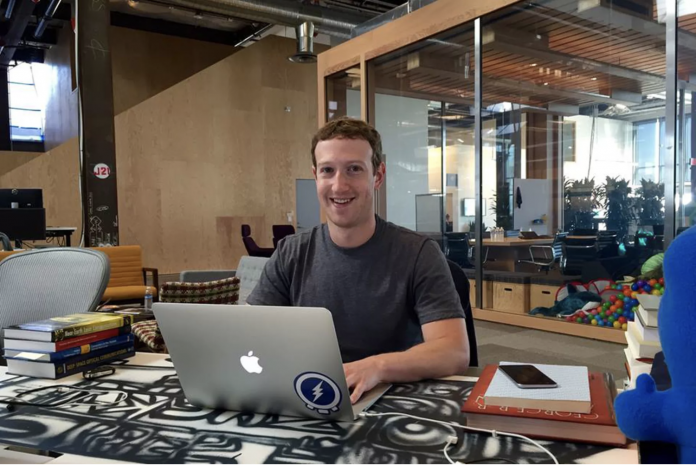
Mark Zuckerberg has soared to the position of the world’s second-richest person, surpassing Amazon founder Jeff Bezos with a net worth of $206.2 billion, according to the Bloomberg Billionaire Index.

This remarkable feat comes after a stunning increase of $78 billion in 2024, largely driven by a 70% surge in Meta Platforms Inc.’s stock.

Zuckerberg’s journey back to the pinnacle of global wealth is nothing short of remarkable, considering that he was once shaken by the collapse of Meta’s stock resulting in his staggering fall in net worth.

This leap in the Facebook founder’s fortune has cemented his place in the global billionaire rankings, positioning him ahead of Bezos, whose wealth now stands at $205.1 billion. However, Zuckerberg remains around $50 billion shy of the top spot, still held by Elon Musk.

Strategic Restructuring that Revived His Fortune

Zuckerberg’s resurgence is notable as a product of a calculated and aggressive restructuring of Meta, a move that initially stirred concerns but ultimately proved crucial. After suffering a more than $100 billion hit to his personal wealth in 2022, Zuckerberg embarked on a massive cost-cutting initiative that laid the foundation for Meta’s turnaround.

The company cut 21,000 jobs in late 2022, a drastic measure aimed at stemming losses and reshaping the company’s future. While the layoffs sparked outrage and fear among employees and market watchers, Zuckerberg defended them as necessary steps to streamline Meta’s operations and refocus the company on its core strengths.

Meta’s restructuring wasn’t just about reducing the workforce—it was part of a comprehensive transformation plan.

Zuckerberg shifted the company’s priorities from its conventional social media business to frontier technologies, such as artificial intelligence (AI), augmented reality (AR), and virtual reality (VR). This shift wasn’t without its risks. Many questioned whether Meta’s pivot to the so-called “metaverse” and its AI ventures would pay off, especially when its digital advertising business, which had long been the backbone of its revenue, faced stiff competition and market saturation.

Yet, Zuckerberg’s vision prevailed. By investing heavily in infrastructure, particularly in expanding data centers and boosting computing power, Meta was able to position itself as a formidable player in the rapidly evolving AI landscape. The company’s infrastructure upgrades were key to supporting the development and deployment of AI-driven technologies, a move that has now begun to bear fruit.

The Metaverse and AI New Era for Meta

In the backdrop of these sweeping changes was Zuckerberg’s unwavering commitment to the metaverse, a concept he believes will transform how people interact with the digital world. The company’s investments in virtual and augmented reality culminated in the launch of the Orion augmented reality glasses, a product that demonstrates Meta’s ambition to merge physical and digital experiences seamlessly. Though met with skepticism at first, the AI investment has reinvigorated the company’s stock and instilled new confidence among investors.

It wasn’t just these futuristic technologies that played a role in Meta’s revival. The core digital advertising business of Meta, despite the company’s AI and VR ambitions, remains strong and continues to provide a reliable financial backbone. This combination of steady cash flow from advertising and the high-potential returns from AI and AR investments has emerged as a cornerstone of Meta’s ongoing success.

With the metaverse, AI, and AR all playing key roles in his vision, Zuckerberg aims to position Meta at the forefront of the next wave of digital transformation. The 40-year-old is expanding his conglomerate through acquisition and creation of new platforms –the latest being Threads. His goal is not just to create a dominant tech company but to build a legacy that will influence how people interact with technology for generations to come.